Pick your brick and build with us
Most exhibitions are finished by the time the public walks in. All that is left to do is look. Dirty Works only starts then.
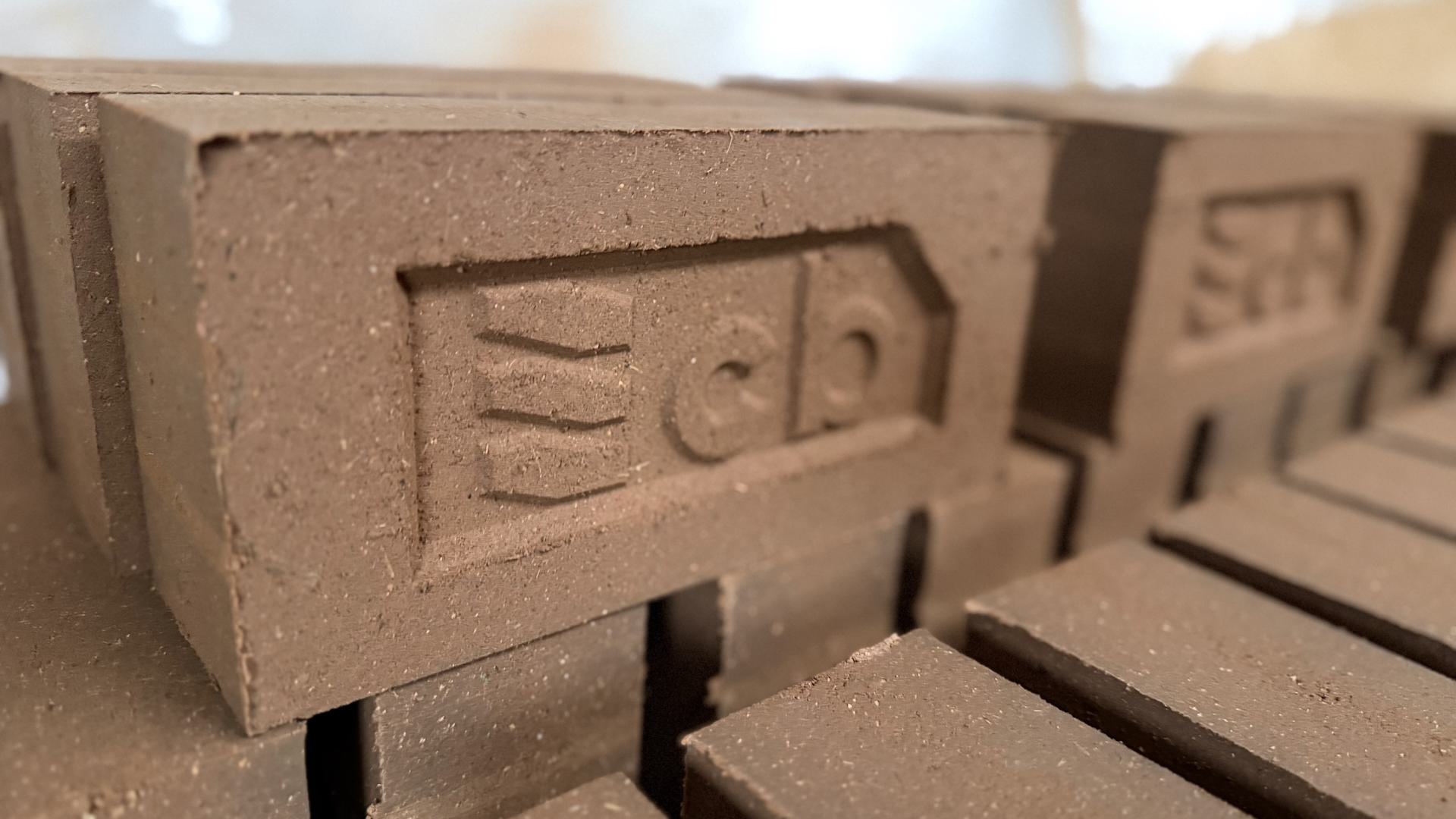
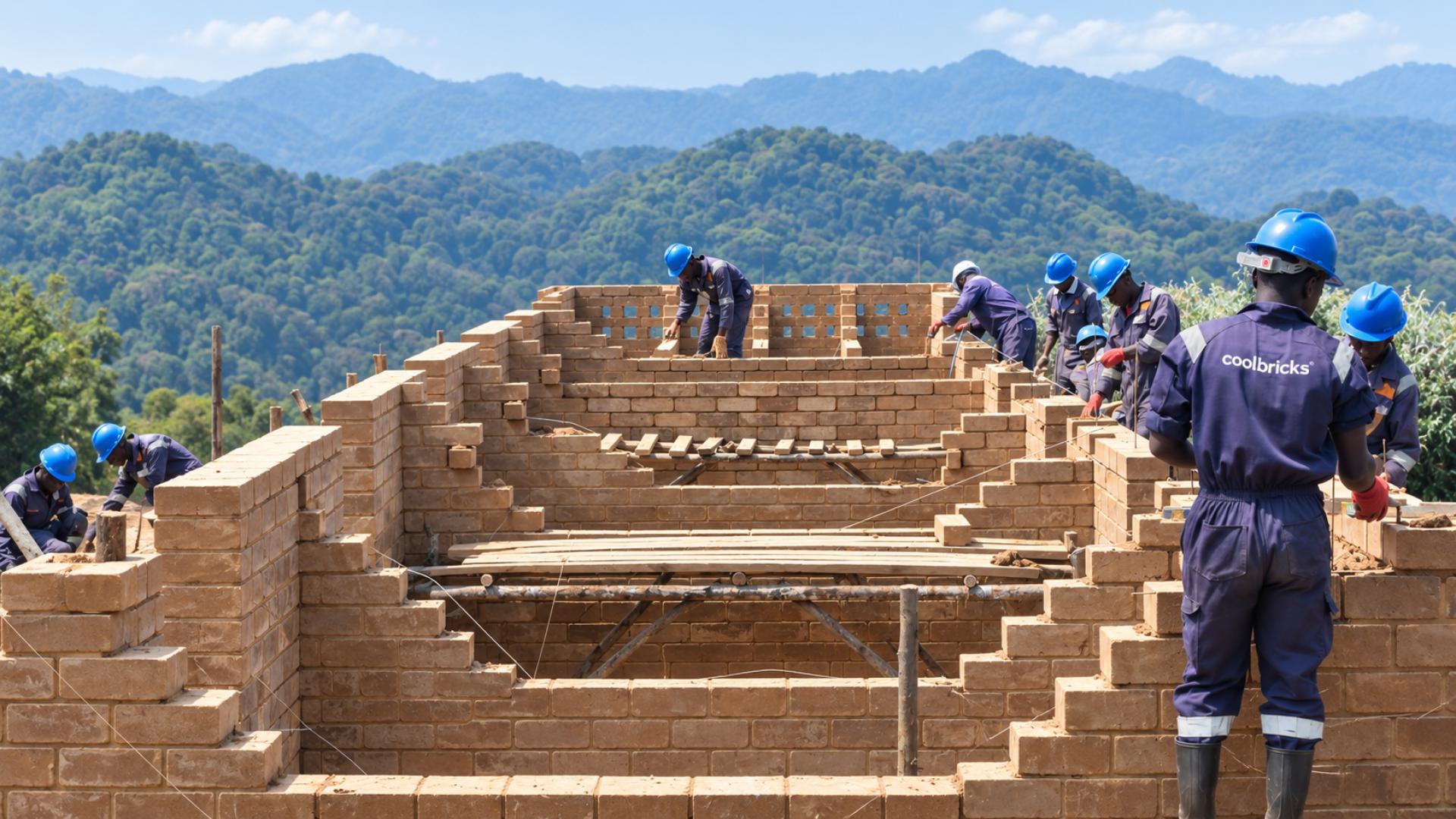
During Dutch Design Week, 2,750 unfired earth bricks and around 10 tonnes of rammed earth gradually grow into a pavilion. Visitors build alongside experienced builders. They work with the material themselves, lay bricks and ram earth.
Come early and you may still see little more than earth, bricks and the beginning of a wall. Come back later and the pavilion has already changed. Throughout DDW, it keeps growing day by day.
Dirty Works is not a pavilion to simply look at. Here, the visitor becomes part of the building process. Lay bricks, ram earth and help build Dirty Works.
Research takes dirty hands
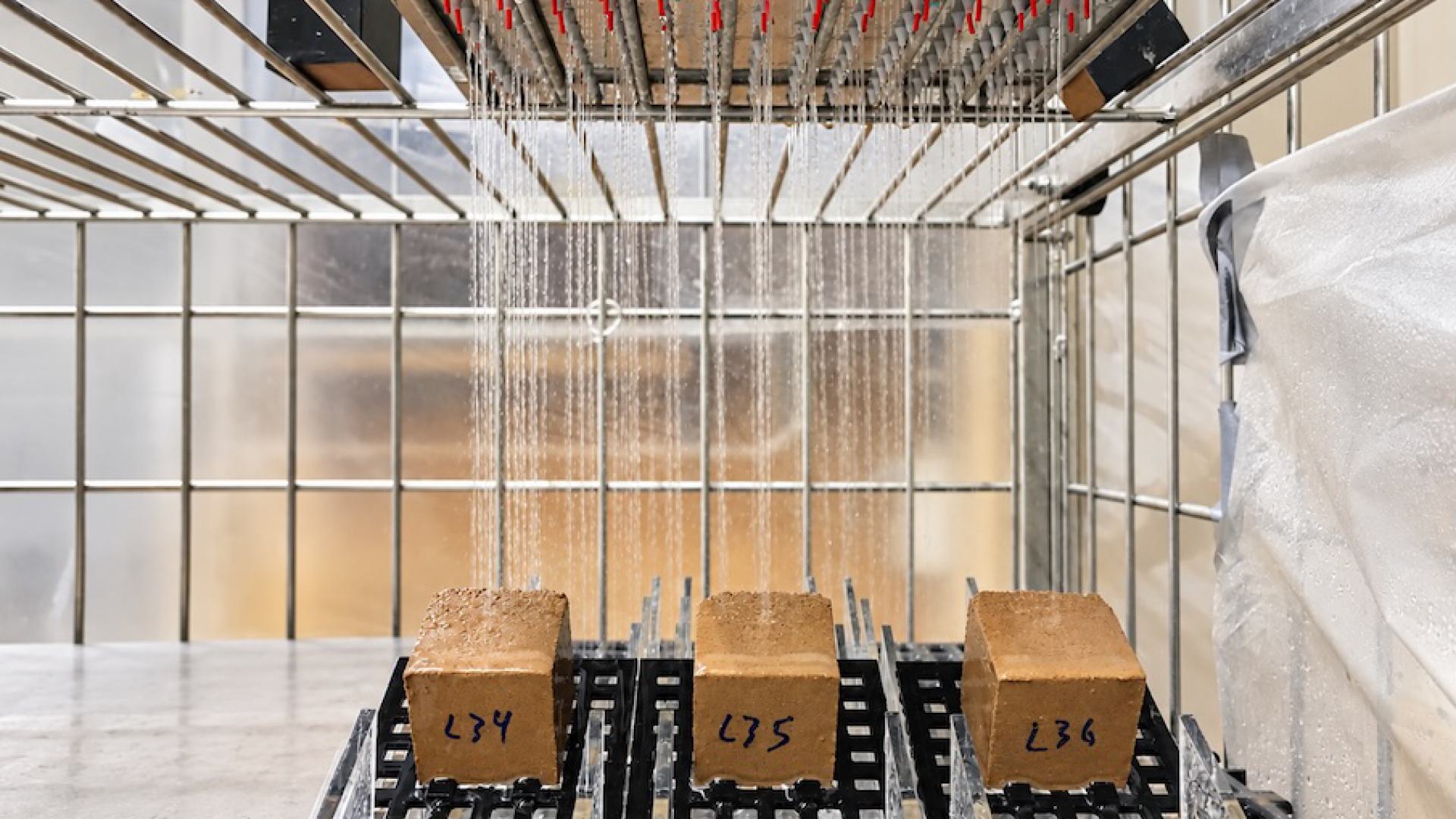
New materials rarely emerge from one good idea. They take shape through testing, adjusting and trying again. Through failed mixes, broken samples, water tests and compression tests, repeated until something works.
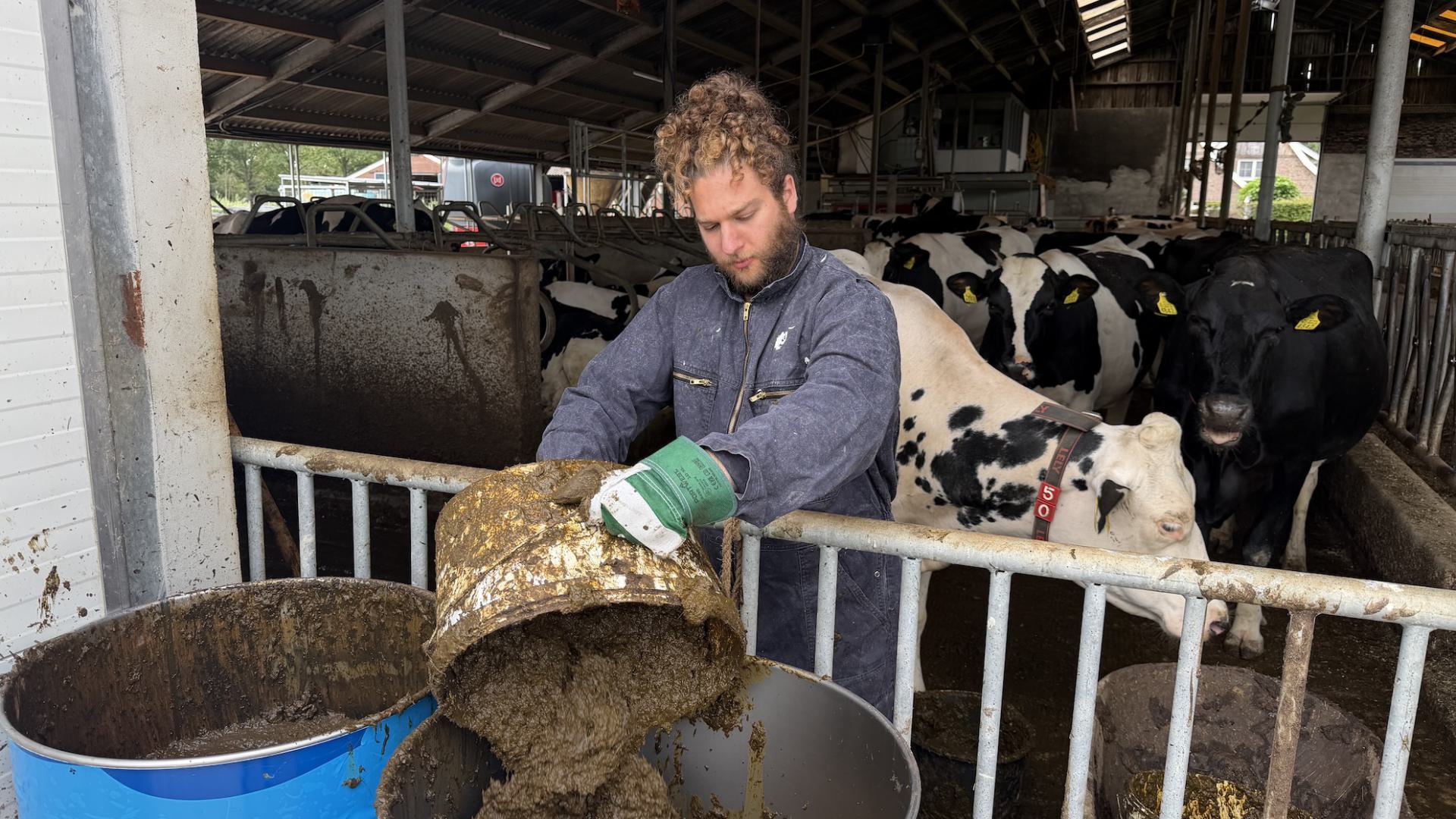
Dirty Works grew out of Cool>Earth, the ongoing research by CoolBricks and its partners into high performance building materials without cement. Using Dutch soil, cow dung, fibres and other biobased resources, we explore how locally available materials can form the basis for a new generation of building materials. Not as a nostalgic alternative, but as serious materials for contemporary construction.
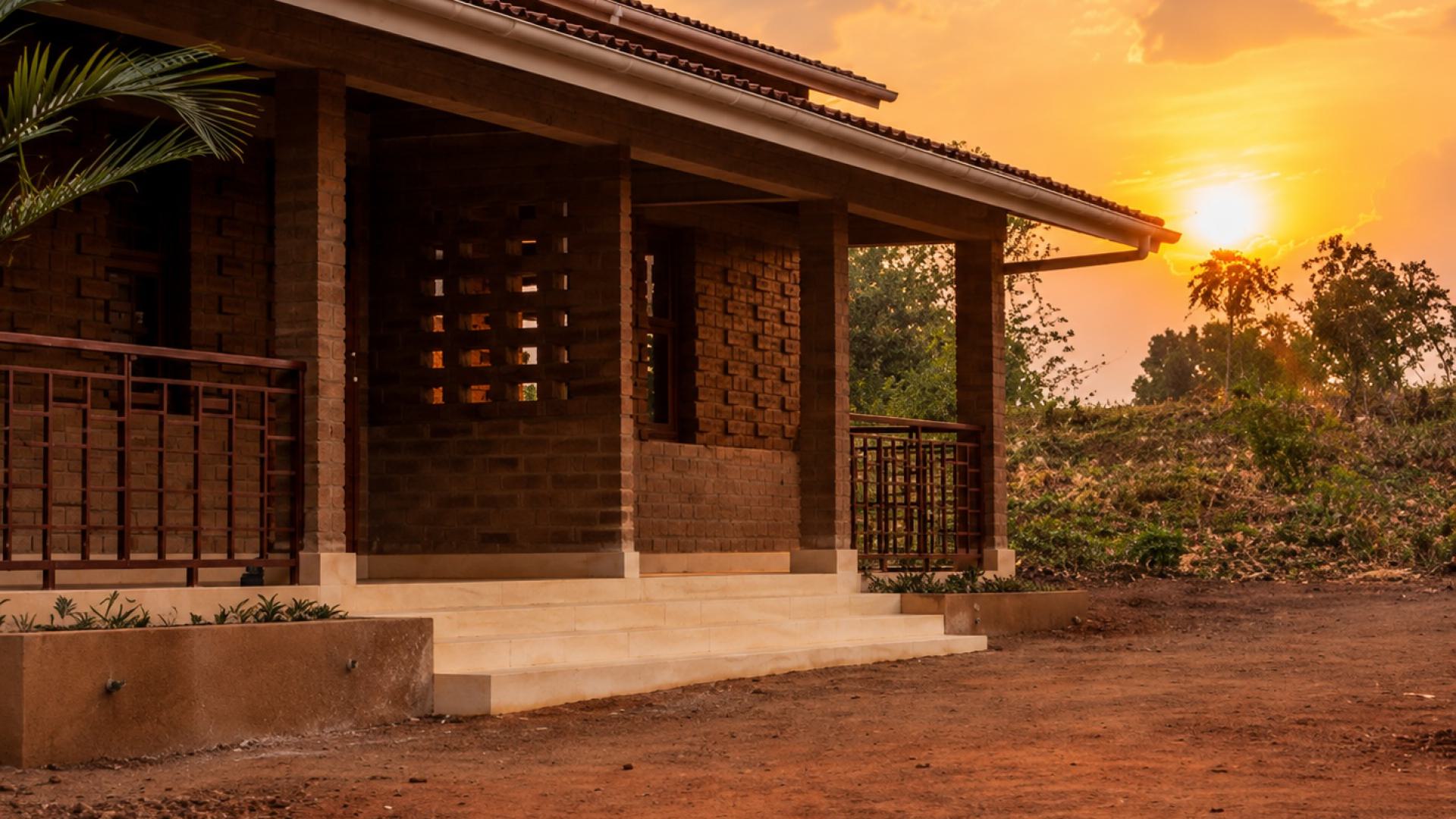
The research in Uganda, Kenya and the Netherlands moves continuously between the laboratory, production and real building projects. During Dutch Design Week, part of this process, which normally happens behind the scenes, becomes visible. New materials do not happen by themselves. They require testing, making, breaking and starting again. That is the dirty work behind innovation, and exactly what Dirty Works is about.
What if the future is already beneath our feet?
Earth is all around us. It is locally available, abundant and surprisingly simple to build with. CoolBricks explores what becomes possible when that simplicity is combined with contemporary materials science, engineering and design.
The ambition is deliberately simple: use advanced knowledge to make building more local, more affordable and more accessible. That can mean shorter supply chains and less dependence on imported materials. It can also create more freedom to make, adapt and repair locally, while creating more value from materials that are already available.
Perhaps the future of building is not about adding more technology, but about using our knowledge more intelligently to work with what is already there.