Towards Inclusive Gastronomy
More than 230 million people worldwide are affected by food allergies, making dining out a challenging and potentially risky experience. Food-allergic guests must continuously assess risks, communicate their dietary needs, and trust restaurant staff to prevent mistakes that could trigger severe reactions. In the most serious cases, exposure to an allergen can cause anaphylaxis, a rapidly escalating systemic allergic reaction that affects multiple organs and may include swelling of the face or throat, vomiting, breathing difficulties, and cardiovascular collapse, requiring immediate treatment. This constant vigilance can lead to stress, anxiety, reduced spontaneity, and social exclusion.
As a complex “wicked problem,” it involves multiple stakeholders, including guests, chefs, restaurant staff, healthcare professionals, and regulators. Through a Research through Design approach, the project explores how design can bridge perspectives, improve communication, and support inclusive gastronomy for all.
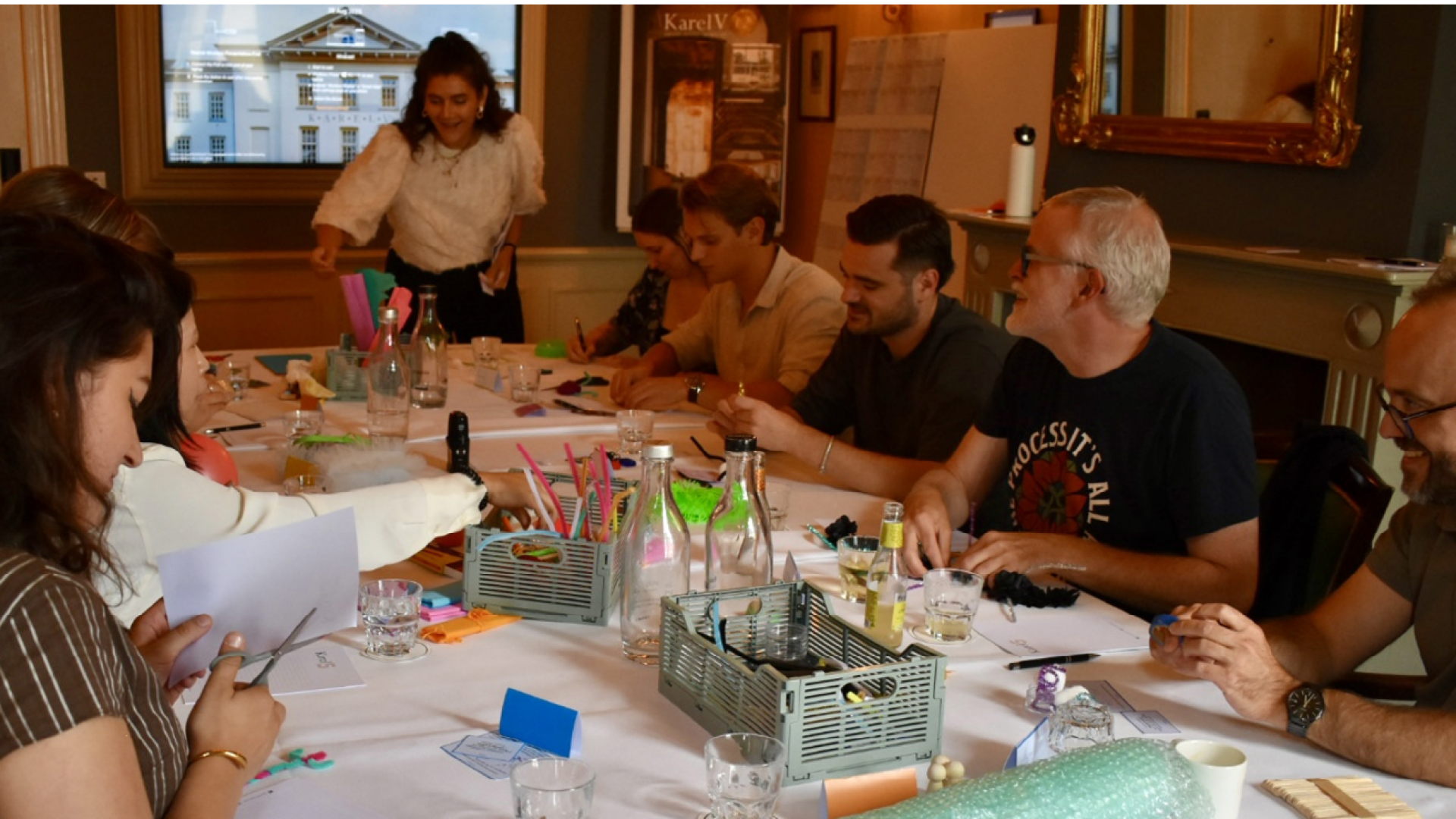
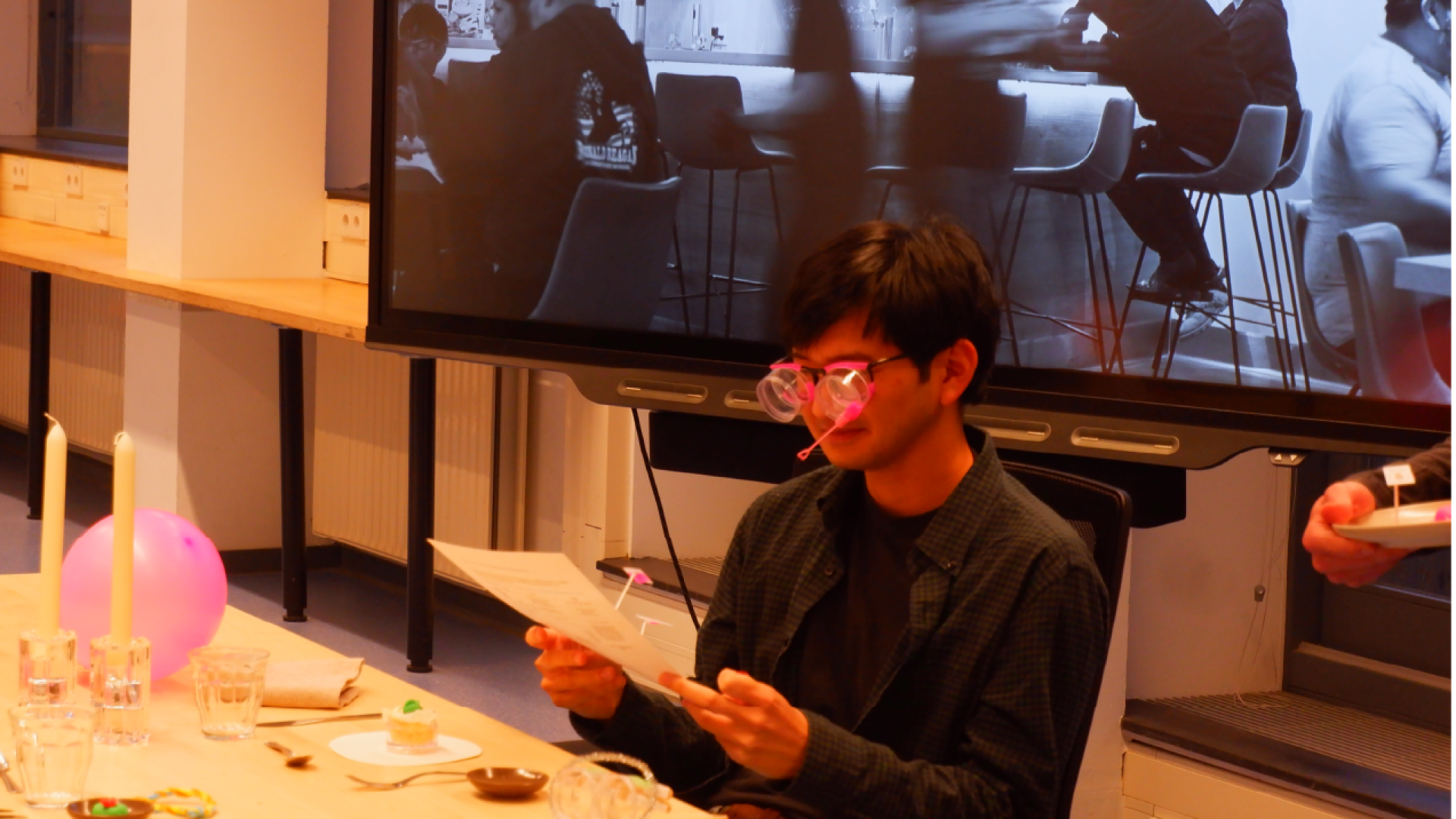
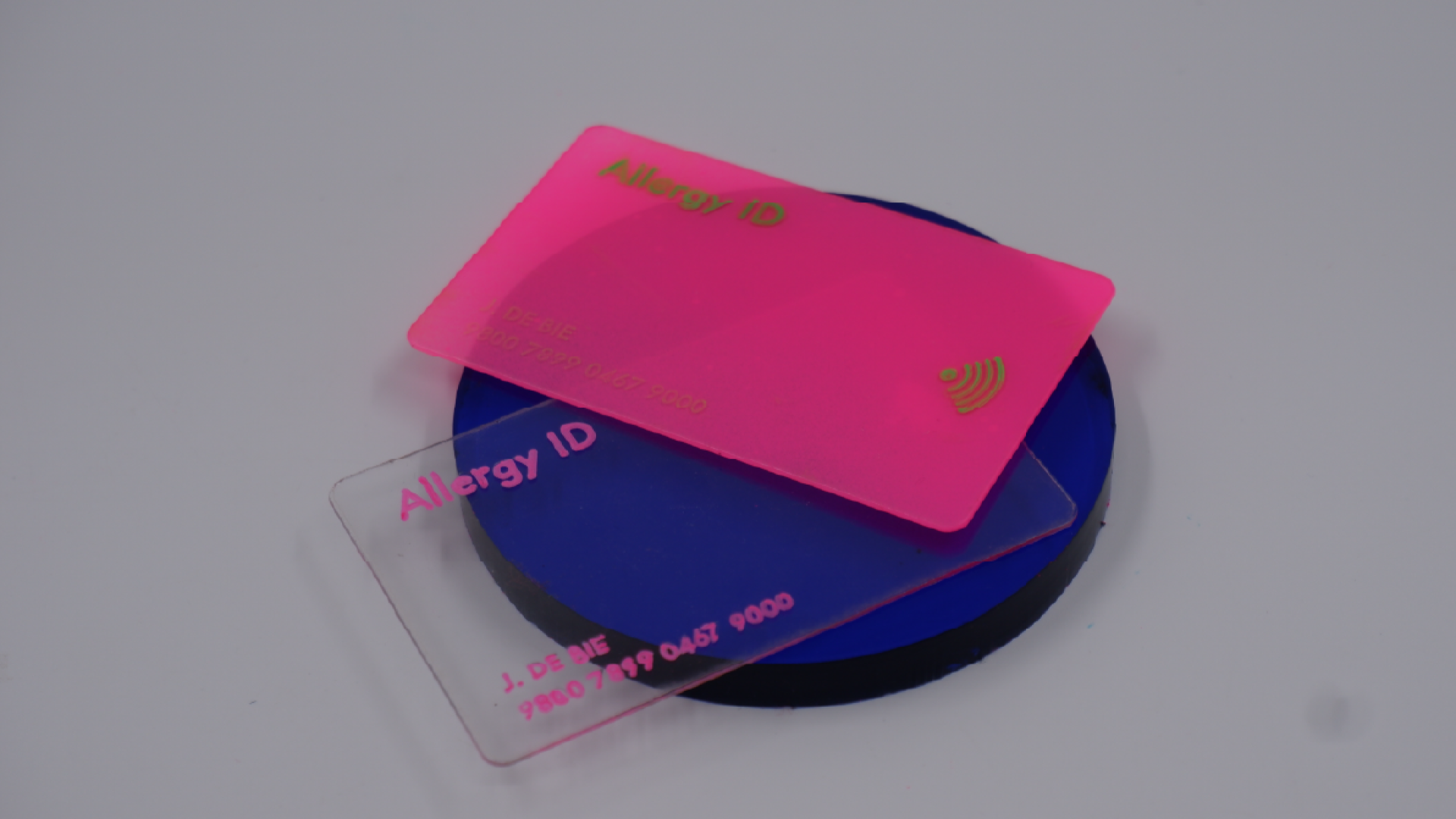
The current dining experience for food-allergic guests highlights the need for a more holistic understanding of its complexity. This project introduces a broad, co-created vision of future allergen-safe dining experiences. Using a speculative design approach (Dunne & Raby, 2024), it explores probable, plausible, and possible futures of dining with food allergies. Through co-creation sessions in dining contexts with experts from different disciplines, workshops with design students, and student-led design research projects, participants were encouraged to think beyond current constraints, challenge existing assumptions, and prioritize creativity and imagination over immediate feasibility. These activities enabled the exploration of diverse perspectives and alternative futures for allergen-safe dining. Based on these co-creation sessions and design research projects, five speculative probes were developed, representing distinct solution directions: (1) Augmented Reality Mono Glasses, (2) Equalizer Amuse, (3) Allergy ID, (4) Allergy Token, and (5) Meta Cookies. Together, these probes stimulate discussion and inspire future innovation toward more inclusive dining.
The wicked problem of dining out with food allergies extends beyond the restaurant context, involves a complex stakeholder network, and calls for a systemic change. A Research through Design approach can help by exploring different parts of the wicked problem through organized co-creation sessions, bridging perspectives, and identifying needs during the transition. Key considerations in the first steps of a coordinated systemic change are: 1) collaborative problem-solving, 2) improved experiences for everyone, 3) knowledge and education, and 4) legislation and standardization by The Netherlands and the EU. Currently, there is no single solution possible for the complex problem. This project present five speculative probe visions as the first step toward a more inclusive dining experience for food-allergic guests.