Between reuse and recycling
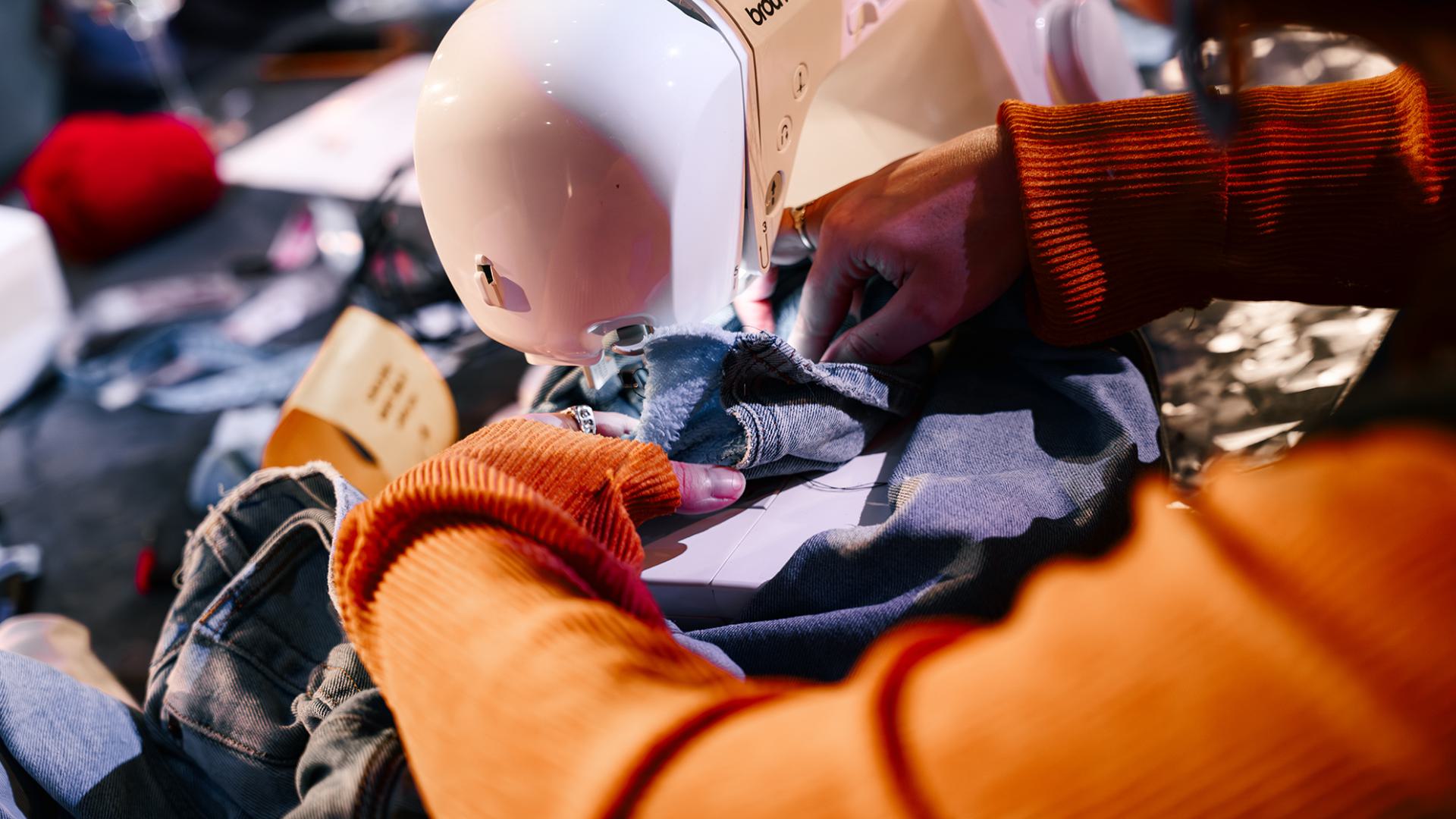
A large share of post-consumer clothing is too worn, too dated or too unsellable to be reused as it is, yet still too valuable to shred into fibre. Remanufacturing works in that space: disassembling garments and remaking them into new products at scale, so that material keeps as much of its value as possible. Remade in does not position itself as a manufacturer. We act as a system orchestrator, developing the design systems, workflows and partnerships that make remanufacturing repeatable, from sorting partners to social sewing ateliers to brands. Wherever possible, feedstock and production stay regional: textiles from a country or its neighbours, remade there, for people there.
Systematising remanufacturing
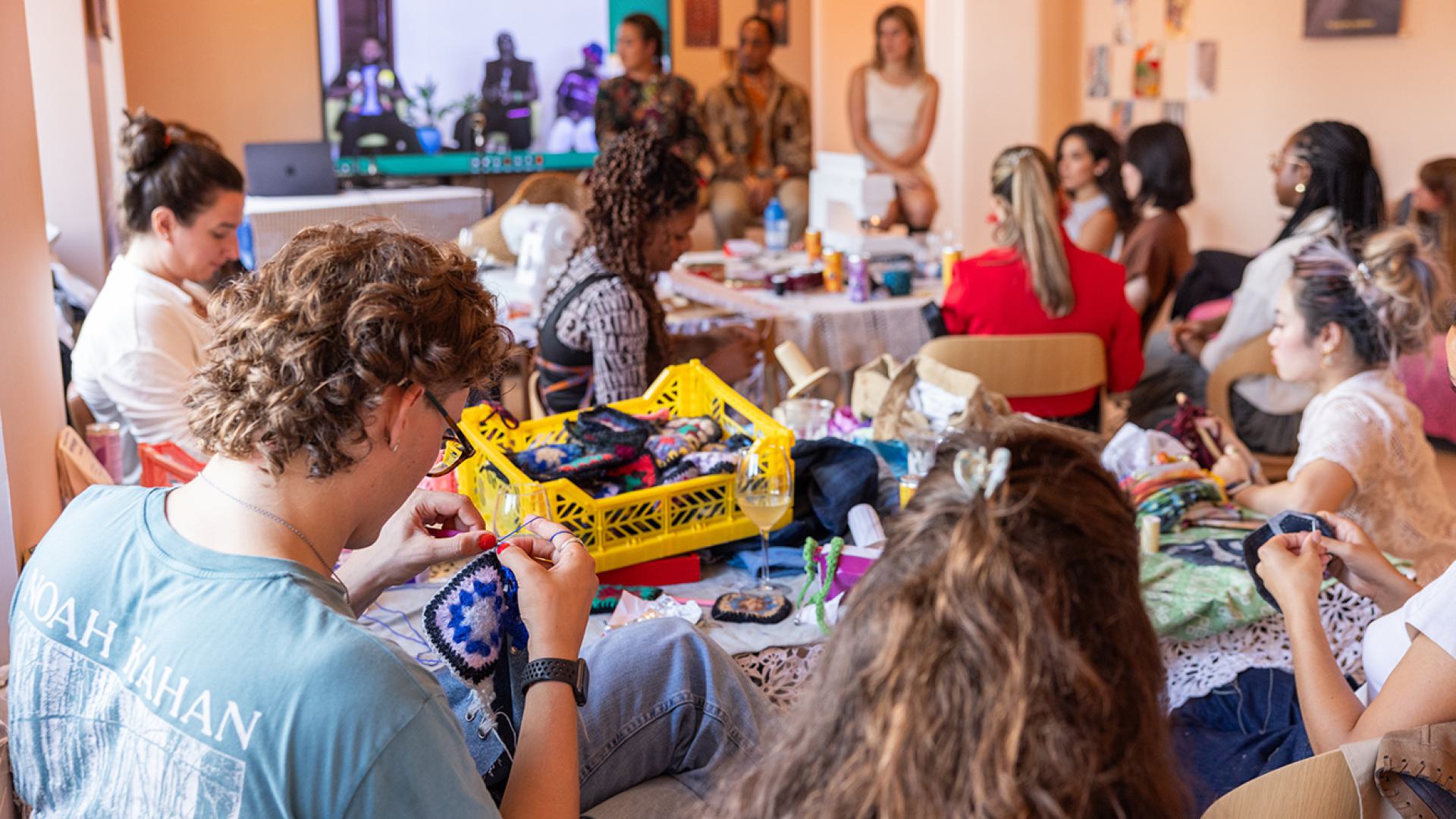
The showcase brings together the first results of our research into how remanufacturing can learn from conventional manufacturing: remanufactured products, alongside the workflows behind them. Visual maps show the two pathways we are developing. One retrofits existing garment factories with a dedicated remanufacturing line. The other builds a national ecosystem of sorting partners, social sewing ateliers and brands, designed for higher labour costs and for organisations that create work for people with a distance to the labour market. Our approach is shaped by years of collaboration with upcyclers at Kantamanto Market in Accra, one of the world's most sophisticated circular textile economies, and by the conviction that change in the textile system must be informed by the communities at its frontline.
Think along
Consider this an invitation to work with a new organisation that brings a wealth of experience and a fresh vision to a long-standing system. We are looking for people and organisations who want to help shape what comes next: sorters and collectors, makers and ateliers, brands and retailers, researchers, designers, funders, and anyone curious about where their clothes go once they are no longer worn. Come by, talk to us, and tell us where you see a connection.