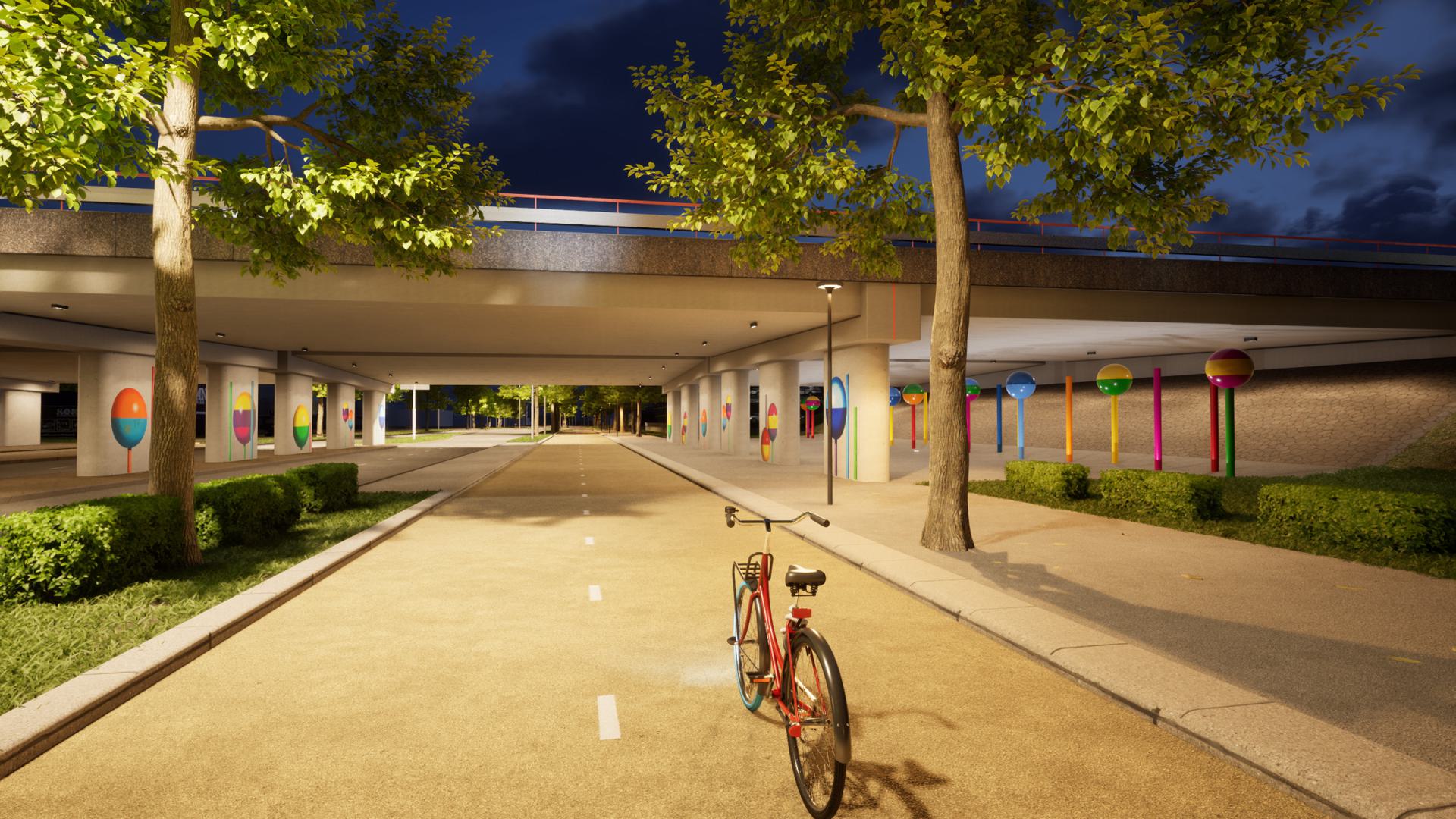
Social safety for everyone: cycle through virtual Amsterdam with PRIMED
Walk through a tunnel at night and a man might hardly notice it. A woman is already checking the dark corners. Men and women experience public space and safety very differently, and so do young and old, and people from different cultural backgrounds. Yet streets, squares and bike paths are usually designed as if everyone feels the same. Most of what we feel in a place happens unconsciously, which makes it hard to put into words. Traditional participation, such as a meeting on a Wednesday evening, mainly reaches a small group of people and misses those unconscious reactions completely. The result: places that look good on paper, but that people avoid once it gets dark. And in the Netherlands it is dark for an average of 11 hours a day. PRIMED makes these differences visible, so that social safety becomes something you can measure and design for, instead of something you only notice afterwards.
How PRIMED works
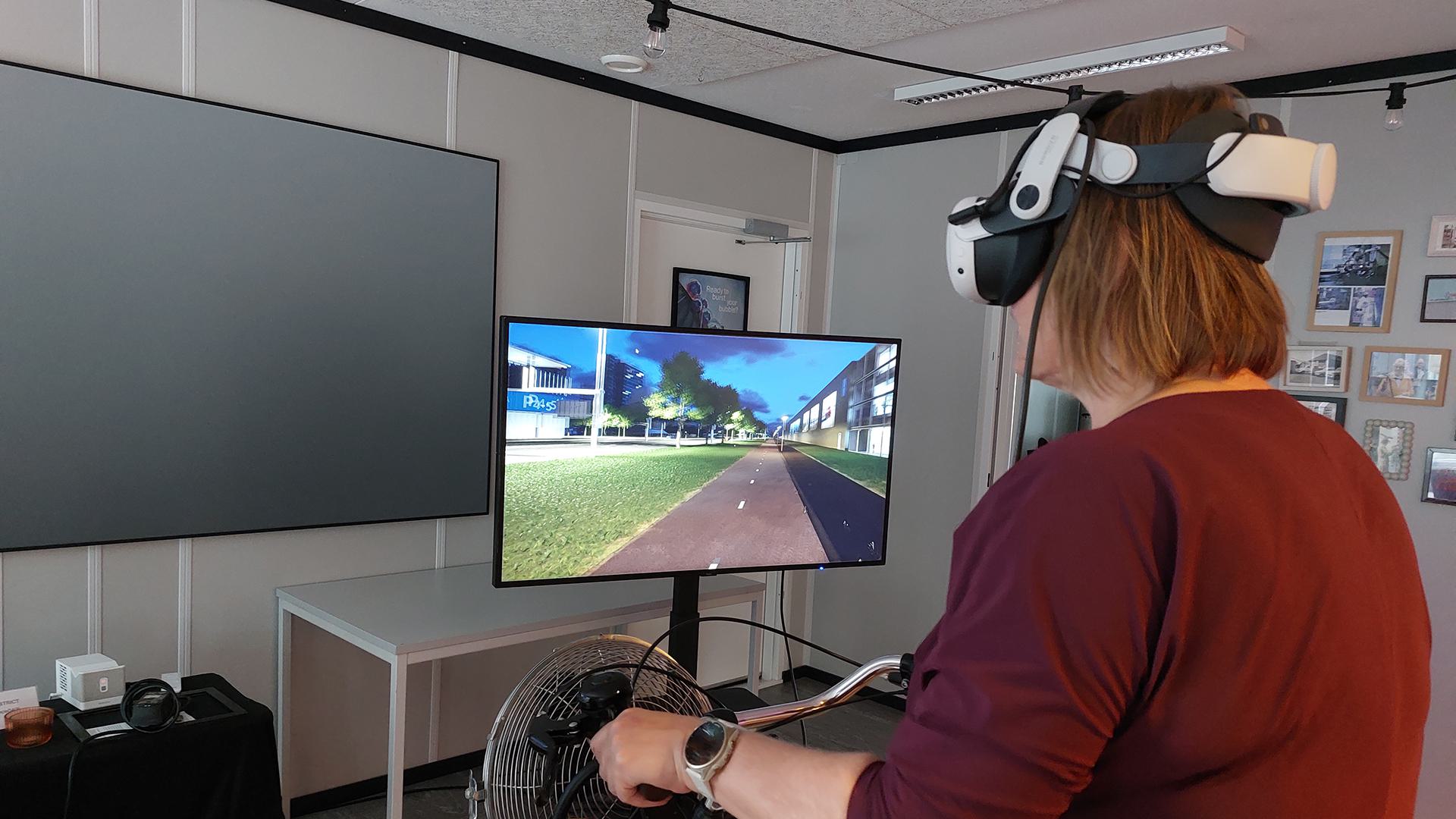
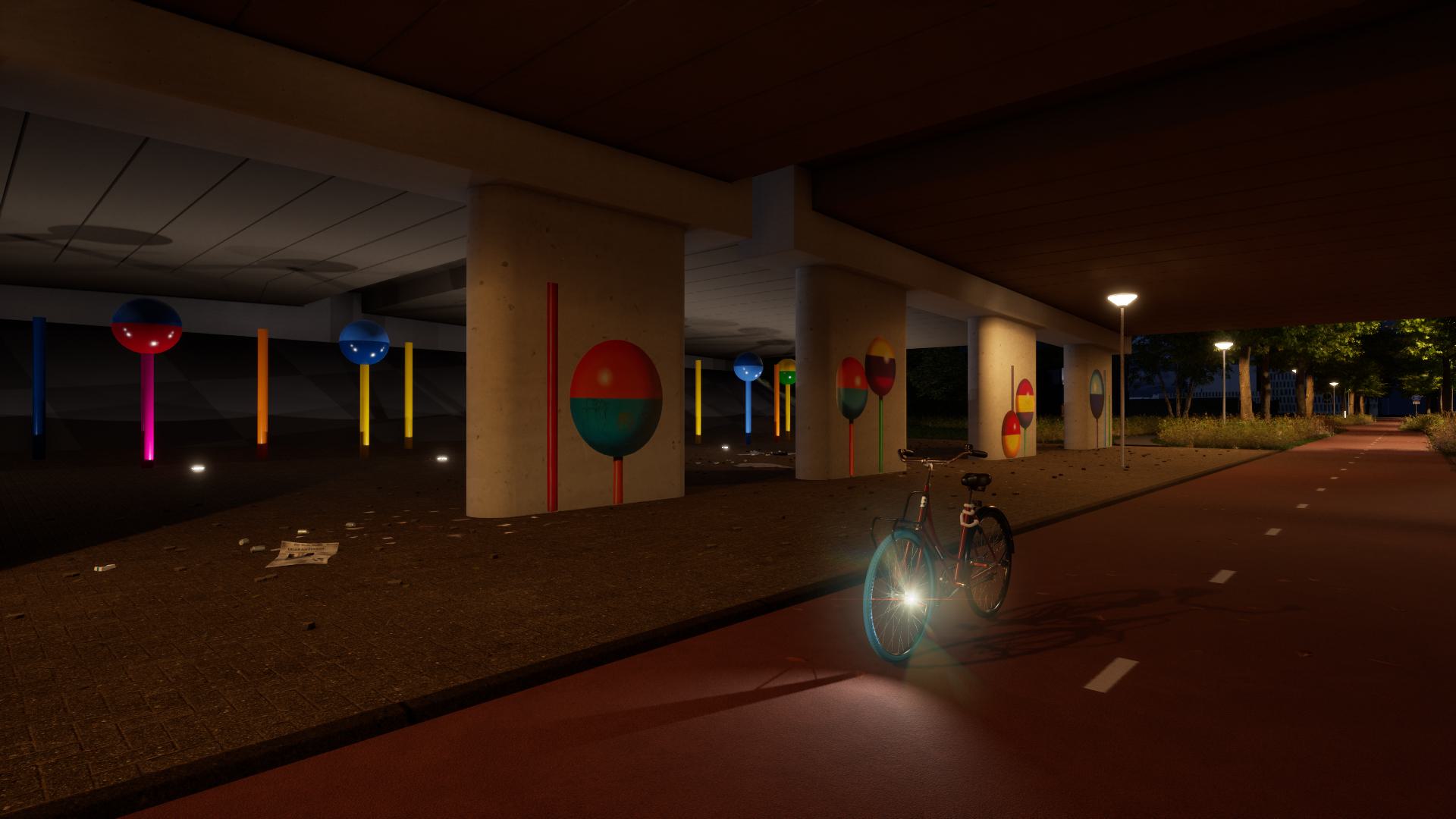
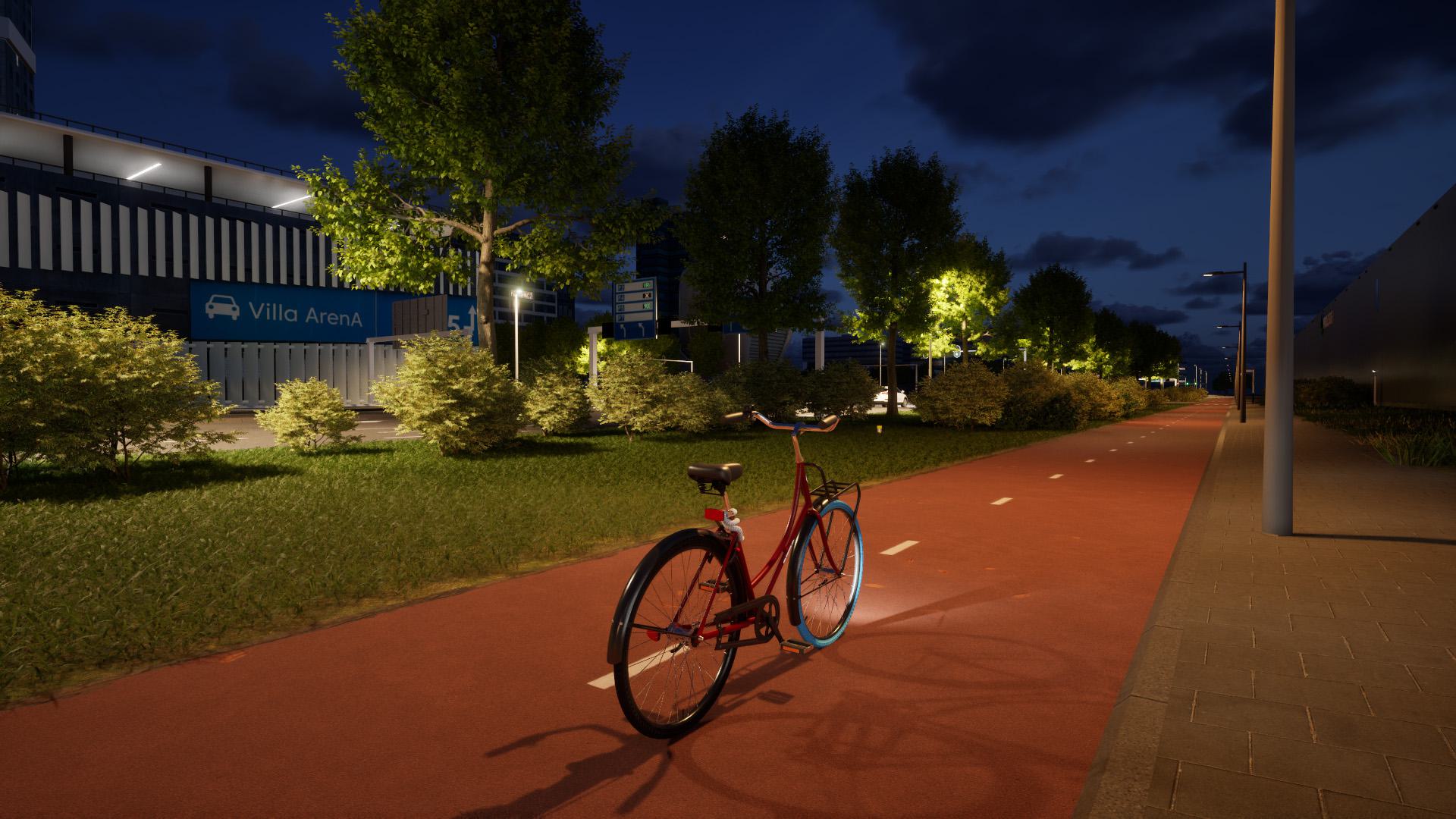
PRIMED (Predictive Immersive Design Tool) places people in a realistic virtual environment, by day and by night. While they move through it, neurofeedback picks up the moments they relax, tense up or feel unsafe, even when they cannot explain why. Gaze tracking records where they look. The results are turned into heatmaps that can be filtered by gender, age and cultural background, showing at a glance where each group's attention goes and where they feel at ease. This gives urban designers, developers and municipalities clear insight into which design or lighting scenario works, for new plans and for existing places alike. Because the parameters in VR stay the same for every participant, the results can be compared. And because you don't need words or spatial expertise, anyone from 6 to 96 can take part. At DDW you can try it yourself: get on a real bike and cycle through virtual Amsterdam, in a project with the City of Amsterdam that tests how its bike paths feel.
From hackathon to city streets
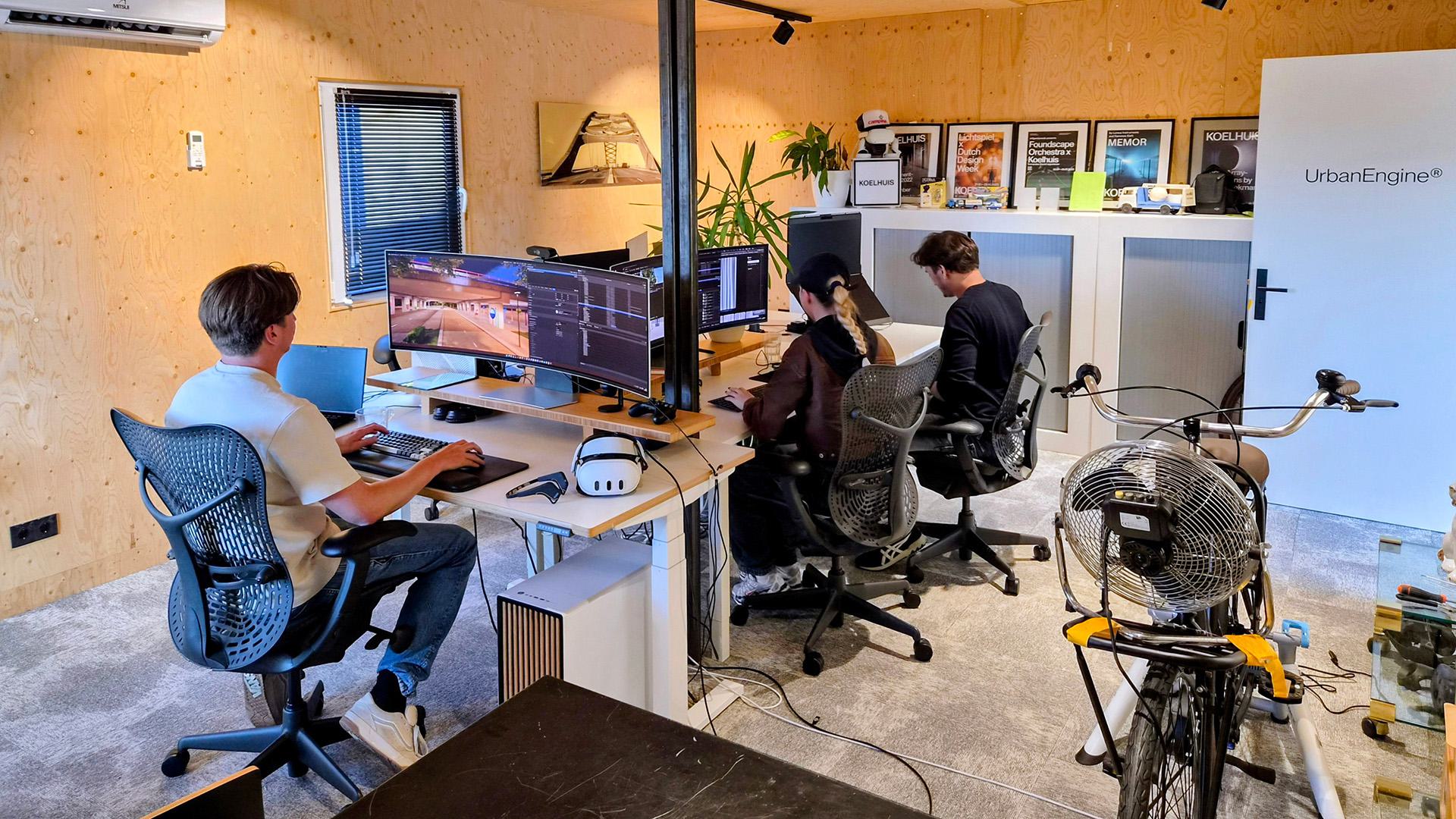
PRIMED is developed by Olifantenpad CS, a collaboration of an environmental psychologist, designers of public space and lighting, and experts in citizen participation, VR and neurofeedback. The idea started at a hackathon and grew through tests with hundreds of people. In Eindhoven, the method helped shape the new lighting scenarios in the city centre, where the reactions of female test participants proved decisive. Now several municipalities want to use it. Our ambition reaches beyond lighting: greenery, street furniture, signage, facades and routing can all be tested before a single stone is laid. That prevents costly mistakes and adjustments afterwards, and gives residents a real voice in the design of their own environment. We believe the city of the future is not just smart, but built around how people actually feel. Smart cities start with human data.