17-25 October 2026

People Pleasers

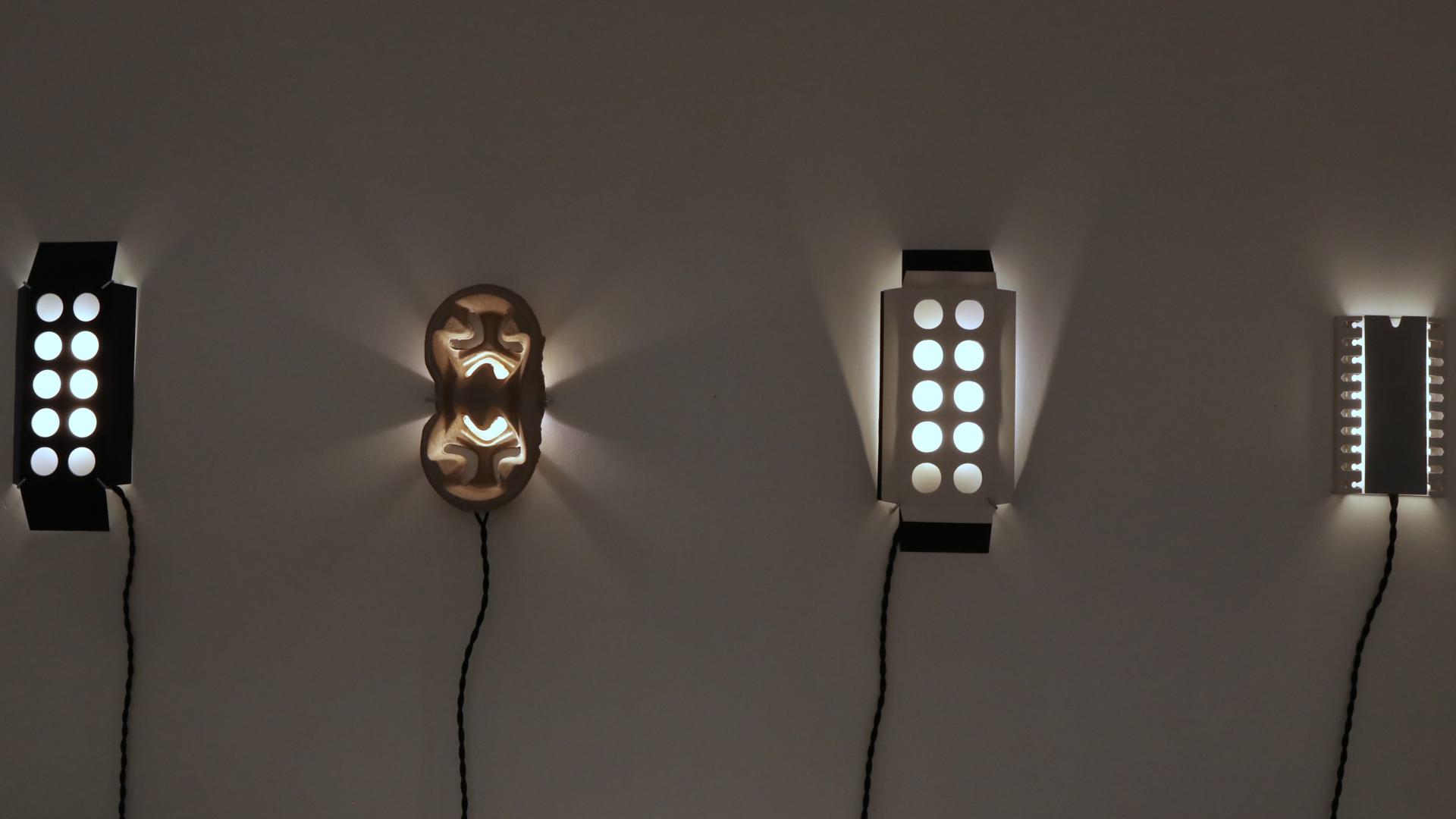
A series of lamps made from rests of personal daily consumption, where mass produced obsolete packagings become contemplative singular objects.

Hosted by George Baïda

Log in to save this programme item to a favourite list.

Login

Entrance fee

Free access

Event type

Exhibition

Accessibility

Dogs are allowed
Free wifi available
Toilets available
Partially wheelchair accessible

Opening hours

11:00
-
18:00
11:00
-
18:00
11:00
-
18:00
11:00
-
18:00
11:00
-
18:00
11:00
-
18:00
11:00
-
18:00
11:00
-
18:00
11:00
-
18:00
Serim Kwack
'People Pleasers' is a series of lamps that are made out of packages typically discarded once their primary function has been fulfilled. Its aim is to pause and to re-imagine new possibilities within our conventional understandings of objects.

Context and conceptual approach

By working around ounce carefully designed and conceived shapes that only carry the primary product we are buying, George Baïda seeks to shift the attention by re-contextualizing what is usually considered secondary or obsolete as the main character, transforming mass-produced waste into singular objects and artefacts.

The package is not anymore a mere carrier of a short-term specific function. It itself becomes a valued object of contemplation. Within this lens, each package becomes a piece of evidence, telling the story of their backgrounds and their users. They become the mirrors of our personalities and tastes.

By only adding metal parts that keep the package’s shape and constraints at the center of attention and working around those shapes, the work reflects on value, domesticity and consumerism.


Ready to visit?

Come to Dutch Design Week and make this project part of your visit.

Buy tickets

About George Baïda

Positioned at the intersection of furniture design and multimedia installation, George Baïda’s work primarily explores the poetics that lie within the construct of public space. He engages in seeing daily life objects and gestures as carriers of whimsical meanings and tools of inquiry. By re-contextualizing them through material repurposing, urban engagement, field recording, and moving images, the pieces express themes of spatial politics, subjectivity, and the found in the lost.