Material & Time
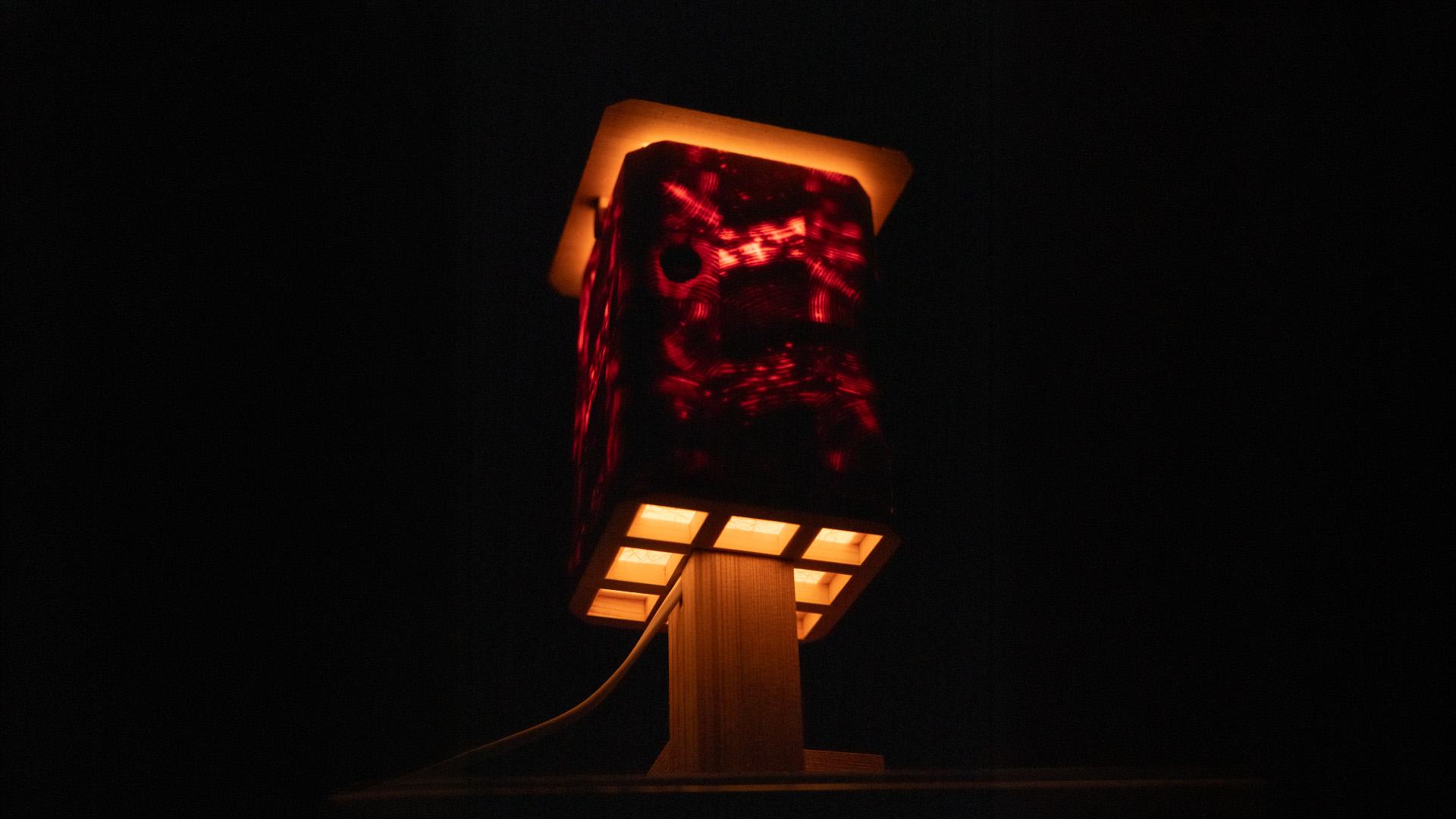
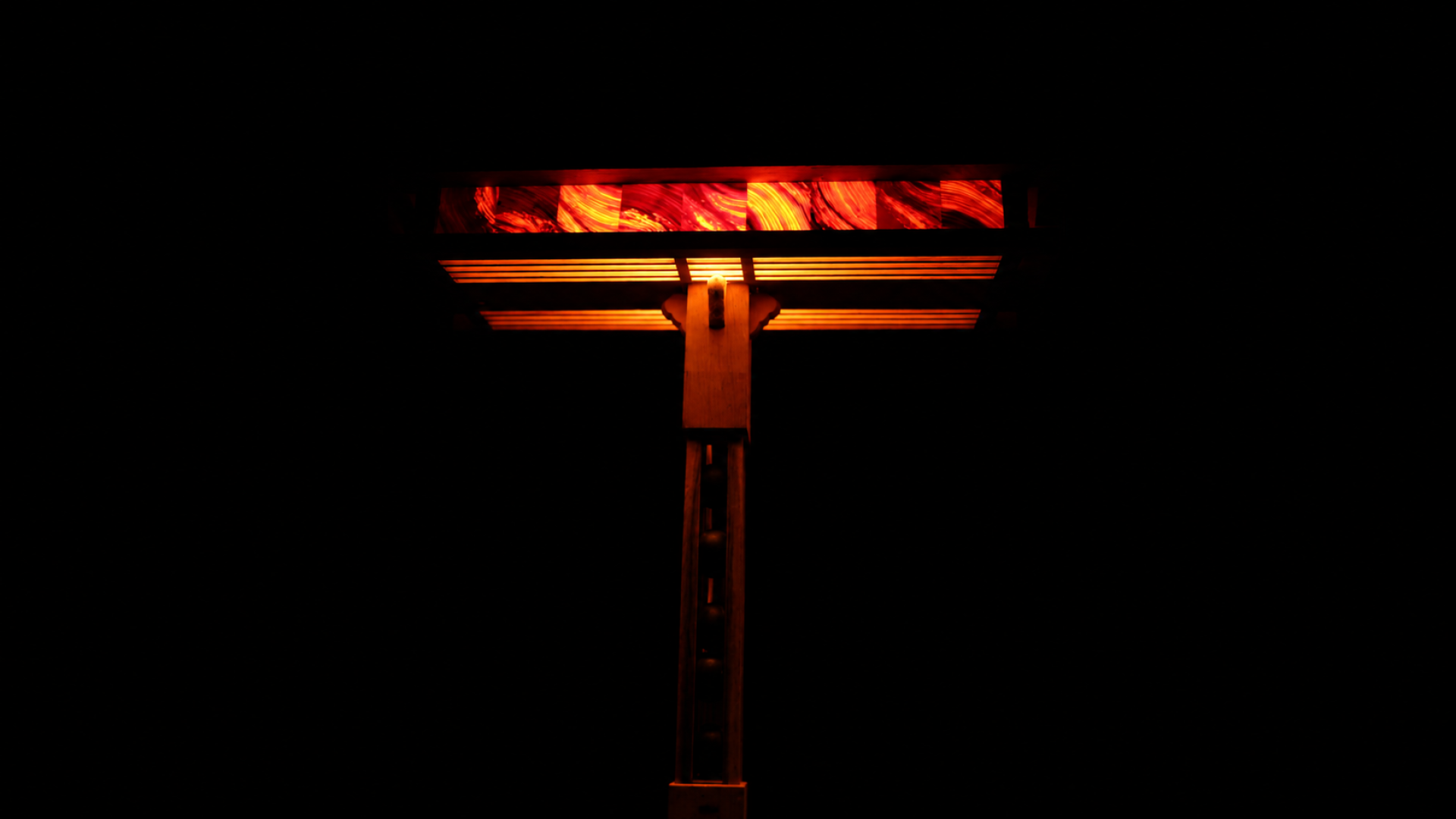
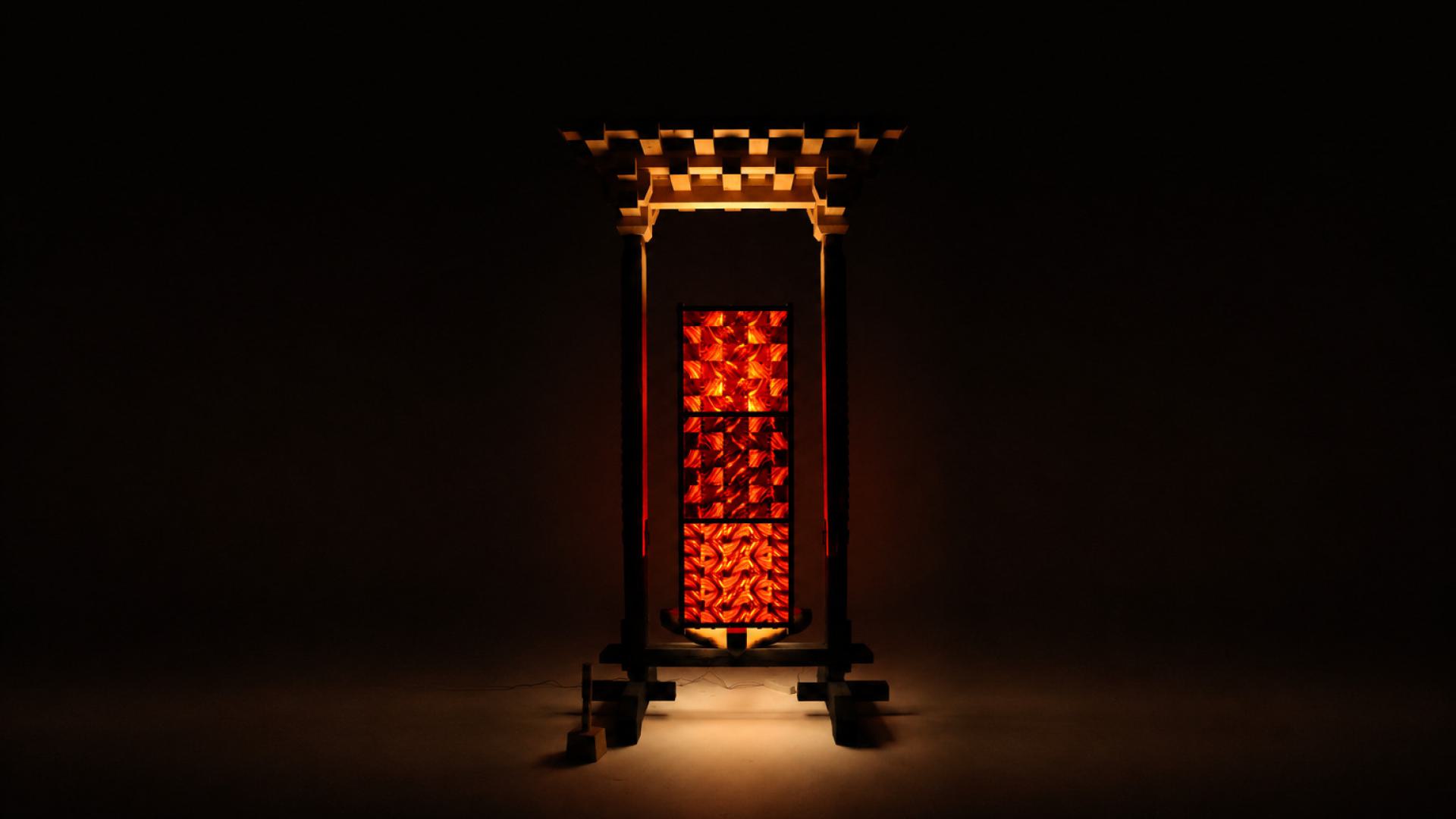
Time of Wood: Where Time Becomes Light is a series of five lamps exploring the traces of time within pine. Each lamp has a different form and scale, sharing the same material language: the tree’s cross-section and natural resin.
The rings, knots, cracks and resin are traces of growth and time. Rather than treating them as imperfections, I preserve them as essential parts of each lamp.
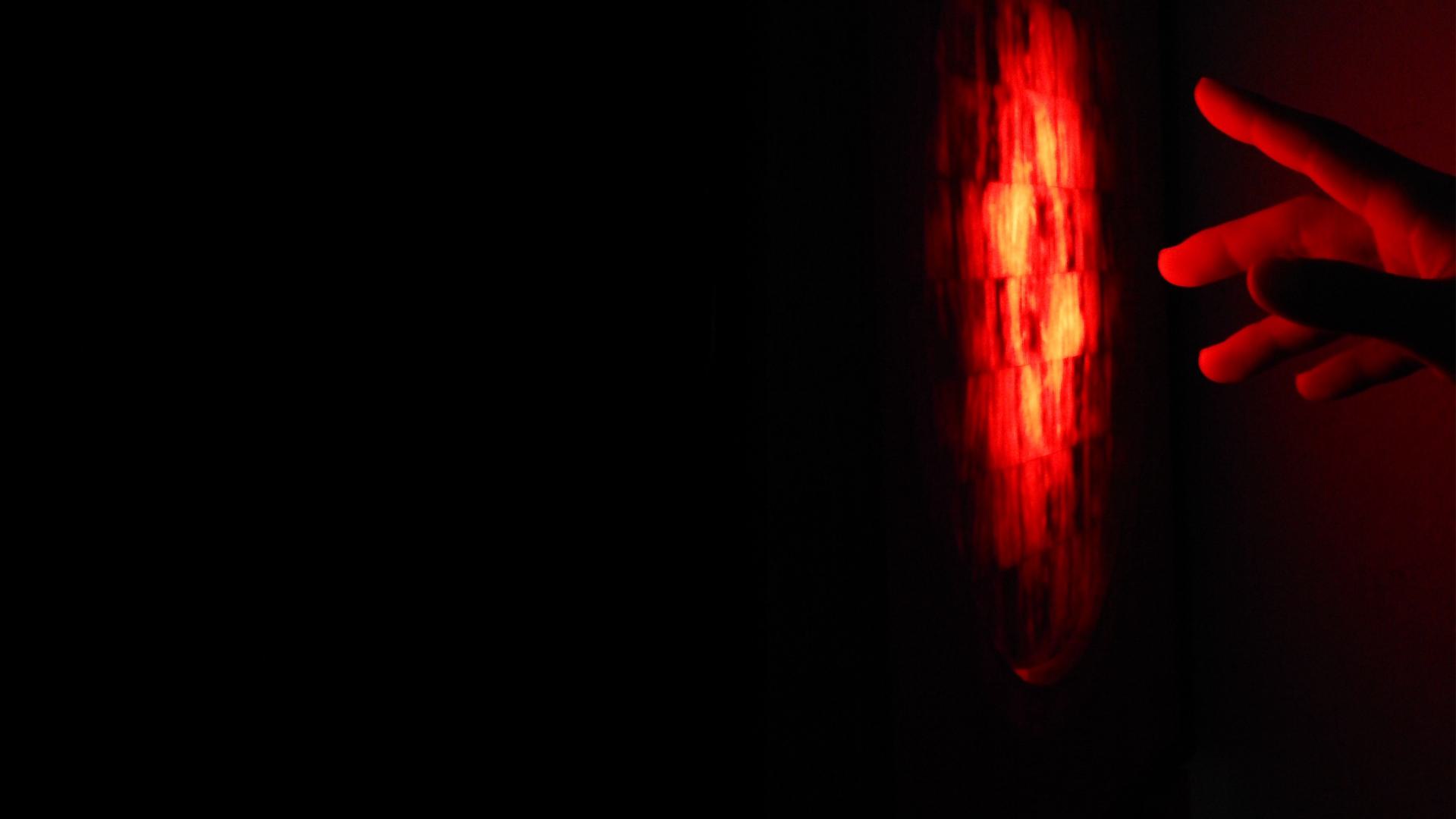
Resin forms naturally as a tree responds to stress and injury, becoming a trace of resilience. I preserve resin-rich areas in their natural forms and thickness, revealing patterns normally hidden within the wood. When illuminated, the resin transforms these traces of growth into light.
The warm light, natural scent and tactile quality of pine create an intimate experience, inviting people to reflect on their own growth, difficulties and the time they have lived through.
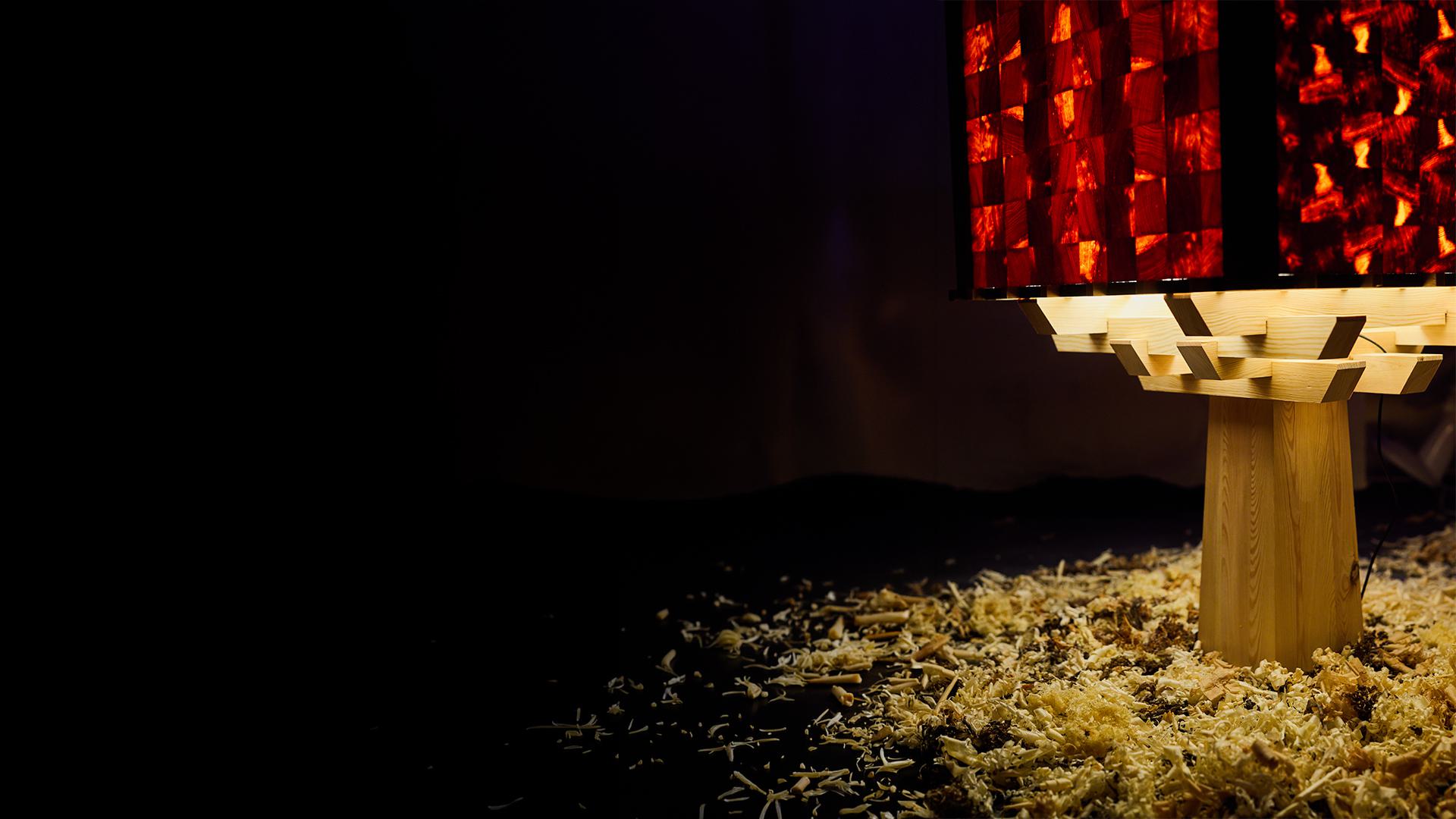
The lamps are made without screws or adhesives. Inspired by traditional Korean and Japanese joinery, I reinterpret these techniques through the structure of the wood itself. Natural knots and cracks remain visible, allowing the material and its traces of time to speak for themselves.
Object & Craft
Each lamp is conceived as an object in its own right, rather than simply as a structure for holding light. Its form, scale and construction respond to the characteristics of the wood and the naturally formed resin within it.
The objects are made through handwork, material research and joinery. Traditional Korean and Japanese craft knowledge informs how the wooden elements are cut and connected, while these techniques are reinterpreted through a contemporary design language. The construction remains visible as part of each object's character and meaning.
The form of each lamp determines how the wood is experienced. Different proportions, openings and structural relationships reveal the grain, resin and imperfections from different perspectives. Each object therefore becomes a different interpretation of the same material.
Light becomes part of this relationship. It reveals what is normally hidden within the wood, while light, material and structure work together to reveal the traces of growth, stress and time held within the tree.
Together, the five lamps become individual objects, each revealing a different relationship between material, craft and light.
Connection
The construction follows the natural character of the wood rather than forcing it into a fixed form. Inspired by traditional Korean and Japanese joinery, I reinterpret wooden connections to create structures that respond to the geometry and tension of the material itself.
No screws are used. Each element is carefully shaped to connect with another, while adhesive is used where necessary to support the construction. The joinery remains visible rather than being hidden, becoming part of the visual language of each lamp.
Natural knots, cracks and variations in the wood are preserved rather than removed. These irregularities influence how each element is shaped and connected, allowing the construction to respond to the material instead of controlling it.
This approach reflects the central idea of Time of Wood. The wood is not corrected, covered or standardised. Its natural traces are accepted as part of the process, allowing the material to show where it has grown, changed and endured.
The five lamps share a common construction language while remaining different in form and scale. Traditional knowledge is combined with a contemporary, minimal approach, respecting pine as it is.