The Confluence of Water, City and Ecology
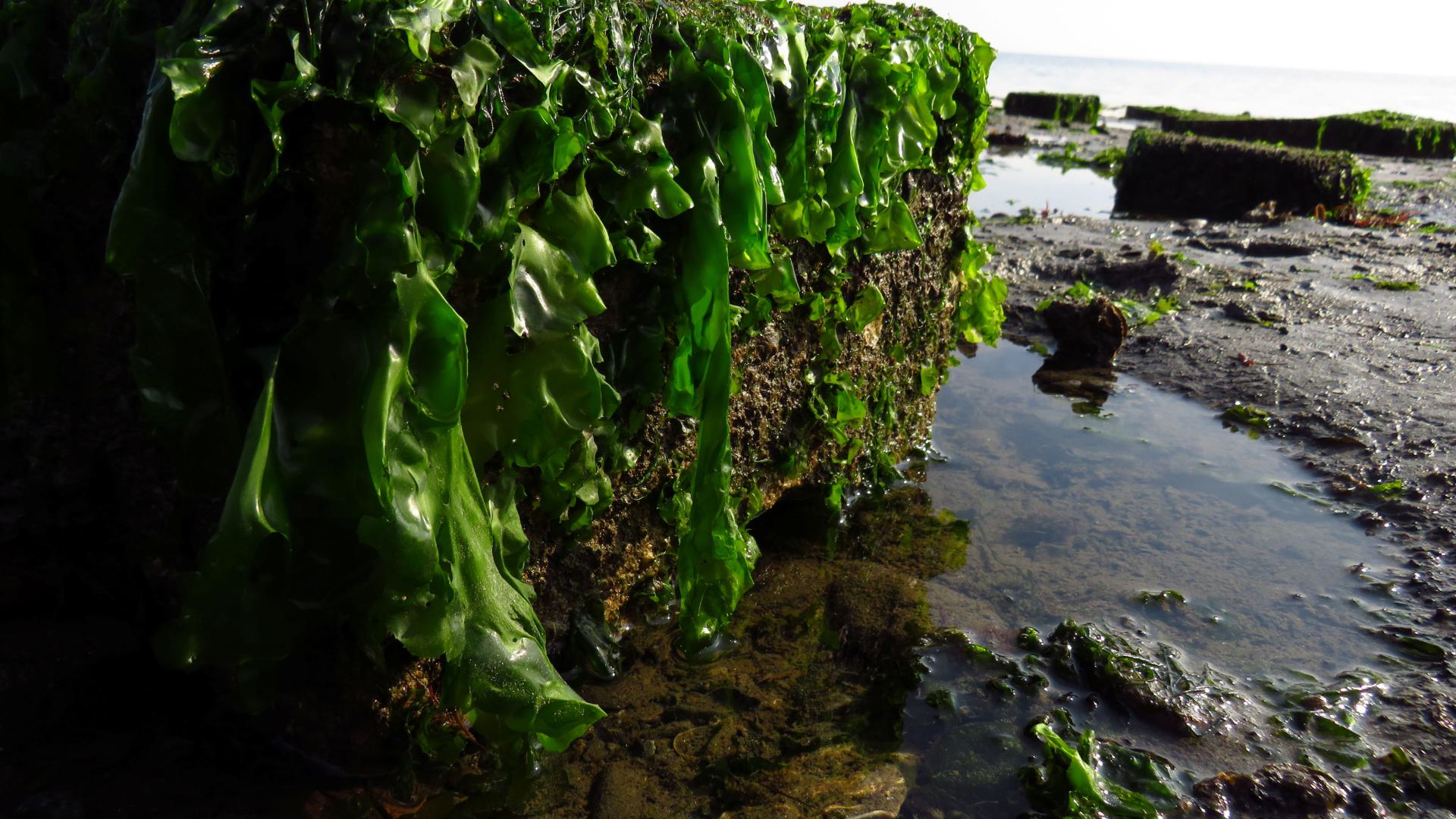
From City to Water: A Living Foundation is situated at the Diezebrug in ’s-Hertogenbosch, a unique location where the rivers Aa and Dommel converge before flowing into the Dieze. This meeting point forms an important ecological and cultural crossroads within the city, where urban life and natural processes interact on a daily basis. While bridges are traditionally viewed as purely functional structures that connect people and places, they also occupy valuable ecological space within aquatic environments. The waters surrounding the Diezebrug support a variety of species, yet the hard, smooth surfaces of conventional infrastructure often provide limited opportunities for aquatic organisms to settle and grow. This project challenges the idea that urban infrastructure should only fulfil a technical purpose. Instead, it explores how existing structures can become active contributors to ecological health. By transforming the bridge into a living element of the urban landscape, the project creates a visible and tangible connection between residents, the river and the biodiversity that exists beneath the water's surface.
Creating Living Habitats
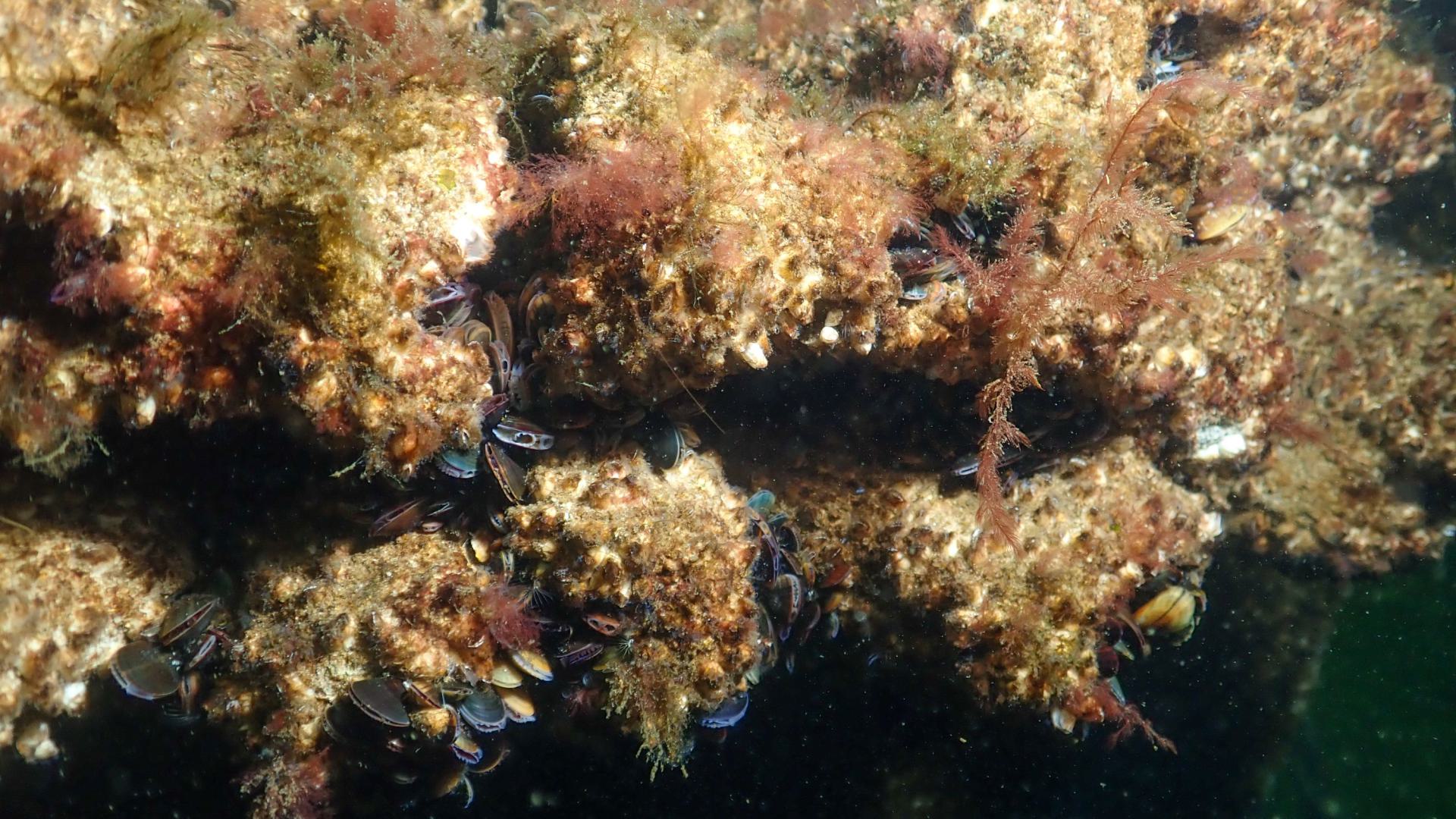
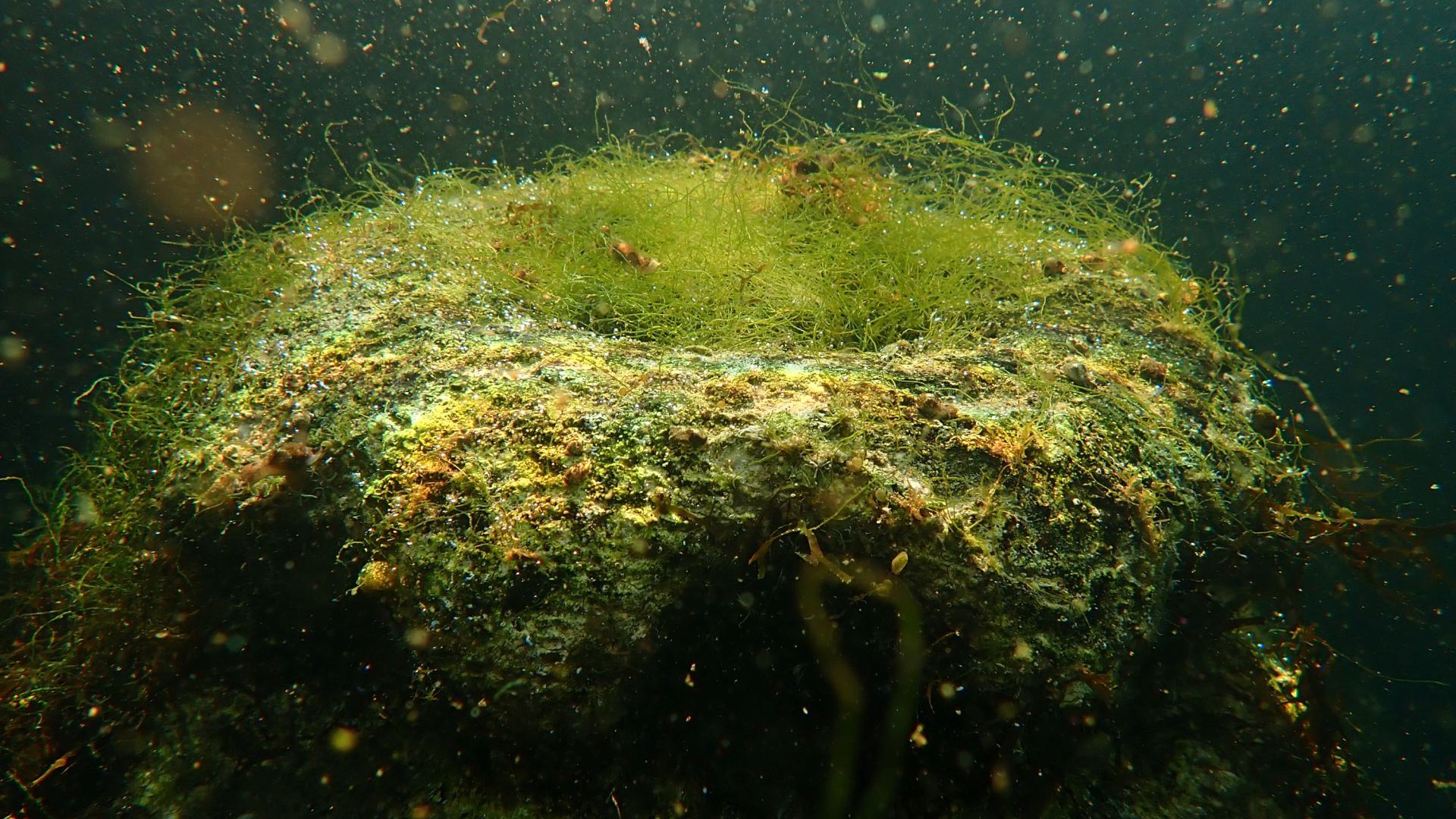
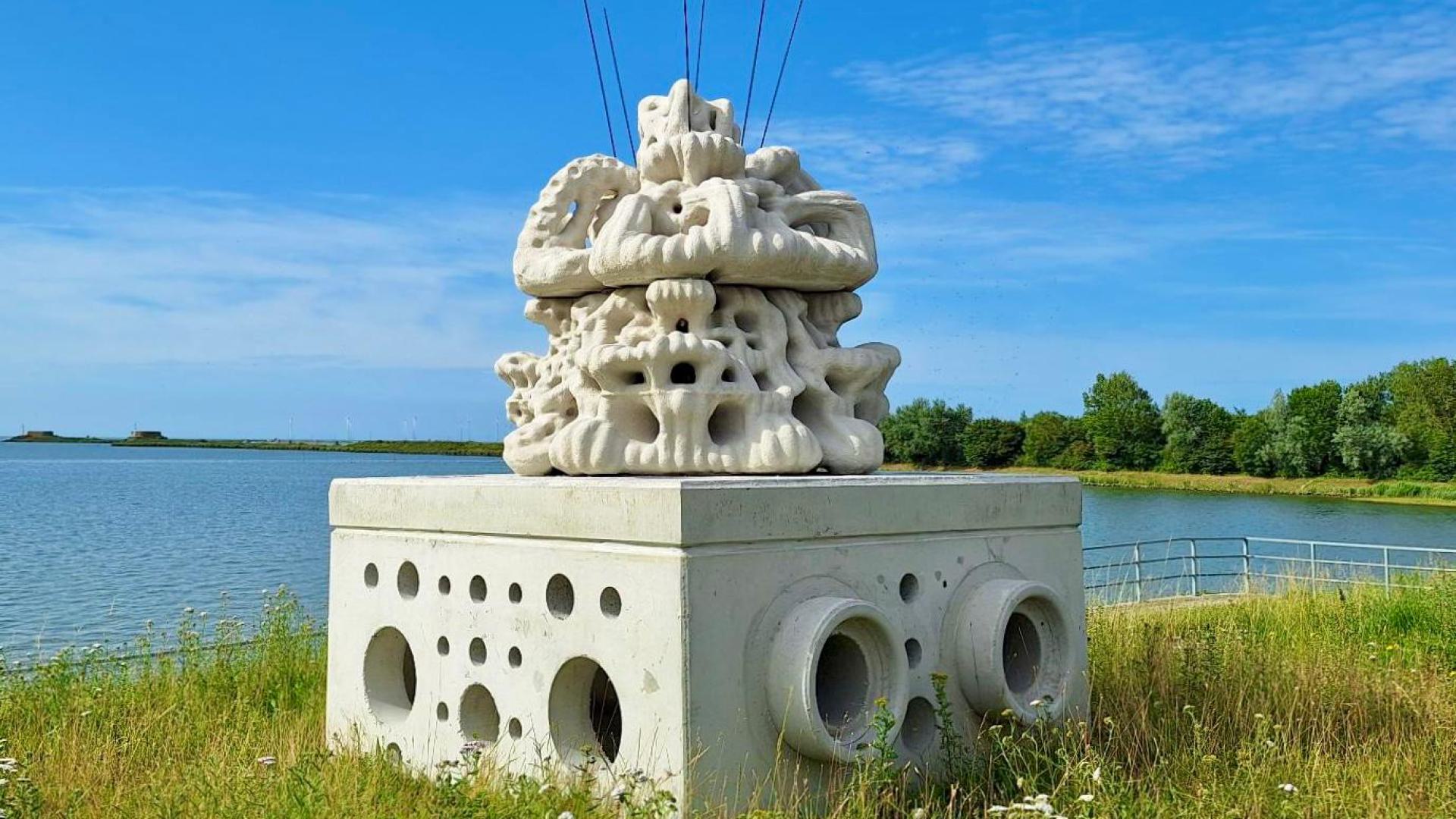
To bring this vision to life, Coastruction and Biobased Creations have developed a series of nature-inclusive structures that can be attached directly to the bridge piers. Inspired by the complexity found in natural rocky reefs and riverbank habitats, these structures introduce texture, shelter and ecological functionality to surfaces that would otherwise remain smooth and biologically poor. The design incorporates cavities, ledges and varied surface geometries that create favourable conditions for a wide range of aquatic species. Aquatic plants can establish themselves in the top areas, fish can use the structures as shelter from predators and strong currents, and invertebrates such as snails, mussels and aquatic insects can colonise the many microhabitats of the design. As organisms settle and grow, they further enrich the ecosystem, creating a self-reinforcing process of ecological development. The structures also help to diversify local flow conditions by reducing water velocity in certain areas and creating pockets of refuge within the river. Through this approach, the project demonstrates how relatively small interventions can generate meaningful ecological value.
Coastruction's Vision for Nature-Based Infrastructure
Coastruction is dedicated to redefining the relationship between infrastructure and nature. Using innovative powder-bed 3D printing technology, the company designs and manufactures site-specific nature-based solutions for marine, coastal and freshwater environments. Rather than applying a one-size-fits-all approach, every design is tailored to local environmental conditions, ecological objectives and engineering requirements. Drawing inspiration from natural ecosystems and biomimicry, Coastruction develops structures that not only perform a technical function but also actively support biodiversity, habitat creation and ecosystem resilience. The "HUB Bouw aan Morgen, van Materiaal tot Sociaal" project exemplifies this philosophy. By transforming a bridge foundation into living habitat, the project shows how infrastructure can become an ecological asset rather than a barrier between nature and constructions. It contributes to the broader vision of creating cities that function more like living systems, capable of improving environmental quality and strengthening resilience in the face of climate and urbanisation challenges.