Tackling Pollution, Restoring Dignity
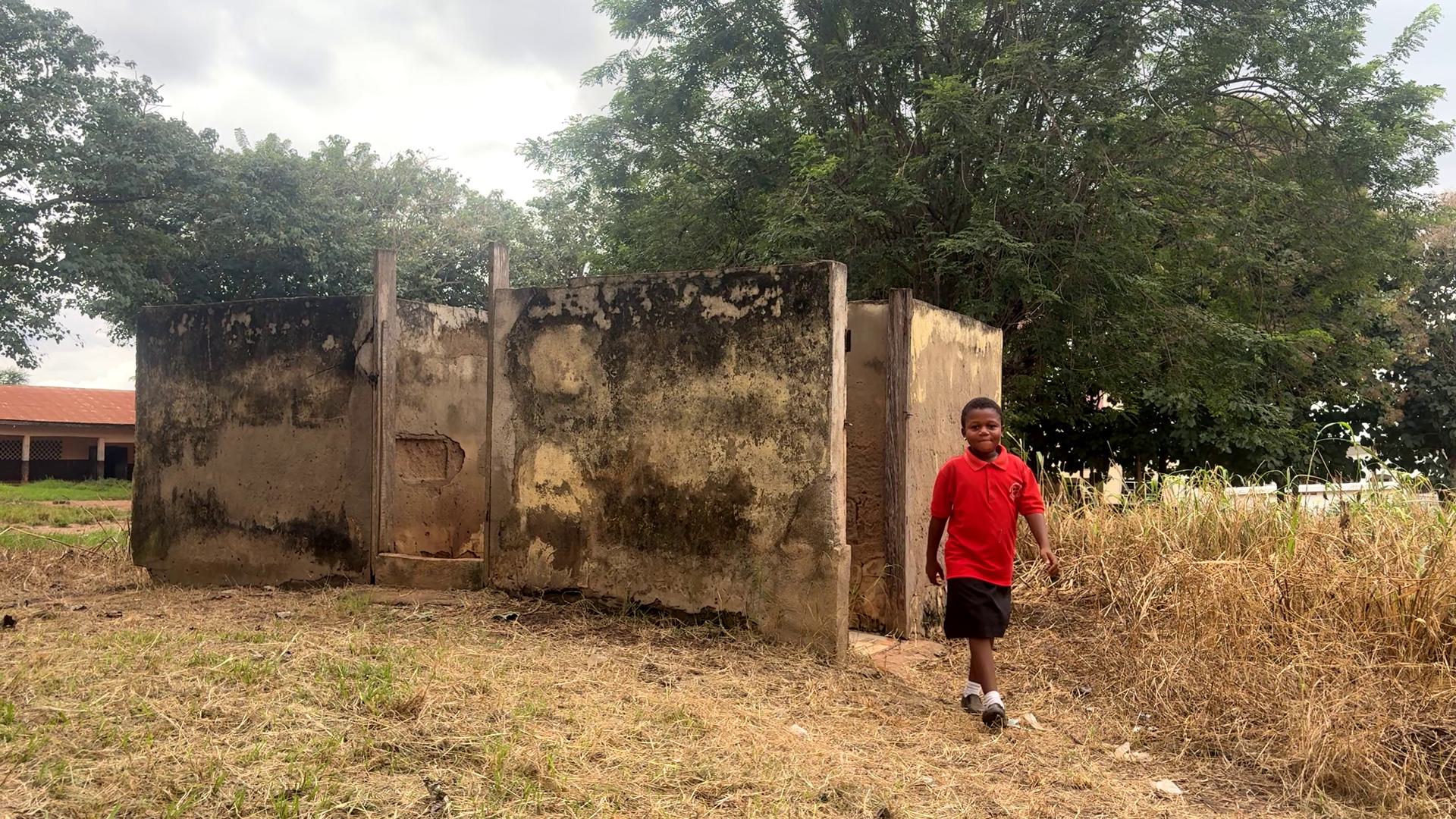
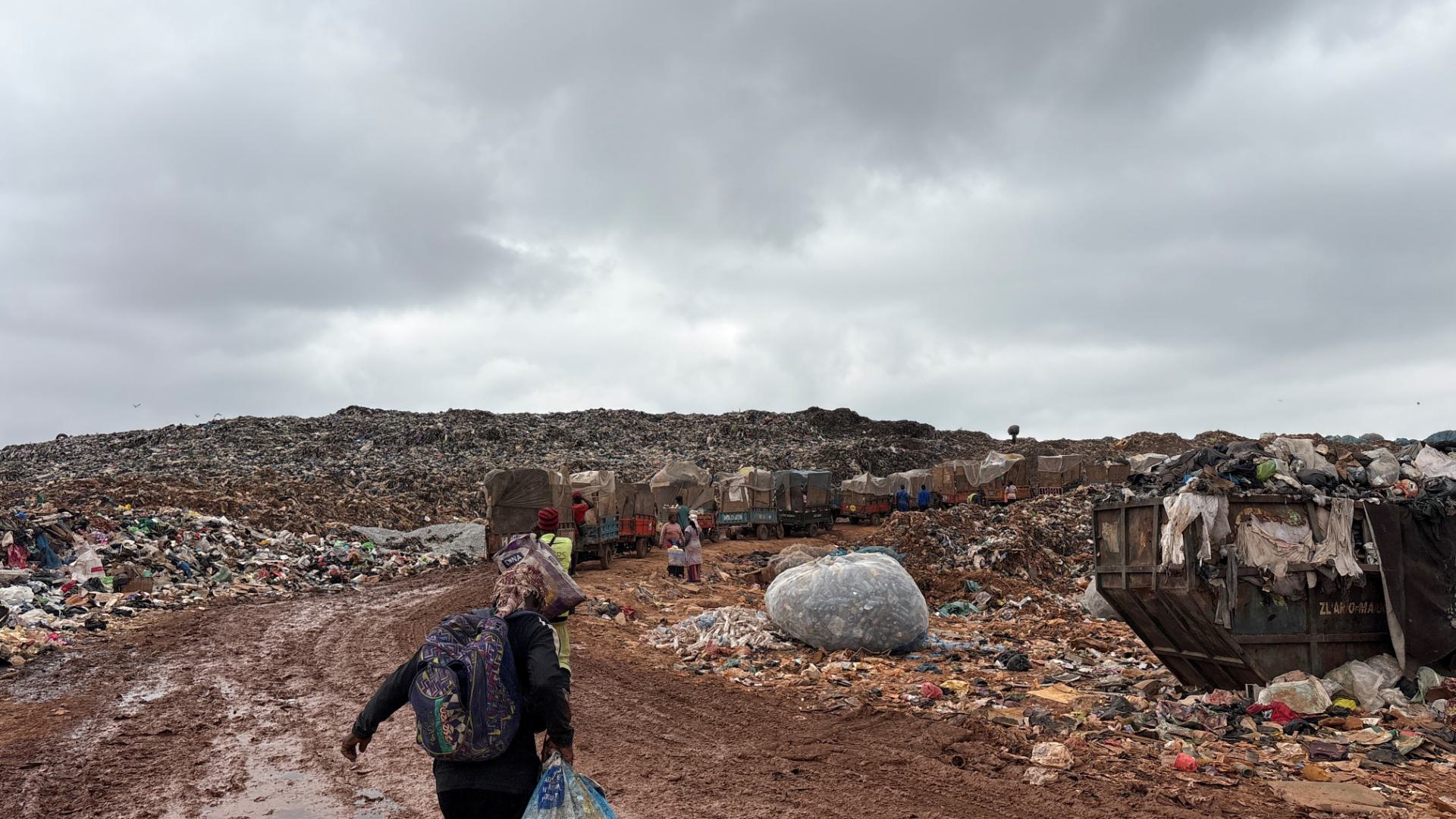
In Ghana, plastic waste has become part of the landscape, contaminating soils, increasing flood and health risks, and revealing wider inequalities in global material flows and local waste infrastructure. Yearly, 1.1 million tons of plastic waste are generated, yet only a small fraction is recycled. At the same time, many schools lack safe, dignified sanitation facilities. Inadequate toilets and insufficient menstrual hygiene support disproportionately affect girls by undermining their health, safety, and attendance.
The Waste to Infrastructure Solution
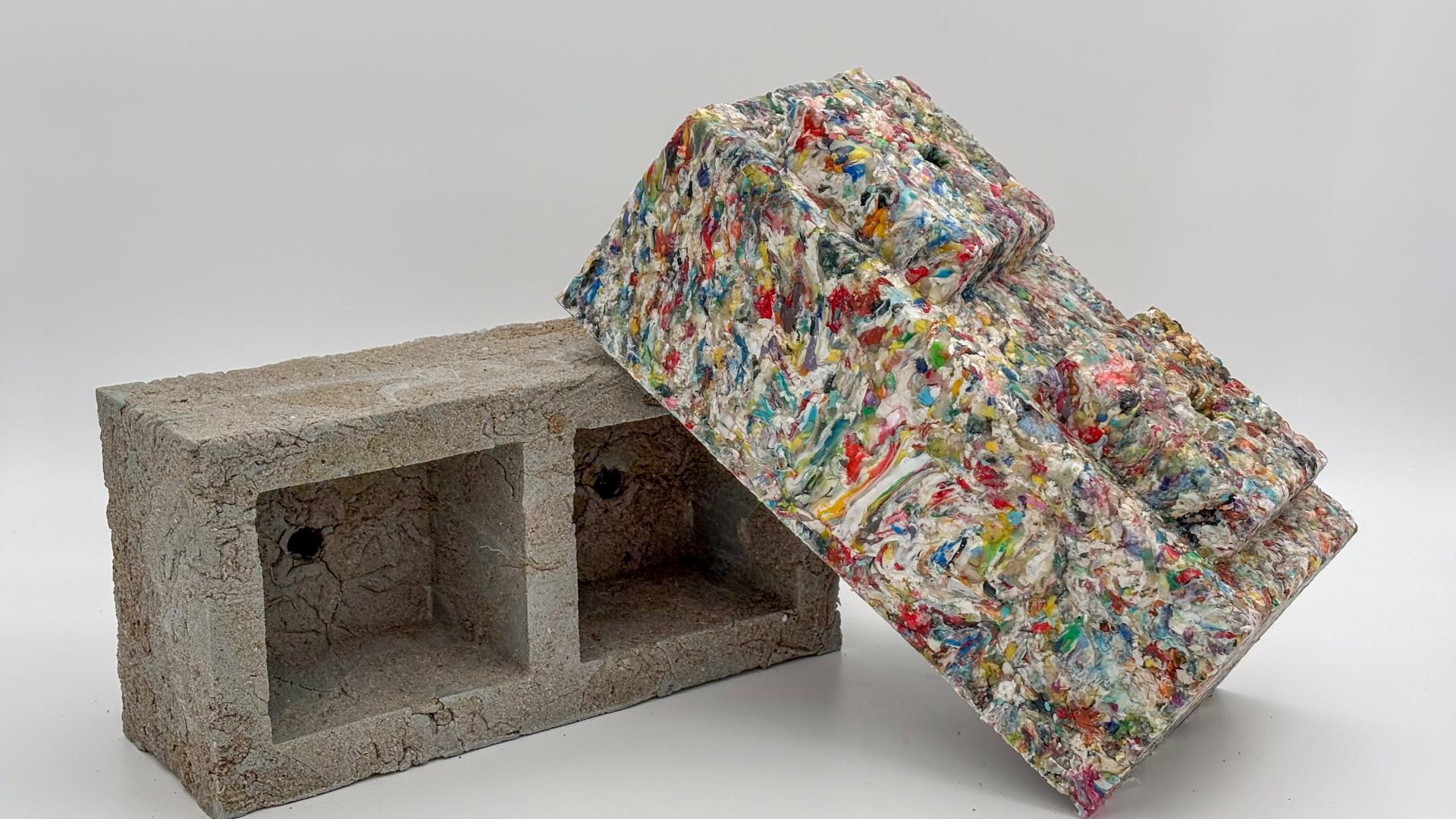
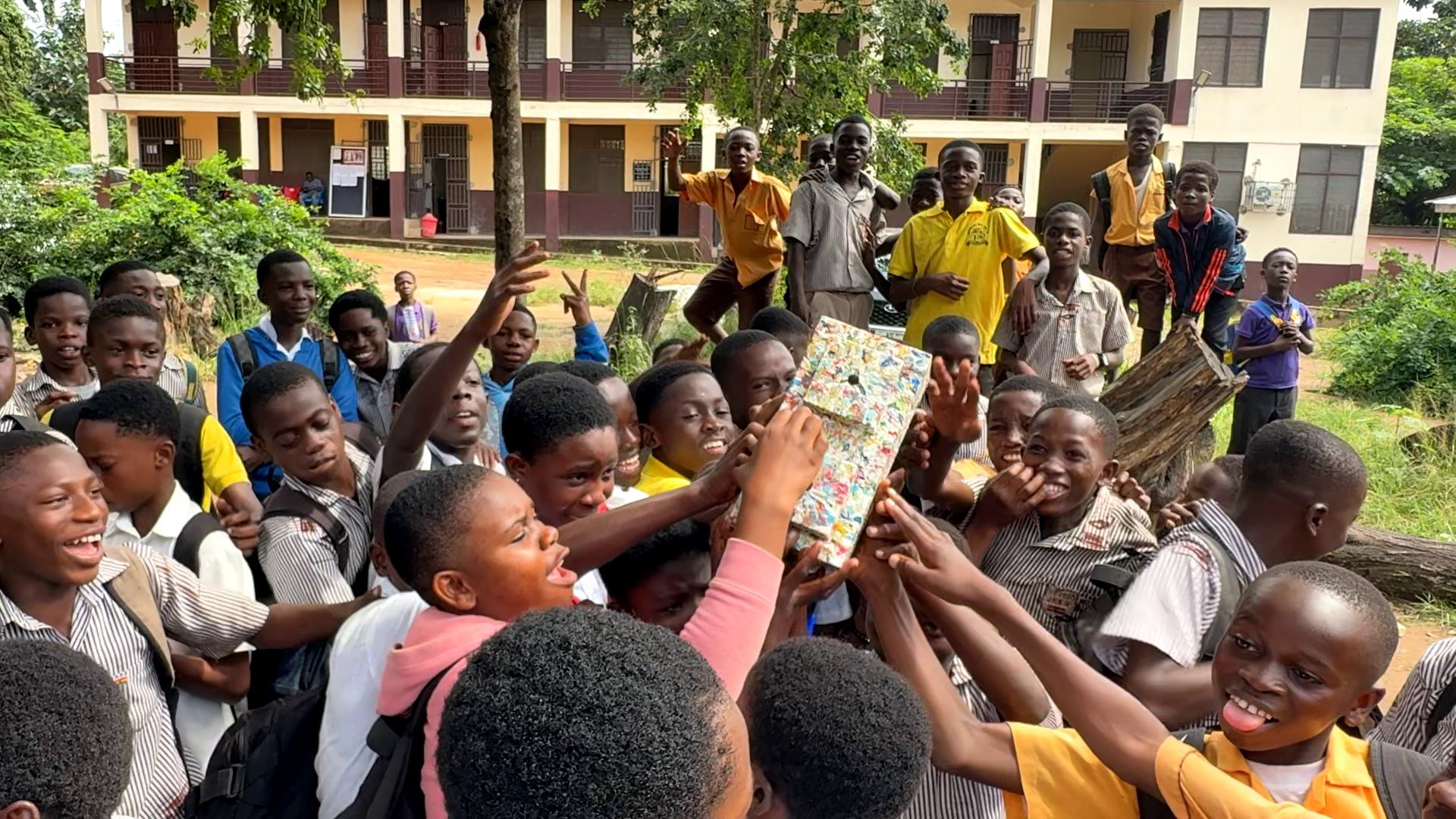
Waste to Infrastructure responds to these interconnected environmental and social challenges by transforming plastic waste into value: low-cost interlocking plastic bricks to build school washrooms. Developed in close collaboration with Engineers Without Borders NL, TrashSmart Ghana, local communities, schools, and experts, the project ensures a solution tailored to the local context. Co-design sessions with schools helped clarify specific needs, while local builders actively assisted in designing washrooms that best serve the students.
Local Production and Engineering
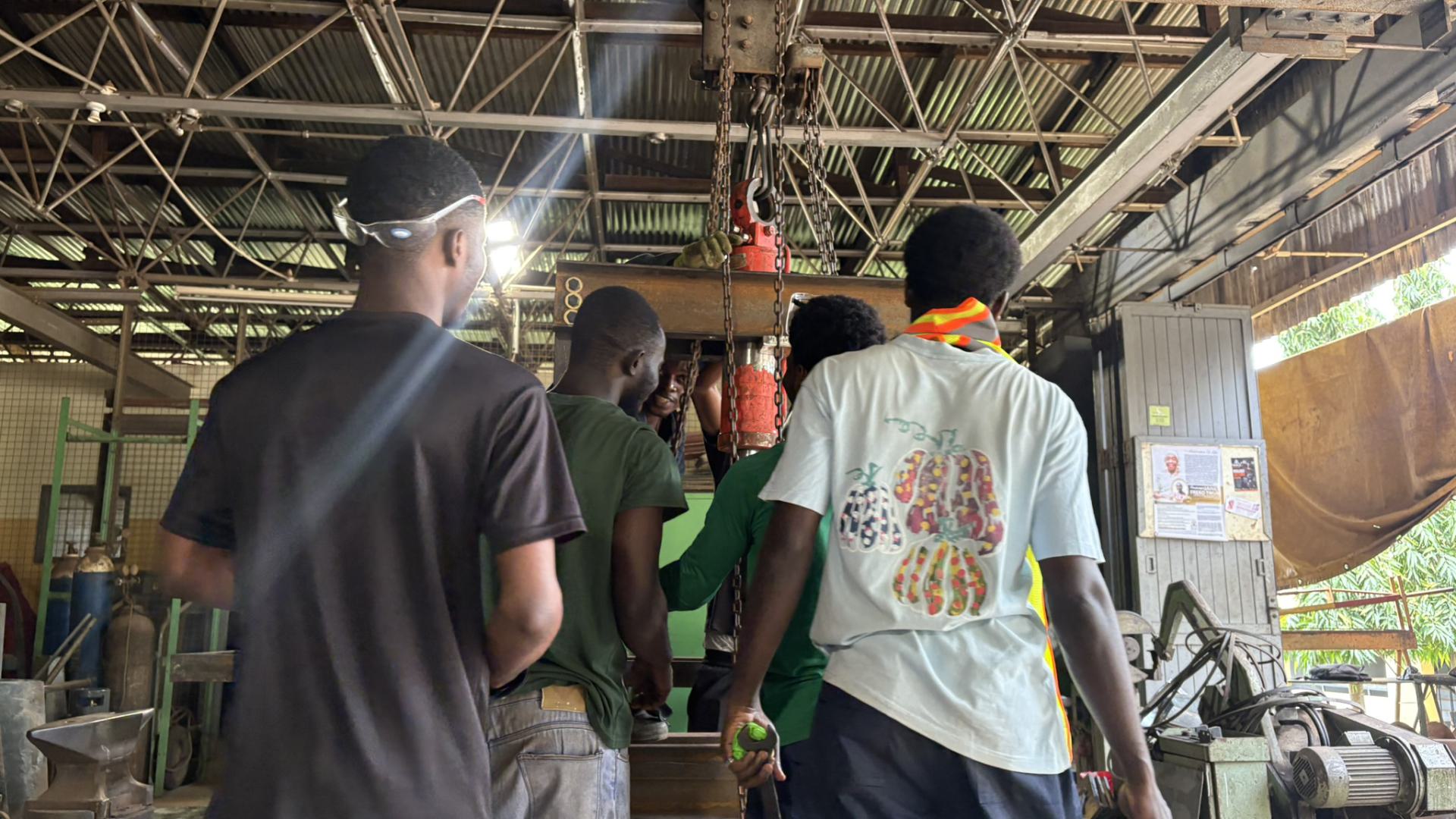
The interlocking bricks are manufactured inside shipping-container factories using accessible, low-tech machinery. Cleaned plastic waste is shredded into flakes and mixed with sand in an extruder to melt and blend the material. This molten mixture is then transferred to a hydraulic press and moulded into sturdy bricks that assemble like giant Lego blocks. Designed alongside local artisans and engineers, the system matches regional capabilities so machinery can be built and maintained locally, while the design reflects material research into the plastic-sand mix, construction requirements, and production limitations.