But what if plastic waste could become a shared resource?
Less than 50% of Indonesia’s plastic waste is collected, while only an estimated 10% is recycled. Much of the plastic that is collected is not separated at the source, reducing its value as a recyclable material.
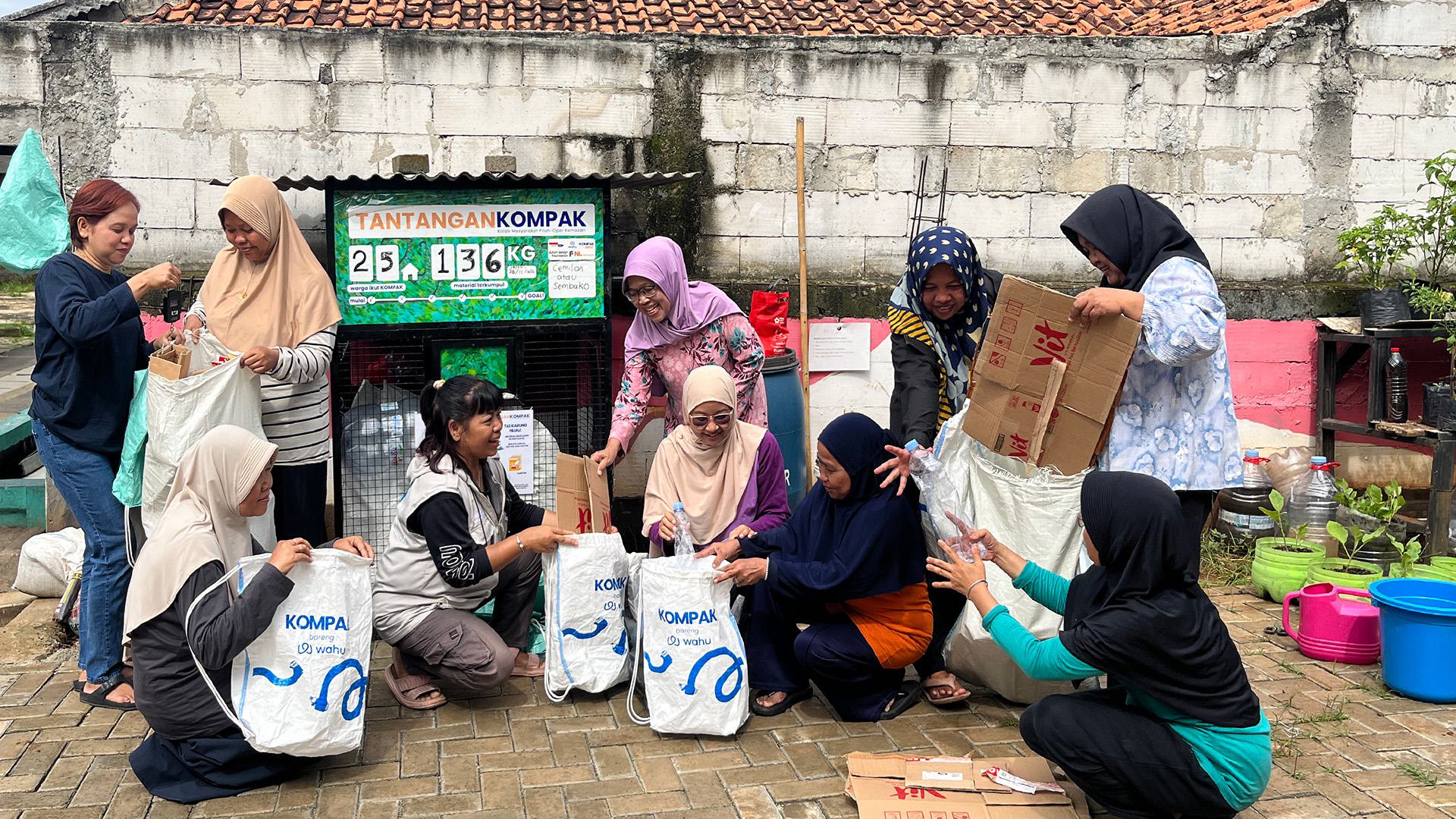
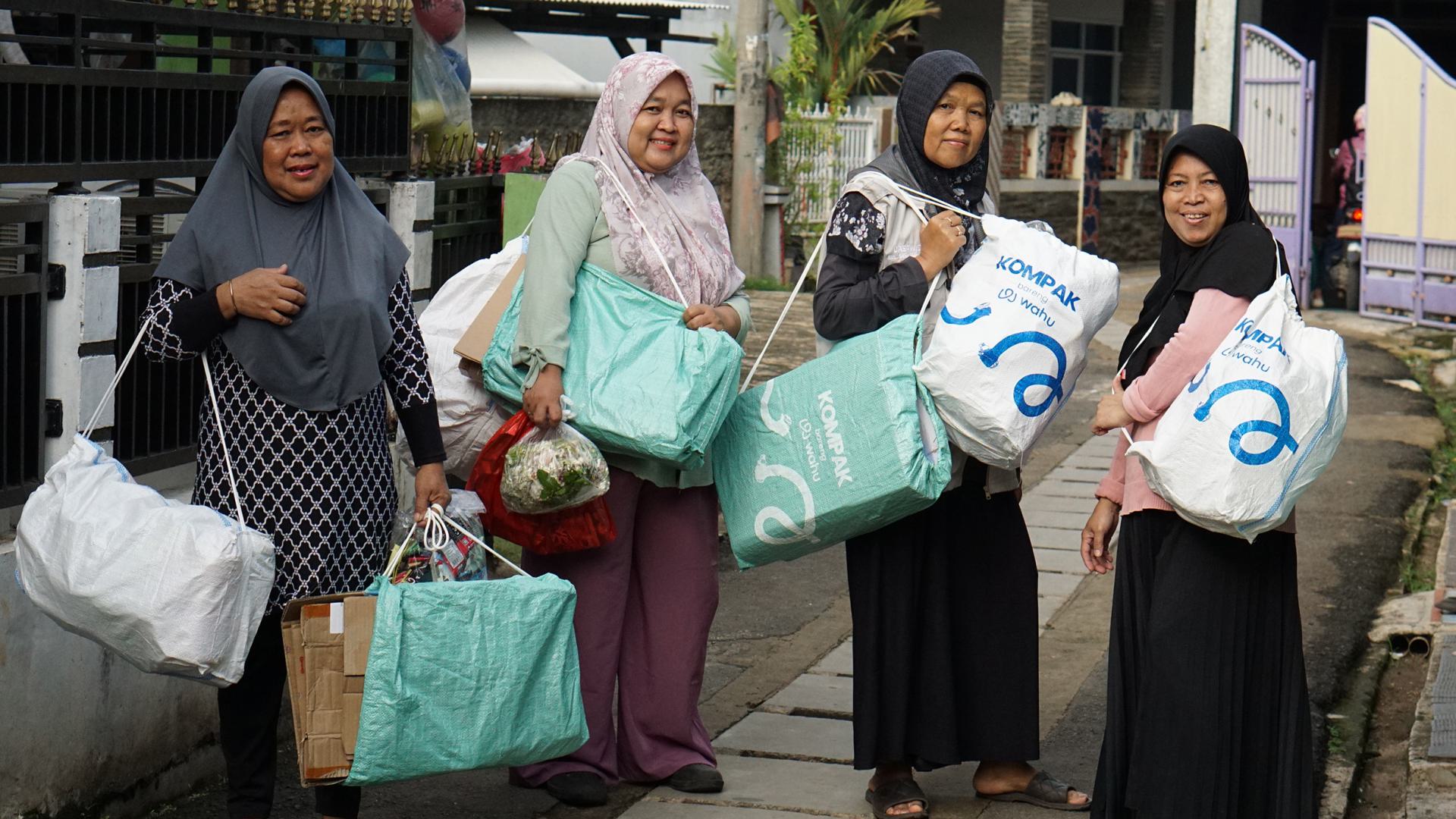
In Jakarta, Dutch and Indonesian designers worked with local communities and recycling start-up Wahu to explore a neighbourhood-scale approach to plastic collection. Together, they developed a system in which residents separate and collect plastic at the source. Instead of receiving an individual reward, the community saves the proceeds towards a shared goal that residents choose together.
The project asks whether recycling can become more than an individual responsibility: can it become a collective practice?
Making that shift requires more than designing a better bin. It means designing the system around it: where plastic goes, how it is collected, how its value is returned to the community, and how separating waste can become an easy and meaningful part of everyday life.
Connecting Jakarta and Eindhoven through waste
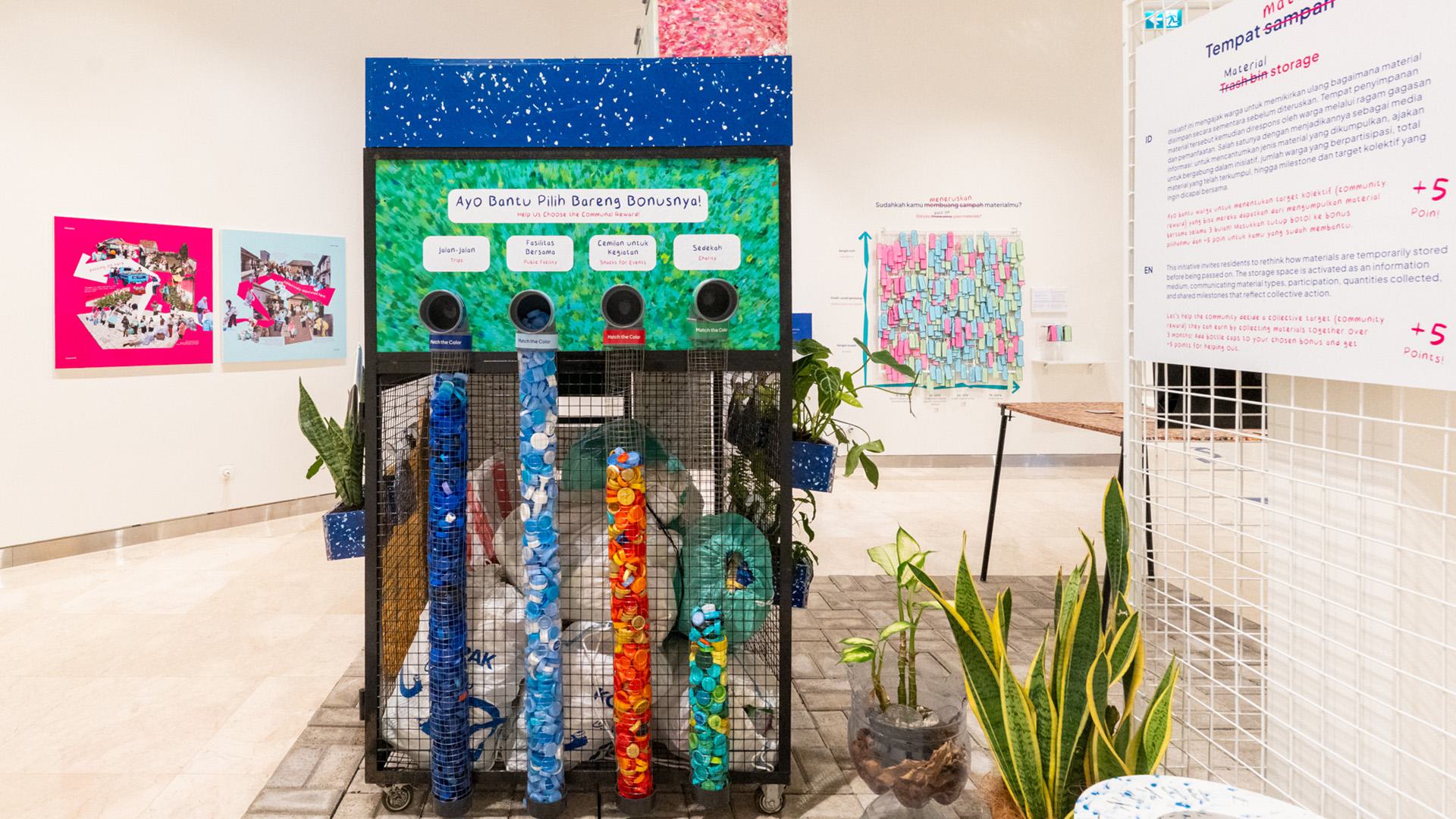
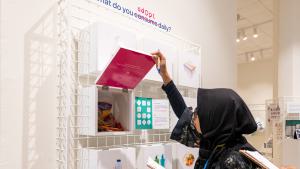
At Dutch Design Week, Bukan Tentang Sampah brings this system from Jakarta to Eindhoven. The exhibition presents the physical collection points developed by the team, but focuses on the underlying relationships and behaviours they are designed to enable.
A live connection with the project’s neighbourhood collection point in Jakarta shows the system operating in real time. This Dropbox functions not only as a place to collect plastic, but also as a communication tool and a visible symbol of the shared effort.
Connecting Jakarta and Eindhoven, Bukan Tentang Sampah explores a broader role for design and intercultural collaboration in the transition towards a circular society. Because designing a recycling system is not only about designing where waste goes. It is about designing the relationships, incentives and behaviours that give materials value.