More-than-human agencies
Objects and design: people like to shape the world to their own liking. But design is more than just a ‘collectable’ handbag. Objects possess enormous agency. This capacity for action influences people’s behaviour more than we (want to) realise. Things, whether biotic (animals, plants, ecosystems) or inanimate (objects, museum pieces, heritage), communicate with us – poor, deaf souls that we are – in all sorts of ways.
How can we better tune our antennae to what the things around us are trying to tell us, through both loud and subtle signals?
The perplexity of things
One way of doing greater justice to things and giving them a voice that we can hear (more clearly) is through the Parliament of Things. In this concept, developed by the French philosopher Bruno Latour, non-human actors are given a voice, articulated by human spokespersons who delve into the ‘perplexity’ of a specific thing. By this we mean not only the many dimensions and aspects of a thing, but also the ways in which things astonish us, leave us dumbfounded or, in other words, perplexed.
This is certainly not just about innocent matters and safe stories: controversial heritage such as the history of slavery (people as things) or the erosion of biodiversity and climate change are also addressed, though always from the perspective of the things themselves.
Engaging in active dialogue with objects
The masterclass teaches you how different voices can engage in dialogue with one another. It explores democratic renewal as a form of social design aimed at achieving more equitable representation.
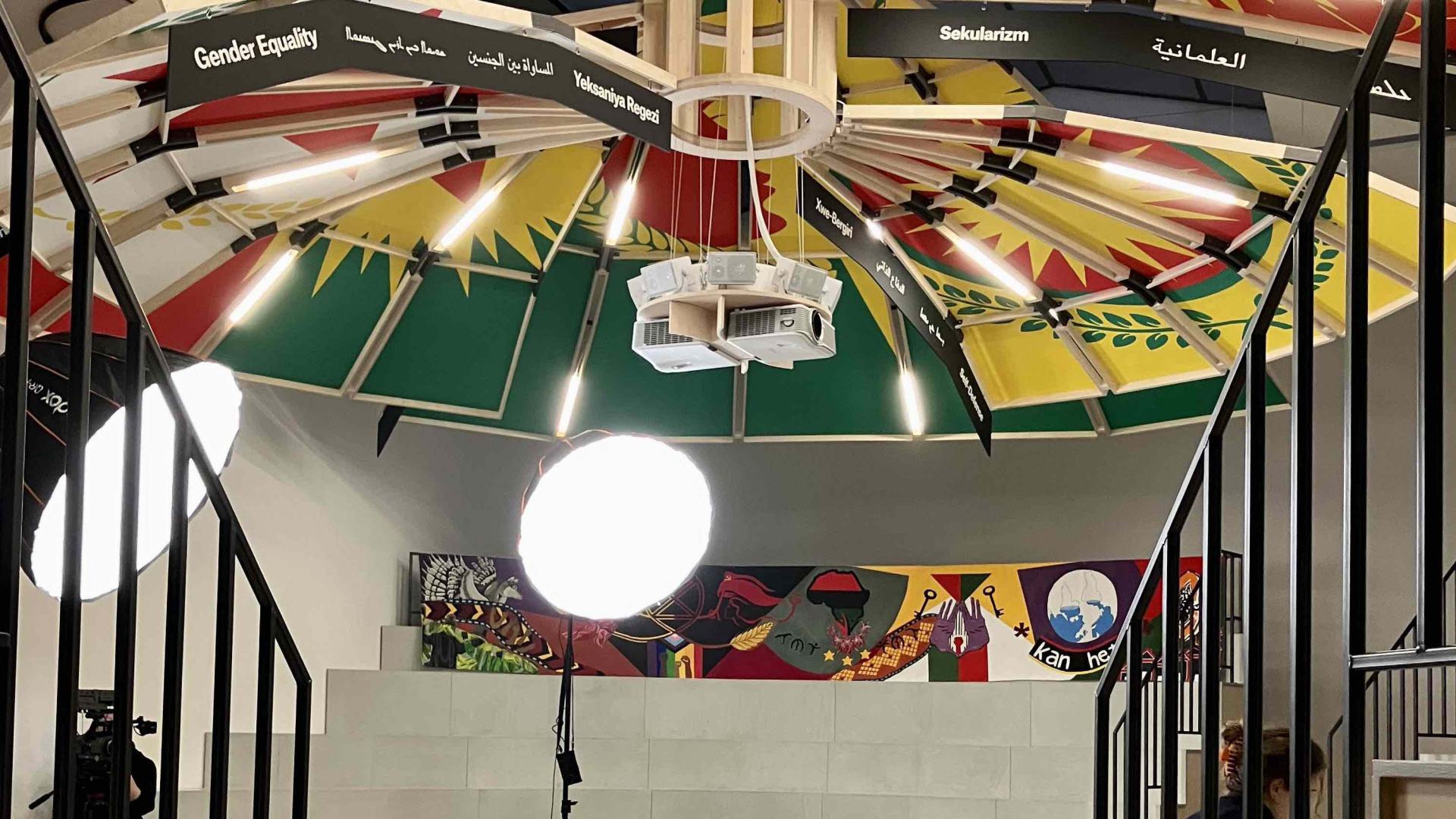
The setting is an artistic installation of a parliament in the basement of the Van Abbemuseum. Visitors can actively participate as spokespersons after selecting an item from a display of museum objects. Spectators are also welcome in the parliament’s public gallery.
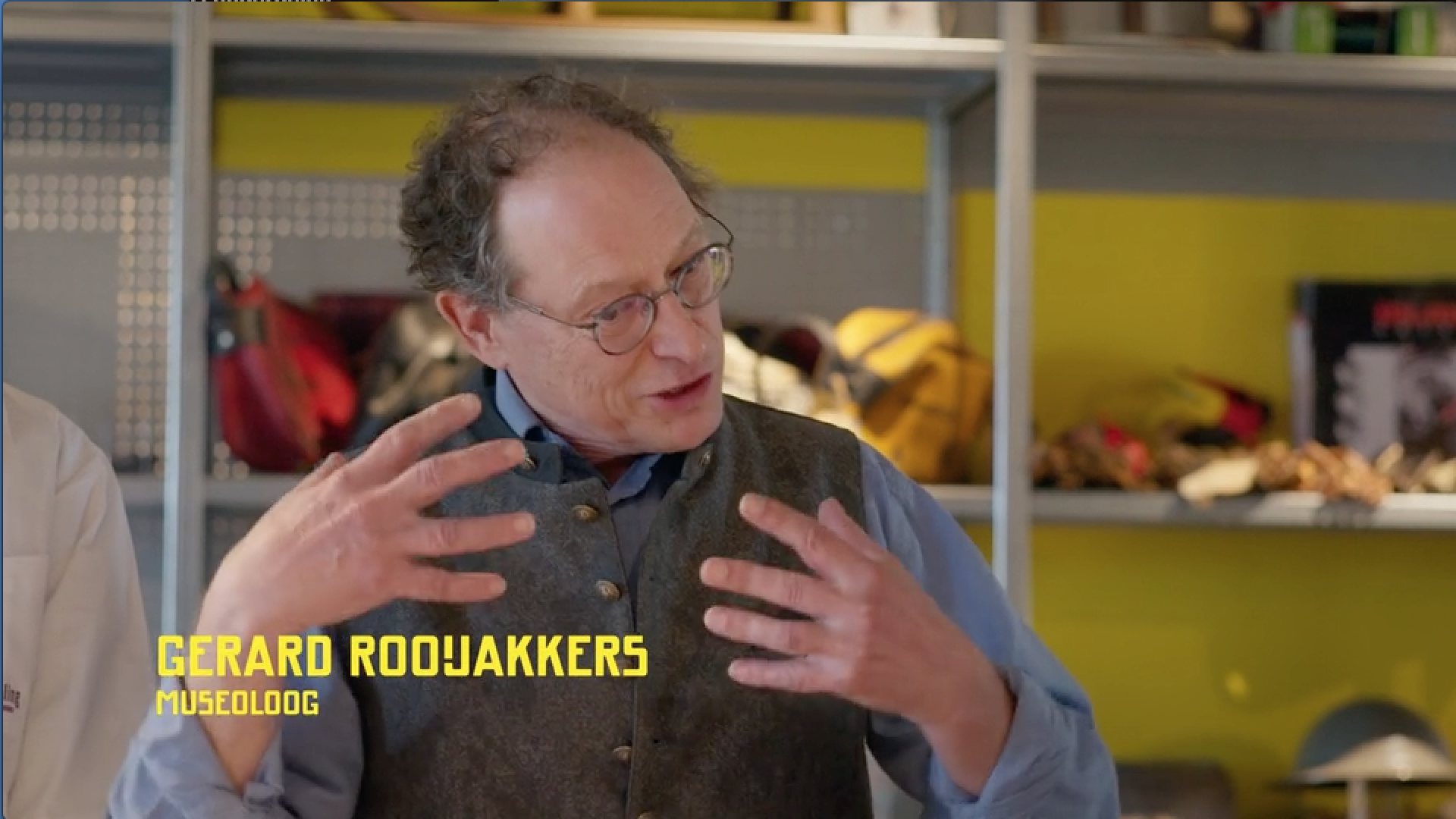
The starting point is the region’s UNESCO Intangible Cultural Heritage. Following an introduction by Gerard Rooijakkers, who will also act as arbitrator for this mock parliament, participants will delve into the materiality and perplexity of their chosen object through an initial exploratory round of proposals. Afterwards, the objects will engage in dialogue with one another.