Toilets available
 Partially wheelchair accessible
 Wheelchair friendly toilet available
Social and Spatial Strategies
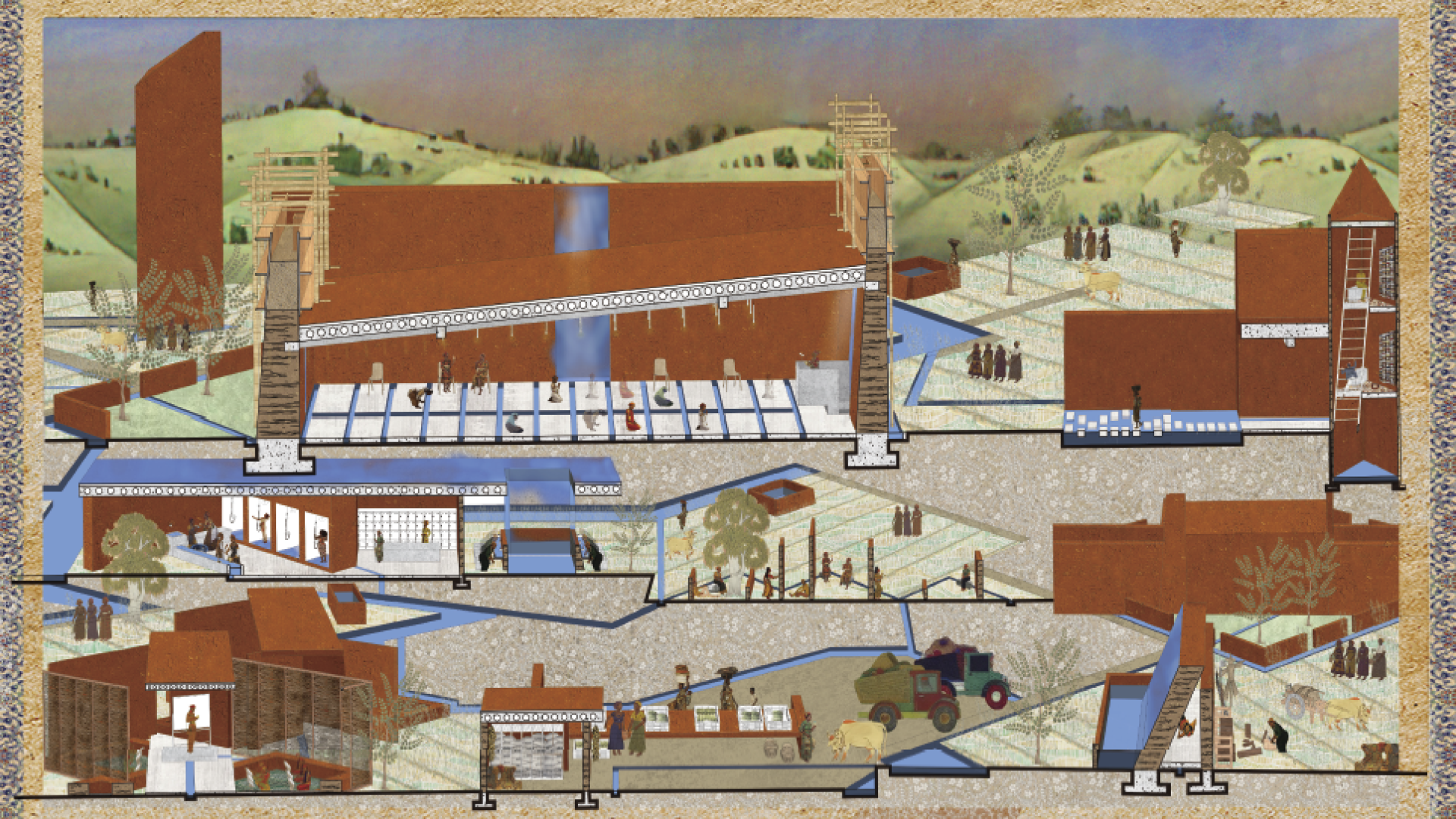
The project challenges the male-dominated hierarchy of traditional mosque typologies by overlaying an orthogonal grid aligned to Mecca upon the marginalized ‘forgotten spaces.’ Positioned next to farmland, the design supports the religious and communal life of female laborers by providing prayer halls, classrooms, and gathering areas. This female-centered spatial network functions as a new type of ‘agora,’ where knowledge-sharing, skills training, and collective empowerment take place. Drawing on the framework of critical regionalism, the design aims to reconfigure gendered spatial dynamics and offer women a tangible platform to renegotiate their socio-religious roles.
Environmental and Material Strategies
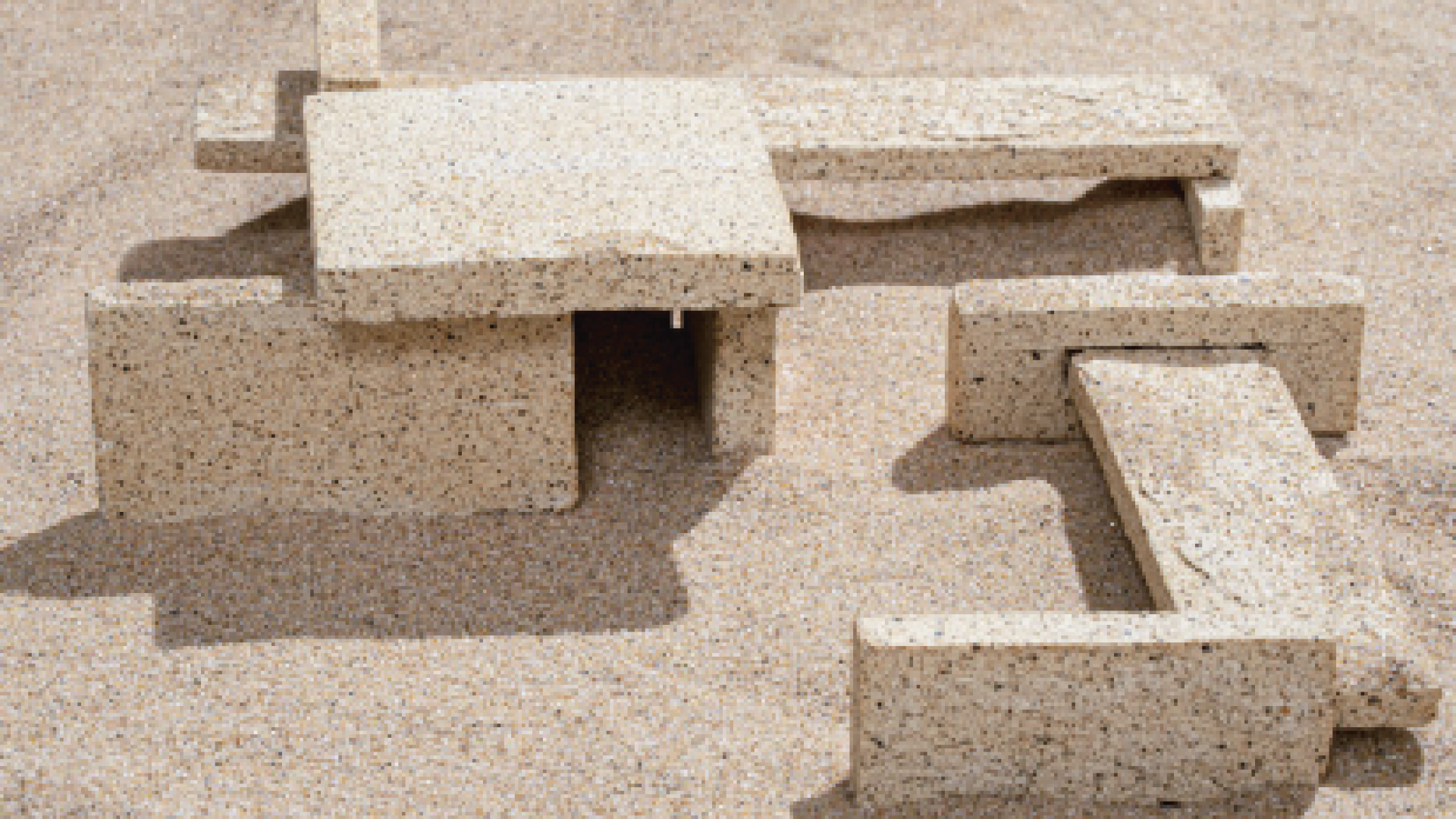
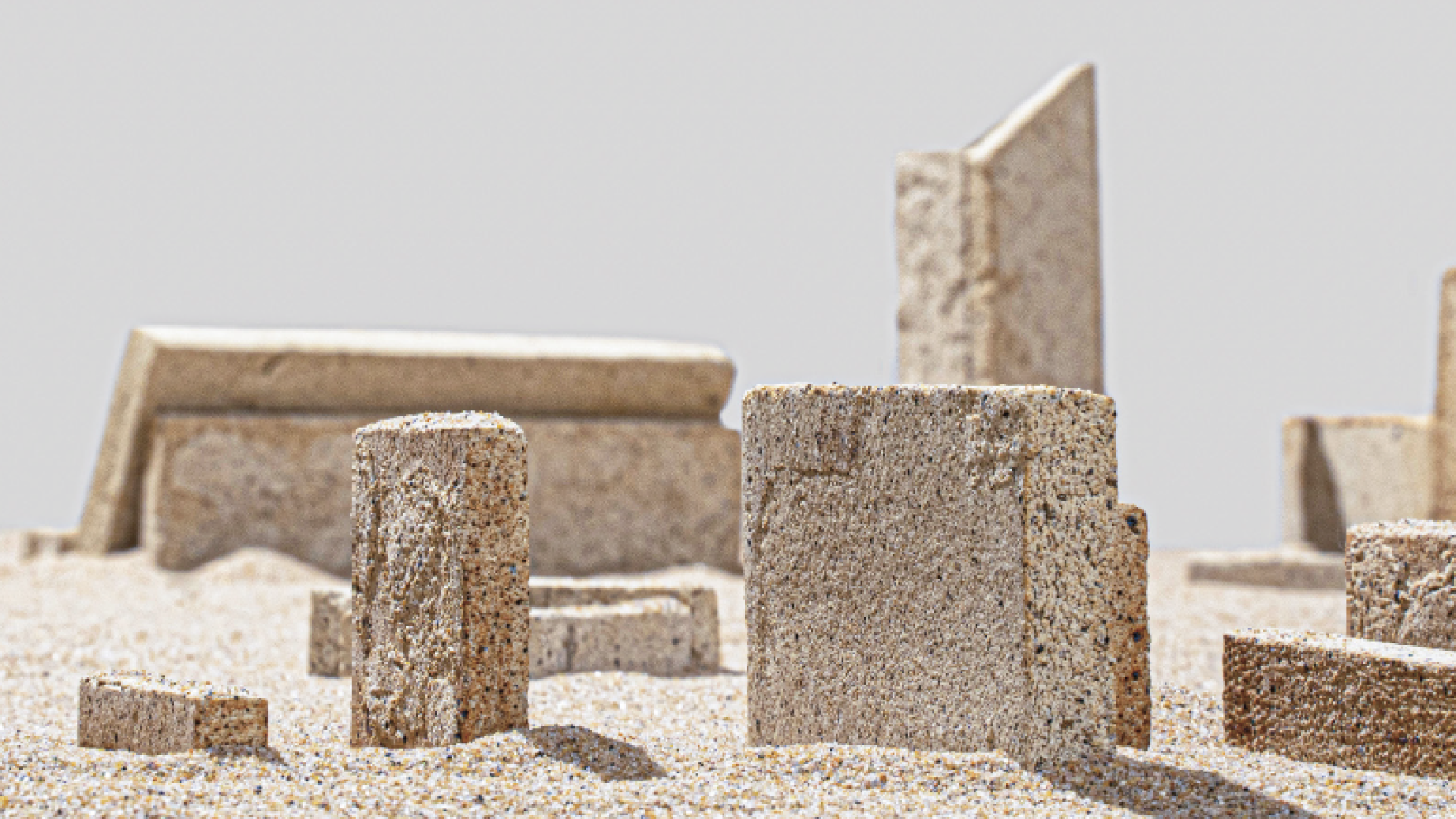
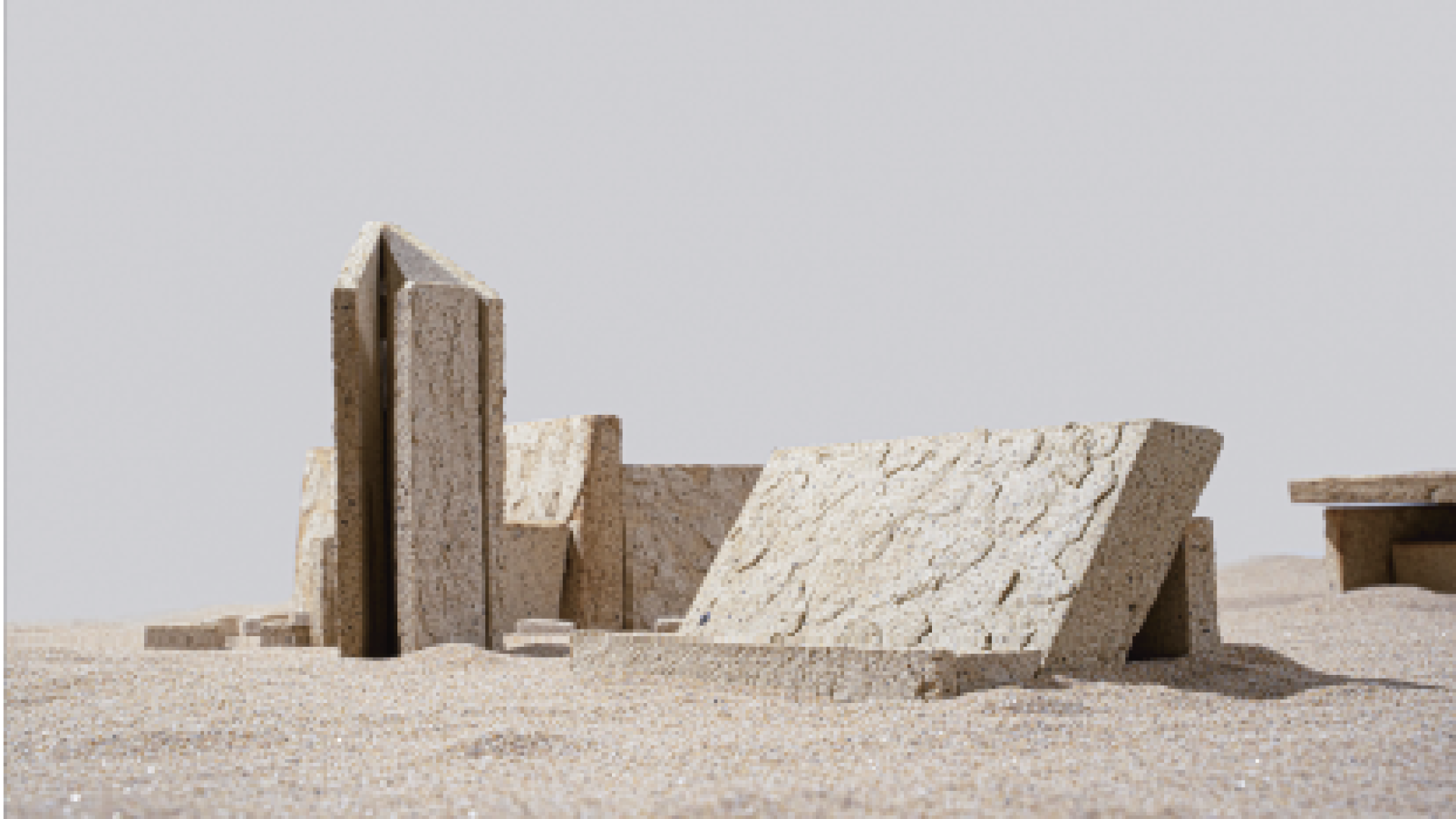
Technically, the project emphasizes the integration of local resources and passive environmental responsiveness. Building orientation and strategically arranged openings maximize natural ventilation, while deep overhangs control solar radiation and heat gain, reducing reliance on mechanical cooling systems. Rammed earth and other locally available ecological resources are prioritized for their low embodied energy, minimal transport costs, and reduced carbon emissions. Beyond their environmental benefits, these materials establish a replicable, low-cost construction model that reinforces both sustainability and community self-sufficiency.