During our five-day design research program, Less Hope, More Action! we will have dialogues about actionable design research projects of 4TU that tackle the societal challenges of today.
Living Environment
The Living Environment refers to the spaces and places that people create, interact with and transition through in their daily lives. Designers bring a unique perspective to what a living environment is and what it can be. Some designers focus on crafting materials to build or modify these environments, while others aim to enhance the ways people experience and interact within and between these spaces. Living Environments can sometimes be healing, temporary or transitional, like hospitals, residential care or support services. Such spaces require careful design taking note that the interaction, movement and transformation happen during the action rather than solely focusing on the outcome. By purposefully designing these interactions, capacities, and transitions, we can support individual capacities and strengthen our society.
Dialogue Session
During this Dialogues session, in which we welcome our special guest Tommy Wieringa, we will take a walk to explore this concept of living environment through showcasing projects, discussions and creating a symbol of hope.
We will make a tour along various design research projects. At the first stop the participants are invited to explore the natural environment through reflection questions for instance through the Designing for Symbiosis project. At the next stop we will focus on materials for living environments and at the third stop, we will reflect on how it feels to move around. Through the project Making Motion we can explore what happens during the action of motion, movement and transition. At the last stop, participants will focus on difficult transitions between environments. Participants will then be invited to make a small artefact and craft a message for hope for such individuals. We will wrap up the session with a short facilitated discussion.
Programme
9.15 Walk in
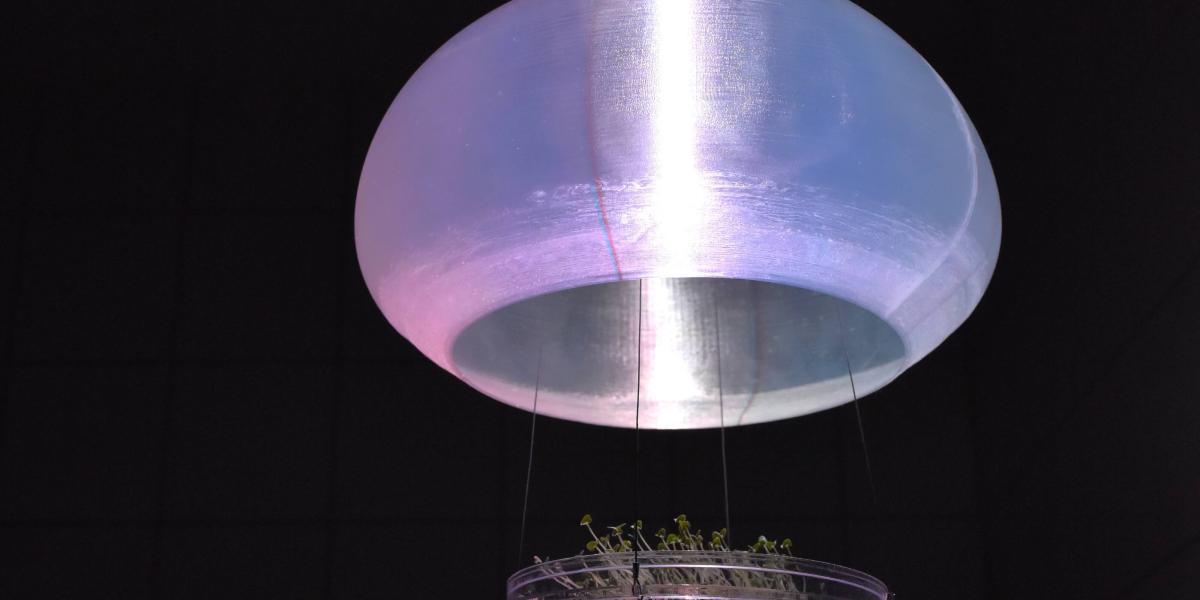
9.30 Welcome and a physical tour along projects that explore the natural environment though reflection questions: The capacitating non-human elements in design, LEAFE, Designing Everyday Interactions with Plants, and projects that focus on materials for living environments: Foorm and Controlling Roughness
10:45 Keynote by Tommy Wieringa, author of the essay: "Optimisme zonder hoop" (Optimism without hope)
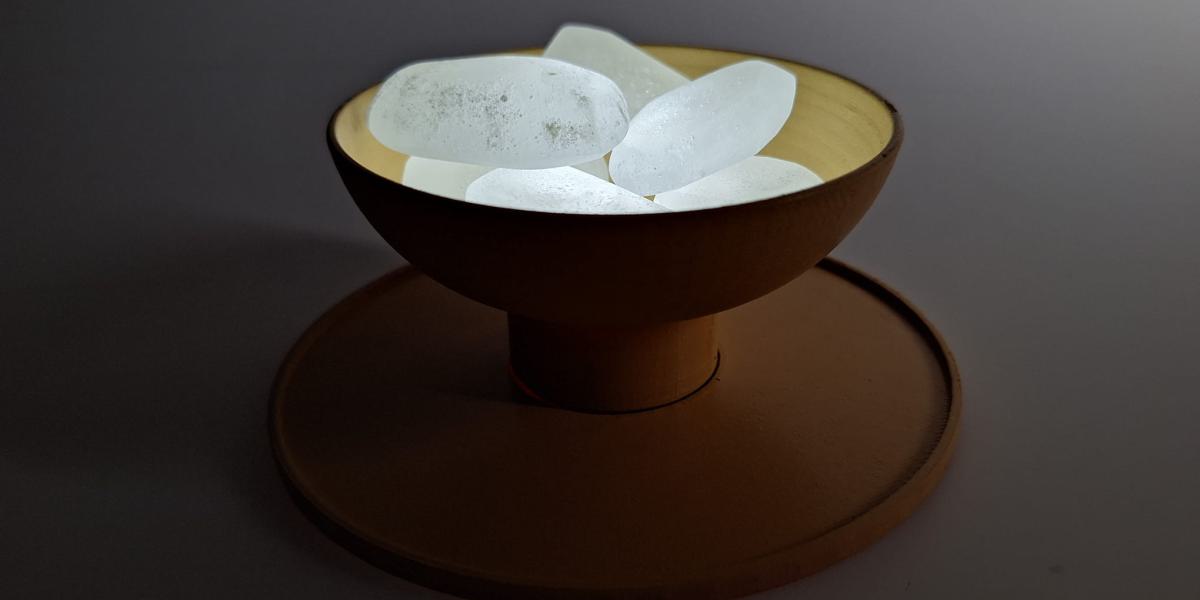
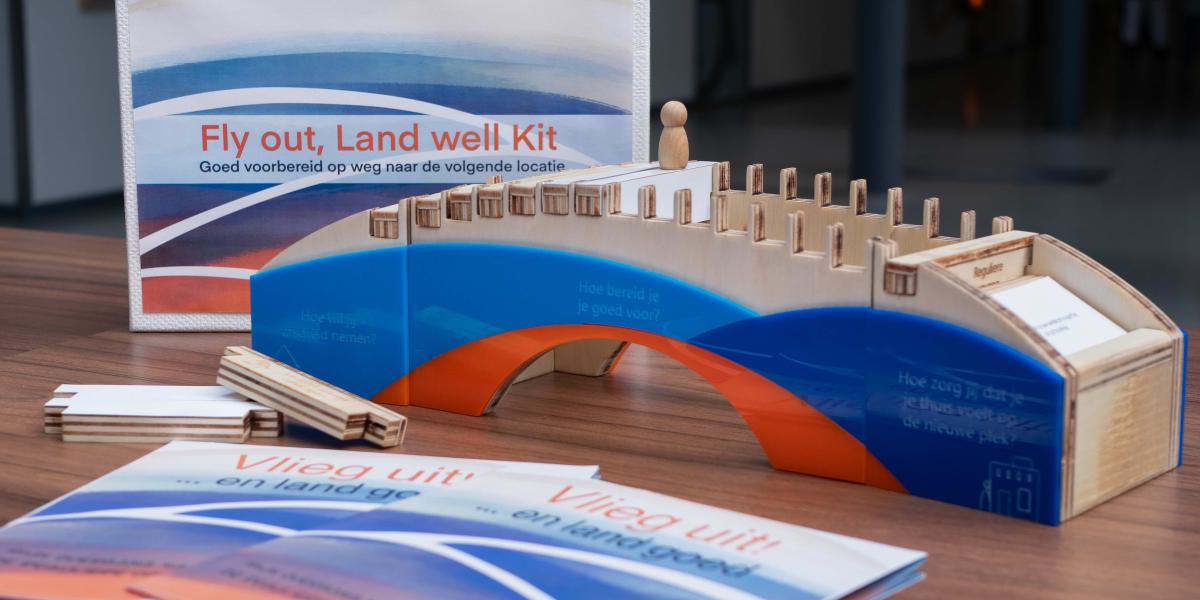
11.15 A tour along projects that focus on how it feels to move around: Making Motion and projects that focus on difficult transitions between environments: Serenity Bowl and Fly out; creating a take away artefact
12.30 Wrap up and lunch