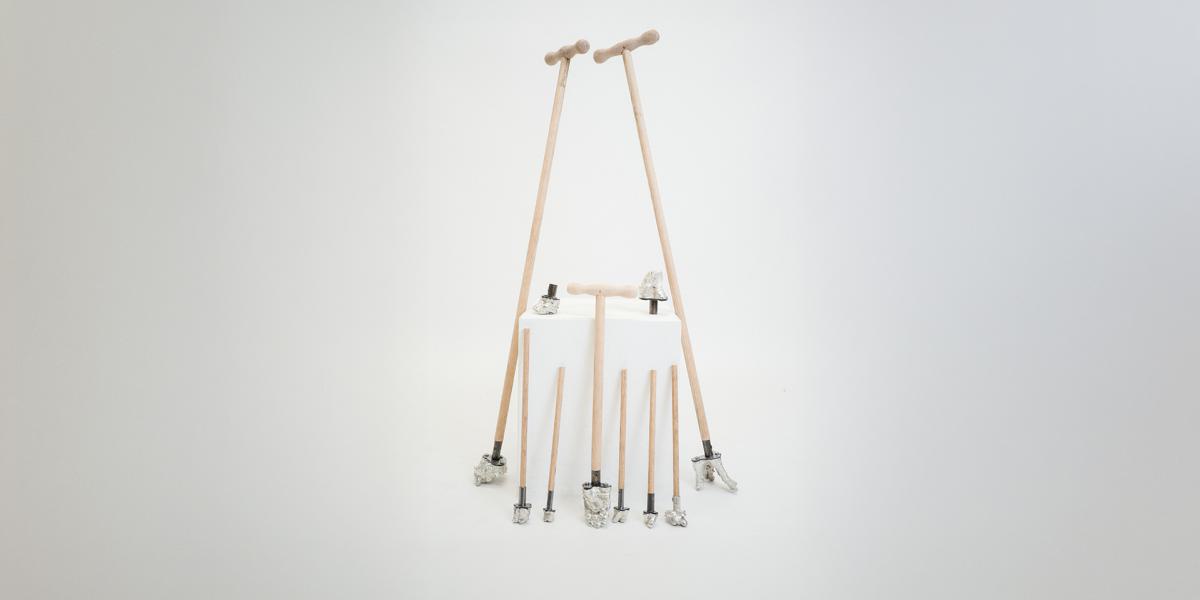
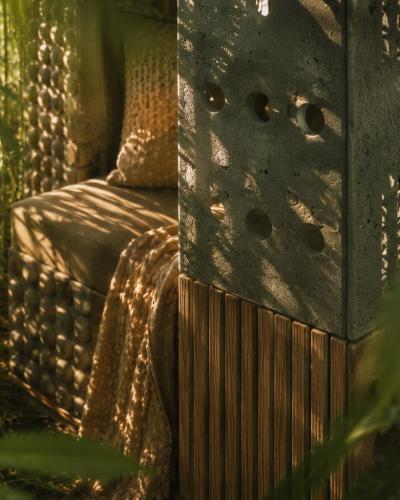
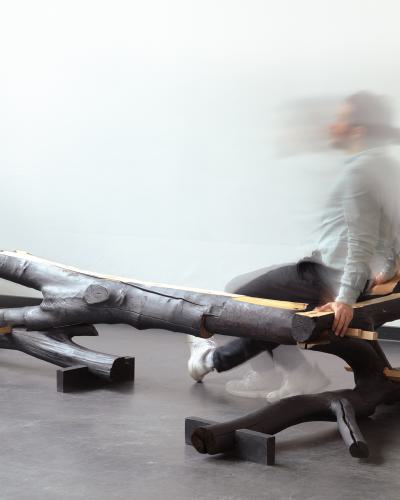
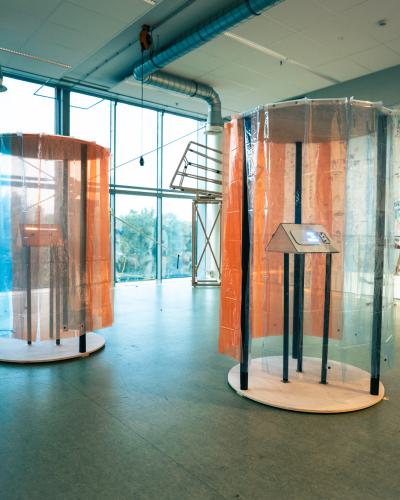
How A Garden Becomes A Dialogue is an independent design project by Di Mao, developed through everyday gardening. It explores how gestures become tools linking people, plants and the garden, revealing care and control as an ongoing negotiation.
Dialogue
Gardens are often understood as natural spaces, yet they are constantly shaped by human decisions, care and intervention. Rather than treating gardening as a routine act of cultivation, How a Garden Becomes a Dialogue proposes the garden as a living system continuously constructed through bodily actions, tools and relationships.
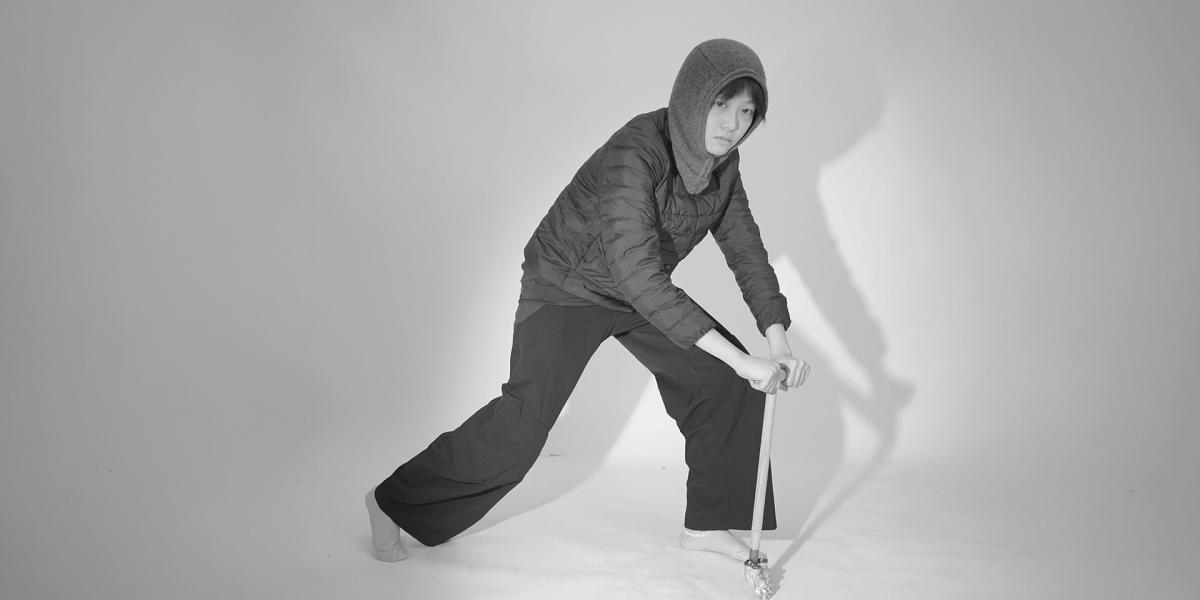
The project grew from my experience of growing up with a family garden, where gardening was an intuitive and embodied part of everyday life. Looking back, I realised that every action—digging, watering, pruning, measuring—was guided by choices rather than instinct alone. These repeated gestures gradually revealed the garden not as untouched nature, but as a language structured through care, discipline and negotiation.
By rethinking gardening as a dialogue instead of a task, the project asks how relationships between people, plants and the environment are formed, and how design might make these often-overlooked interactions visible.
Translation
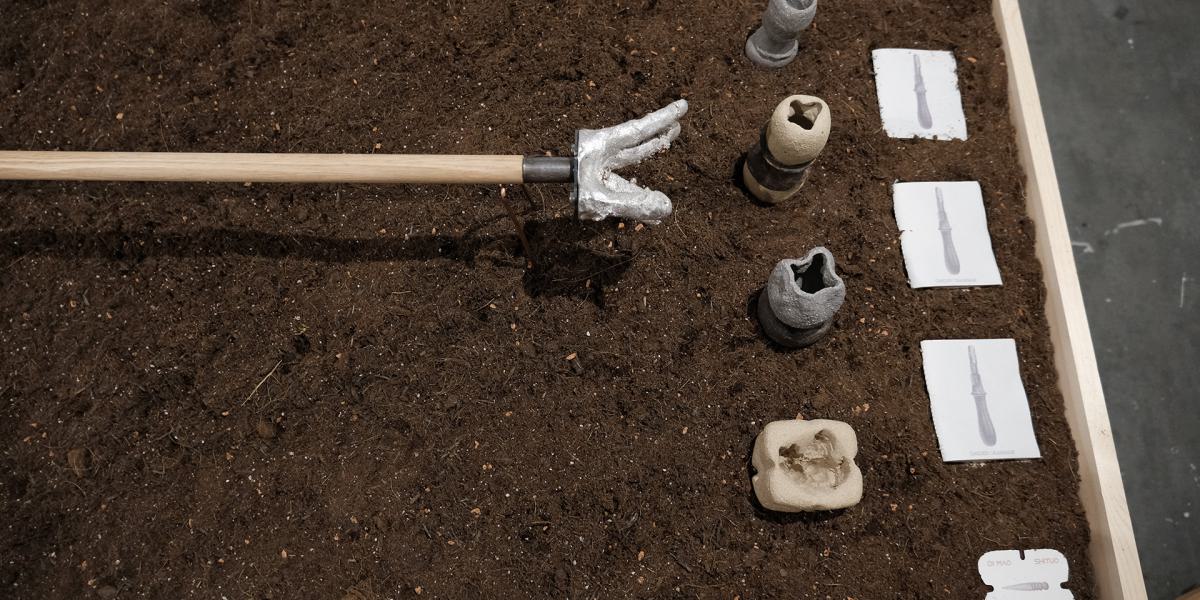
Beginning with observations of everyday gardening, the project translates bodily gestures into a series of custom-designed gardening tools and planting containers. Rather than designing tools to improve efficiency, each tool investigates how movement generates interaction, and how interaction gradually produces behavioural patterns.
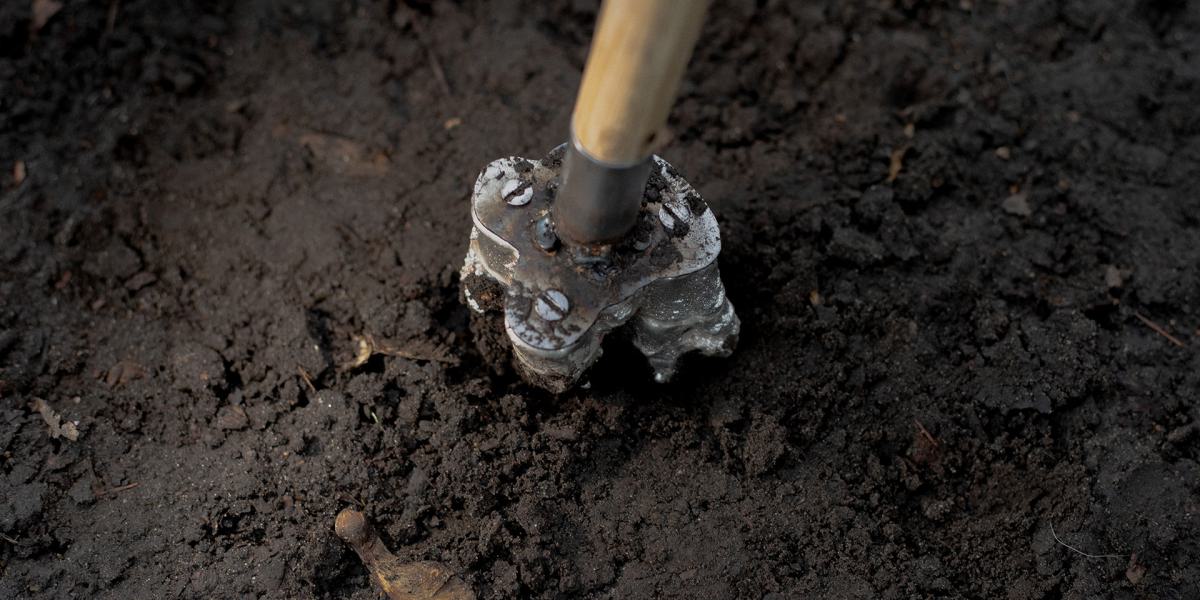
Through making and using the tools, familiar gardening actions are transformed into new experiences. Gestures give rise to tools; tools generate rules; and rules, in turn, shape behaviour and influence how we relate to the garden. Instead of prescribing fixed functions, the tools remain open to interpretation, allowing participants to discover their own ways of engaging with soil, plants and one another.
The project therefore positions tools not simply as objects, but as mediators that construct relationships between body, environment and action.
Participation
Presented as an interactive installation, the project invites visitors to engage directly with the tools through planting. Without requiring detailed instructions, participants instinctively begin to dig, press and shape the soil, drawing on embodied memories formed through previous encounters with gardening and everyday manual actions.
As the installation unfolds, familiar gestures are reactivated and transformed into shared experiences. Rather than demonstrating a fixed way of gardening, the project encourages visitors to negotiate their own relationships with the tools, plants and one another.
By turning gardening into a participatory process, How a Garden Becomes a Dialogue reveals the garden not as a finished landscape, but as a living dialogue continuously shaped through action, care and collective experience.