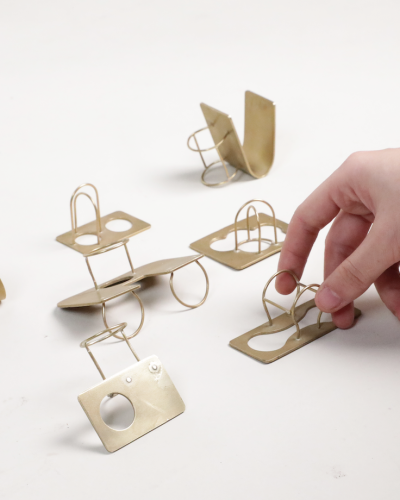
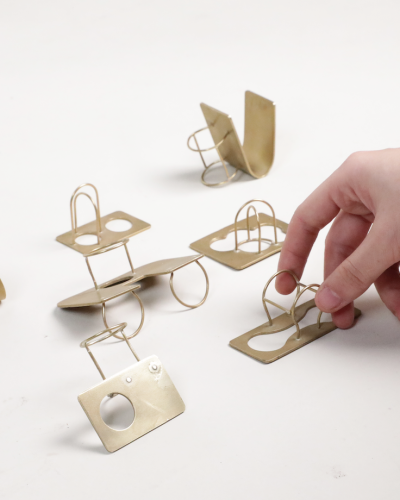
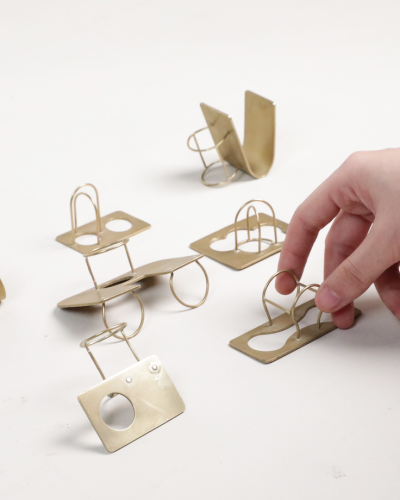
Offence is felt universally but understood differently everywhere. Using measurement as a method, we translate eight offensive gestures into wearable brass devices. Recognise the reference and they provoke; miss it and they read as neutral objects.
The Seat Protractor and the Bowing Protractor
The project did not begin with the hand. It began with the boundaries of politeness as they appear in bodily interaction in space — how an individual's seated posture lays claim to shared public territory, or how the angle of a bow in Japanese culture communicates precise gradations of social relationship. The question was: how does the body articulate norms, respect, and transgression without words?
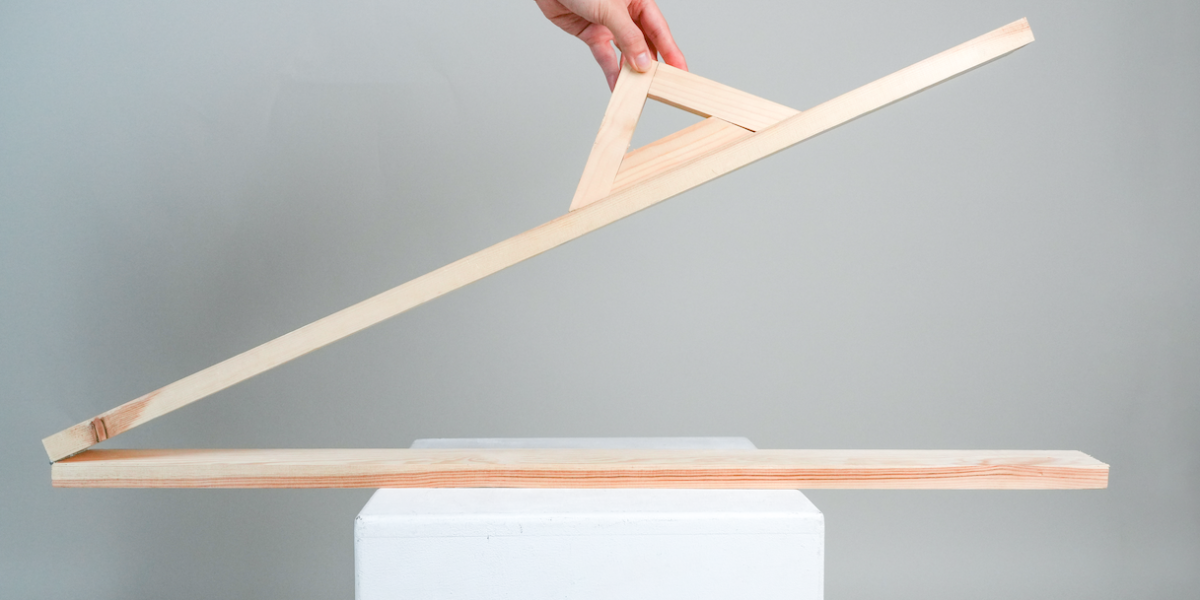
Two measuring instruments emerged from this enquiry. The Seat Protractor registers the degree to which a body occupies space that is not exclusively its own. The Bowing Protractor records the angle at which deference is performed. Both take an instrument of objective measurement and turn it toward something that resists objectivity altogether. This contradiction became the project's method: if offence cannot be fixed, it can at least be measured.
Eight Wearable Brass Devices
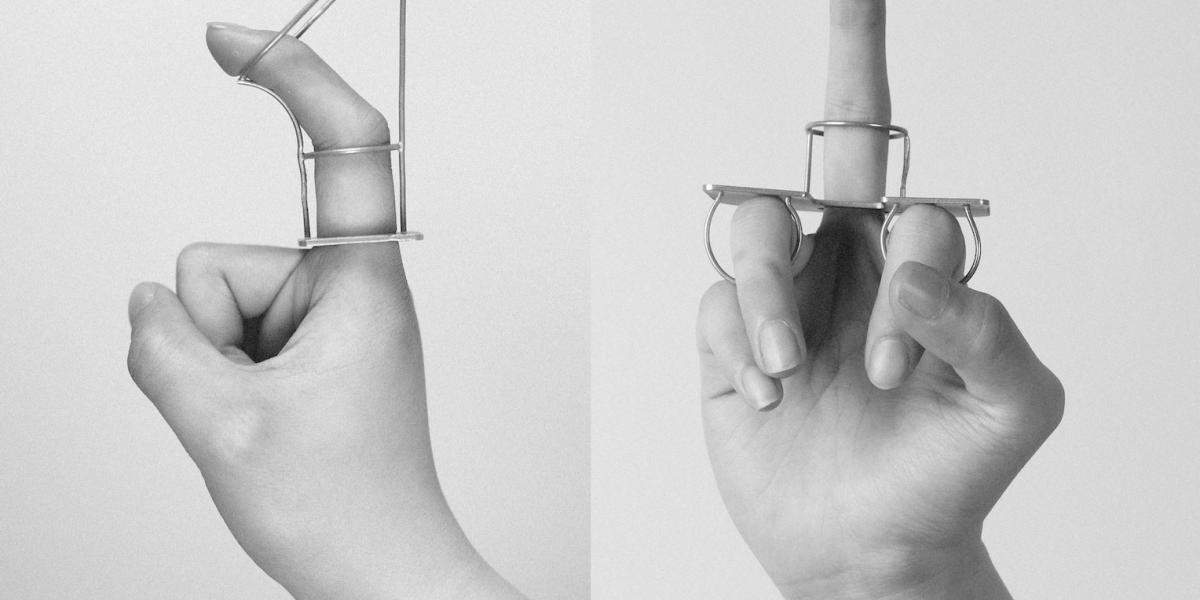
While testing a hand-measuring device, one of us unconsciously formed a middle finger. The gesture was accidental, but it directed the entire project toward the hand.
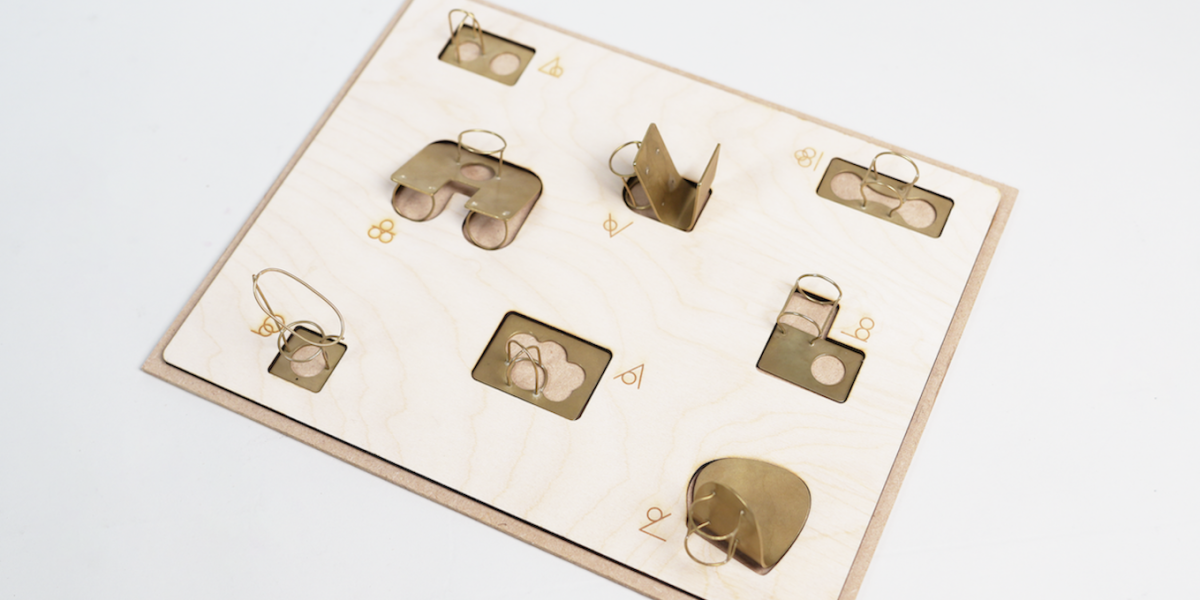
What followed was a recognition that the same gesture can carry radically different meanings depending on cultural background, and that many gestures we experience as offensive today do not originate in contemporary popular culture but can be traced to far older contexts. Eight such gestures were selected and rendered in brass: cut sheet, bent wire, plate and void. Each device functions simultaneously as an instrument of recording and as a means of expression, translating a bodily action into an object with structure and scale.
These works are not only viewed — they are worn. Without explanation, audiences put them on and operate them in their own ways, often departing entirely from what we anticipated. When the cultural reference is recognised, the devices evoke a distinct sense of offence. When that context is absent, they read as nothing more than neutral objects.
A Translational Dictionary
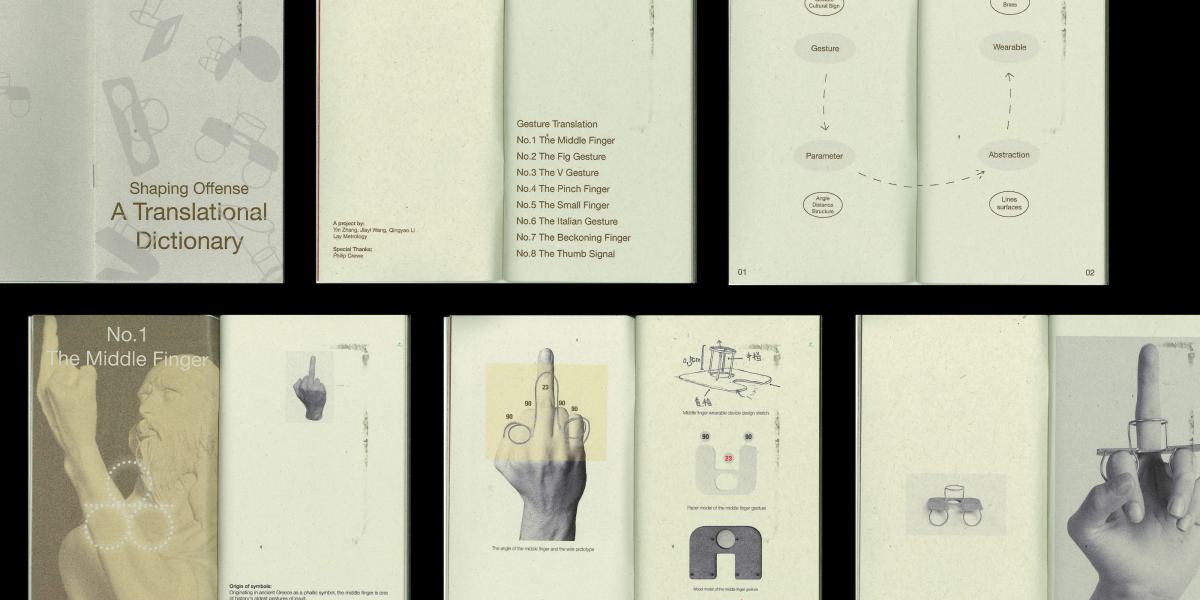
The publication documents the full journey — from the original gestures and their measurements through to the final wearable pieces — and sets out the history and cultural meaning of each of the eight gestures across different contexts.
More than documentation, the dictionary is where the research and the design meet. It turns a set of individual objects into a system that can be read, compared, and understood, and it makes explicit what the devices themselves deliberately withhold.
Together, the three parts reveal the complexity and locality of gesture culture. Offence is not an inherent property; it is a meaning activated through knowledge, experience, and cultural background. This is what the project sets out to show — offence does not exist in the action alone. It is generated in the gap between understanding and misreading.