17-25 October 2026

ALINEA

The beginning of a new train of thought, implementing (coloured) bioplastic into handwoven textile design.

Hosted by Jessica Rijkers

This project is now archived and was part of DDW21

This project is part of
Material meetings
→
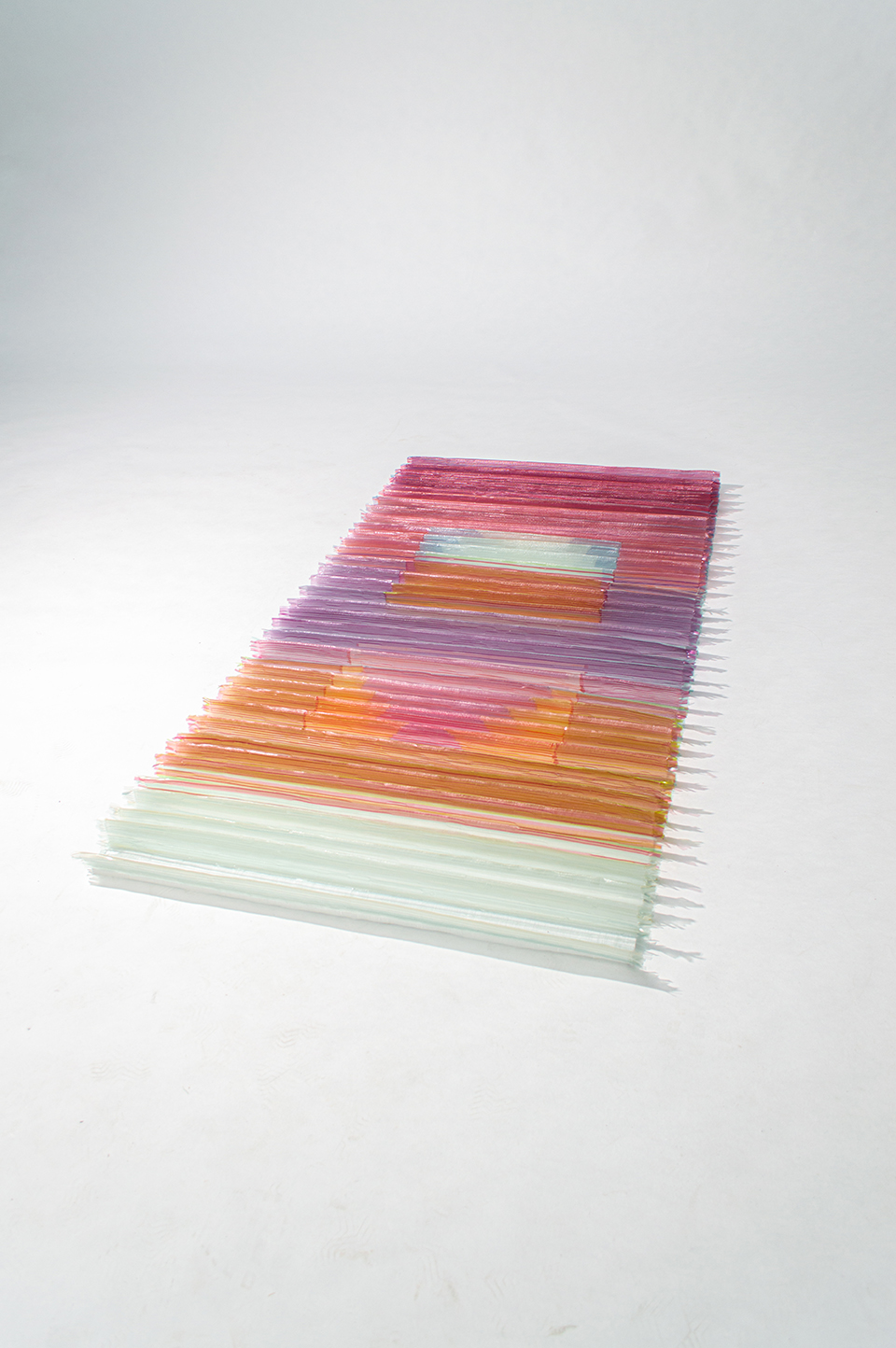
DUPLEX
DUPLEX
Jessica Rijkers
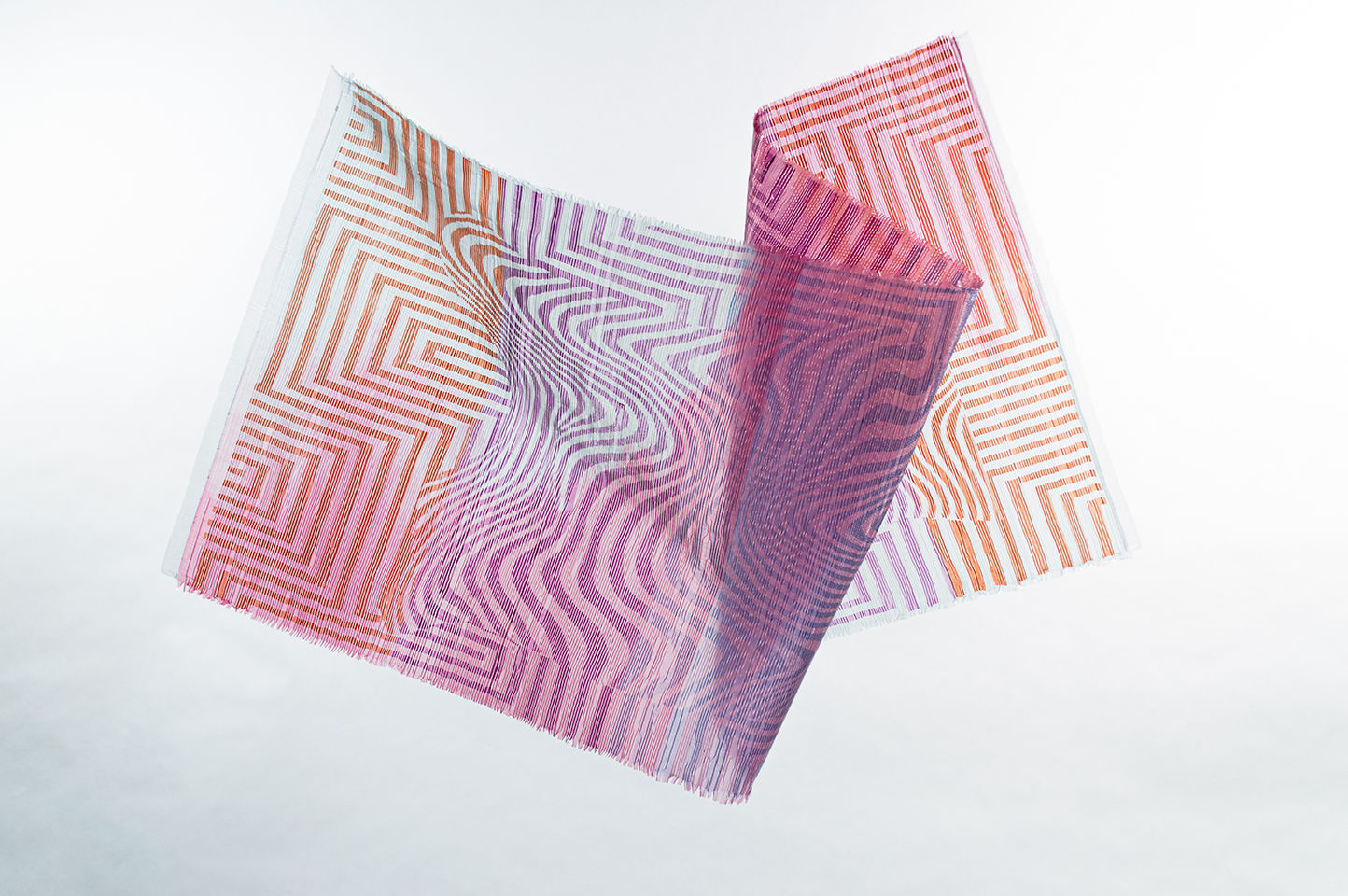
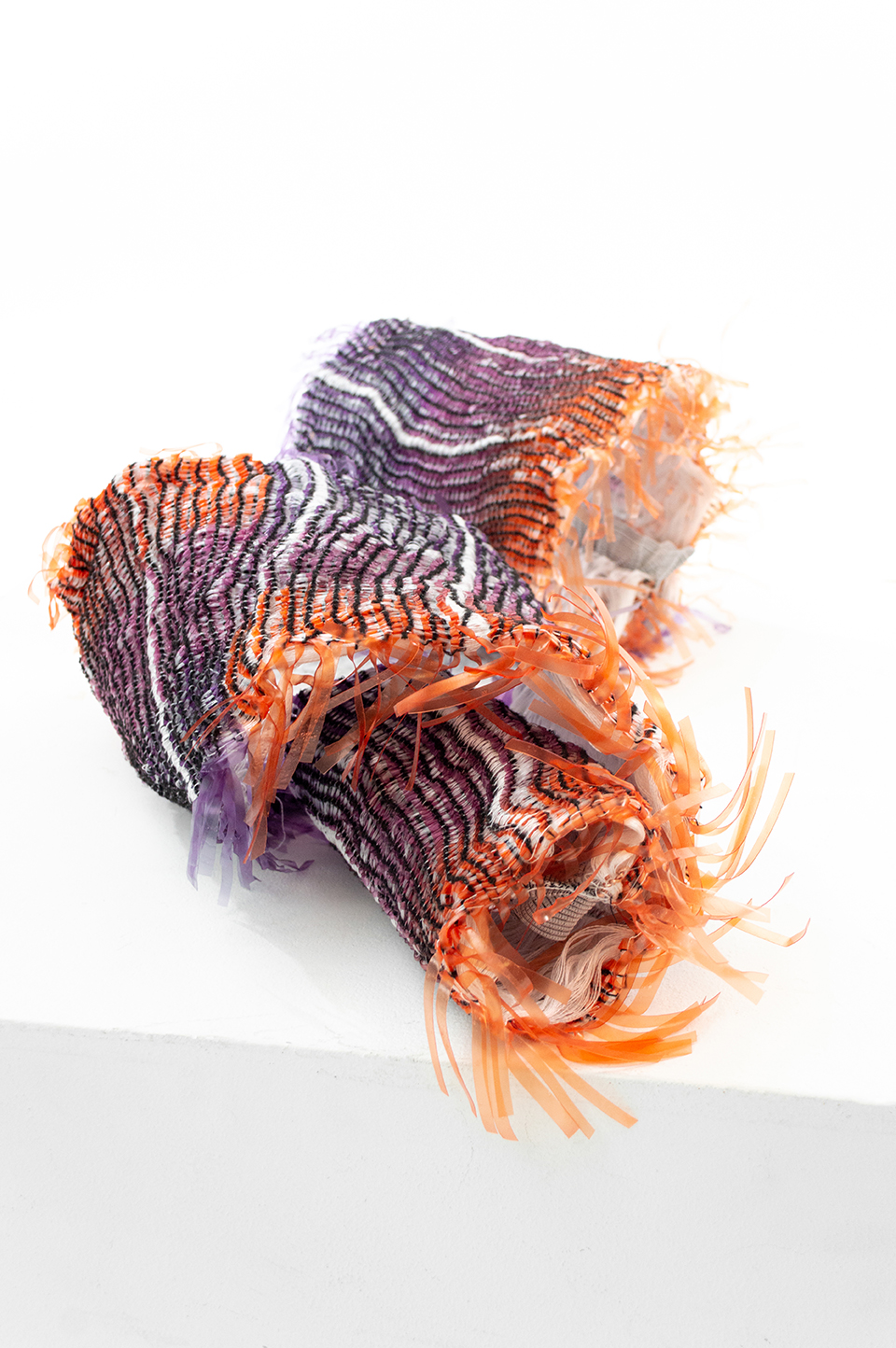
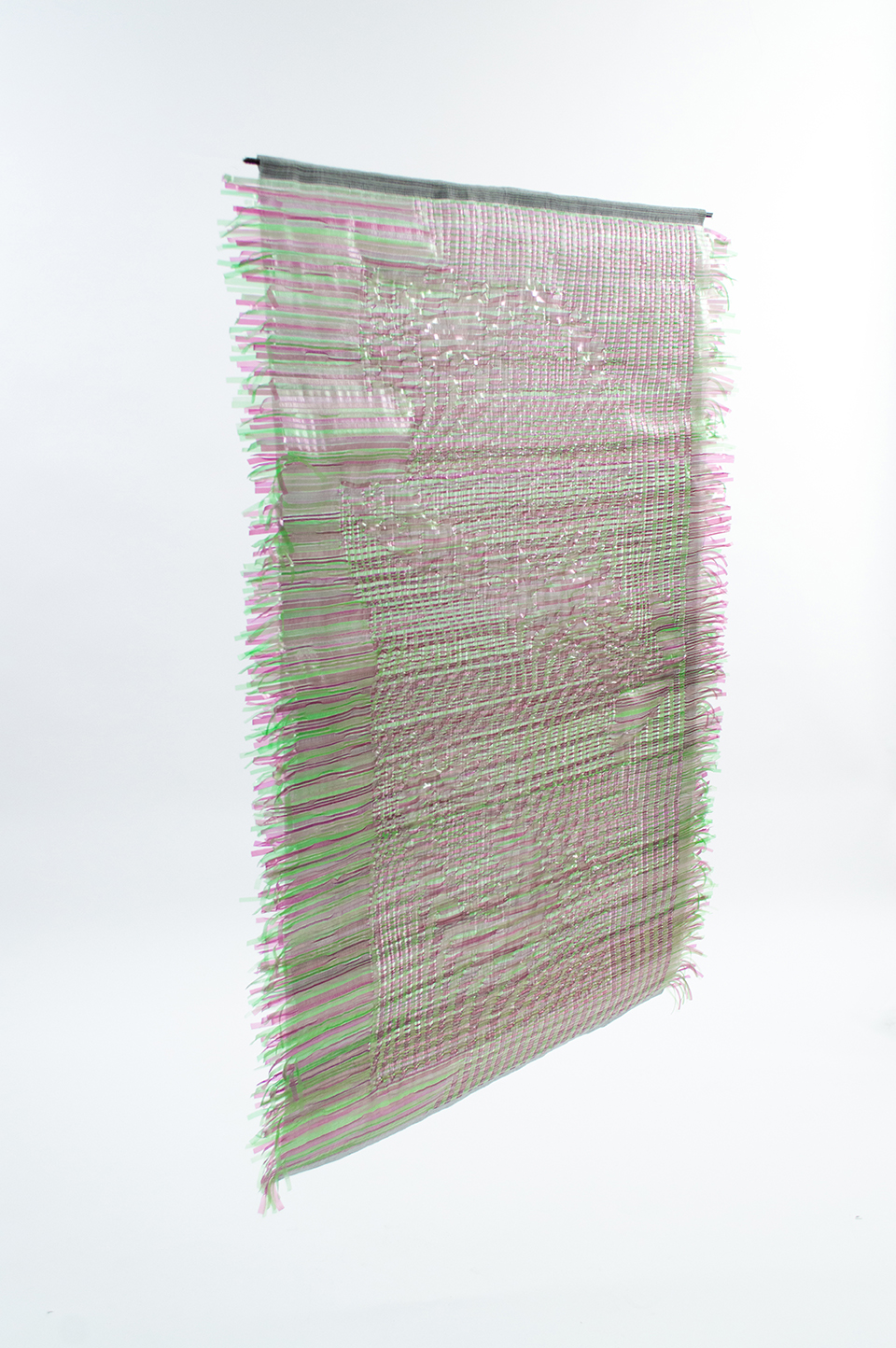
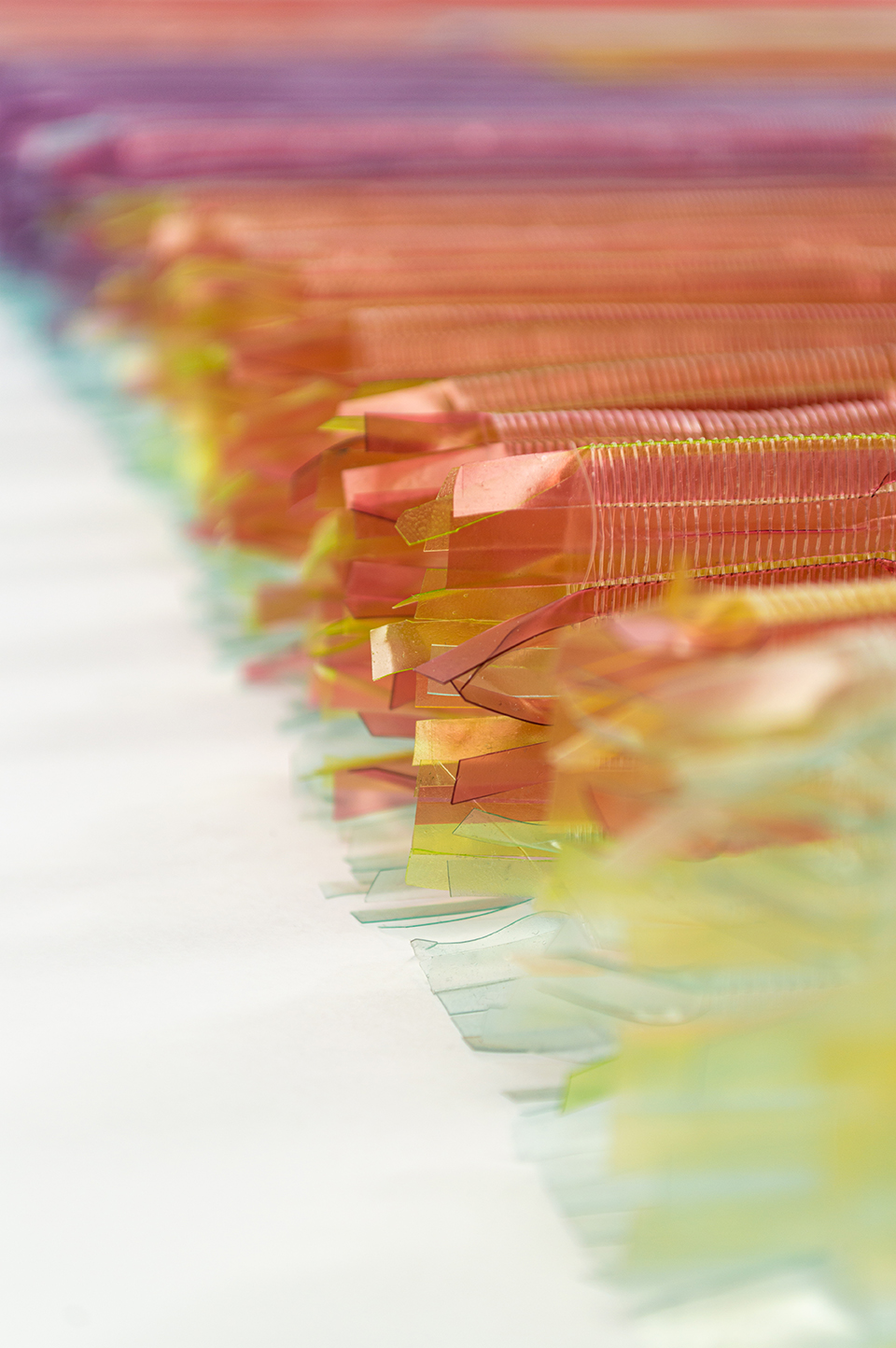
Alinea explores the use of bioplastic as unconventional yarn in the traditional technique of handweaving. Using methods of structures and bindings, gradient colouring and print design to generate broader alternatives and making bioplastic more accessible for the textile industry.
Alinea - Abstract

Within Alinea, the purpose is to explore the use of bioplastic as unconventional yarn in the traditional technique of handweaving. The focus toward bioplastic as a design material and the technique of handweaving as the fabrication technique to generate broader alternatives for using bioplastic materials in woven textile design. Through experimental and practise based research, handwoven bioplastic samples have been explored to investigate the methods of structures and bindings, gradient colouring and print design within bioplastic and weaving. With the attempting to make bioplastic more accessible for the textile industry. The experimental design research resulted in a collection of seven pieces that present various design possibilities and potentials regarding bioplastic within the textile weaving technique, including distinct structural tactile qualities bioplastics can offer to the field of textile. It can be concluded that bioplastic can play a role in becomes a desirable material steering textile design towards a more sustainable future in the textile design field.

DUPLEX Detail
DUPLEX Detail
Jessica Rijkers
PRINTED
PRINTED
Jessica Rijkers
DEFORMABLE
DEFORMABLE
Jessica Rijkers
OBLIQUE
OBLIQUE

By

Jessica Rijkers

Hosted by

The Swedish School of textile university of Boras
[email protected]
+31630559296
Visit website
Download press kit

About Jessica Rijkers

Alinea explores the use of bioplastic as unconventional yarn in the traditional technique of handweaving. Using methods of structures and bindings, gradient colouring and print design to generate broader alternatives and making bioplastic more accessible for the textile industry.