Plastic is forever
How can throw-away plastic become a symbol of luxury?
Hosted by Filip StanislavskisThis project is now archived and was part of DDW21
This project is part of
Rethinking Plastic
→
Rethinking Plastic
thumbnail
Filips Stanislavskis
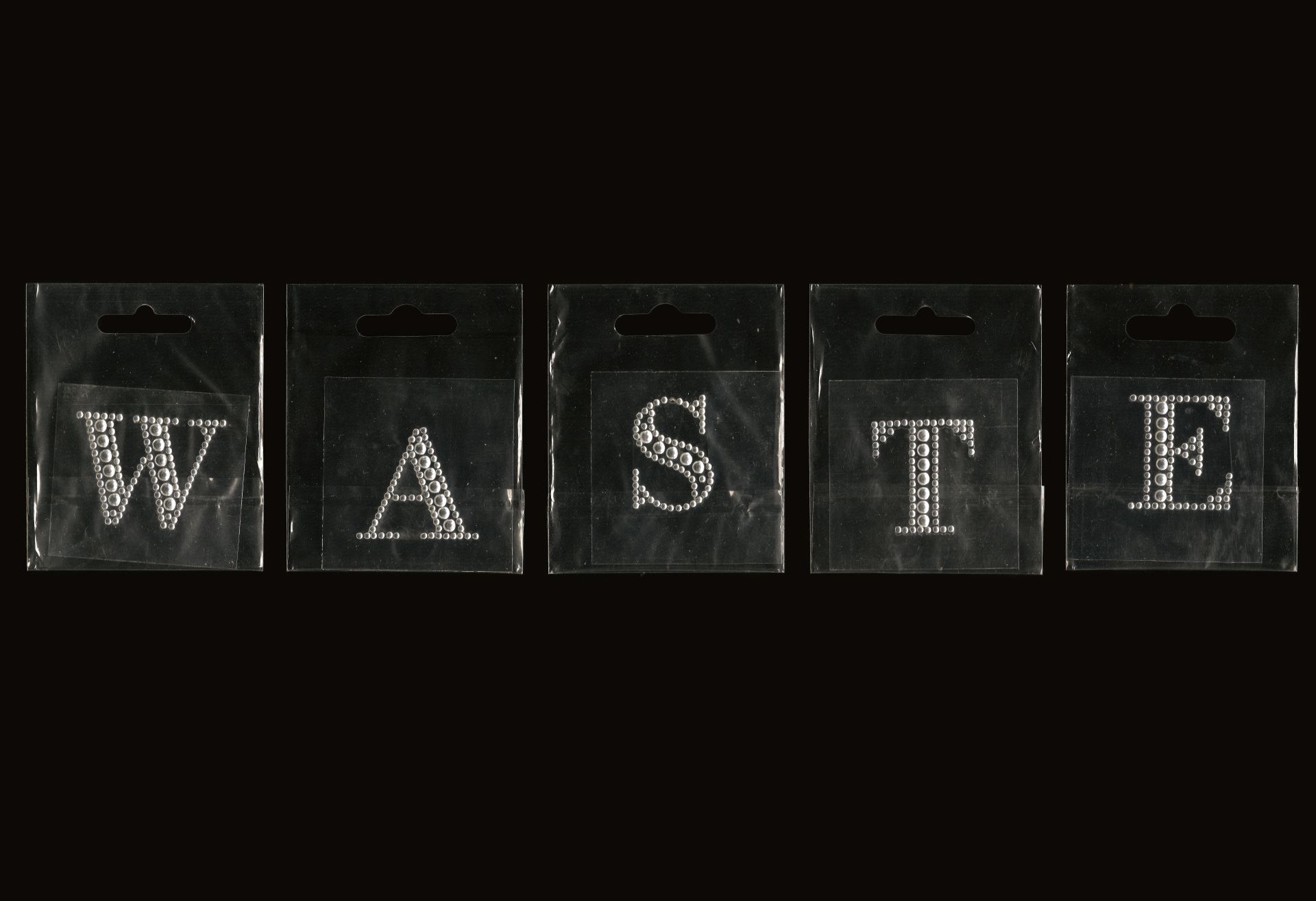
Diamonds are forever, but the value of diamonds is artificial. What if we would include the environmental costs of single-use plastic production in the end product? Could plastic become a symbol of luxury?
The single-use plastic industry is dependent on ‘externalizing’ the true costs of product production in order to keep the prices low. This has led to the mistreating of a very resilient material. What are the true costs of consuming throw-away plastics? The long life span and the constant increase in production, is already costing us the health of Earth and its inhabitants.
Plastic is not the only mistreated resource. The price of diamonds has skyrocketed only since the last century, thanks to a marketing strategy that made them a symbol of love and eternity. Its pseudo value is analogous to the artificially low price of throw-away plastics. Both are produced from resources extracted deep underground, which took millions of year to develop and both are going to be passed on for generations to come.
Internalizing the total environmental costs of playing with fossil fuels could make single-use plastics so expensive, that owning them would be considered an extravagance. If the famous slogan ‘diamond is forever’ changed the diamond industry, then this project attempts to turn throw-away plastics into a symbol of luxury, by spreading the maxim ‘plastic is forever'.
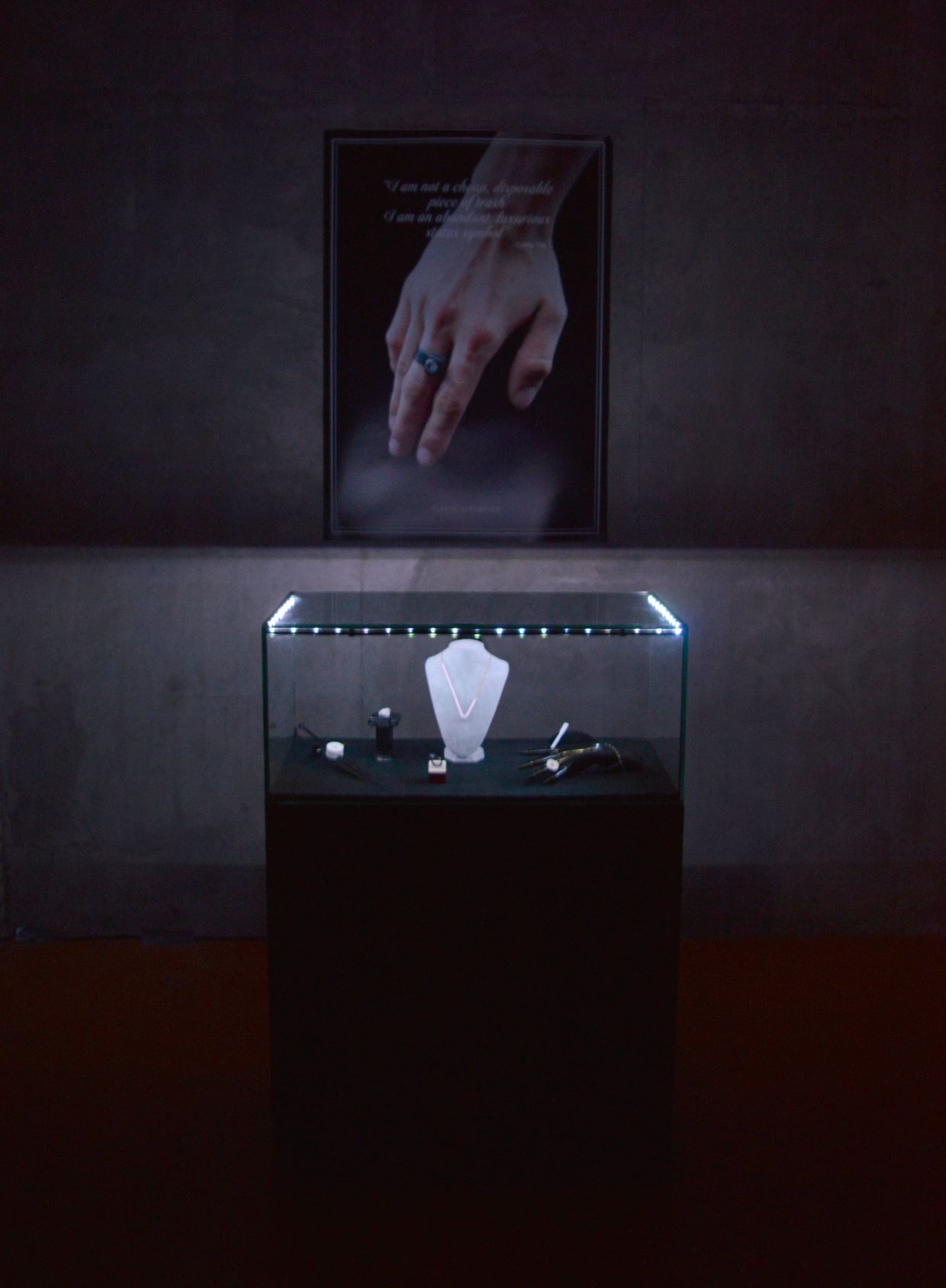
Installation view inside a bank safe
Filips Stanislavskis
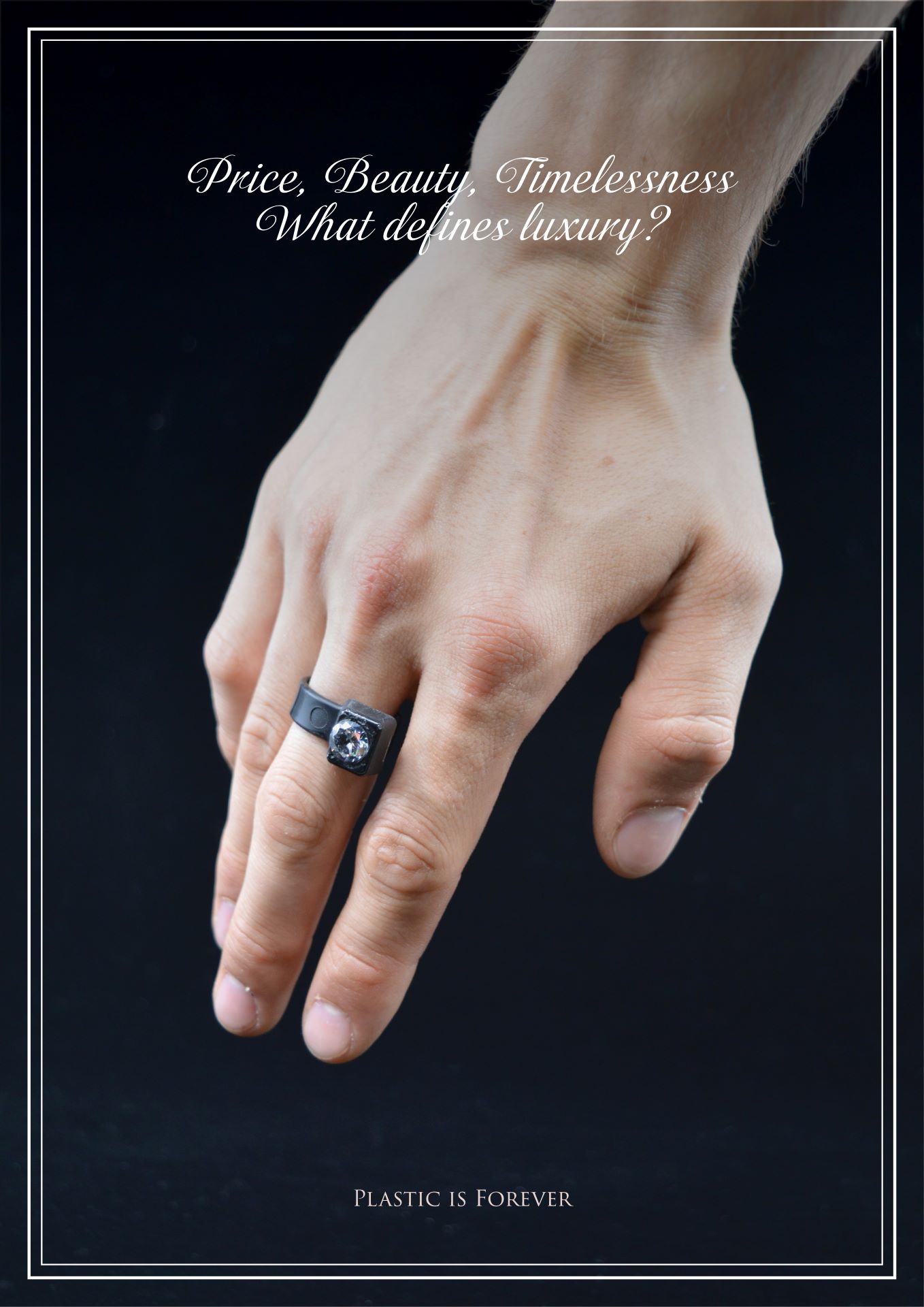
Advertising poster - Plastic is Forever
Filips Stanislavskis
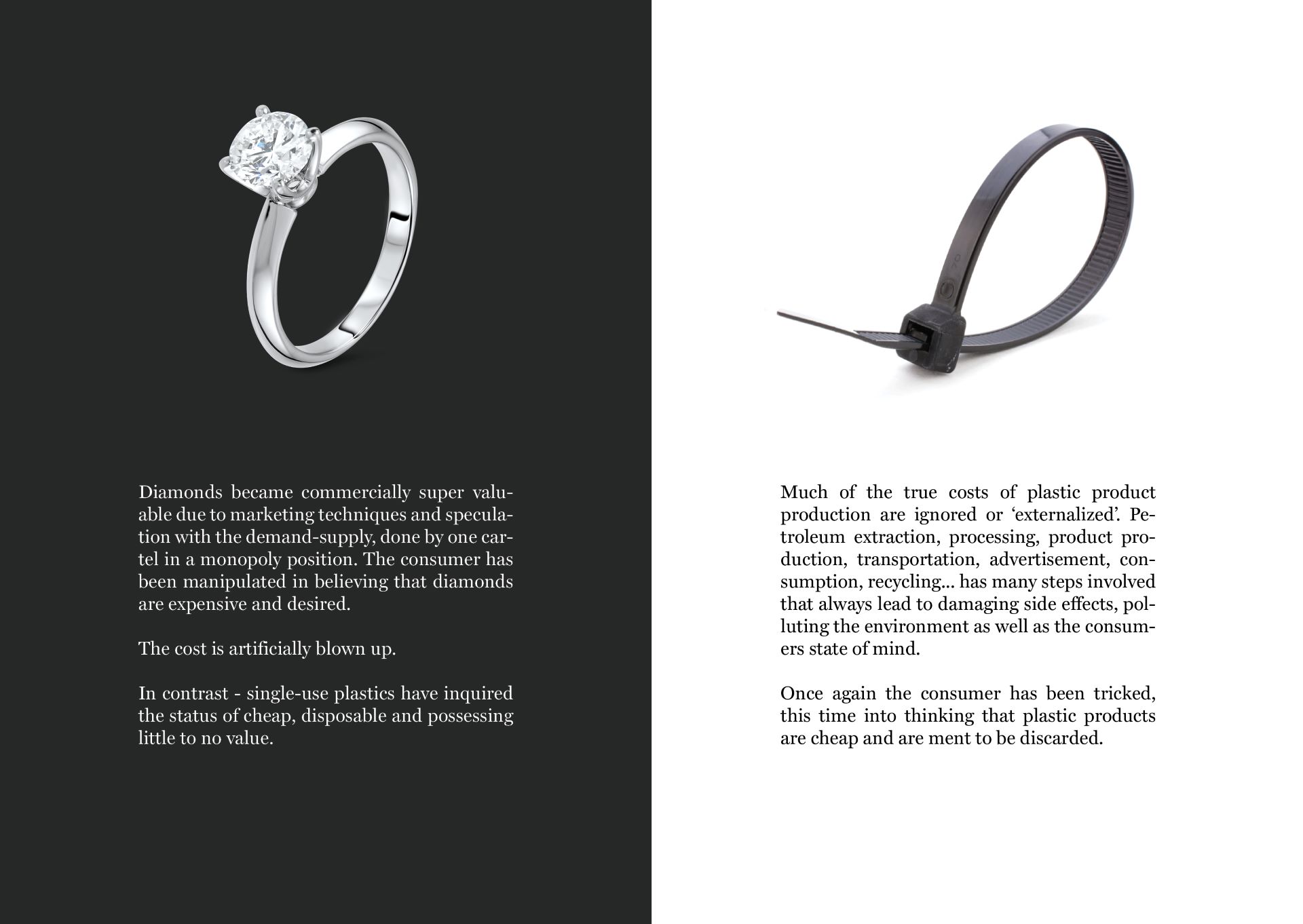
excerpt from research document
Filips Stanislavskis
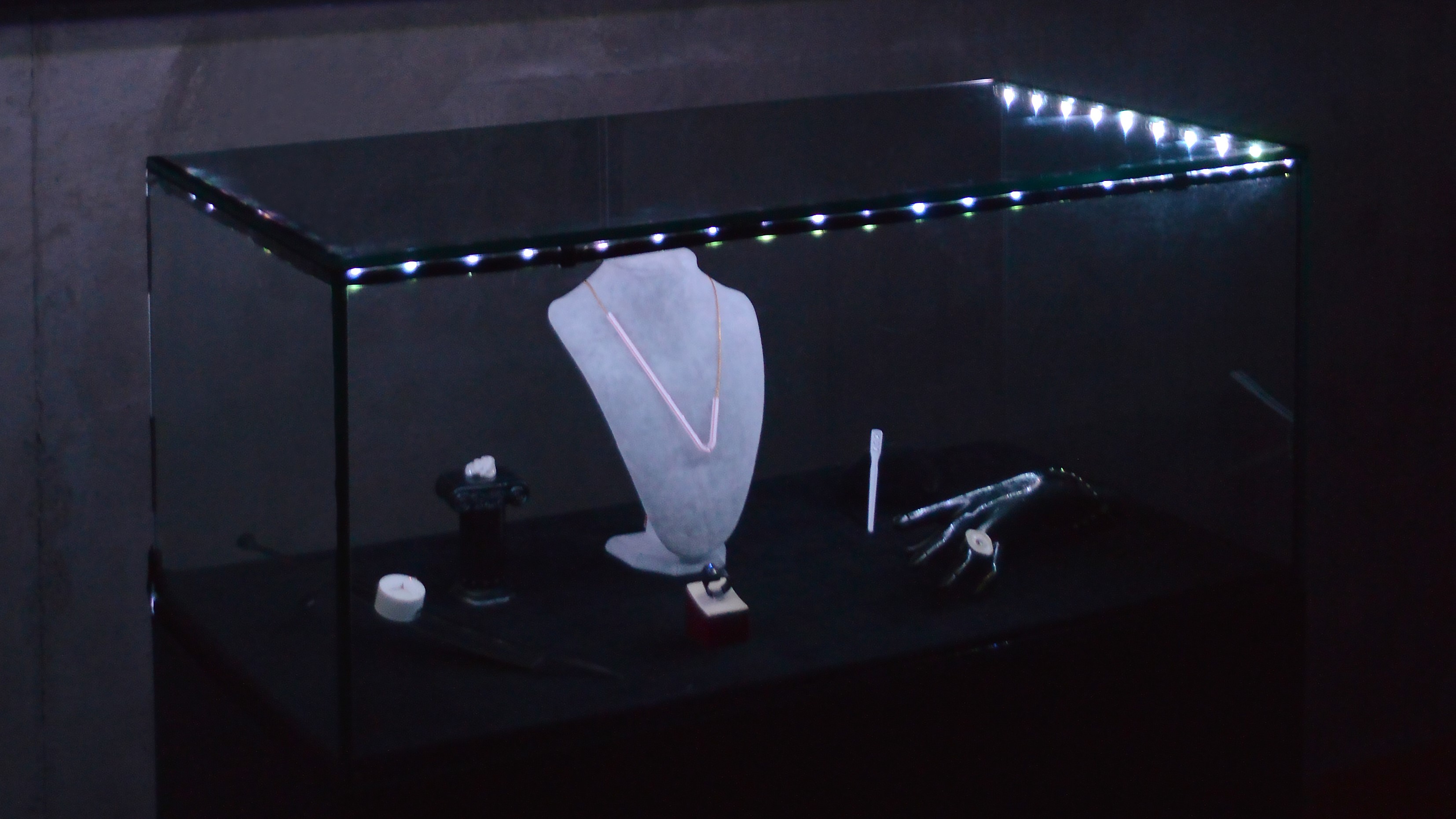
installation view
About Filip Stanislavskis
Diamonds were made a symbol of love and eternity. Diamonds are forever. If we include all the negative effects of plastic, the price would also rise sharply and plastic could become a symbol of luxury. What if we use the slogan 'plastic is forever' from now on?
Colofon
concept developer, designer
Filips Staņislavskis