17-25 October 2026

The Bark Project

Local resource for sustainable material innovation

Hosted by Johanna Hehemeyer-Cürten & Charlett Wenig

This project is now archived and was part of DDW21

This project is part of
Green Future Club
→
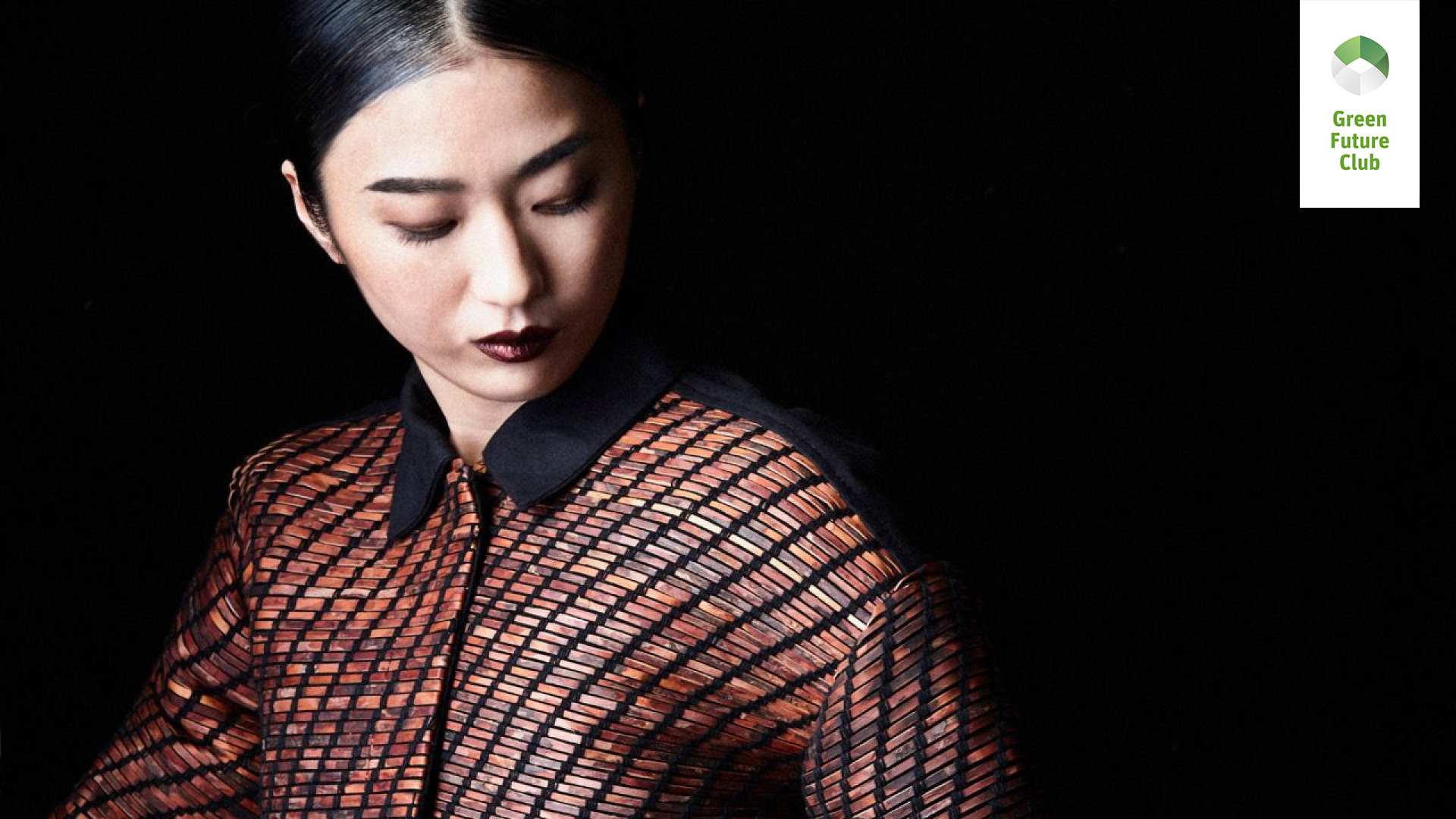
Woven Bark Jacket
Woven Bark Jacket
Max-Planck-Institute for Colloids and Interfaces
The Bark Project examines the chemical as well as the structural composition of tree bark and comes to the conclusion that bark can be flexibilized, pressed or processed into pigment in an ecologically friendly way in just a few work steps.
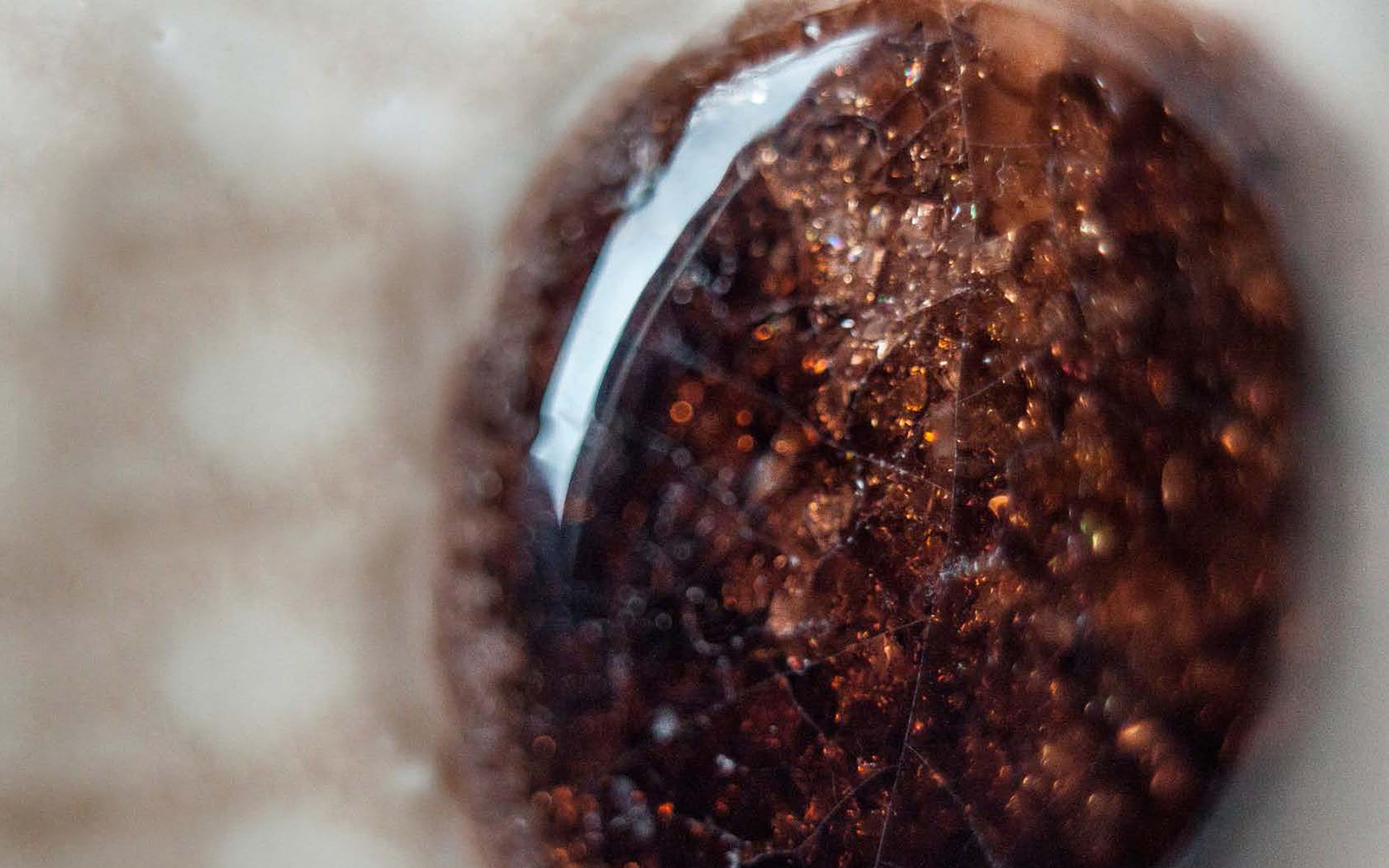
Future Material

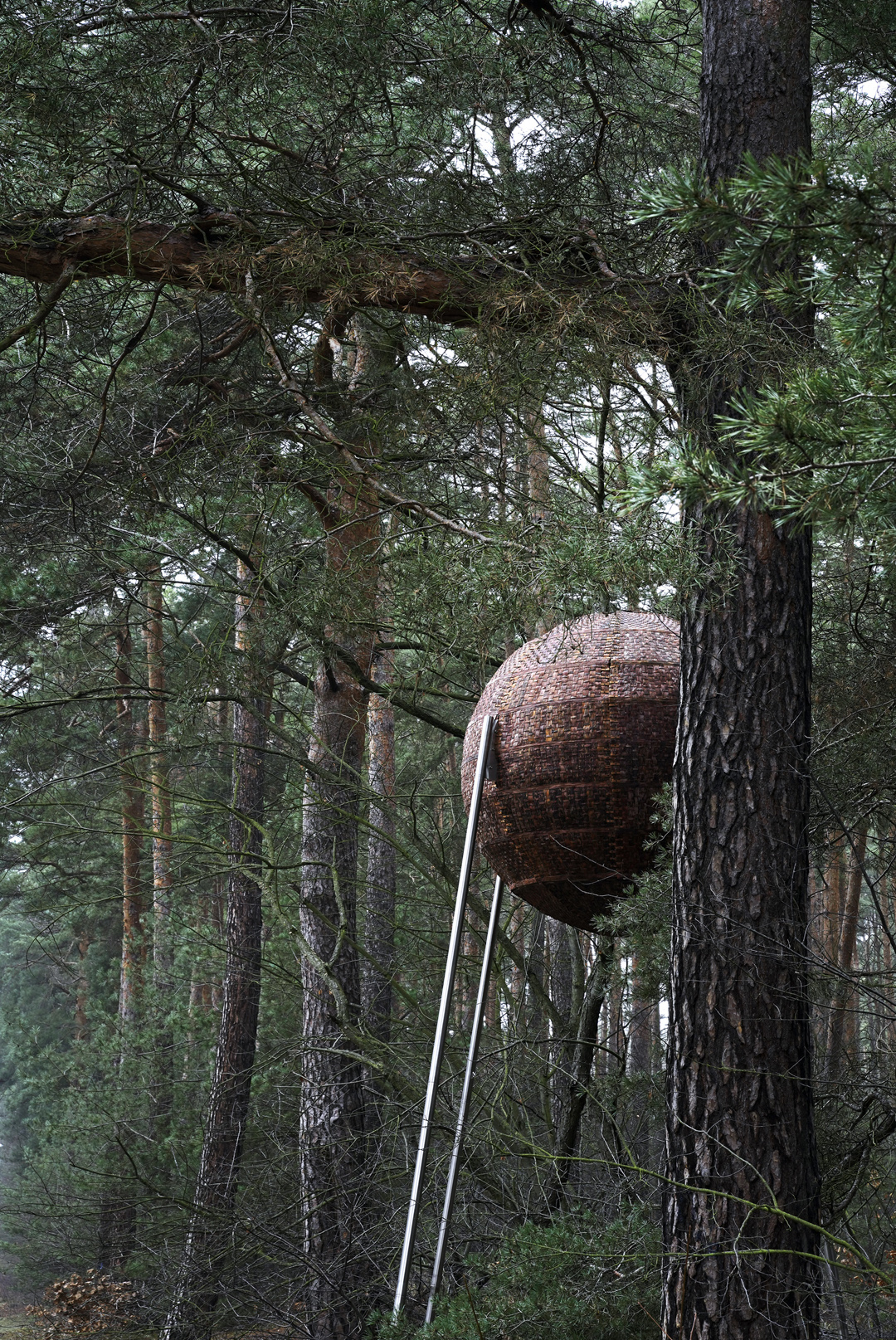
The complex composition of the various substances within tree bark is particularly interesting. Though there are little detailed publications on the chemical and structural composition of bark it opens up countless possibilities for material innovation and new design applications. Extract substances such as resin or tannins make up 1/3 of the tree bark. They vary not only between the different types of bark, but also within a type, depending on the size, age and location of a tree. Experiments with ash glazes made from bark have shown us that this results in a diverse range of colors. During our research we also discovered that pine bark can be flexibilized in just one work step using an environmentally friendly, traditional method of leaf preservation. This opens up numerous new possible applications, for example in the field of fashion (woven fabrics, accessories) and in architecture (temporary buildings, stands). With this type of processing, all natural properties of the bark canbe preserved. These include, for example, breathability, fire protection functions and the possibility of completely composting all products and production residues.
Bark Glaze
Bark Glaze
Charlett Wenig
Bark Sphere
Bark Sphere
Max-Planck-Institute for Colloids and Interfaces
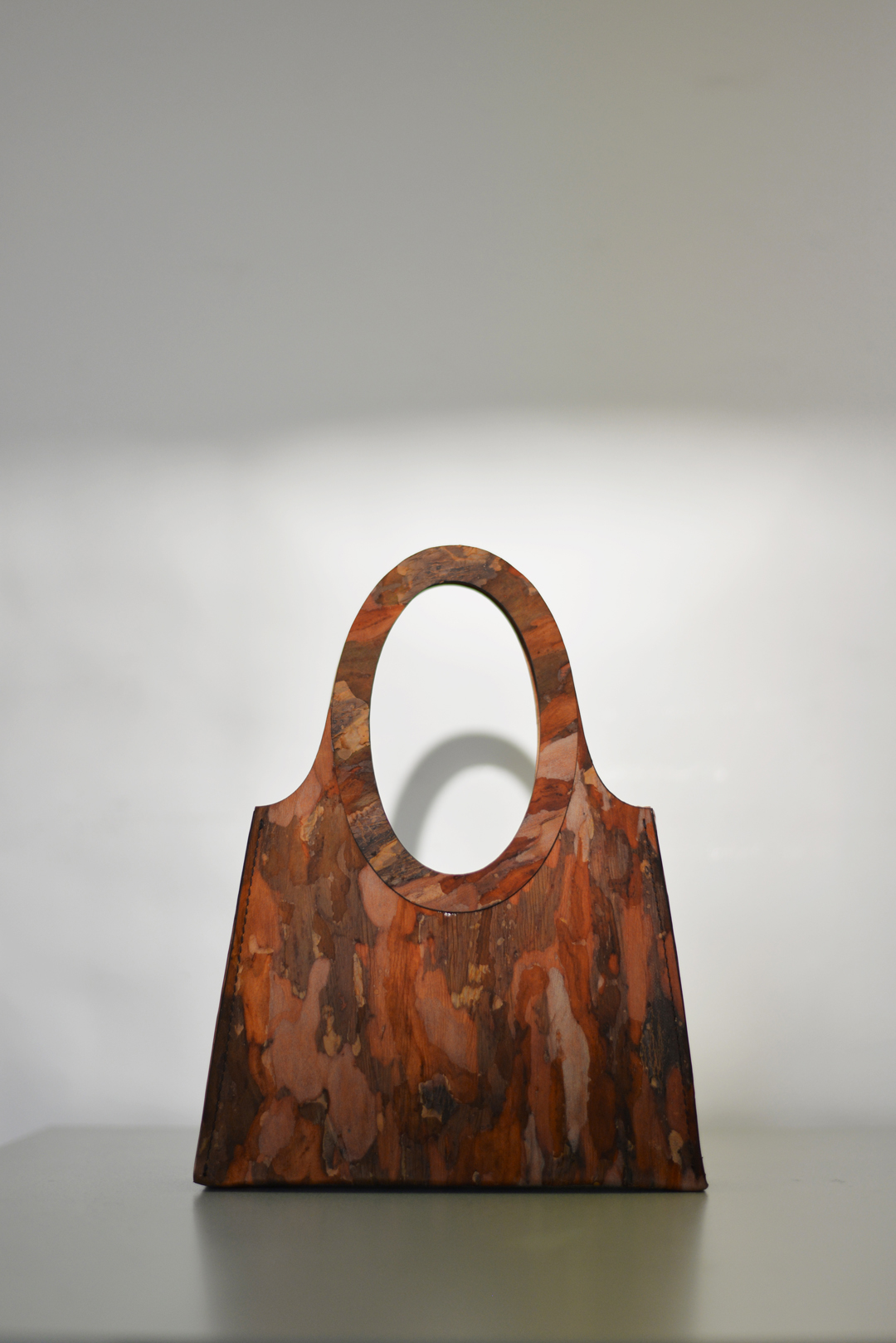
Bark Purse
Bark Purse
Max-Planck-Institute for Colloids and Interfaces
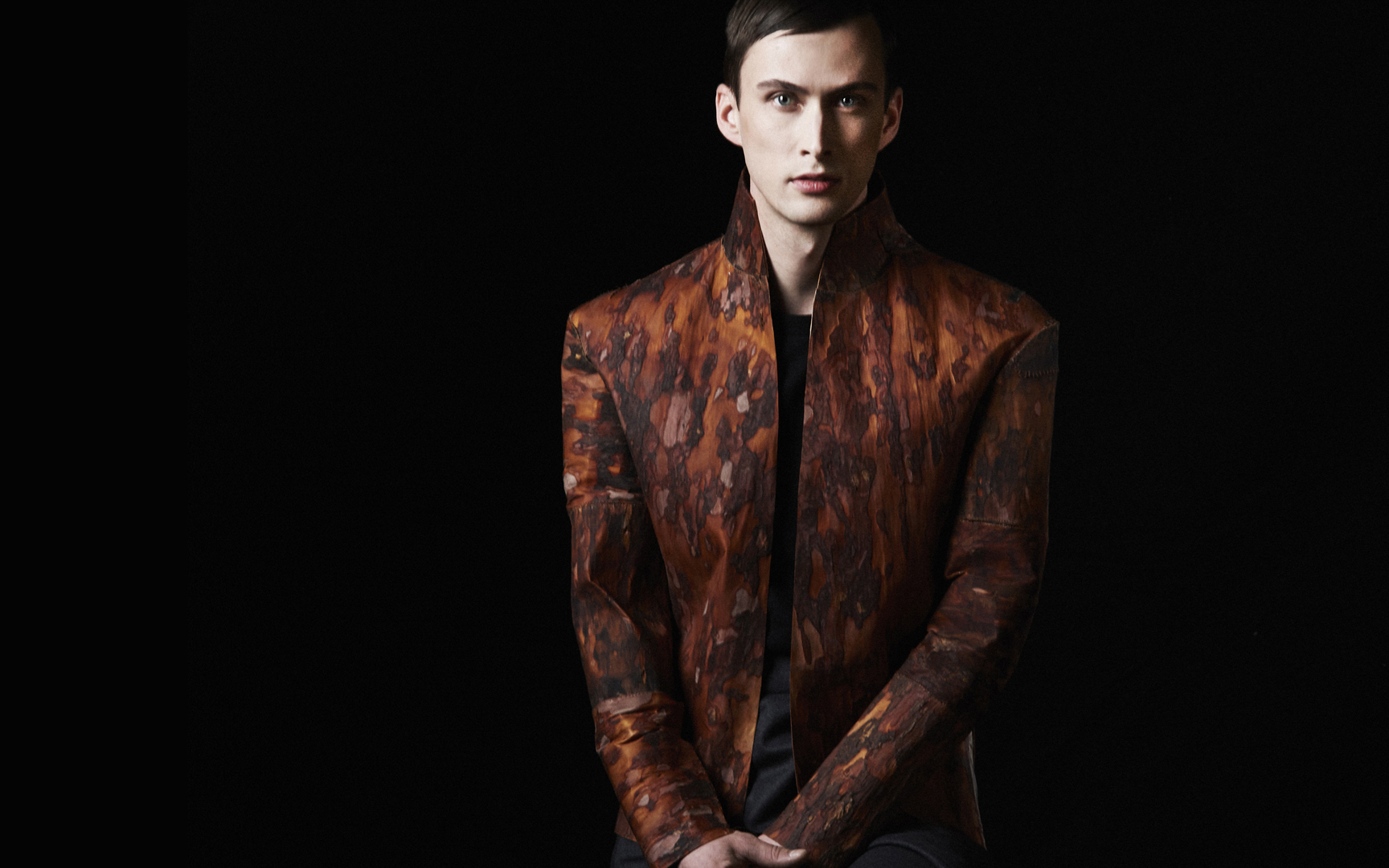
Bark Jacket
Bark Jacket

By

Johanna Hehemeyer-Cürten & Charlett Wenig

Hosted by

Green Future Club
[email protected]
+491773630505
Download press kit

About Johanna Hehemeyer-Cürten & Charlett Wenig

The Bark Project examines the chemical as well as the structural composition of tree bark and comes to the conclusion that bark can be flexibilized, pressed or processed into pigment in an ecologically friendly way in just a few work steps.

Colofon

Material Designer and Researcher Charlett Wenig
Fashion and Material Designer Johanna Hehemeyer-Cürten

Partners

Sponsored by The Bark Project

As featured in