The illusion of stability
Imbalanced and alienated furniture that encourages the user for a stronger consciousness and reflection of ones own privileged comfort zones.
Hosted by AVE - Anna van EckThis project is now archived and was part of DDW21
Event type
Exhibition
Location
Strijp T+R
Piet Hein Eek
Halvemaanstraat 30
5651BP
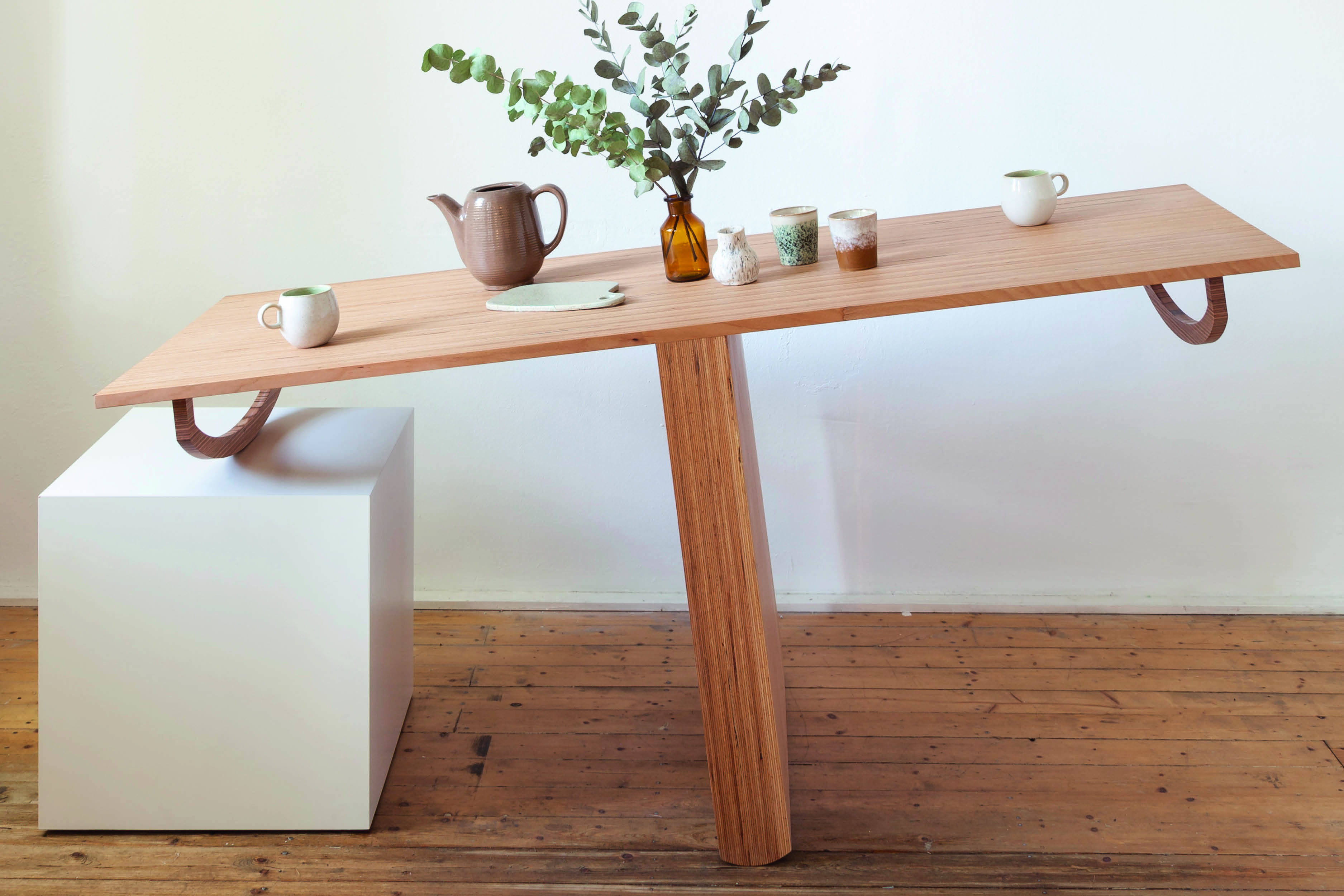
lopsided dining table
Irina Bittner
The illusion of stability expands the boundaries of product design and encourages the viewer to reflect comfort zones. While the original function of everyday objects is challenged, destabilization is used as a statement to enable orientation through self-awareness.
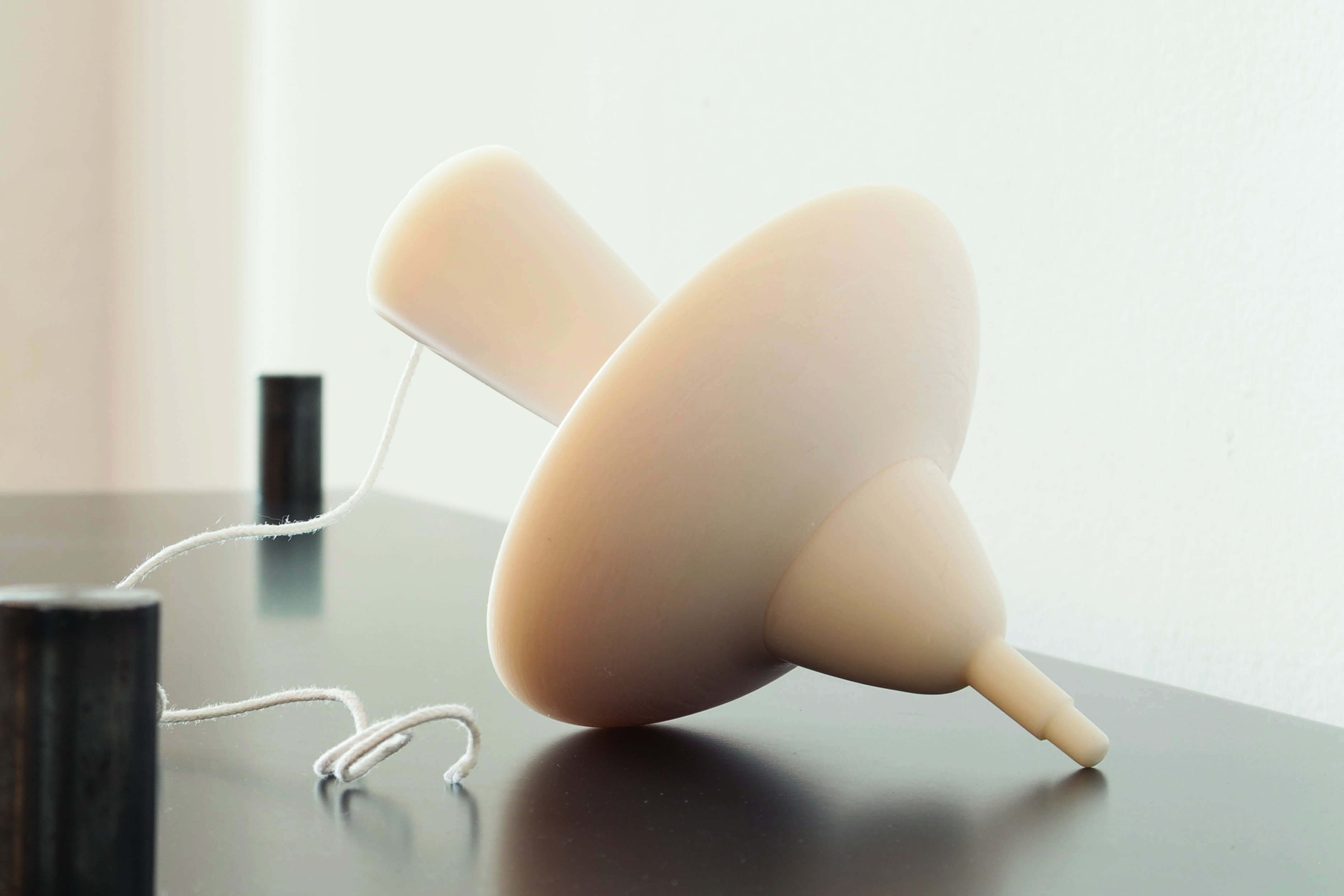
spinning candles
Irina Bittner
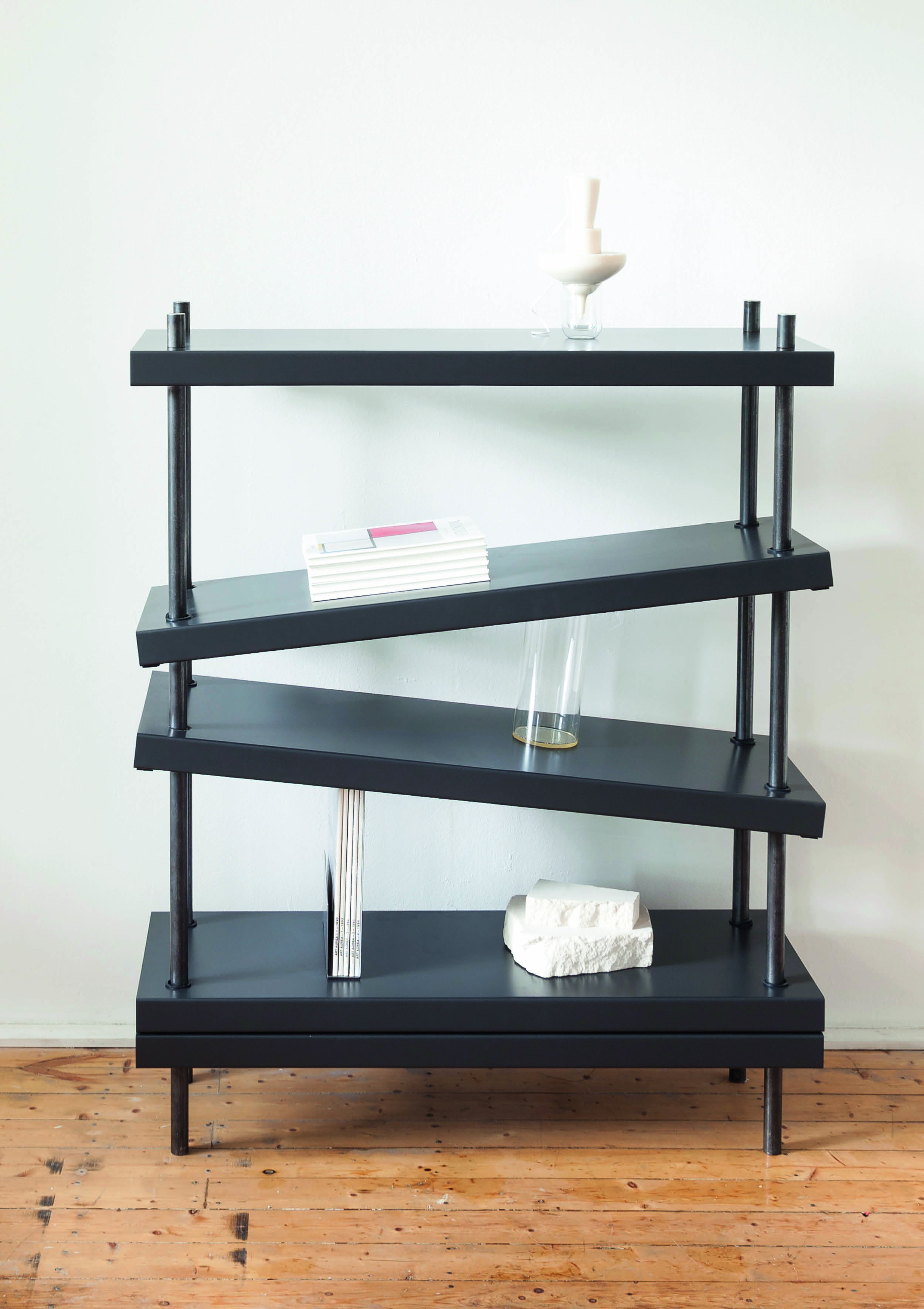
collapsed shelf
Irina Bittner
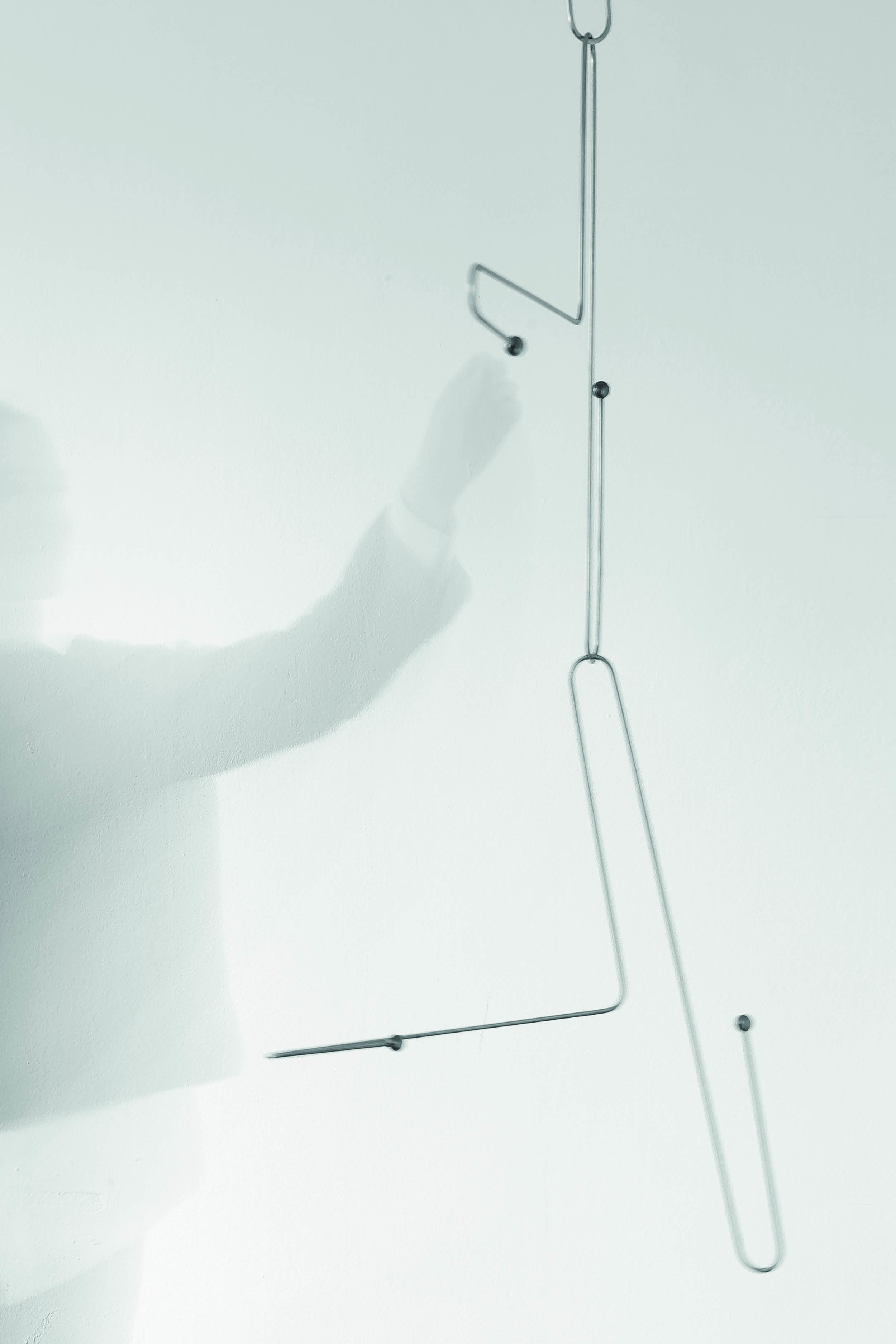
imbalanced wardrobe
About AVE - Anna van Eck
Hi. My name is Anna van Eck. I am a sculptural designer exploring the boundaries of functionality within products. The human mind tends to respond to problems or challenges when they are right in front. In an age of climate change and many other challenges, this is life-threatening. Design is my tool to deal with social matters. Trained in applied Arts and Design as well as in crafts (goldsmith) my interactive products irritate at first sight but lead to an emotional learning experience.
Similar projects
Baltan Laboratories x Mediamatic
Inhuman Carnaval - An interspecies celebration
IN_architecture & Corpo-real ArtEZ
ArtEZ IN_architecture alumni 2021
World Design Embassies
The Embassy of Safety
Dutch Design Foundation
The Greater Number Sessions #4: Reflections on DDW
Dutch Invertuals
Party 'Objects for a New Kind of Society'
World Design Embassies
Labyrinth: The Art of Changing Direction
World Design Embassies
De Toekomst van Nederland
Stichting ENCOUNTER
ENCOUNTER#10
Jorn Konijn
The Greater Number Sessions #1: 1968 revisited
Yksi Expo
Design the Anthropocene