reCharkha EcoSocial Upcycled Handwoven Products Collection
reCharkha EcoSocial
Hosted by reCharkha EcoSocialThis project is now archived and was part of DDW22
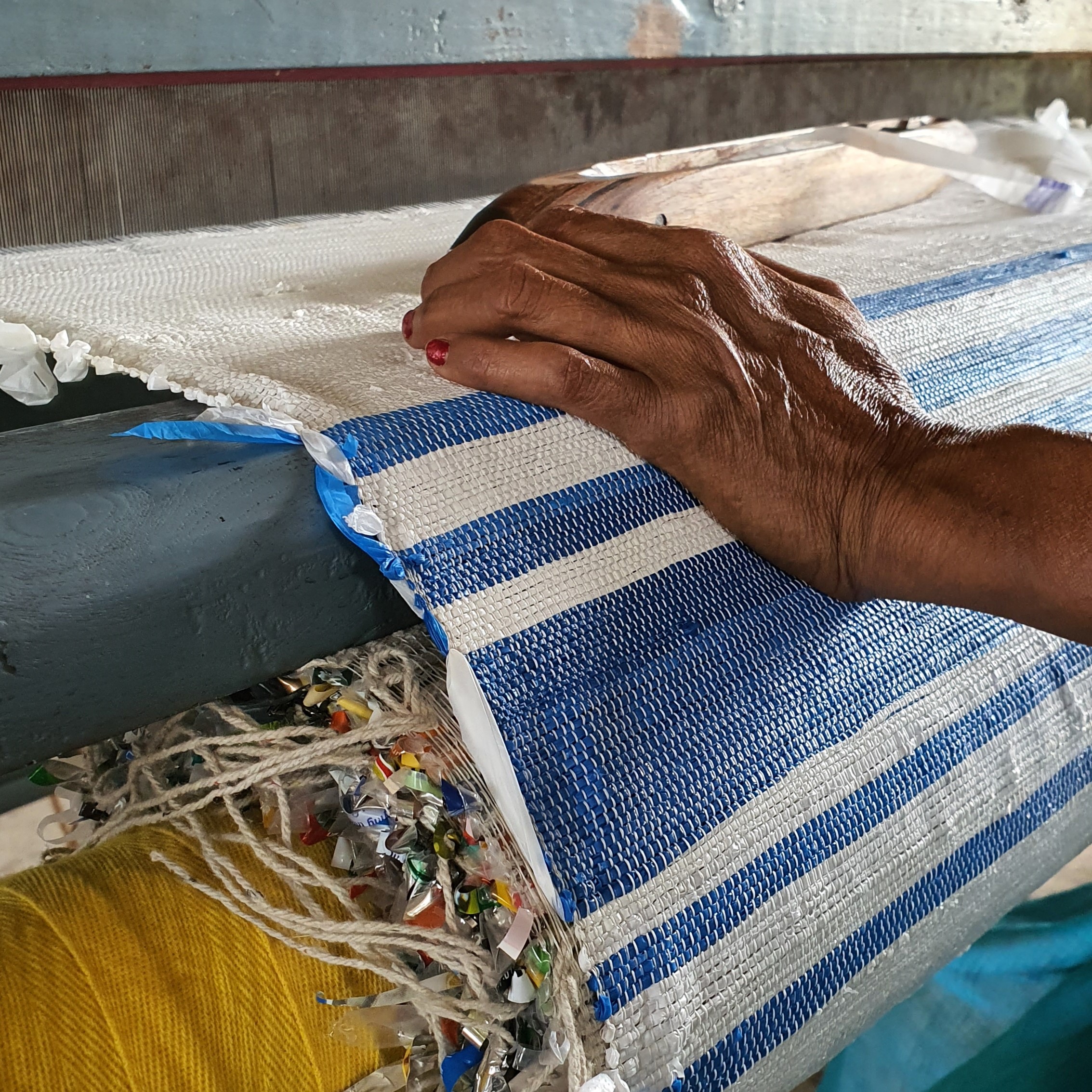
reCharkha Upcycled Handwoven Fabric - Sample
We UPCYCLE waste plastic such a polybags/plastic bags, biscuit or wafer wrappers and other multilayered packaging, using a traditional CHARKHA (Spindle) and HANDLOOM to weave it into a fabric. This unique process is designed to provide LIVELIHOOD opportunities for our VILLAGE WOMEN and YOUTH.
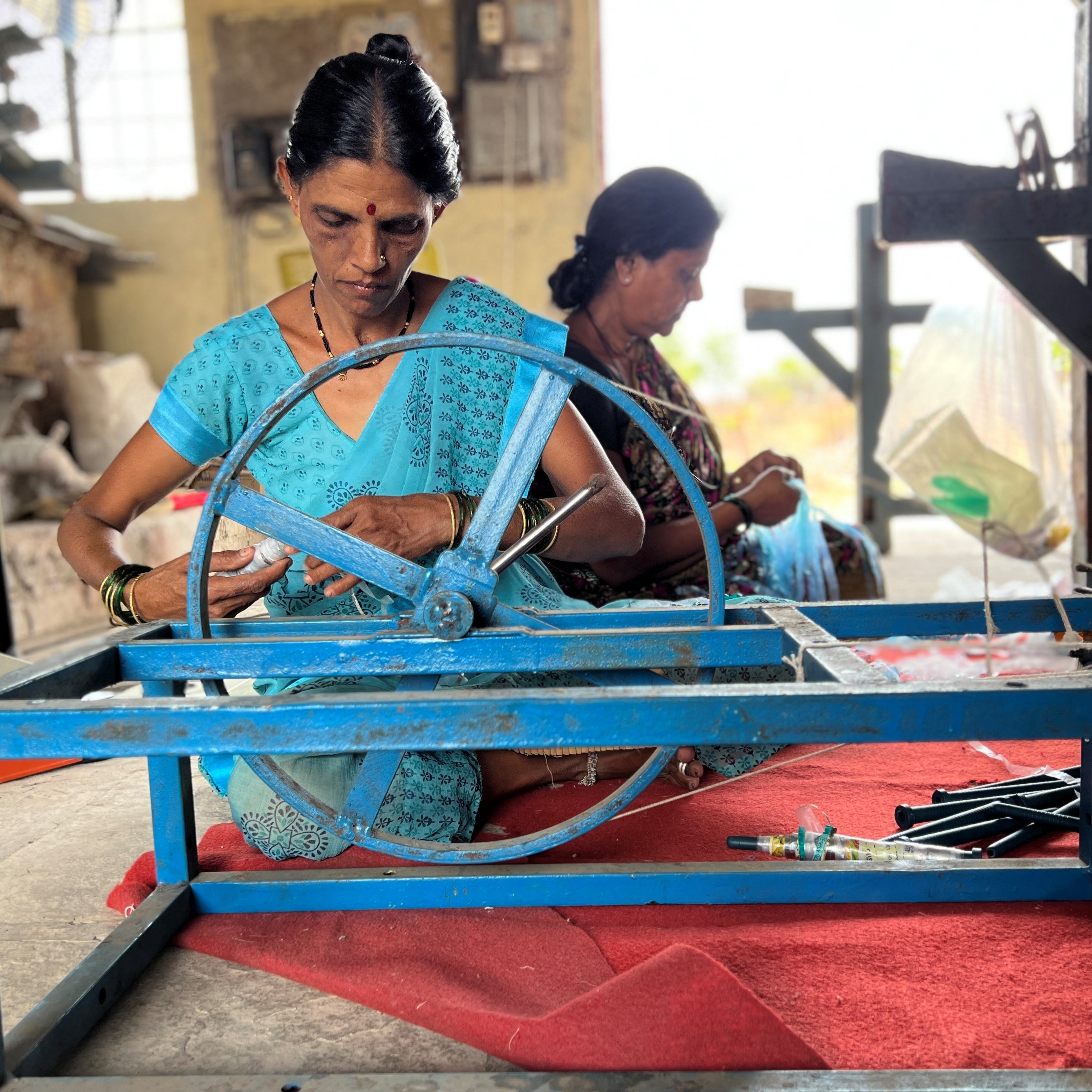
reCharkha Artisan working on Spindle
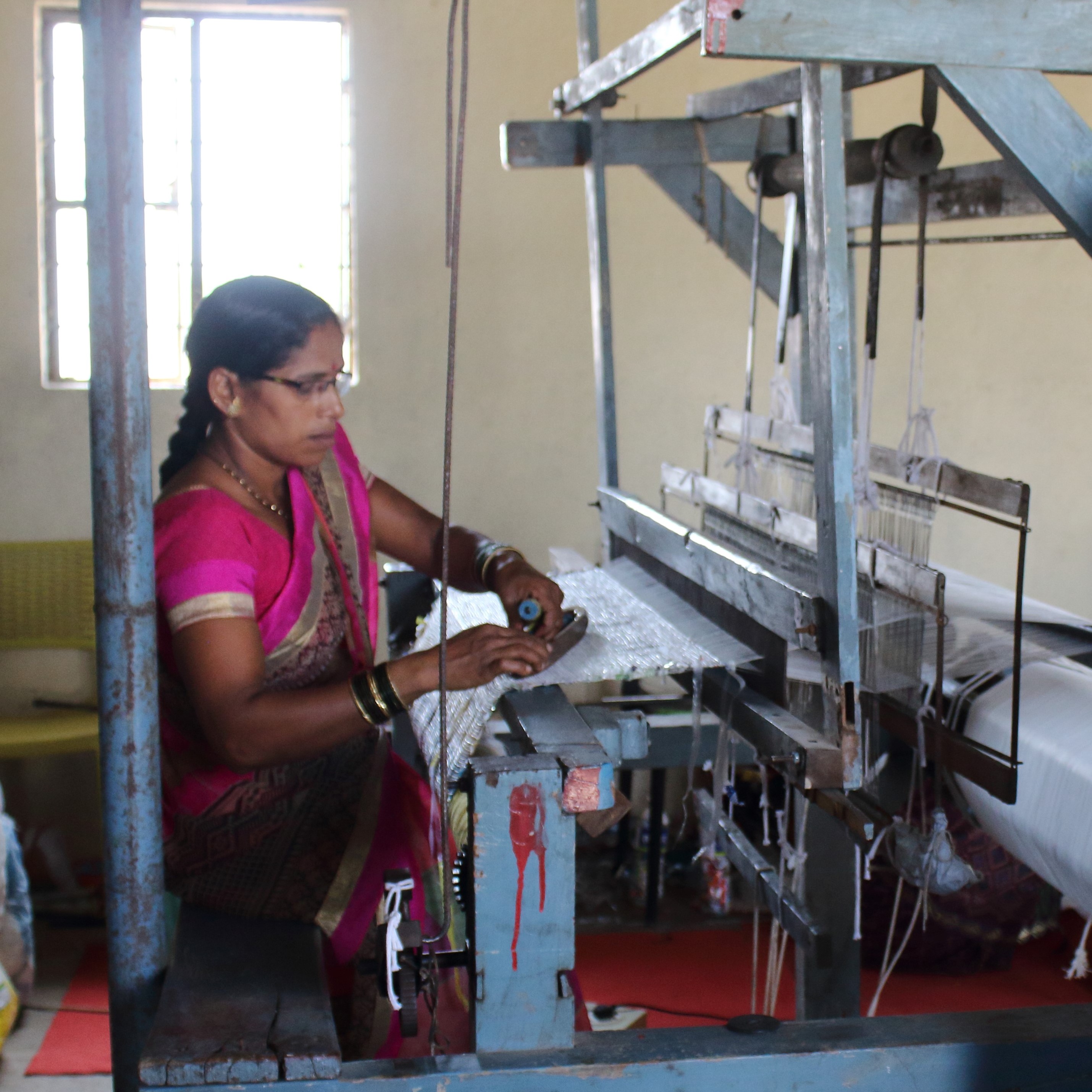
reCharkha Artisan working on Handloom
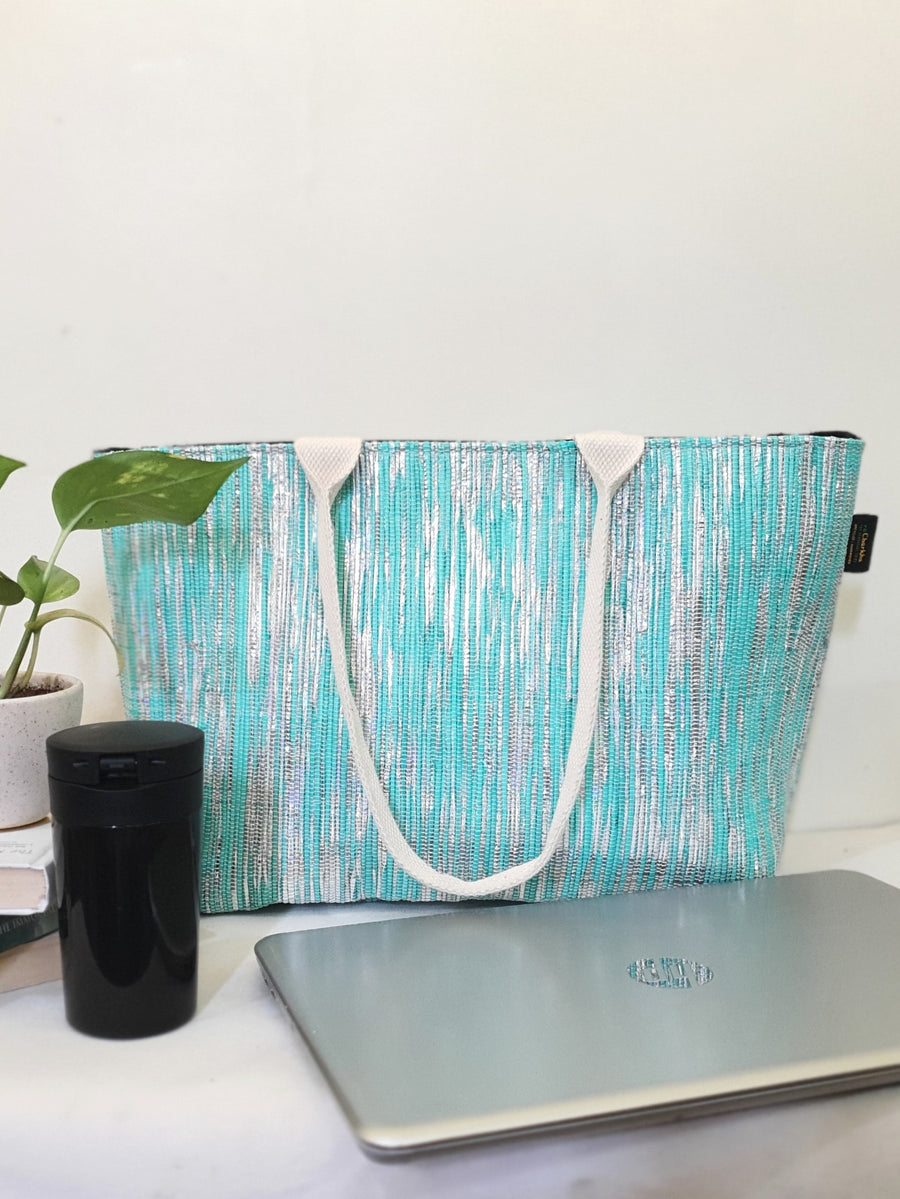
reCharkha Upcycled Handwoven Office Work Tote
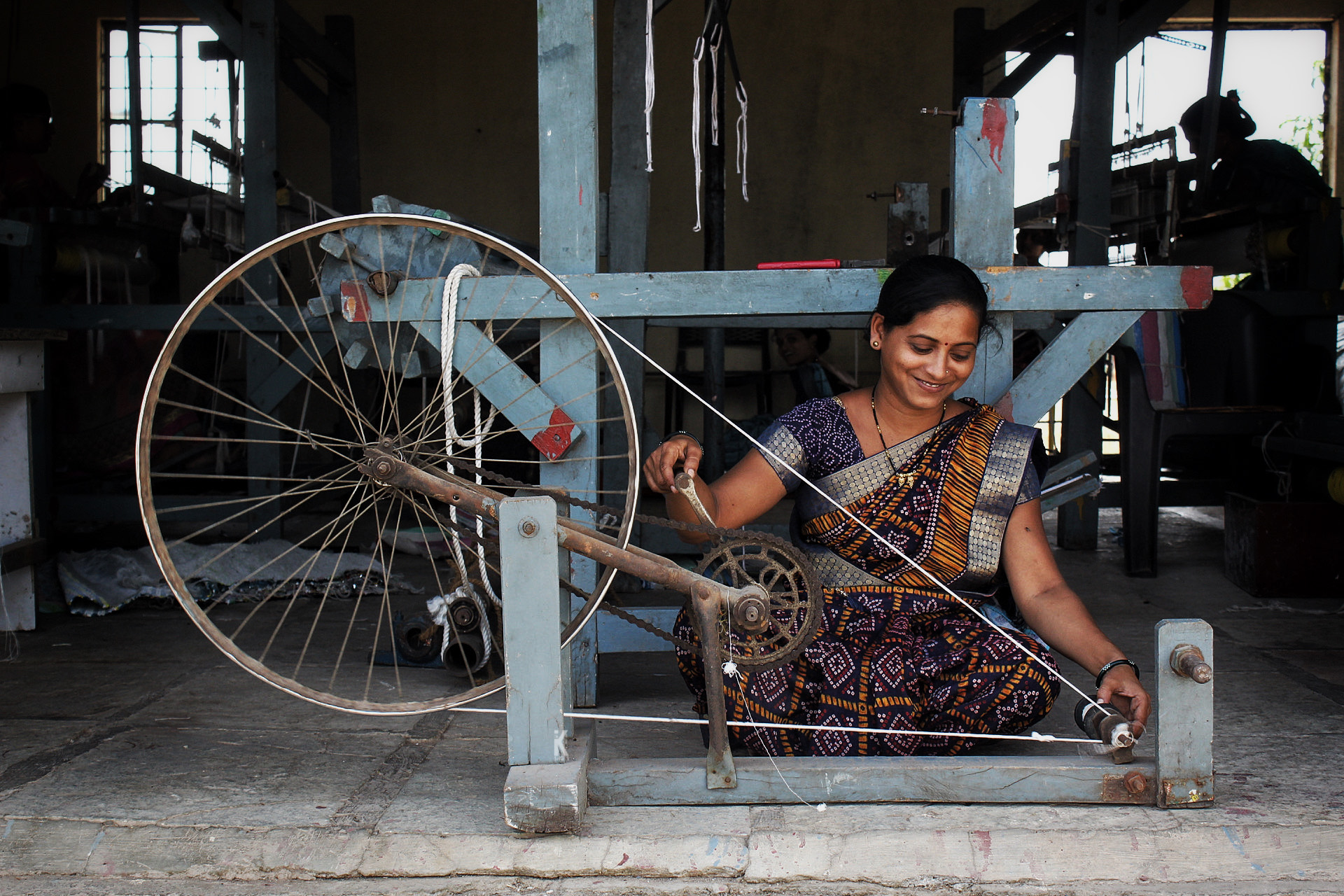
reCharkha Artisan working on Bicycle Spindle!
About reCharkha EcoSocial
reCharkha EcoSocial is a Social Enterprise, founded on the belief that, development can only be sustainable if it is bottom-up! This means, sustainable development is possible only when it begins at the grassroots and involves an empathetic understanding of the other biotic and abiotic communities.
Our three core areas of work are geared to achieve this very model!
These are:
1) Conserving our Environment and Heritage,
2) Enabling Rural Livelihoods and
3) Creating Conscious Consumers
Similar projects
LABELEDBY.
Infinity Of The Artificial Skin
ClipHut
ClipHut wood construction system
Eva van de Sande
EVA
Studio GROOVIDO
PROPHECIES OF DUST
Urban Tree
Urban Tree
Evoluon / curated by Next Nature
Wastematter
Atelier Néerlandais
Atelier Néerlandais Networking Drinks
Buro Kade / Marijke Jans
KAFFA
Lectoraat Nieuwe Materialen en hun Toepassing
Innovative & circular material for future shelters
Around Coffee & Taco's
JOINTHESTAGExAROUND