17-25 October 2026

Reliques of the Plasticene

Reliques of the Plasticene

Hosted by Coline Le Quenven

This project is now archived and was part of DDW22

This project is part of
United Matters
→
Reliques of the Plasticene
Coline Le Quenven
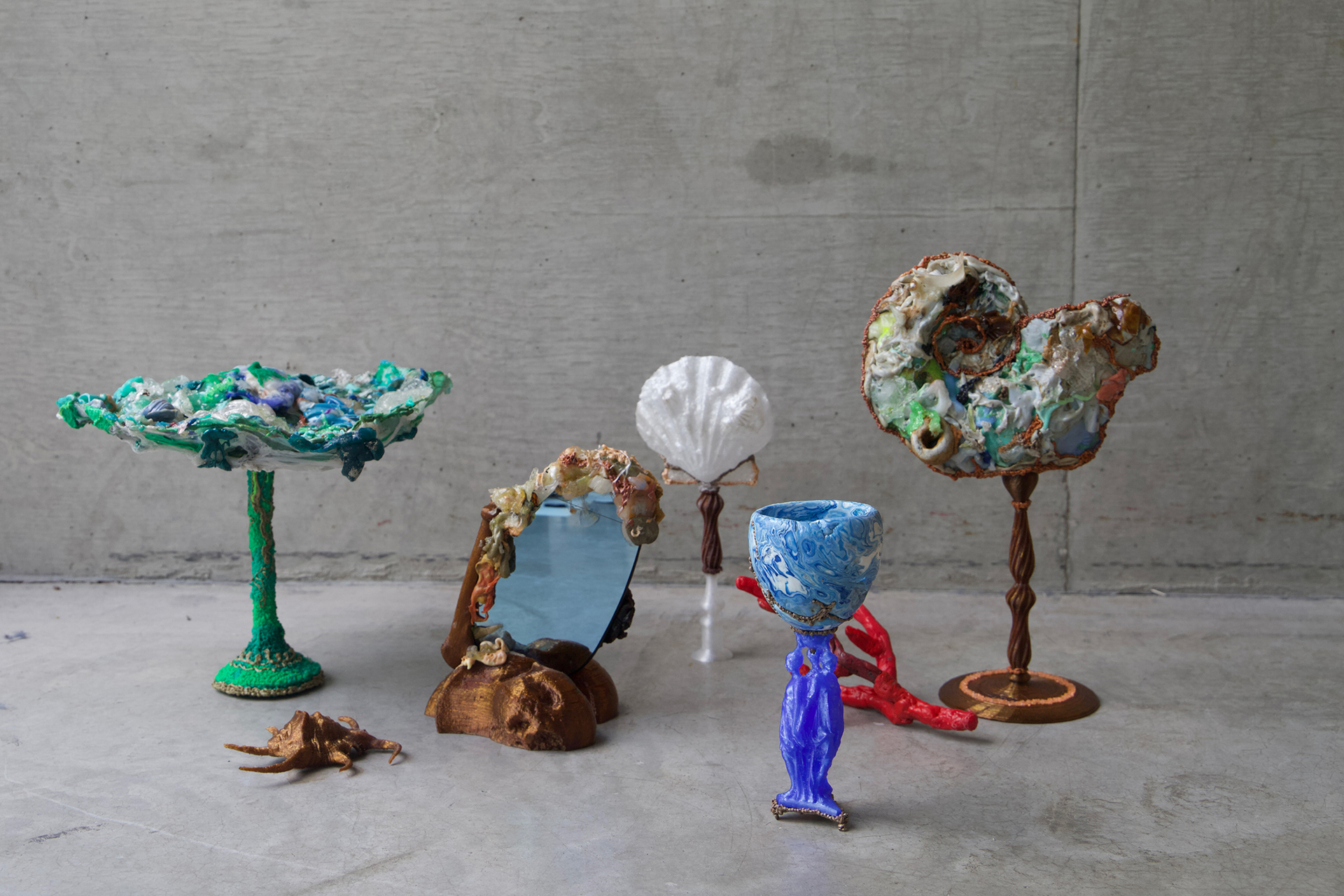
Objects made from plastic waste in the hope of raising awareness about the matter and speculating on how plastic materials blur the boundary between the natural and the artificial, acting as the binder of new types of conglomerates.
How can we craft plastic in the Anthropocene?

Since 1950, humans have produced about 8.3 billion metric tons of plastic, and at least 90 percent is still in existence. It has leaked into the natural environment on a huge scale, and yet we continue to produce it at an ever-increasing rate. Plastic materials have become an intrinsic part of our ecology and environment. Over geological time, they may be subjected to the same heat and pressure that form rocks and minerals. Future geologists may identify the remains of plastic bottles as fossils even if the plastic itself has degraded or been replaced by other materials. I wonder what future civilisations are going to understand from ours when they dig through the plastic layers of Earth? I imagined these objects made from plastic waste in the hope of raising awareness about the matter and speculating on how plastic materials blur the boundary between the natural and the artificial, acting as the binder of new types of conglomerates.
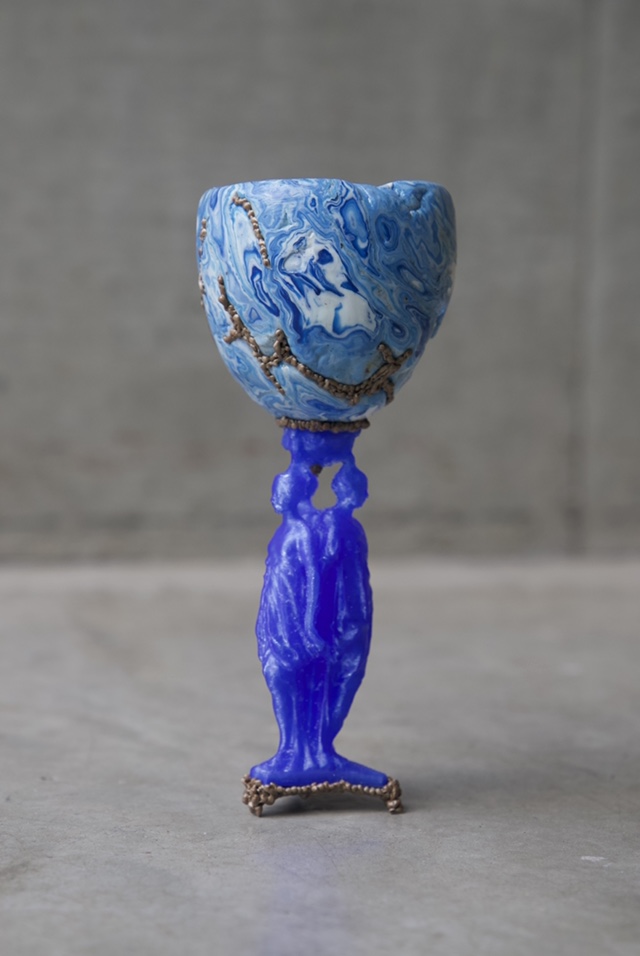
The three graces cup
Coline Le Quenven
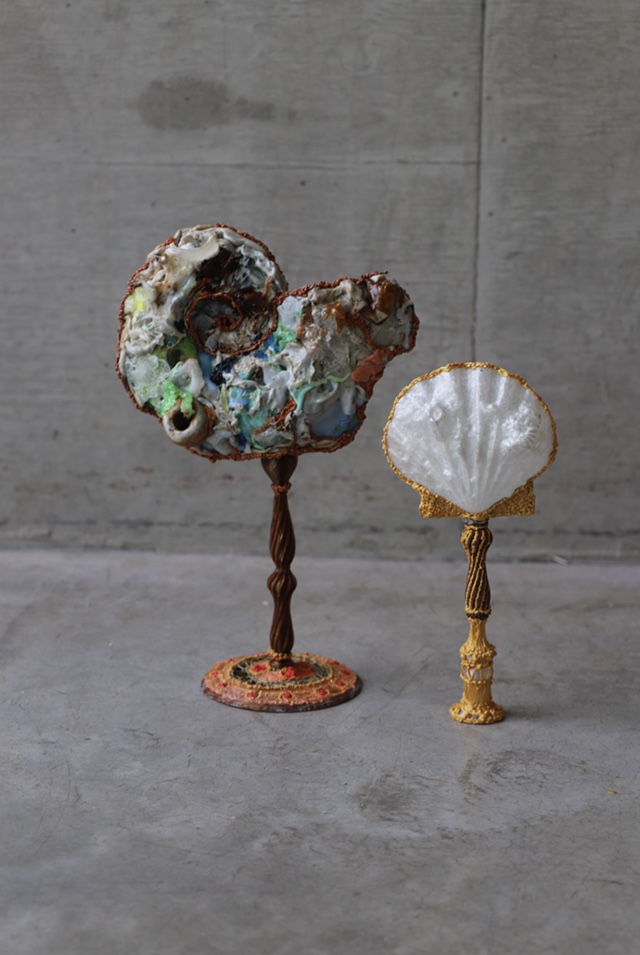
Shells
Shells
Coline Le Quenven
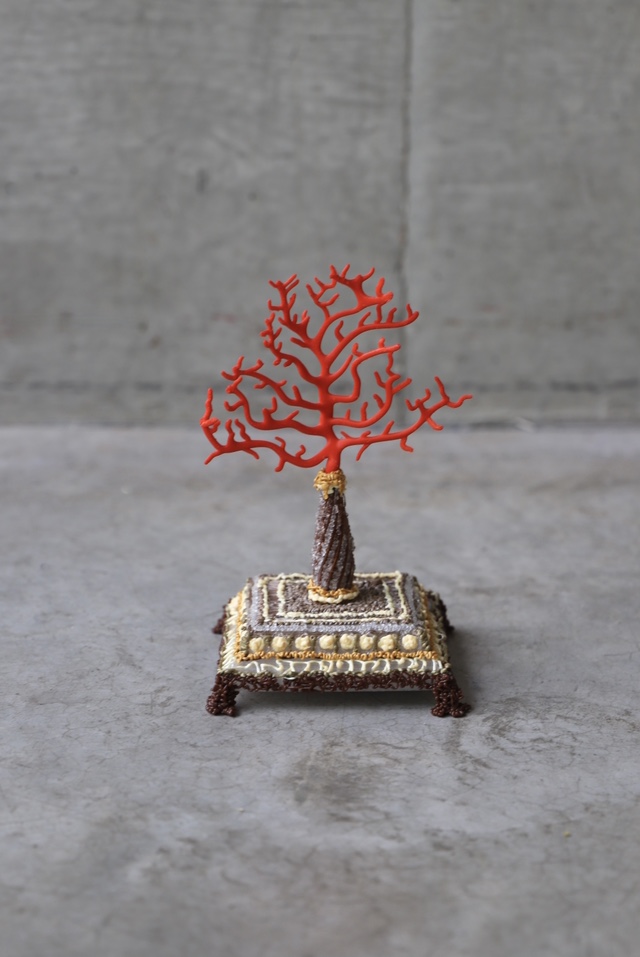
Coral
Coral
Coline Le Quenven
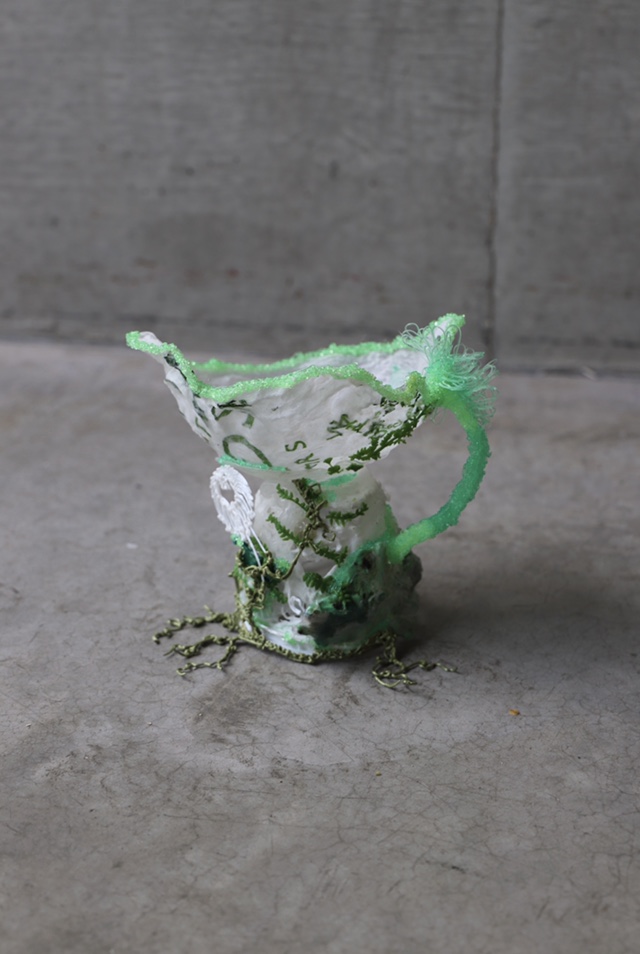
Jug
Jug

About Coline Le Quenven

How can we craft plastic in the Anthropocene? Objects made from plastic waste in the hope of raising awareness about the matter and speculating on how plastic materials blur the boundary between the natural and the artificial, acting as the binder of new types of conglomerates.