This project is now archived and was part of DDW22
This project is part of
Home(Land). UKRAINE.
→
Home(Land). UKRAINE.
CHY pottery
Charlotte Visser
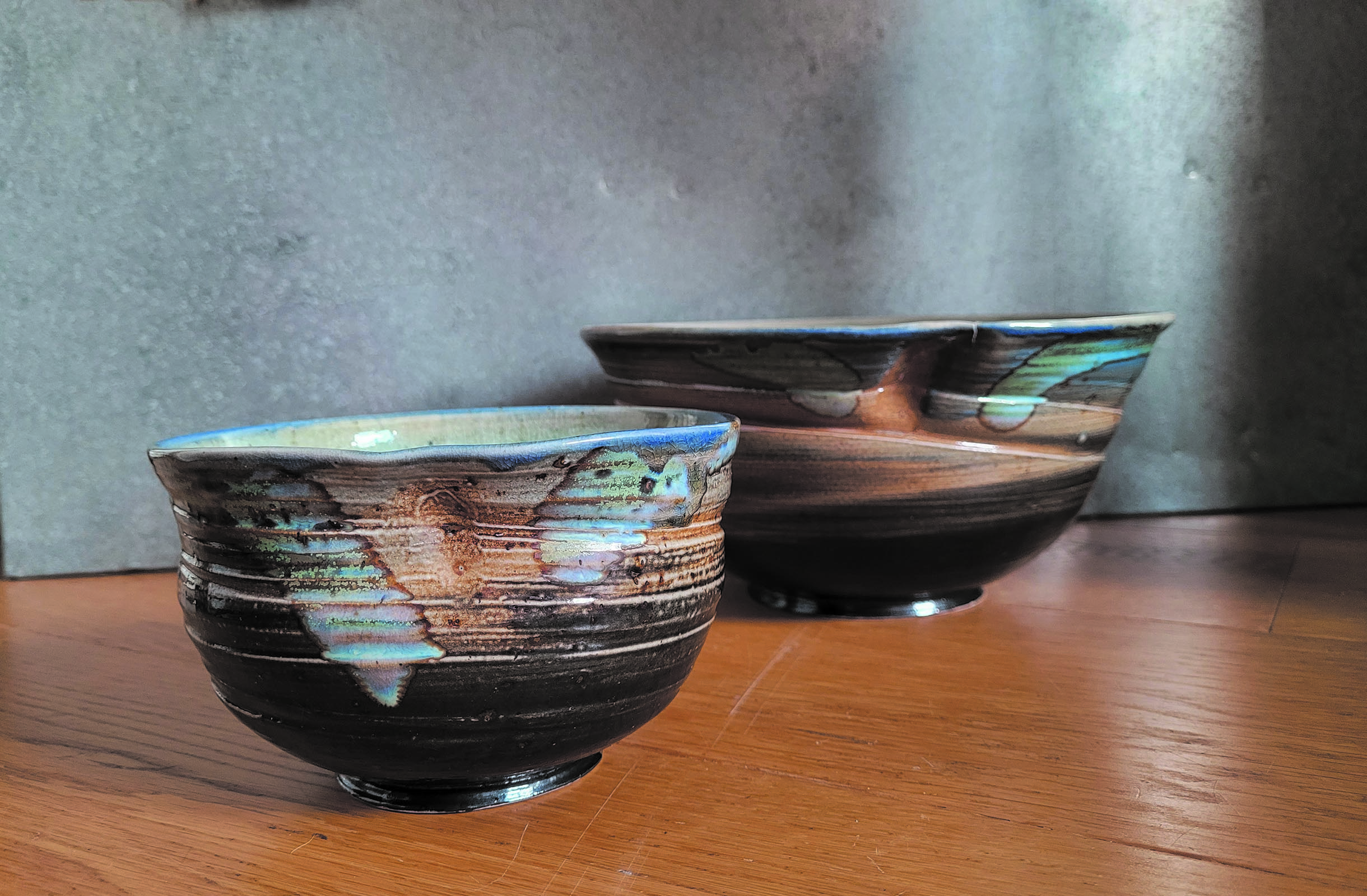
With the annexation of Crimea in 2014, Ukraine has lost its source of sea salt. The remaining natural salt mines of Donbas are now partially occupied after a full-scale invasion. Through the heat of the kiln, CHY pottery embraces those salts as a glaze on ceramics, narrating the story of war.
Concept: Charlotte Visser
Material: Dutch clay, Salt from lake Syvash (Kherson oblast), Salt from ArtemSil factory (Soledar, Donetsk oblast), salt from Drogobych Saltworks (Lviv oblast)
Production: Charlotte Visser
With the annexation of Crimea in 2014, Ukraine lost its source of sea salt. The biggest natural salt mines of Donbas had to stop production as the war frontline lies now literally on top of these mines. This grave supply crisis led to the rebirth of an almost forgotten boiled-salt mine in Drohobych, western Ukraine. Charlotte Visser (CHY-pottery), a ceramist who works with an old traditional Dutch technique of salt-firing, was fascinated by this story and decided to embrace the feelings of loss and hope in her works. She glazed her pottery pieces with Ukrainian salts from all three regions of Ukraine - Crimea, Donbas and West binding them all together.
By
CHY pottery (The Netherlands)Hosted by
Stichting Art-East+Art-West & NARADA Foundation[email protected]
Visit website
About CHY pottery (The Netherlands)
With the annexation of Crimea in 2014, Ukraine has lost its source of sea salt. The remaining natural salt mines of Donbas are now partially occupied after a full-scale invasion. Through the heat of the kiln, CHY pottery embraces those salts as a glaze on ceramics, narrating the story of war.
Colofon
Home(Land) is a co-production of Stichting Art-East + Art-West and Narada Foundation curated by Dasha Tsapenko and Nazar Gresko.
Partners