Touching Death
An urn embraced by a skin like texture, injected with the DNA of the deceased.
Hosted by Lauren RaaijmakersThis project is now archived and was part of DDW22
Event type
Exhibition
Location
Strijp T+R
BioArt Laboratories
Oirschotsedijk 14-10
5651 GC
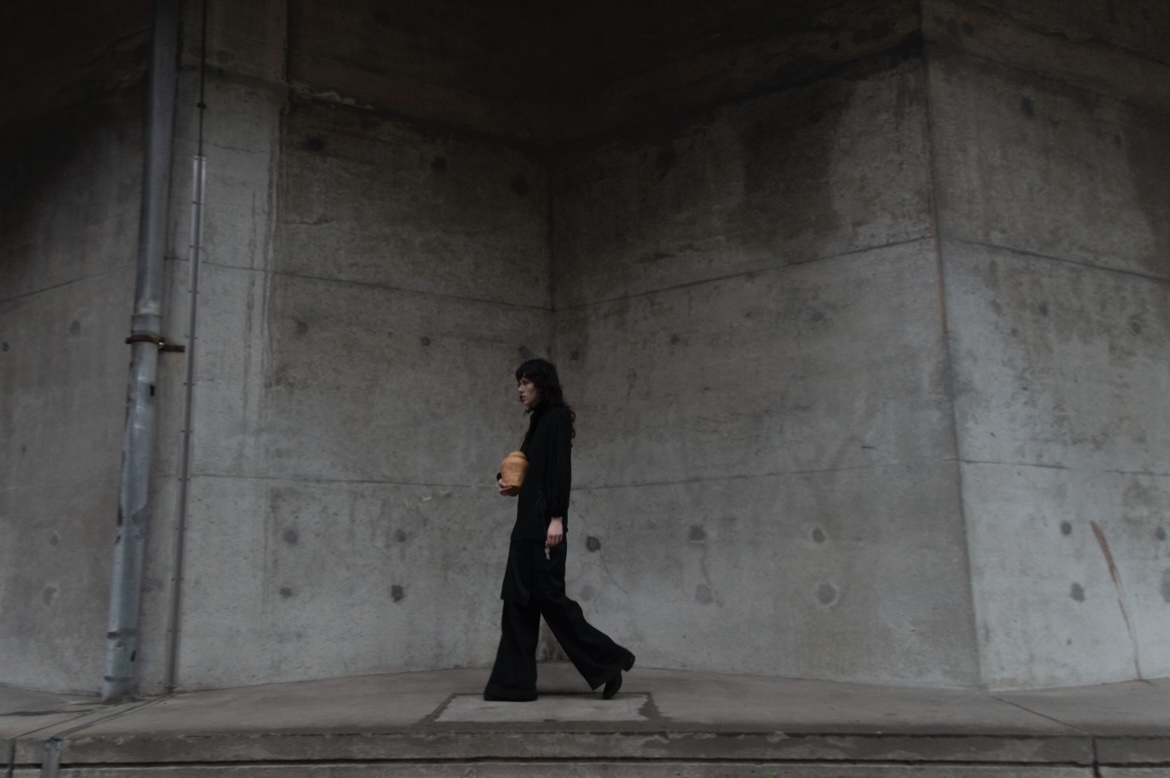
Touching Death Reconstruction
Lauren Raaijmakers
We were violently confronted with death at the start of the pandemic in 2020. We were forced to rethink our approach to mourning. The symbiotic urn created by Lauren Raaijmakers (1996) after her grandfather passed away by Covid-19 presents a new approach to our mourning rituals and objects.
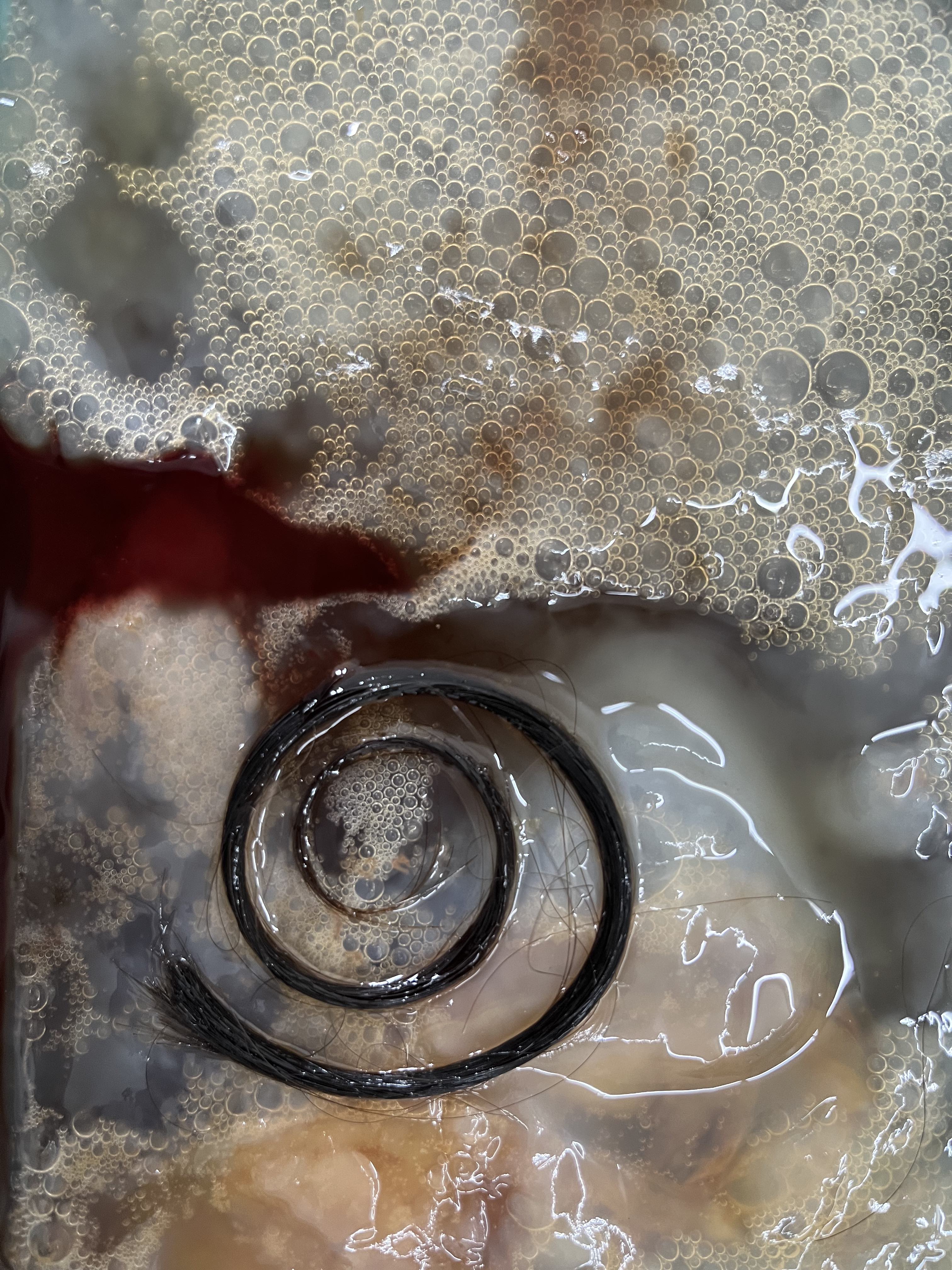
test phase - wet scoby with DNA
Lauren Raaijmakers
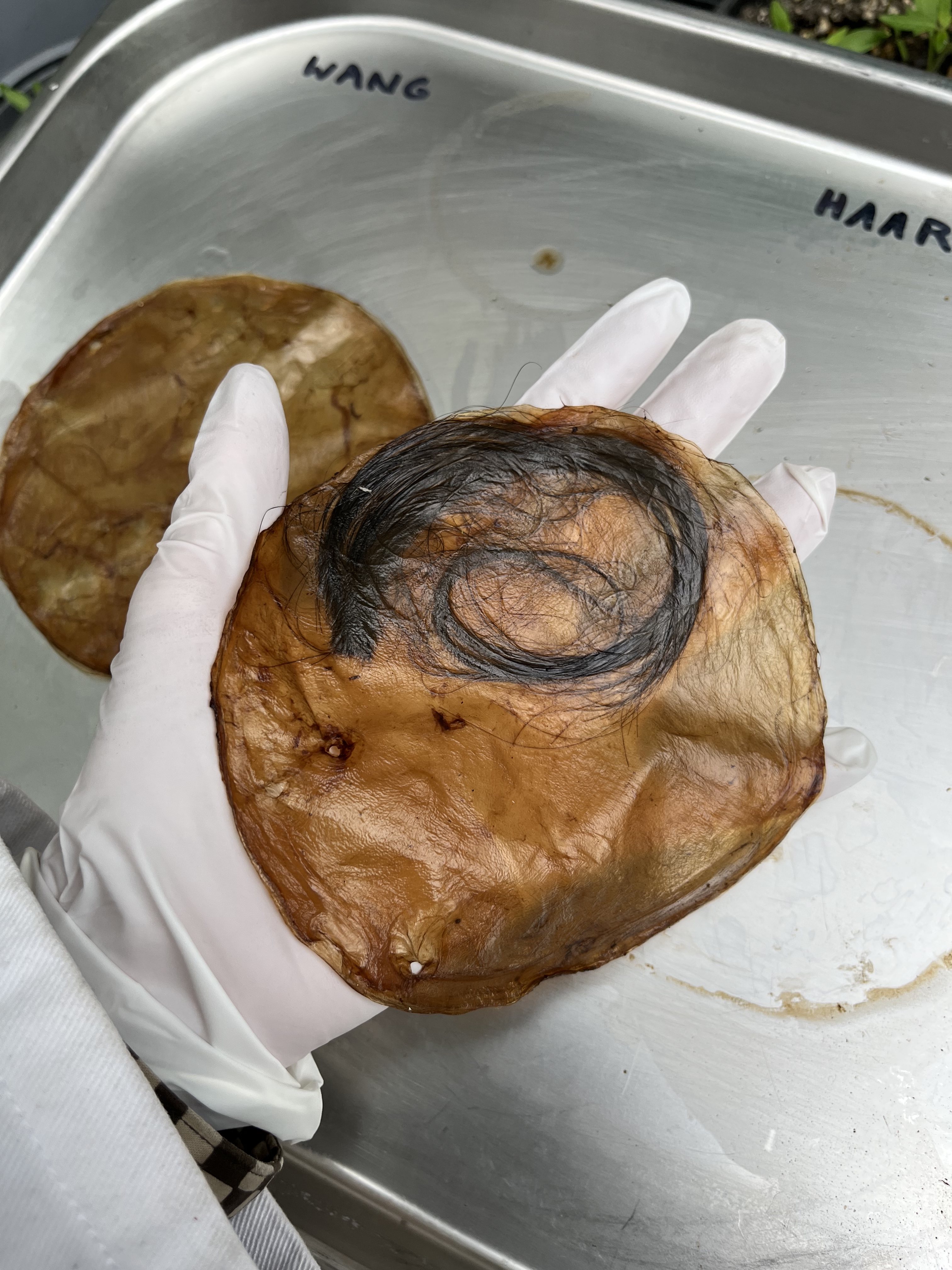
test phase - dried scoby with DNA
Lauren Raaijmakers
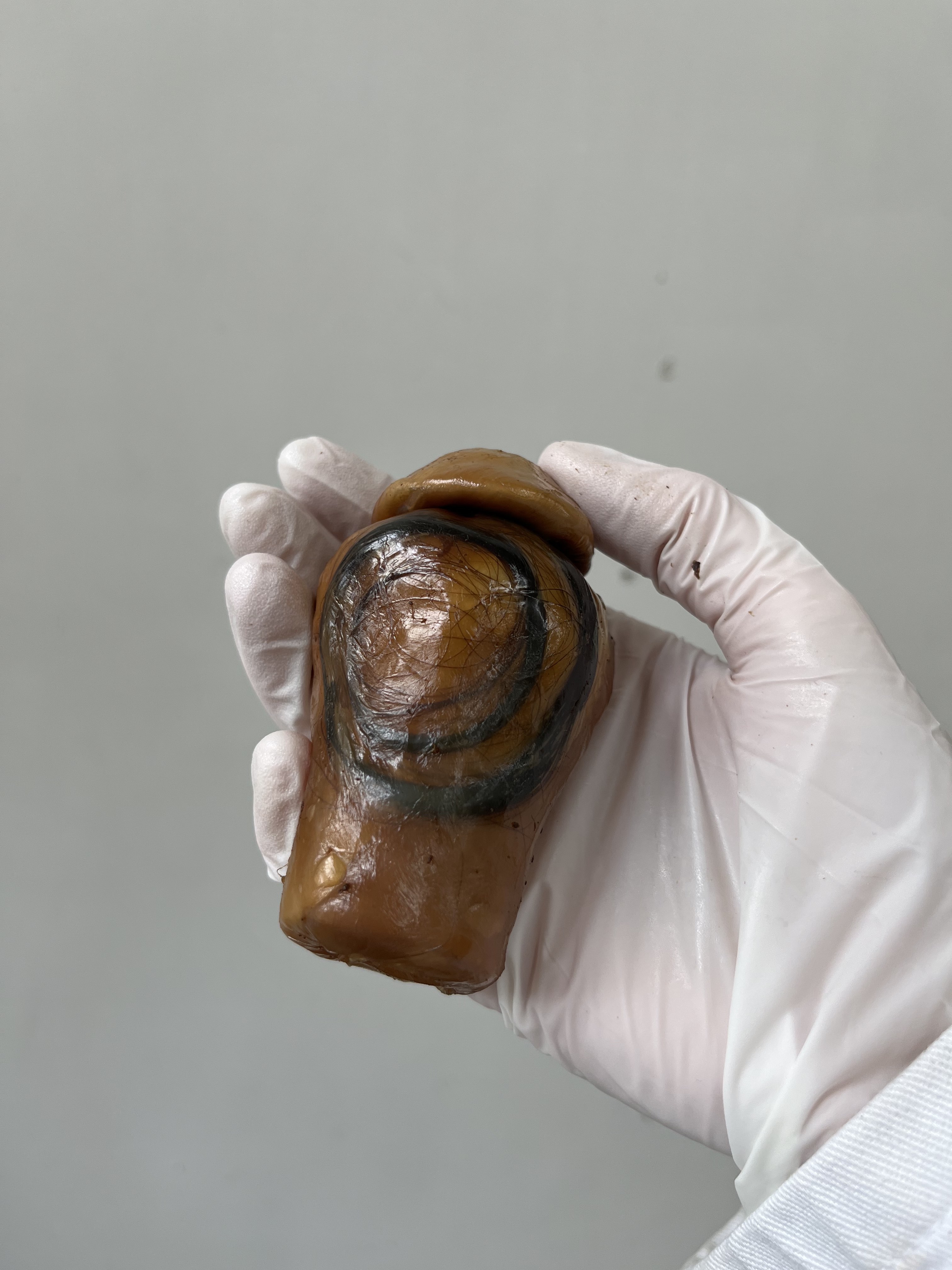
test phase - miniature urn
Lauren Raaijmakers
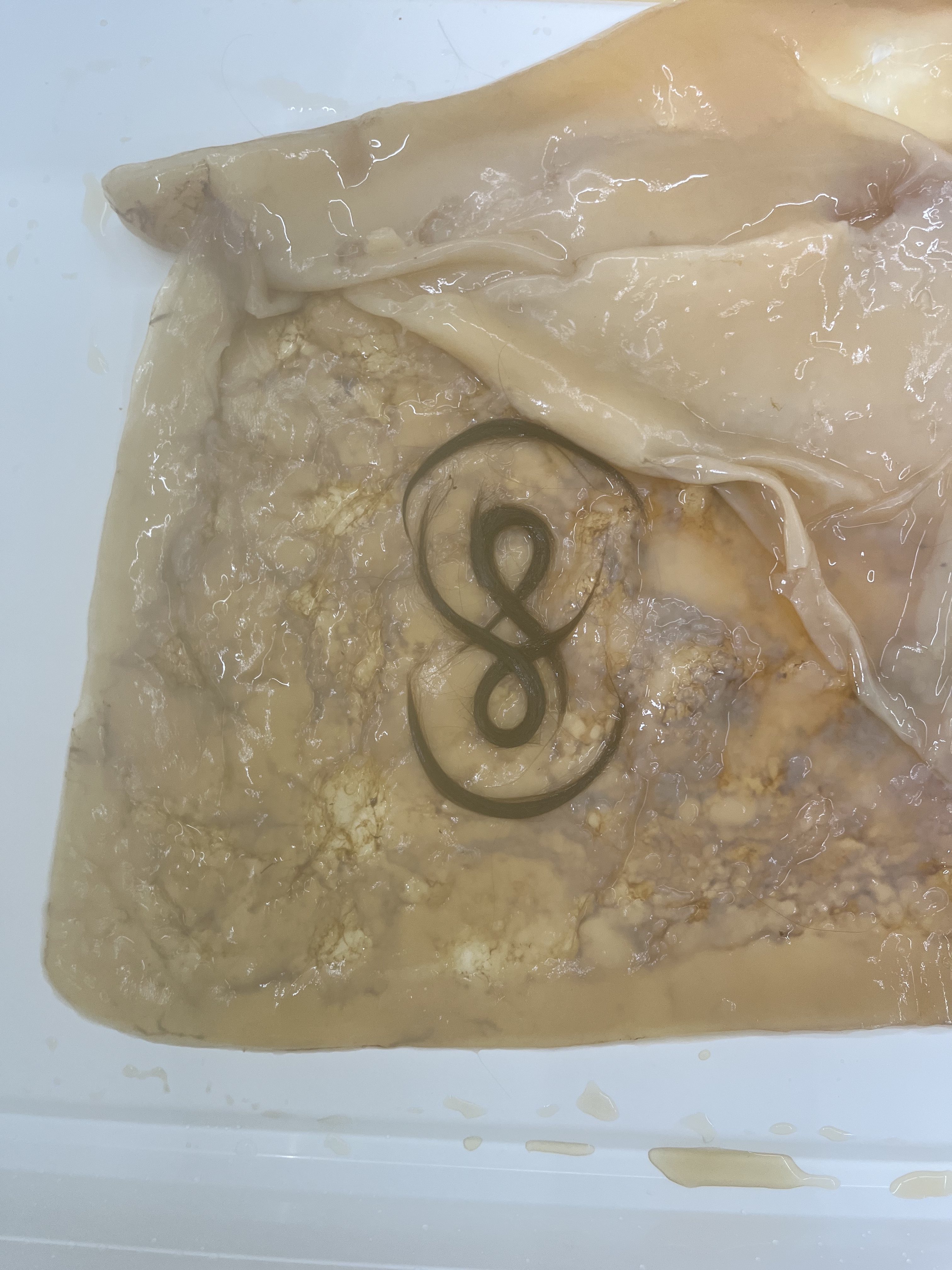
test phase - big wet scoby with DNA
About Lauren Raaijmakers
Lauren Raaijmakers is a multidisciplinary artist specializing in photography, visual culture and bio art. She works with complicated topics such as transience, suffering and portraying complex emotions. The ethical questions that arise from the visual language we use are central to her research. This research is the groundwork for her ‘images’. In her artistic practice she confronts the audience with these complicated topics and entices them by the use of symbolism in her imagery.
Colofon
Artist
Lauren Raaijmakers
Similar projects
IPER-collettivo
Plastic W(e)ave
ATELIER JORDAN ARTISAN
JORDAN ARTISAN'S CENTERED PIECES.
VPRO
VPRO beeldentuin
Seulbin Roh
Disconnectedness
Next Nature
Nano Supermarket
Miriam Sanders
Flowers to Paint
Make Eindhoven
To-Riso-Or-Not
Alexander Johannes Heil
The Whalesong Project
FELD
De Trip
Anna Resei, Ida Blichfeld & Pete Ho Ching Fung
De Snoepwinkel