17-25 October 2026

Archaeological data

Archaeological data coolers

Hosted by Claudia Paredes

This project is now archived and was part of DDW23

This project is part of
The Symbiocene Forest - Down to Earth
→
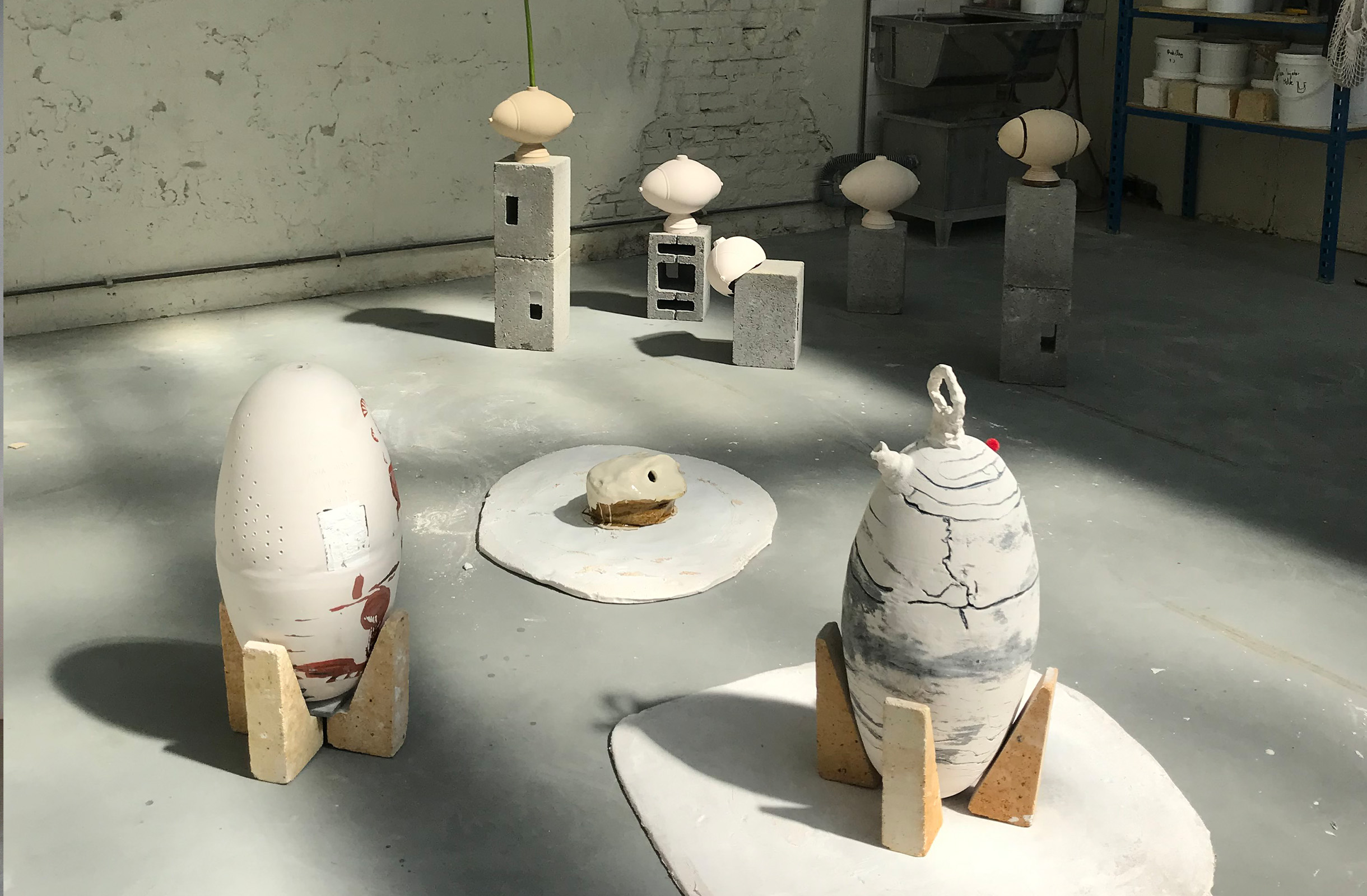
In order to understand my own exploration of new cooling systems applied to traditional ways of building with soil and clay; I present a new collection of coolers that will play an important role in the development of a prototype that could be incorporated in the actual cooling of a data centre.

Passive cooler, data cooler

The effectiveness of clay-based passive cooling may vary depending on the local climate. “Archaeological data coolers” play with weather patterns as well as the very own climatic conditions of a data centres to analyse different environments and the consequences of actual data centres in their surroundings. Passive cooling systems can significantly reduce the energy consumption of data centers, which are notorious energy hogs. This approach aligns with sustainability goals and the representation of a near future where design technology and the archaeology of our ancestors craft techniques will melt into new ecosystems. Archaeological data as a term encompasses various types, including artifacts (objects made or modified by humans), ecofacts (environmental remains like seeds or bones), features (structures or deposits), and contexts (the spatial and temporal relationships between artifacts and features). My practise analyse principles of archaeology data in order to gain a comprehensive understanding of past societies to face the future of technology.

About Claudia Paredes

In order to understand my own exploration of new cooling systems applied to traditional ways of building with soil and clay; I present a new collection of coolers that will play an important role in the development of a prototype that could be incorporated in the actual cooling of a data centre.

Colofon

Claudia Paredes