This project is now archived and was part of DDW23
This project is part of
U don’t Know
→
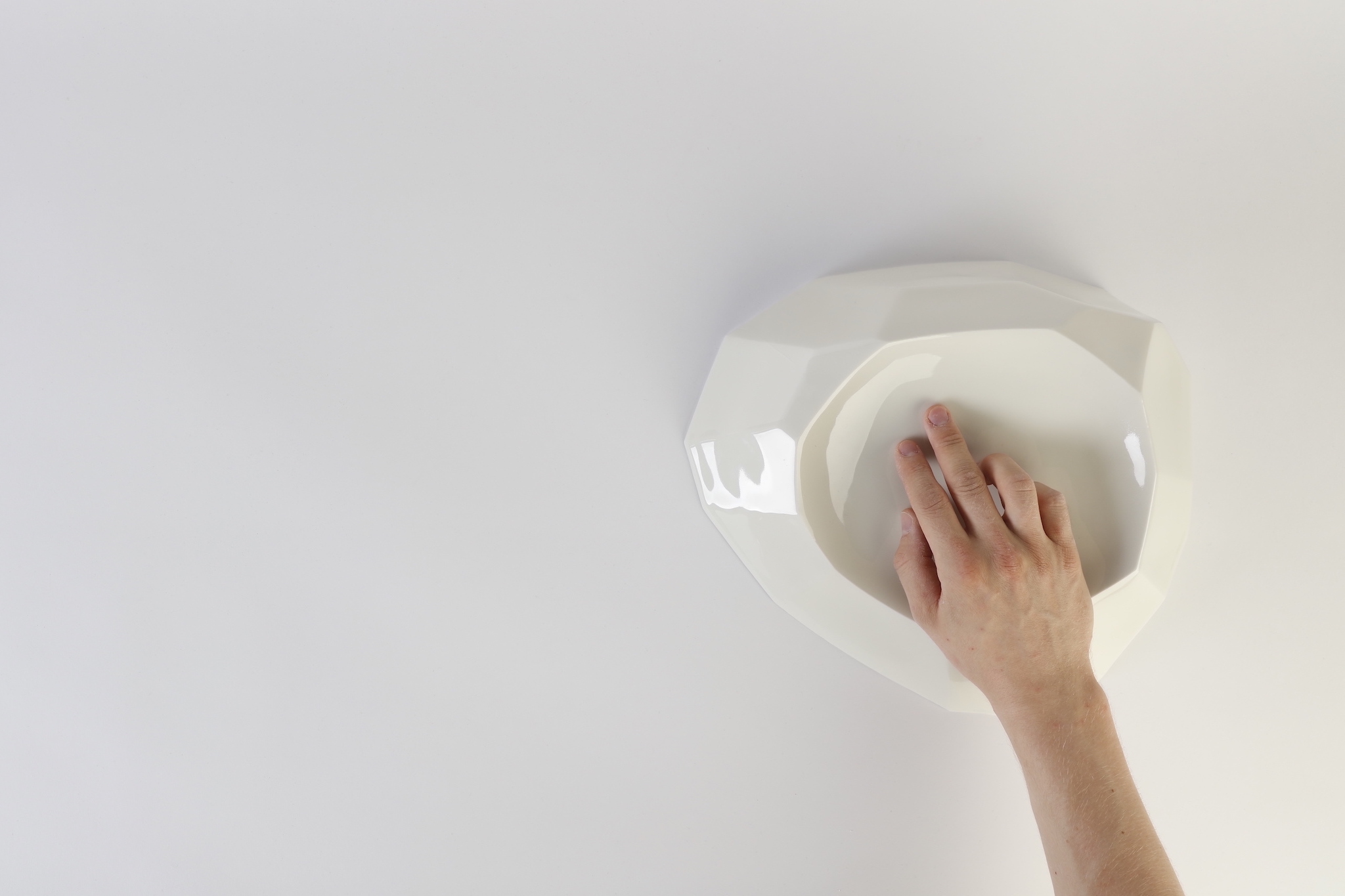
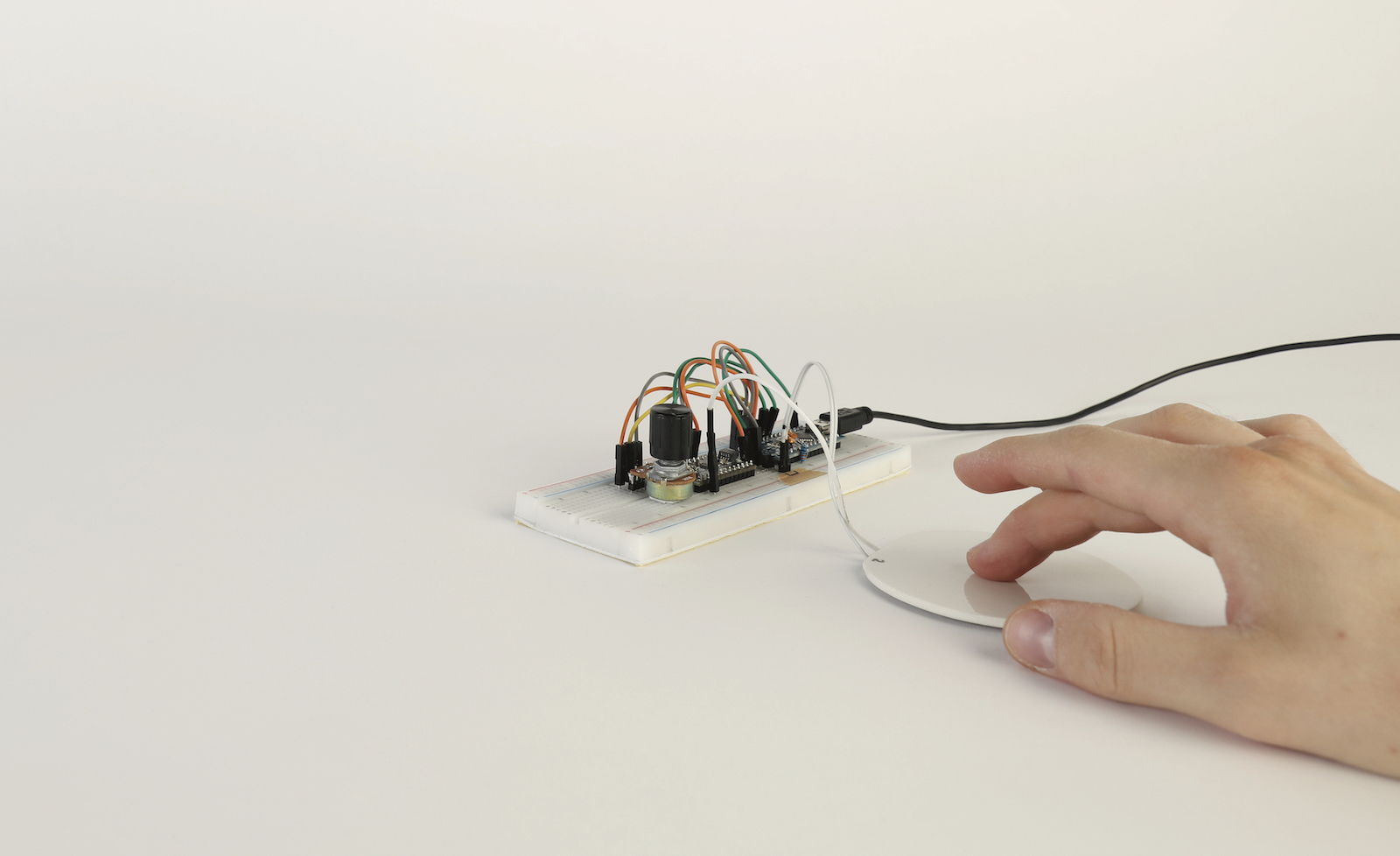
If 'home' means comfort and security, then home technologies demand a material change. Through its aesthetic, almost sculptural quality, Ceramic Touch becomes a natural part of the home while enabling digital interaction through subtle touch gestures.
Why Smart Homes are Flawed
When thinking of the technologies entering our homes nowadays, it quickly becomes clear that we actually do want most of their specific conveniences and comforts, yet we are uneasy about their surveilling presence that on occasion parallels an Orwellian dystopia.
The main point of contention seems to be the way we interact with these technologies. Voice assistants are useful yet you may never be sure whether they are secretly listening. Controls through a phone or tablet computer may alleviate this, yet their digital presence can become a sharp intrusion into our home environment - a place that at times we specifically want to be devoid of screens and distractions.
The Ceramic Touch project comes up with an alternative through a number of ideas. At its core is a conceptual ground work, that is then expressed through materials, shape and interaction.
Touch - a Core Way of Human Interaction
To create a new way of interacting with our home technologies, the part we need to question is quite obviously the digital hub that is center to it all. This hub needs to blend into our home environment in both an aesthetic as well as a conceptual way - only open to actively intended interaction, not potentially sovereign in itself. Its technology should be hidden as to not intrude, yet obvious in its functioning as to not raise unease.
As its input, touch was therefore chosen - given it is subtle yet definitive, unobtrusive yet always accessible. Yet more importantly, touch is a core way of human interaction - it comes natural to us and builds deep connection, we trust it for its physical component, which we instinctively know to be in control of.
Ceramics - a Material Change
Equally important however is the material forming the surface to be touched, as it informs whether this interaction is perceived as cold or warm, sterile or welcoming. Commonly used materials such as plastics, metals and glass tend to fall into a more sterile perception, while woods and textiles fall into the historically more homely ones.
A unique material in between are ceramics. It combines the clear and timeless elegance that glass and metals may achieve while having a huge heritage that grounds it firmly in human culture. We interact with ceramics in natural, unforced ways and its aesthetics are inherently tied to attributes we connect with home.
The final object is therefore a culmination of the above.
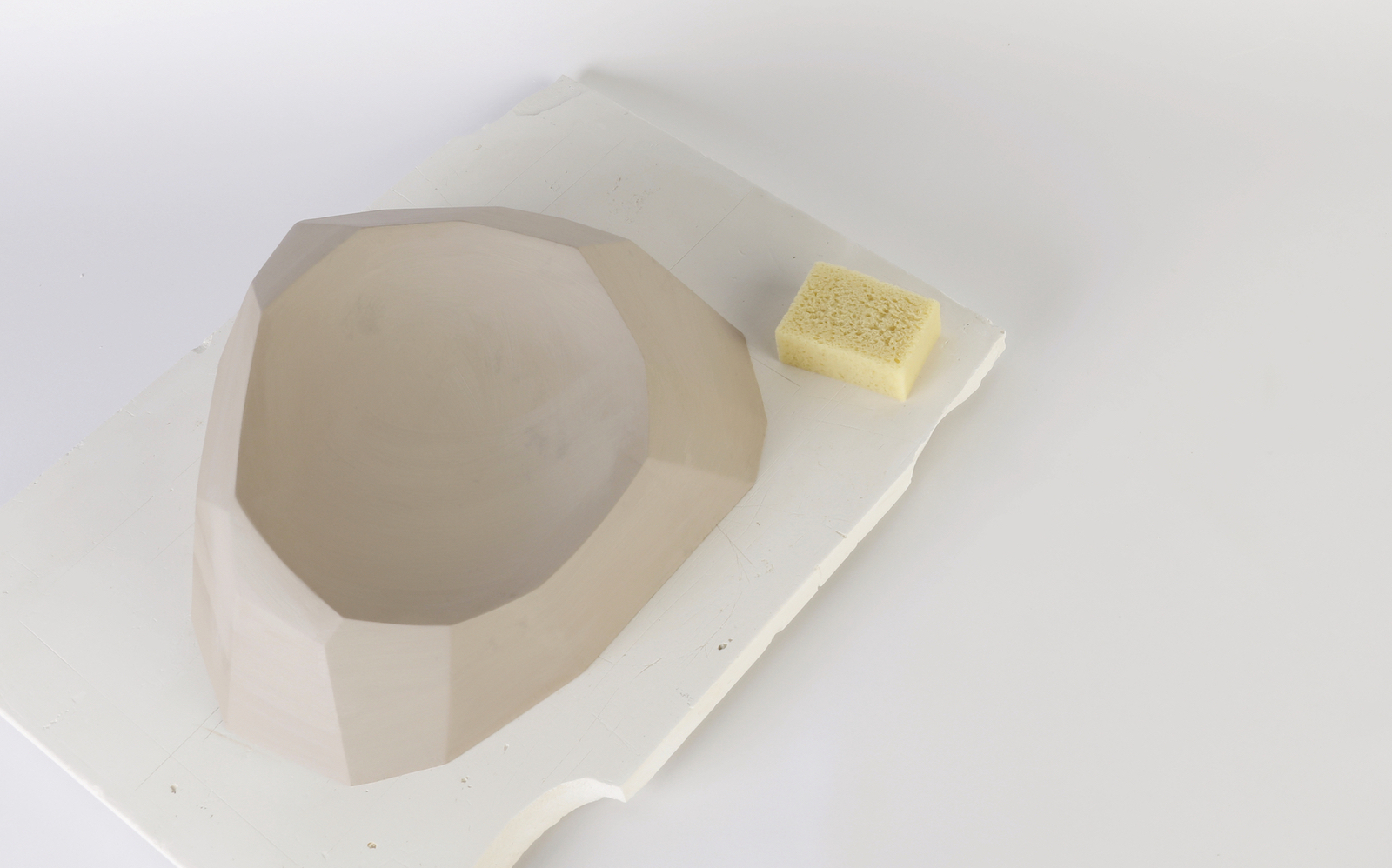
A sculptural piece of ceramic, defined by crystalline faces for visual clarity and a slightly slanted, concave section which invites the palm to rest on its edge, naturally exploring its shape.
To the unknowing eye, it may just be a show piece displayed for its aesthetic value. Yet the people calling its surroundings home know the intricacies of subtle touches and gestures that will reveal control over the various home technologies around.