17-25 October 2026

De-Construction Site

Reclaiming the city as our collective common.

Hosted by Henry K. Wein

This project is now archived and was part of DDW23

This project is part of
Dialogues of the Unheard
→
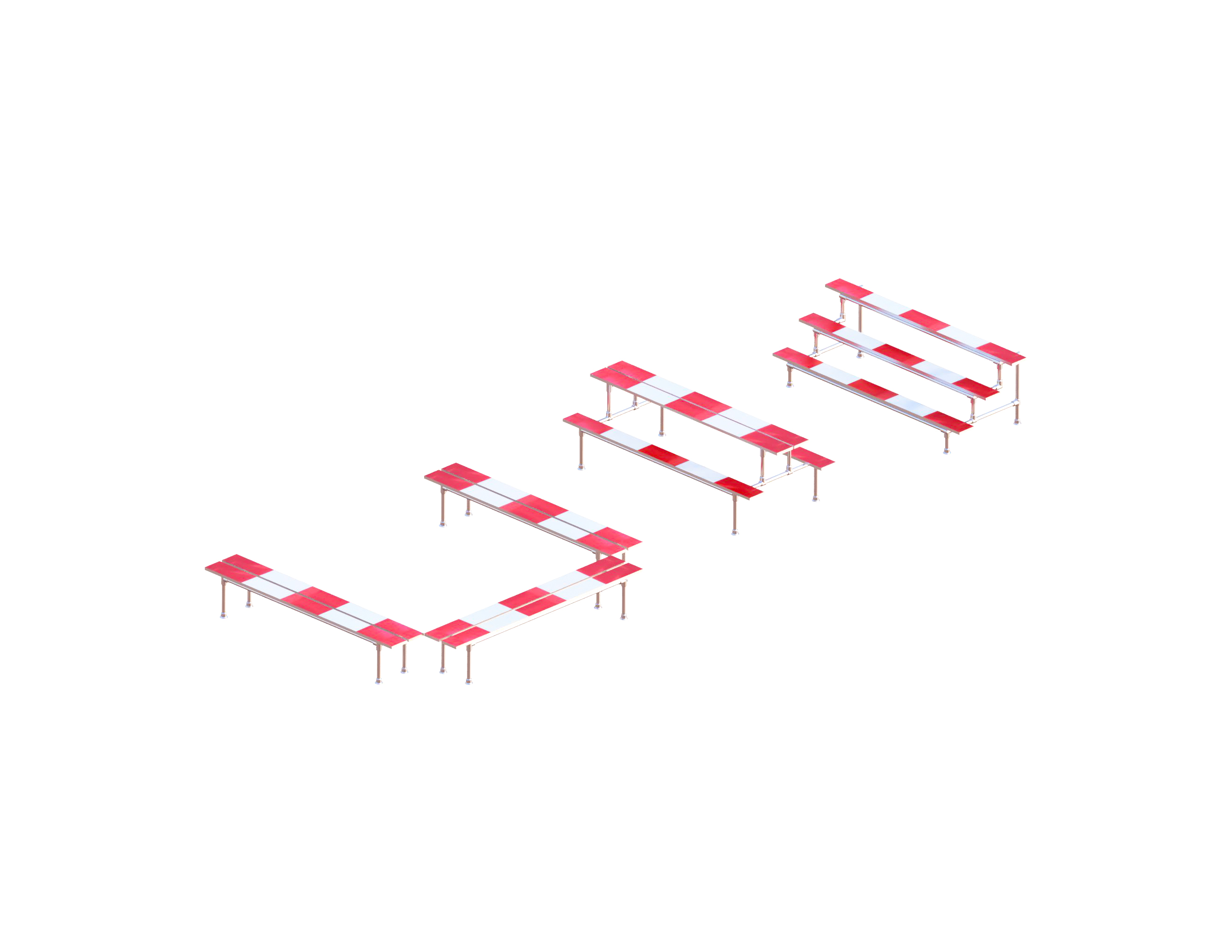
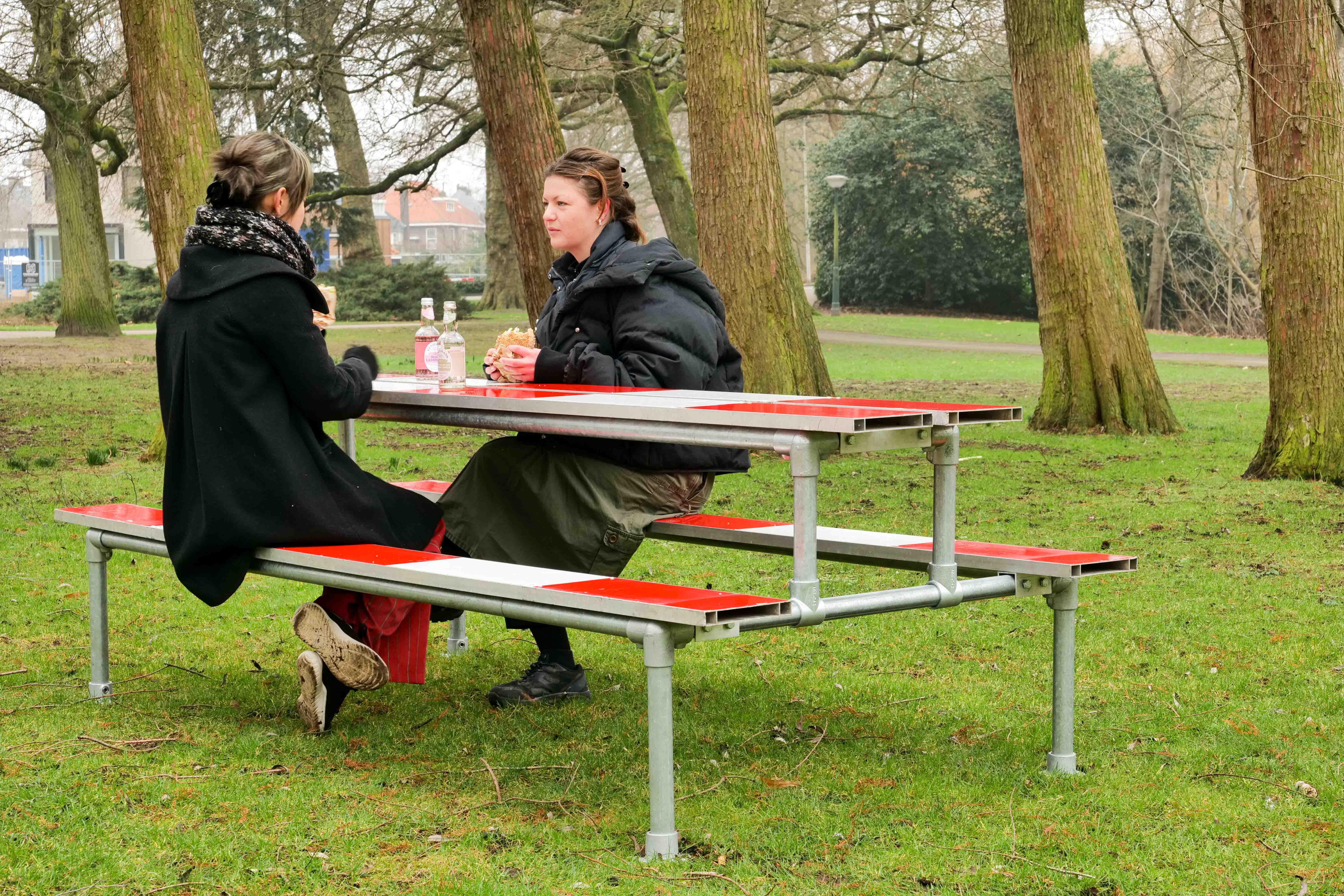
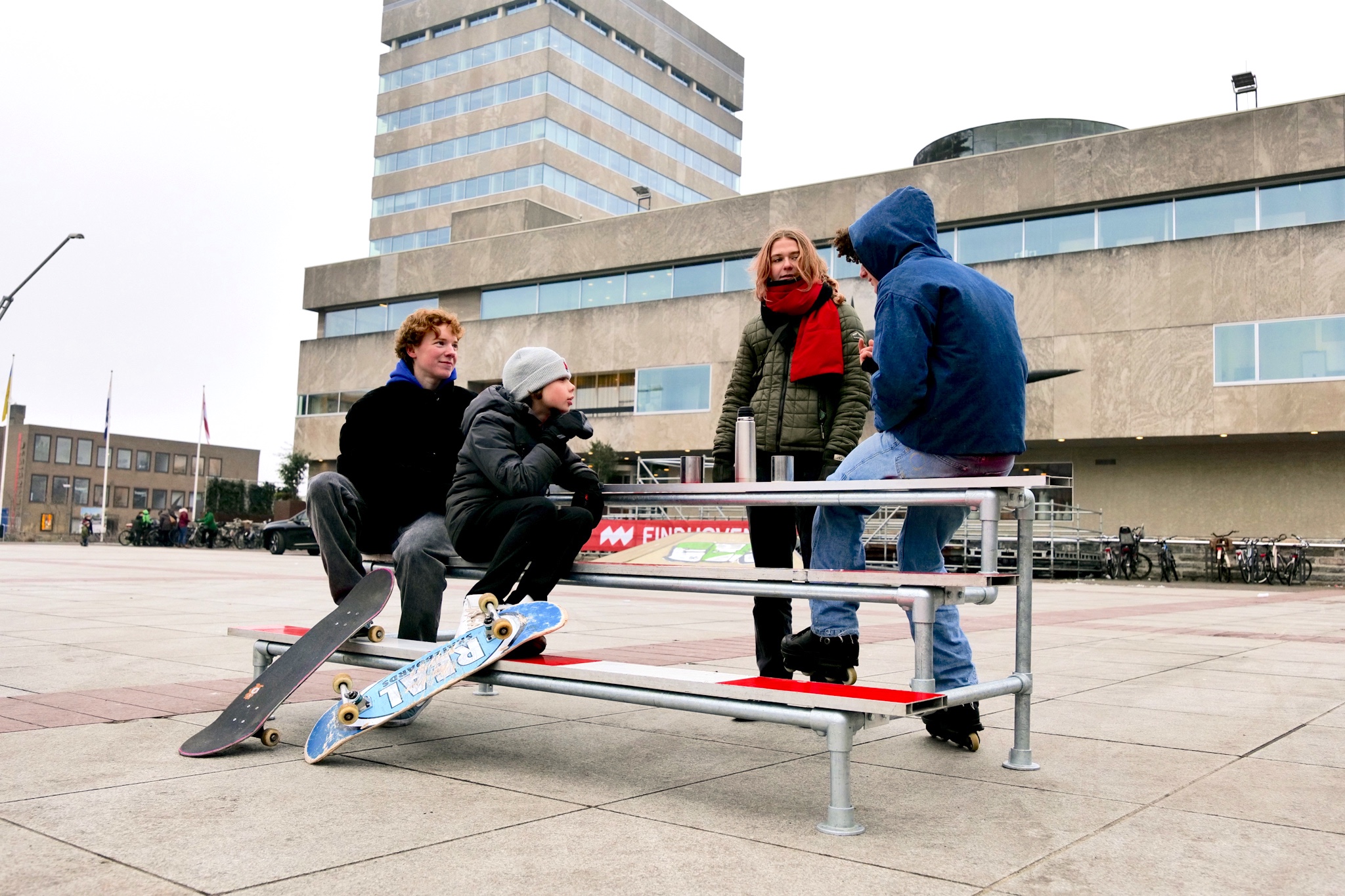
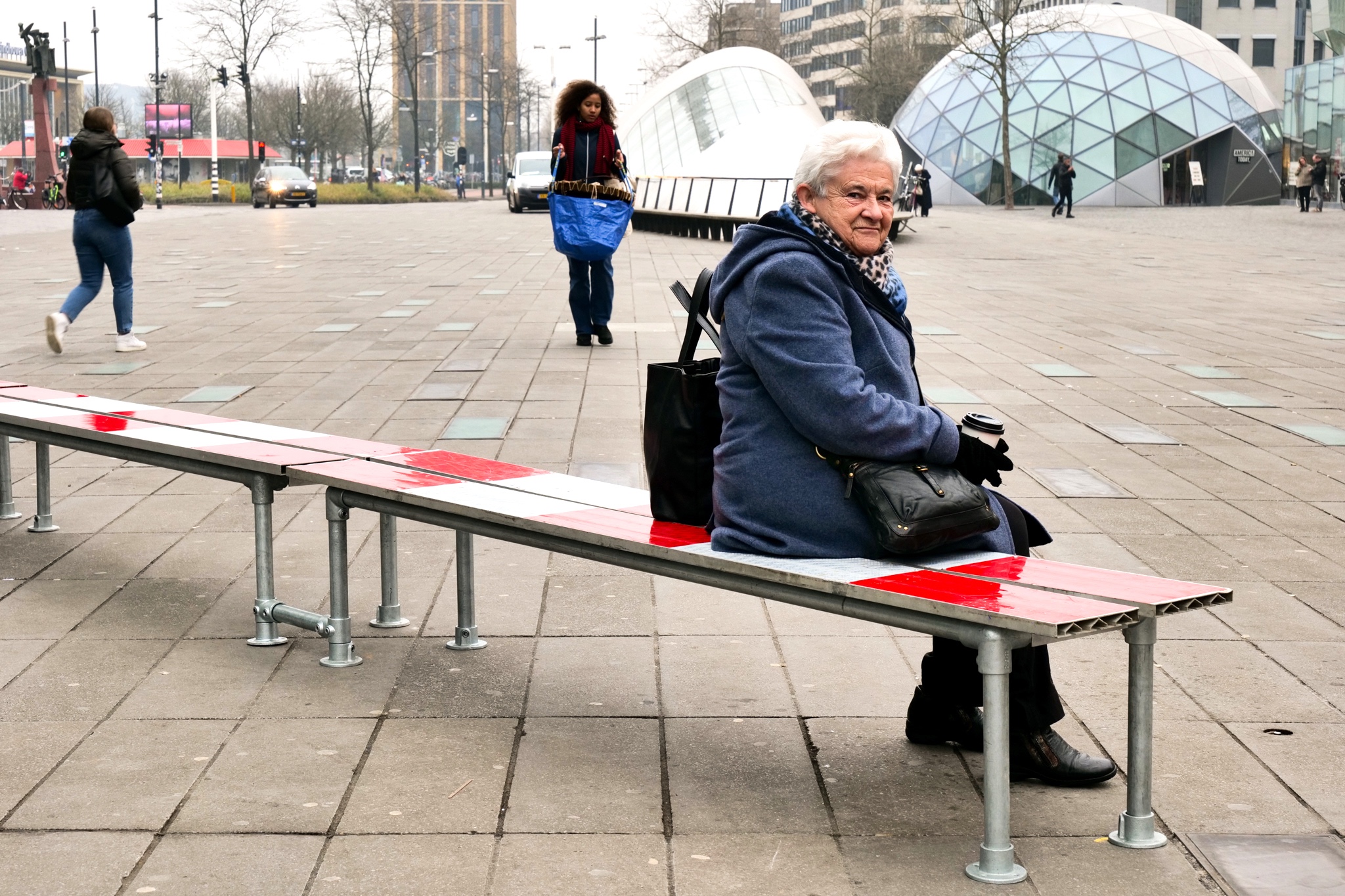
What Modern city planning does not allow signs or representation of its community - the public. It predetermines urban environments without our involvement. How Recontextualising common construction barriers, converts a symbol of restriction into a place that invites the presence of people.
Where is the public in the public space?

Our cities have become increasingly monotonous and characterless. Planned in big scale and predetermined in shape and colour, there is little room for involvement of the community. The modern design language of the outdoor public space seems to overlook the impact our surroundings have on our behaviour, thoughts and feelings. The environment we spend so much time in should have the ability to mean something to us. Instead we are offered a dull, flat and textureless space that allows little sign of social life or representation of its community - the public. Recontextualising common construction barriers, converts a movement limitation into an invitation for social interaction. By being given a new purpose, an element that symbolises restriction provokes to reconsider the function of the public space. The barriers are temporarily placed in the public space, which technically makes them public goods. Yet we cannot interact with them, but are instructed on how to behave. Once transformed into meeting places the intention of the object changes and therefore the use of the space around it.

About Henry K. Wein

Our cities have become increasingly monotonous and characterless. Modern design language seems to overlook the impact our surroundings have on us. Recontextualising common construction barriers, converts a movement limitation into an invitation for social interaction and to reconsider the function o