23-31 October 2027

Energy Futures : Co-designing

How can a novel bio-technological energy system be designed to foster human-centered and planet-centered sustainability?

Hosted by Preethi Jayakumar

This project is now archived and was part of DDW23

Event type

Exhibition

Unveiling the process
Energy futures proposes a novel energy production method for breweries using biotechnology. It showcases the need for co-design in energy systems to improve energy literacy, repurpose waste as a resource, and foster responsible innovation.
How can breweries propose a future of energy?

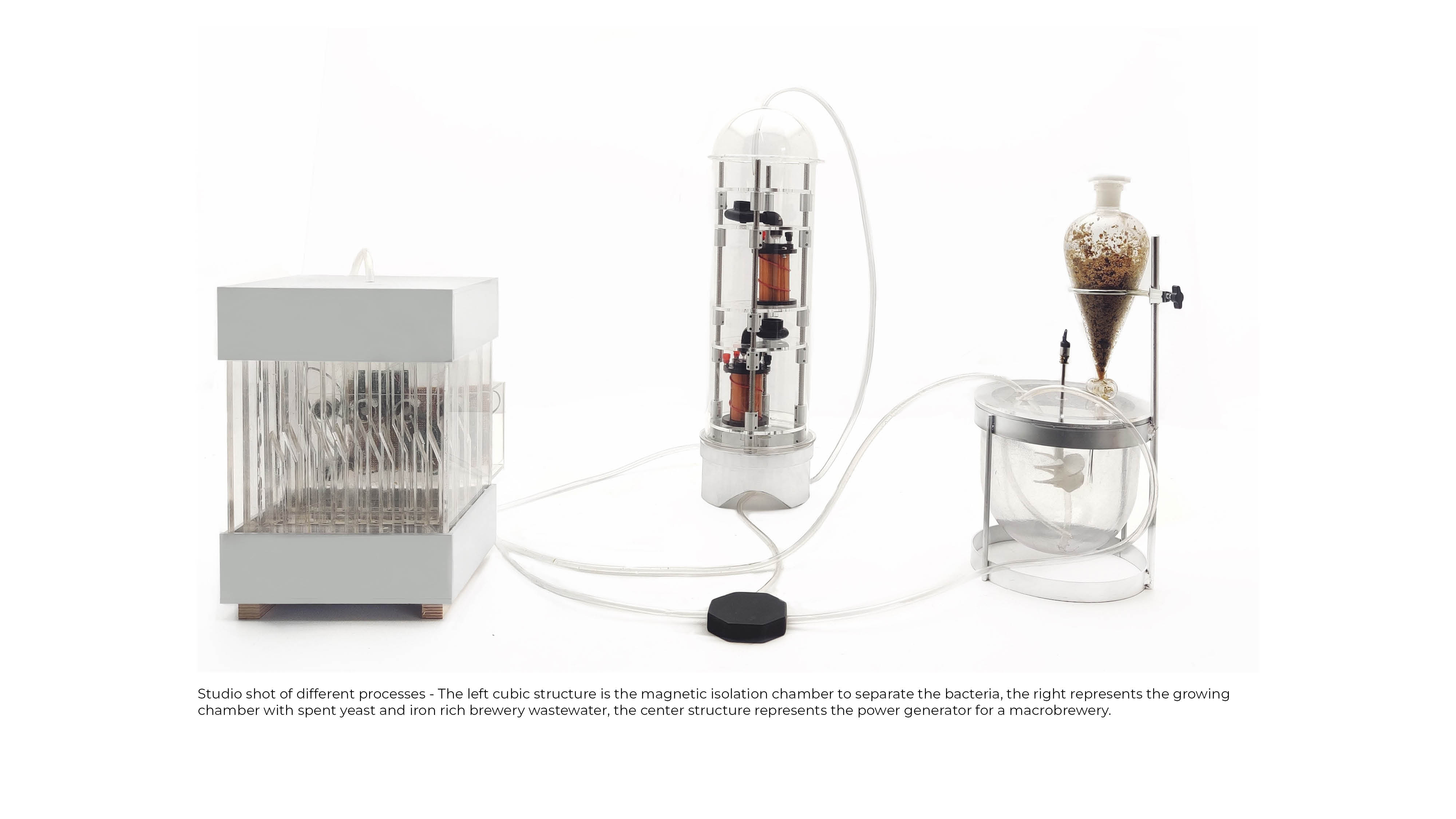
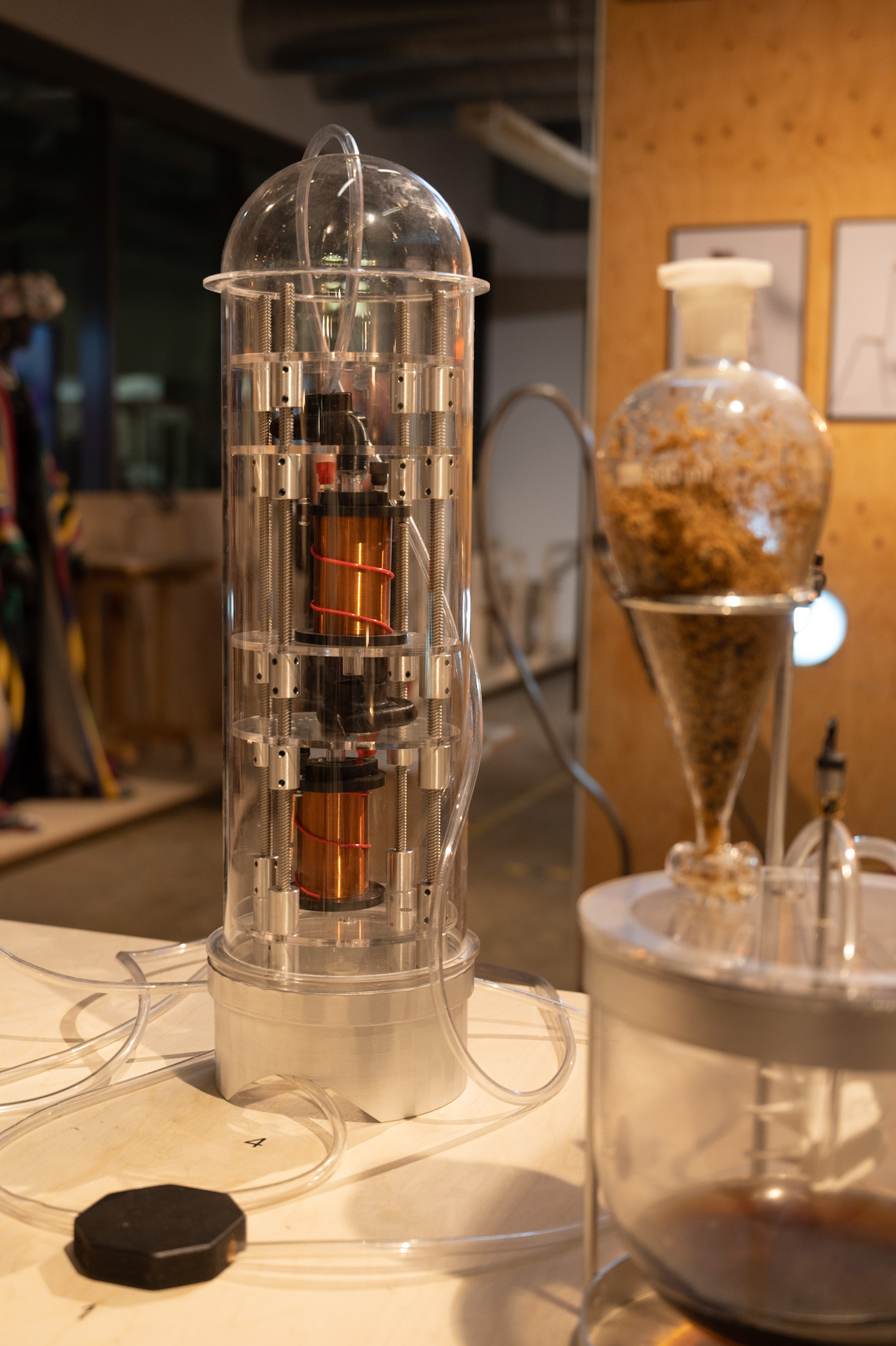
By leveraging brewing waste by-products like brewery wastewater and spent yeast, I propose an energy-resilient brewpub that utilizes biotechnology to locally produce energy. Using an innovative biotechnological approach, Magnetotactic Bacteria are employed to consume these by-products and clean the wastewater while growing. These bacteria have the ability to crystallize iron, making them magnetic. By culturing, isolating, and magnetizing the bacteria, we can pass them through power reactors with copper coils. As the magnetic bacteria flows through the system, the changing magnetic field induces an electric current across the coils, generating energy. This energy-generation process is showcased through a pub table, allowing customers to witness the production of energy as they enjoy their drinks. This project emphasizes co-design, involving experts and engaging end-users, people. By integrating energy education with technological development, the project promotes human-centered and planet-centered energy design.

Why do we need to think of an energy future?

The energy crisis in the UK has brought to light the social, economic, and environmental implications of poor energy management and system design. One such social repurcussion is the shutting down of several pubs and bars threatening London's historic pub culture. Rising energy poverty engulfed in energy illiteracy has made chugging down a beer at favourite spots a looming question. Despite the rise in net-zero transitioning energy systems, the lack of public awareness and biassed policy lobbying has impeded their scalability. Thus, there is a need for upcoming novel energy solutions to cater to all stakeholders in their development process which invites conversations of such complex yet necessary discussions around energy with people.

How does design thinking promote responsible innovation?

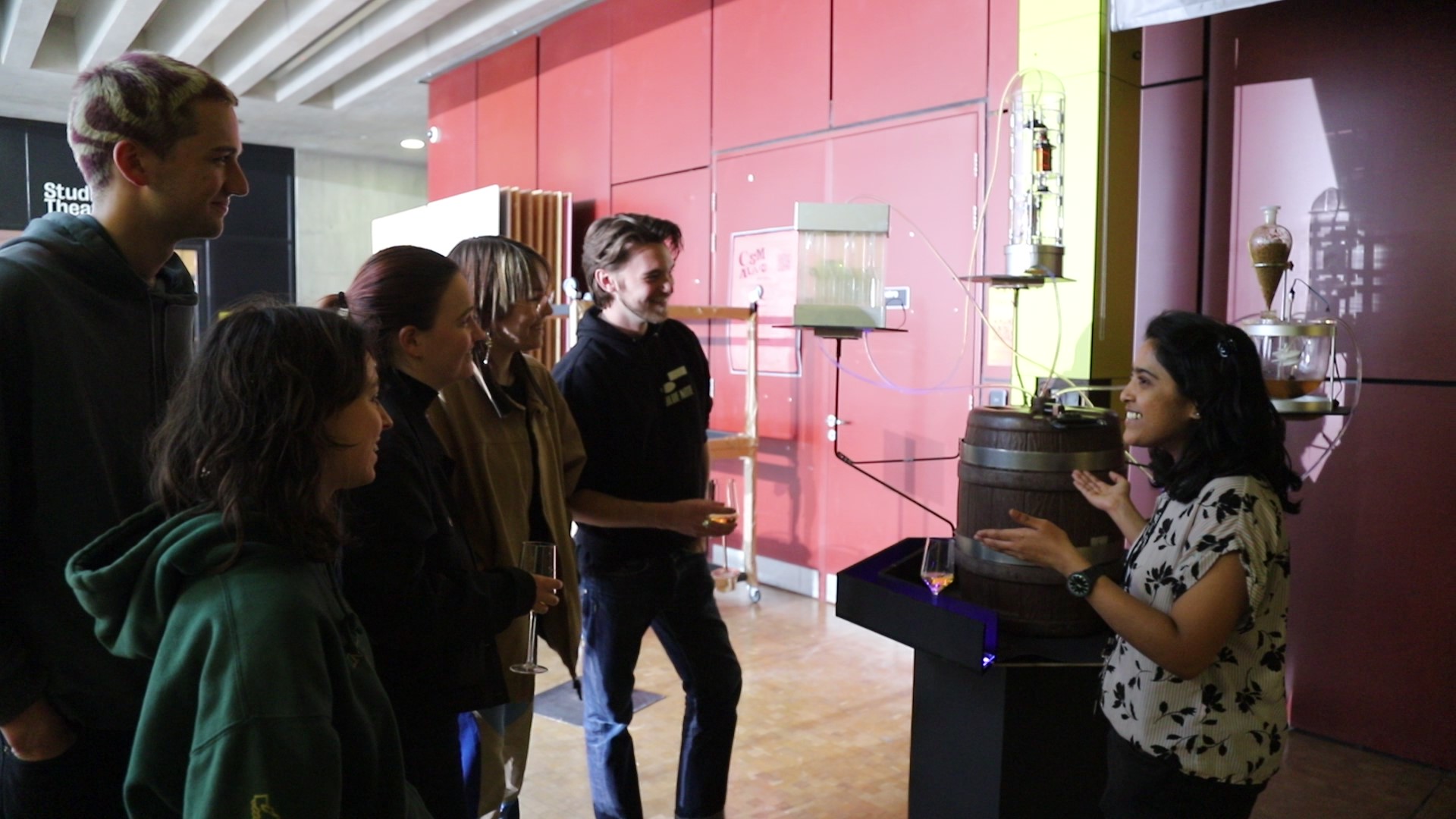
The key aspect of this project is to bringforth co-designing with various stakeholders. For this project a range of technical experts in wastewater, microbiology, electrical engineers, and government authorities dealing with councils in London and energy decentralisation, and the final stakeholder who are the end-user : people, were involved. The project's core value is inclusivity and equitable sharing of information around complex innovation for every stakeholder to take part in the co-design process. To facilitate this dialogue, an interactive pub table is featured as a public engagement tool, showcasing an emerging technology that has the potential to revolutionize energy generation in a symbiotic relationship with nature. The different processes involved in energy generation using brewery waste have been presented in a visually explanatory and intriguing manner for people to deliberate over the future of such technologies. These allow for different stakeholders to offer their recommendations to improve these energy systems.
The reactor in focus
Ruhan Guo
Public Engagement with an energy system
Umang Nadpara

About Preethi Jayakumar

I am a multidisciplinary designer working in the intersection of various foundational fields to produce outcomes that are socially, commercially, and technologically responsible. Having done my bachelors in Instrumentation and Control Engineering, I use principles of design thinking to critically question the status quo and speculate the future of responsible innovation.

As featured in