Lacebark Bonsai
Designs that combine the aesthetic principles of the traditional Japanese art form Bonsai, recycling soul and attention.
Hosted by Studio Carolijn SlottjeThis project is now archived and was part of DDW23
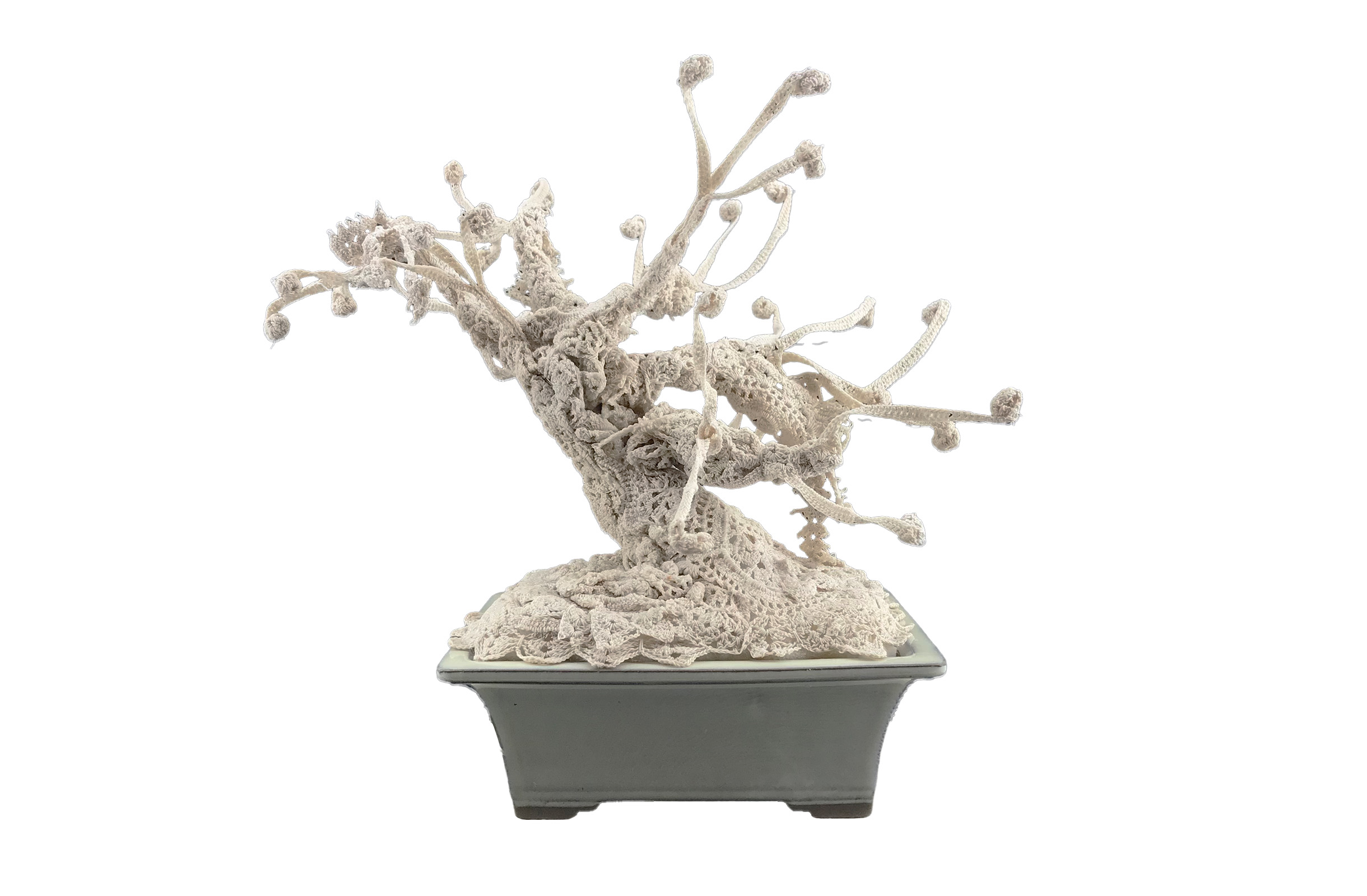
Informal upright Willow, Moyogi
Studio Carolijn Slottje finds similarities between the characteristic patterns of lace work and plant growth patterns. By combining lacework that has become superfluous with the aesthetic principles used in the dwarf tree art form Bonsai, lacework becomes zeitgeist resistant.
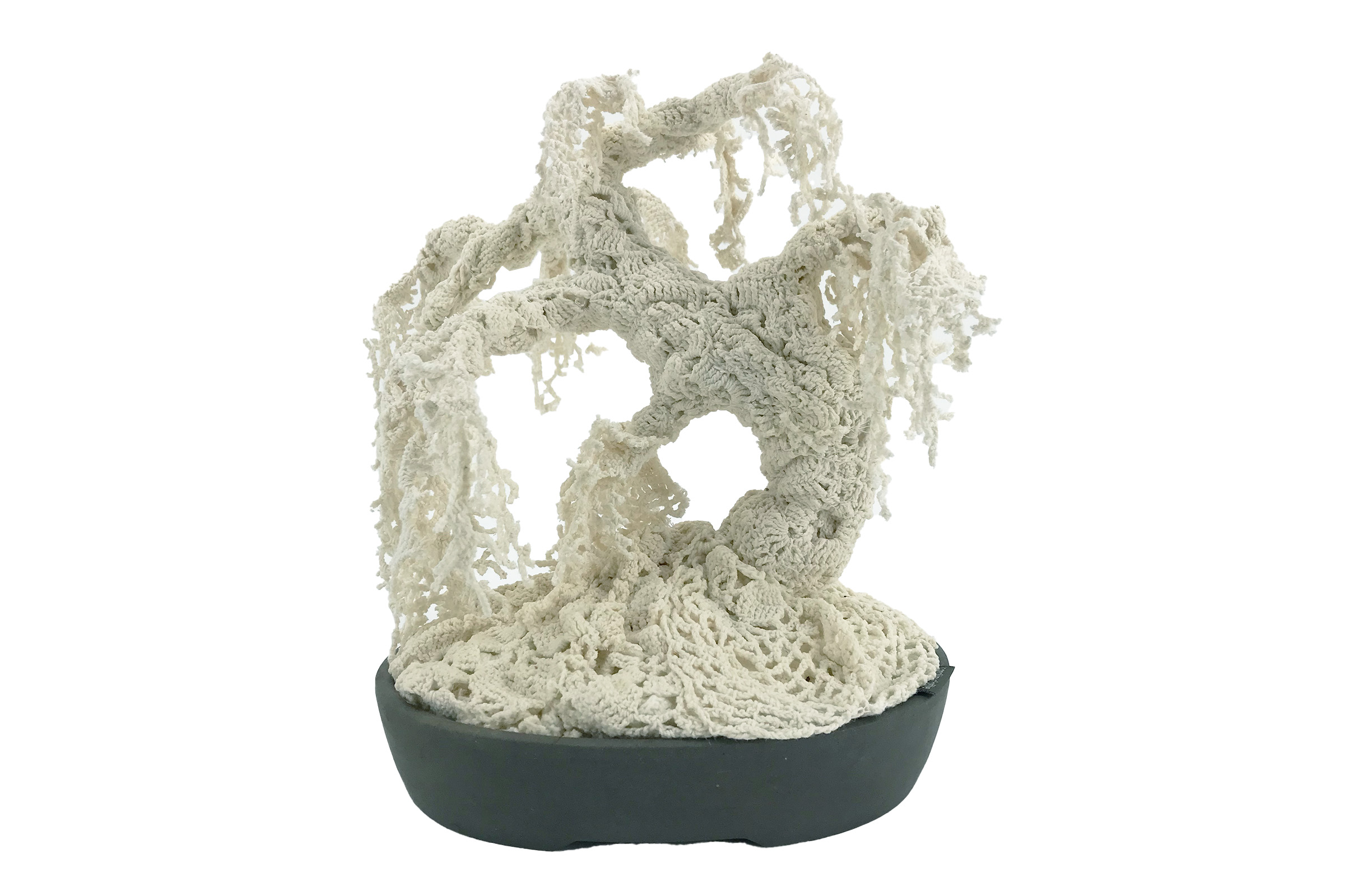
Weeping Cherry, Shidare-Zakura
Participants of this exhibition
About Studio Carolijn Slottje
Studio Carolijn Slottje is a studio for product design that researches nature and our relationship with it.
Similar projects
RENS x TARKETT
LINO UNDERCOVER
Gasfabriek 20
Open Studio Gasfabriek 20
MESSMERIZING_SANDRA KEJA PLANKEN & JOB KEJA
MESSMERIZING_CURIOSITY SETS THINGS IN MOTION
Roze Paars
Union of the Irreconcilables
Ivi van Keulen
Antifragile Ceramics
Catherine van Bijnen
Fluid Frequency
Claudia Paredes
Archeological data
Group Exhibition, curated by Annemoon Geurts
Evolving Harmony – intertwining Hope and Design
Luke Spiering
Wearable Tapestries
VPRO x Dutch Design Week
VPRO x Dutch Design Week Live