17-25 October 2026

discover the cover

transformation as a playful design practice

Hosted by Anna Maria Argmann

This project is now archived and was part of DDW24

This project is part of
Be bold, Be brave - UdK Berlin’s Brave new World
→
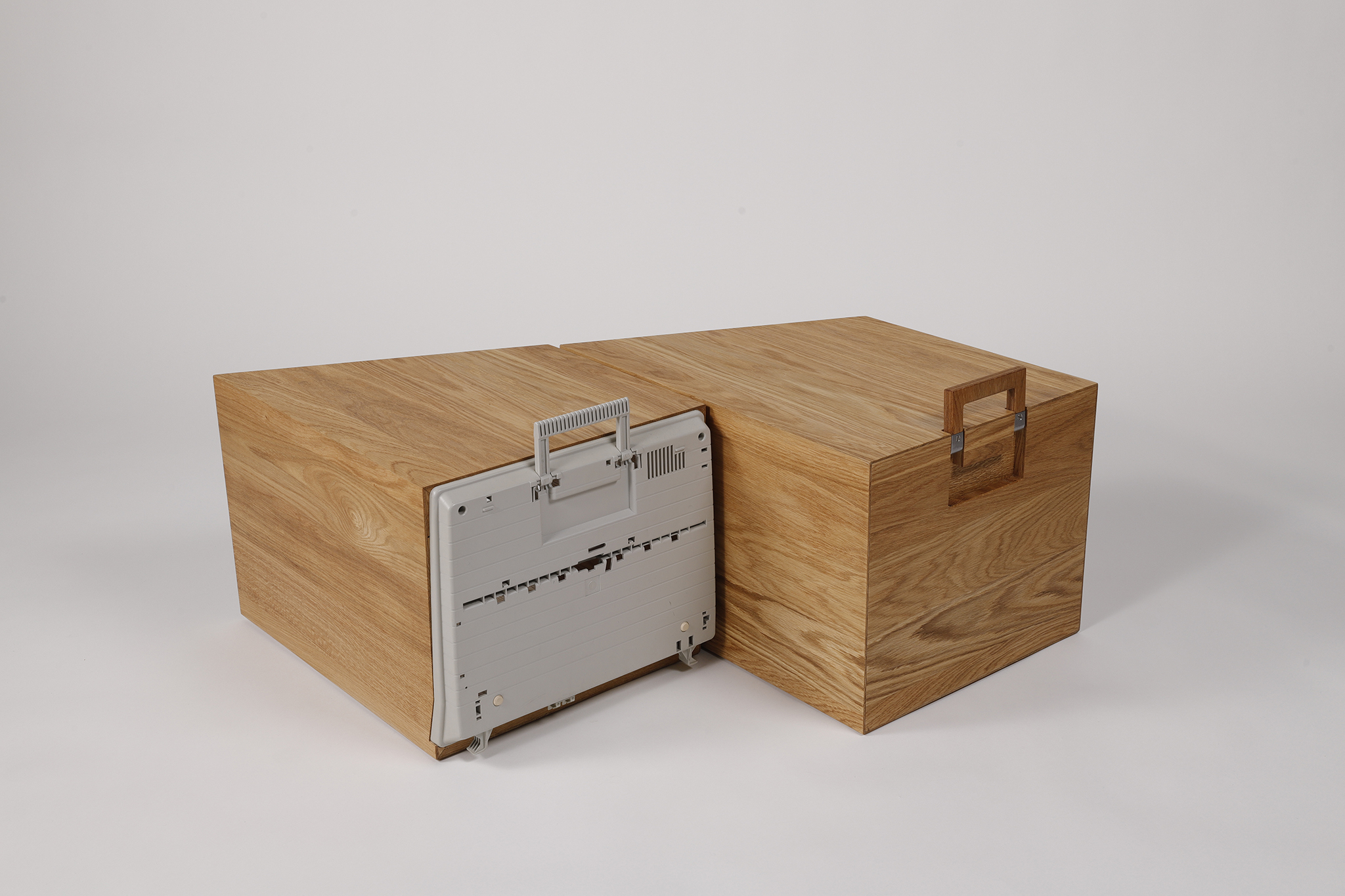
Base of an electric typewriter with oak
Anna-Maria Argmann
My project, "Discover the Cover," reuses components from defective devices to create imaginative objects using materials like oak, steel, glass, and clay. This approach offers a new perspective on electronic waste, reintegrating transformed parts into daily life and highlighting their renewed value.
Concept

My project "discover the cover" aims to provide a new perspective on electronic waste and change attitudes towards defective devices. During my extensive research, I was able to discover interesting ways of dealing with this special type of waste. But most of the ideas focus on recycling the raw materials. They do not change the perception towards discarded products. In order to preserve the earth, we need to reduce our consumption and use as little raw materials as possible. In this project, new strategies such as the transformation of an object and "design within the existing" are used as future-oriented design methods. Through my exploration of "Chindogu" and "Jugaad", I was also able to discover construction and design techniques that suited my topic. The question then arises: What could be developed from the individual parts to provide new proposals for the future of electronic waste?

Disassemble - Categorize - Transform

My method is first of all to dismantle the entire device and document all its components in an exploded view. You can learn a lot about the construction of devices and get to know both the strengths and weaknesses of manufacturing and materials. The individual parts are then sorted by material. The next step is to select the most interesting parts of the shell from all the elements and analyze their potential, properties and aesthetic characteristics. In the design of the newly manufactured product, I try to retain the distinctive and characteristic details of the cover and emphasize its strength even more clearly. The covers are decontextualized and perceived as a separate form. Looking closely at the empty covers, you find yourself at the interface between the history and future of the product. It is now possible to decide which parts are worth further processing and which need to be returned to a recycling cycle. The covers are not processed until you have a new vision for them.

Result

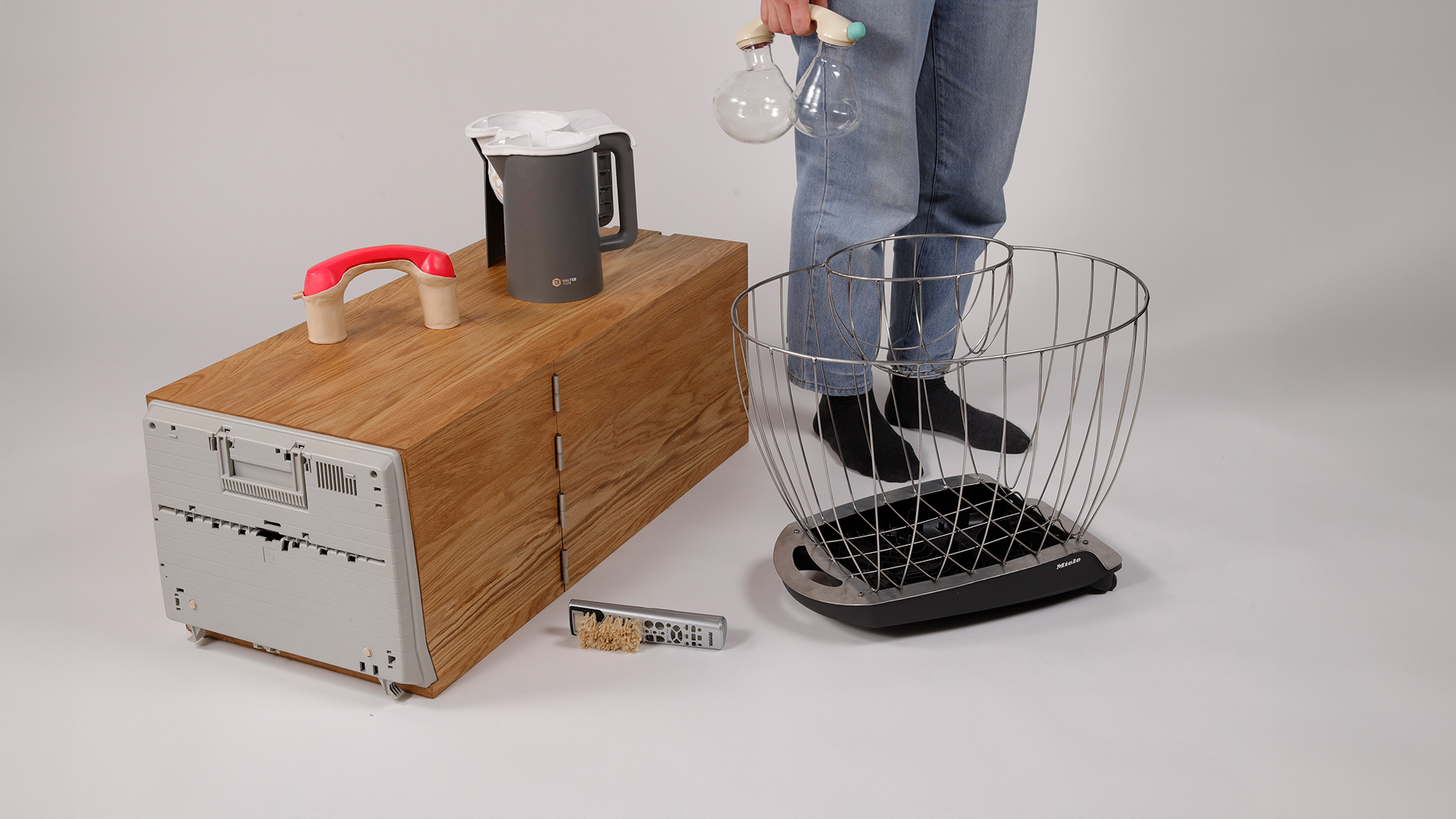
The changes only begin once a design has been finalized, which prevents errors. The plastic parts are therefore only slightly adapted to their new counterparts and their origin and history remain visible. The newly added parts made of different materials are independent, but give the plastic covers a new value. Original materials such as oak wood, stainless steel, glass and clay contrast with the industrially produced plastic parts. Imaginative objects are created with an unusual aura and effect. Once familiar electrical appliances become hybrids. They open up new interactions and functions and the plastic covers of the electrical devices are further integrated into people's everyday lives. They are recognized in their new essence and their existence continues to be important.
Collection of "discover the cover"
Anna-Maria Argmann
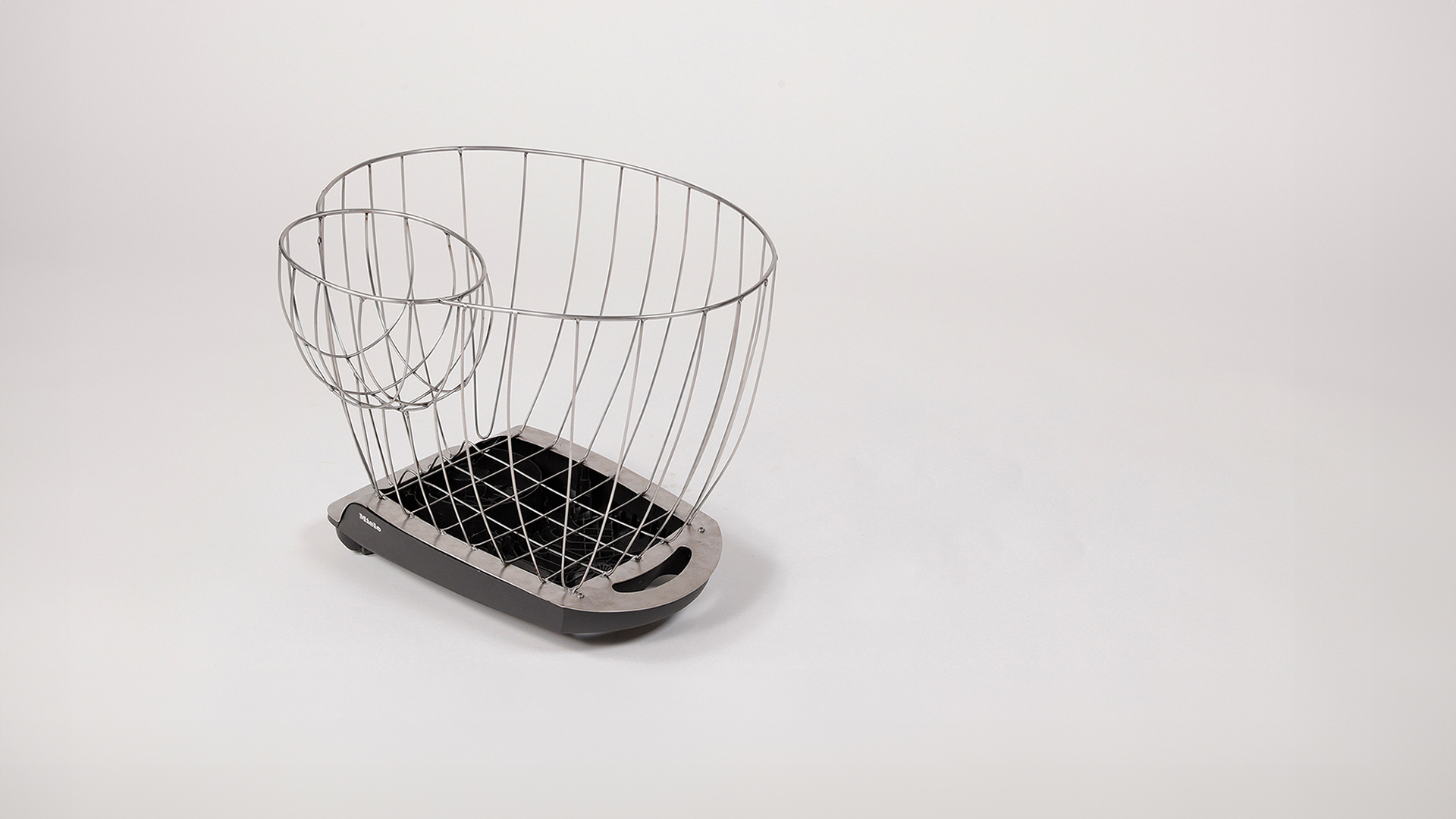
Vacuum cleaner base and stainless steel
Anna-Maria Argmann
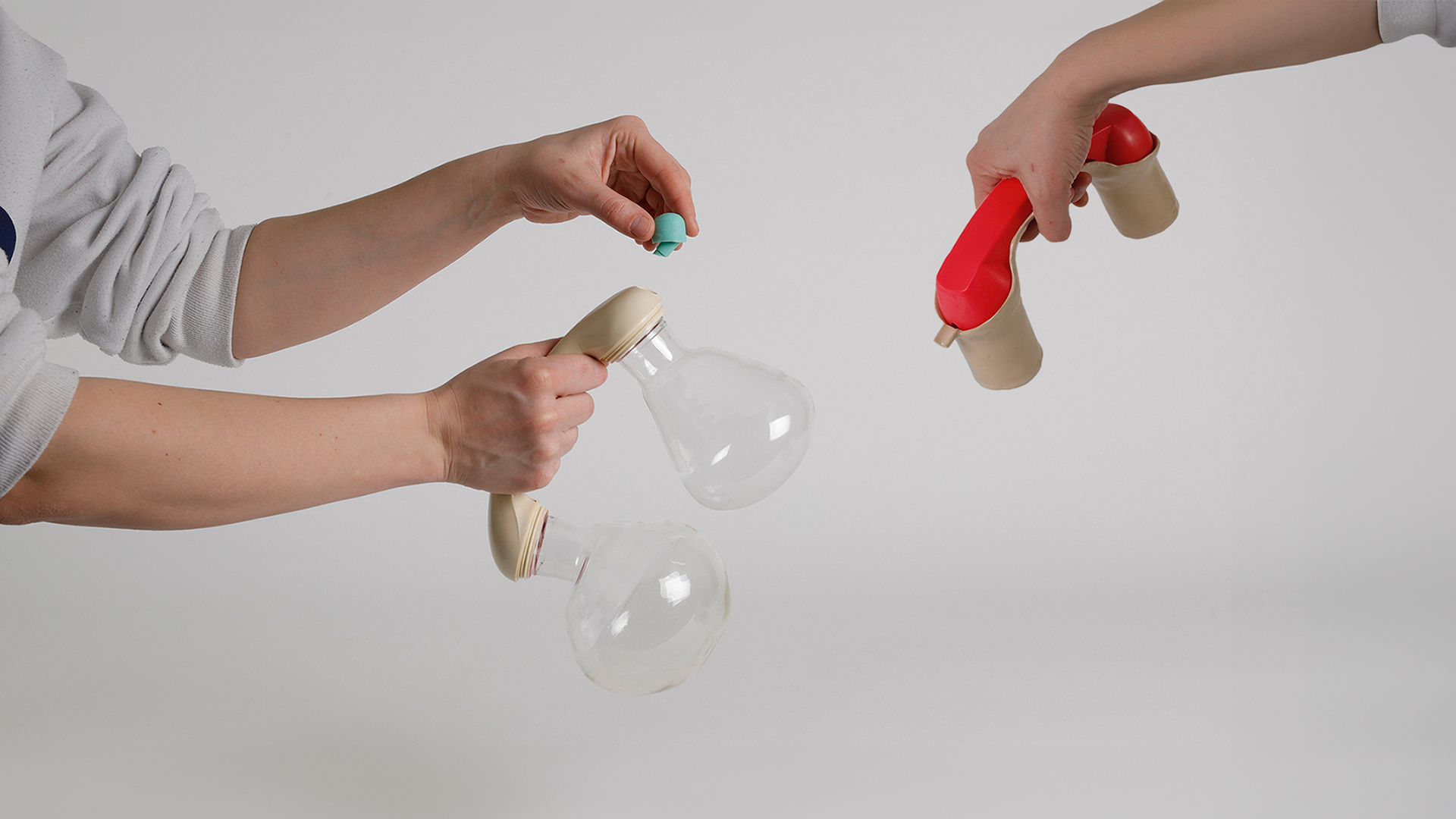
Telephone handle with glass and ceramic
Anna-Maria Argmann
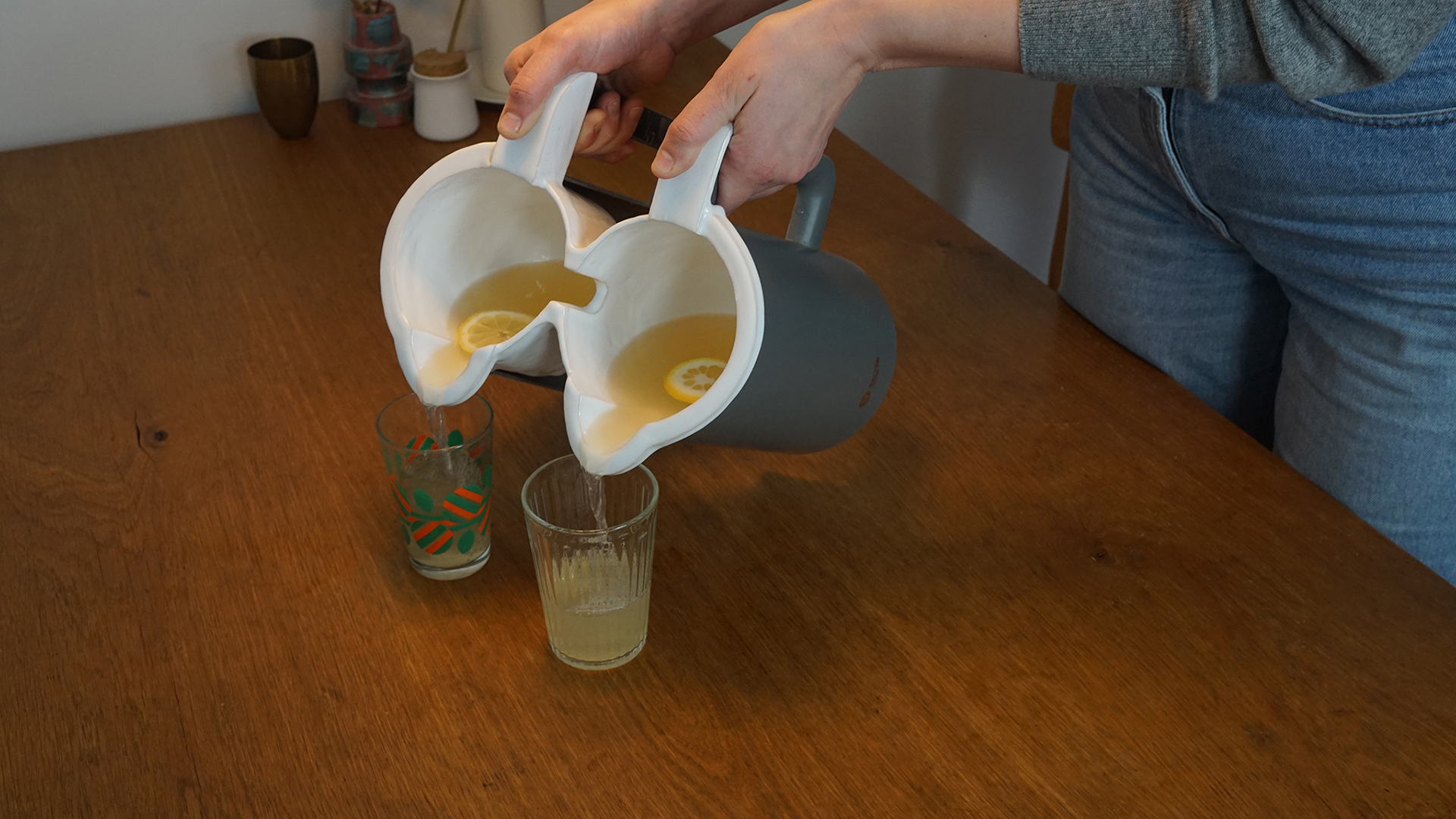
Halved kettle with glazed clay
Anna-Maria Argmann

By

Anna Maria Argmann

Hosted by

University of the Arts Berlin
[email protected]
+4915153365269
Visit website
Download press kit

About Anna Maria Argmann

x