17-25 October 2026

Nature based riverbank restoration

With BESE-elements, we enable ecosystem recovery, even in eroding shorelines. A great alternative to hard shoreline protections.

Hosted by

This project is now archived and was part of DDW24

This project is part of
Embassy of Circular & Biobased Building
→
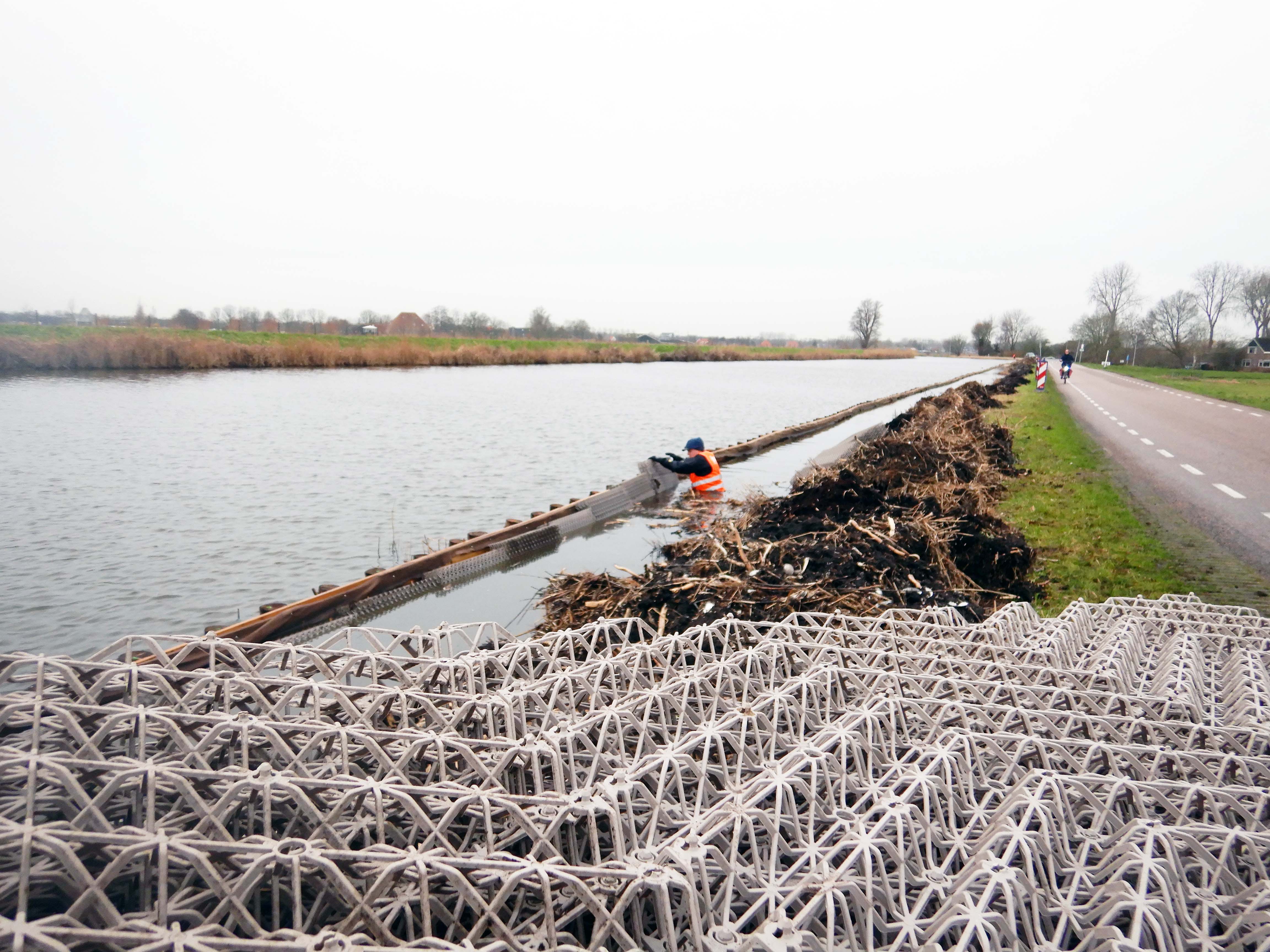
Aanleg van BESE-elements, januari 2023
Peter Vodegel
The Zeevangsdijkje in Kwadijk suffered severe erosion, putting the dike's integrity at risk. Water authority HHNK sought a natural shoreline to protect the dike, but heavy erosion hindered nature's recovery. BESE-elements provided the solution, giving nature the opportunity to thrive once again.
Eroding riverbank

The dike’s integrity was threatened by water erosion in the river bend, posing a risk of road subsidence and, in the worst-case scenario, a dike breach. Conventional restoration methods would result in continued erosion. An innovative solution was needed; BESE-elements.

BESE-elements instead of wooden poles

Instead of placing wooden poles side by side, two-thirds were left out, and BESE-elements were installed instead. The lattice structure of these elements attenuates wave energy (halts erosion), allows roots to grow through and provides habitat for fish and other fauna.

Nature based advantages

As the erosion becomes negligible vegetation can grow unhindered and will keep the riverbank stabalized in the future. The roots will take over the function of the biodegradable BESE-elements. Moreover the vegetation improves life for insects, amphibians and birds and provides food for fish and other macrofauna that shelter in the BESE-elements under water. Globally, plastic, concrete, and occasionally bitumen are employed to stabilize riverbanks. Aside from their ecological insignificance, these materials can pollute the environment, with plastic and bitumen posing risks of micropollution generation, detrimental to organisms. The impact of micropollution on ecosystems often becomes evident only after significant damage has occurred. Remediation of polluted riverbanks is costly and requires rebuilding. A nature-based approach can prevent such damage, offering a sustainable solution to mitigate pollution and preserve riverbank integrity.
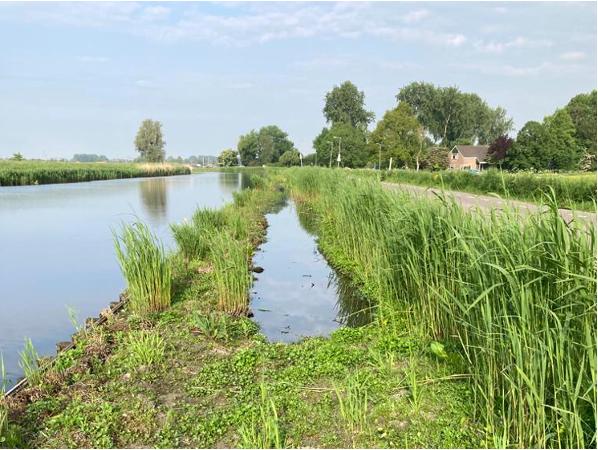
Ontwikkeling na 6 maanden, juni 2023
Peter Vodegel
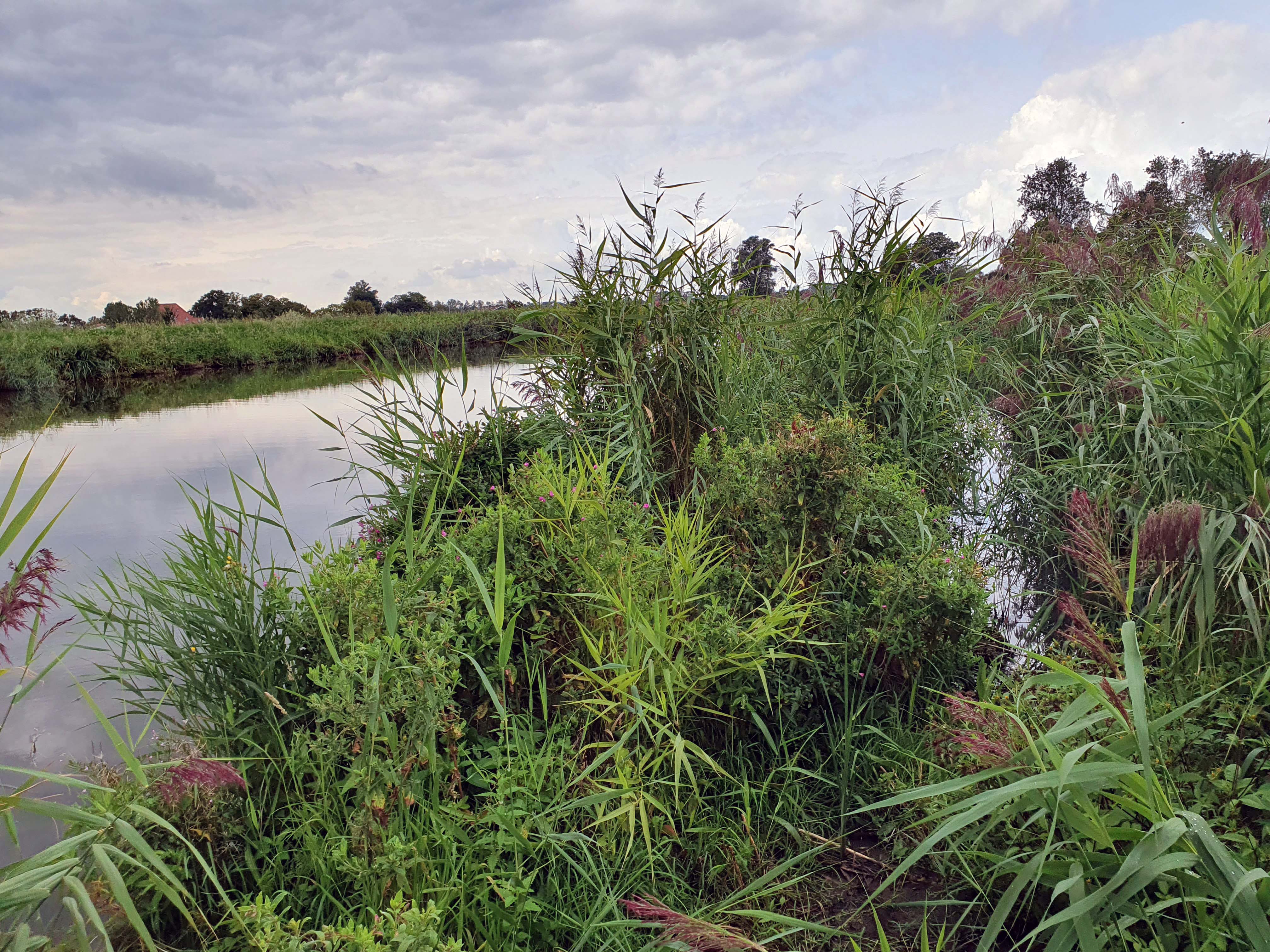
Ontwikkeling na 8 maanden, augustus 2023
Peter Vodegel
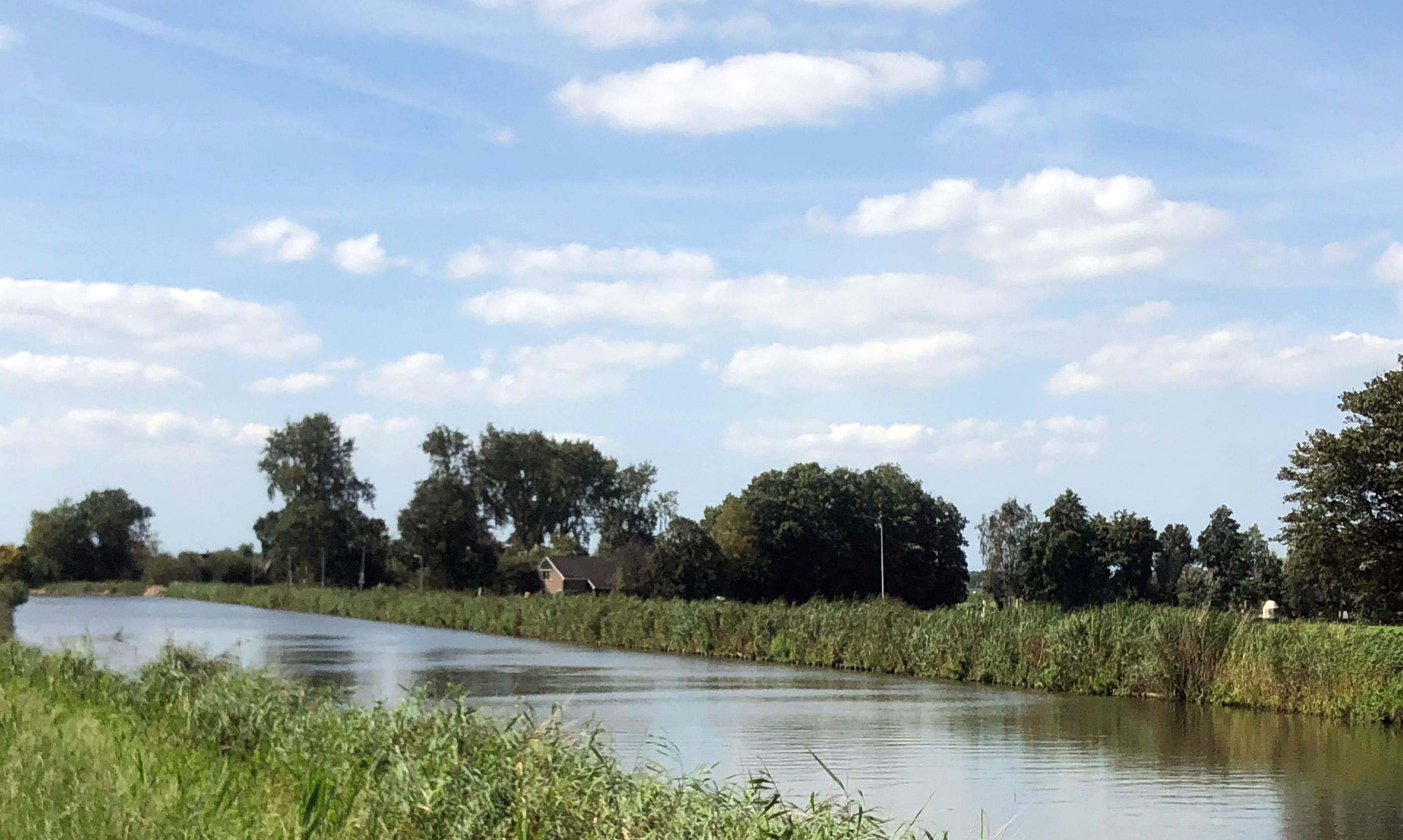
Vanaf de overkant na 20 maanden, augustus 2024.
Jos Spier
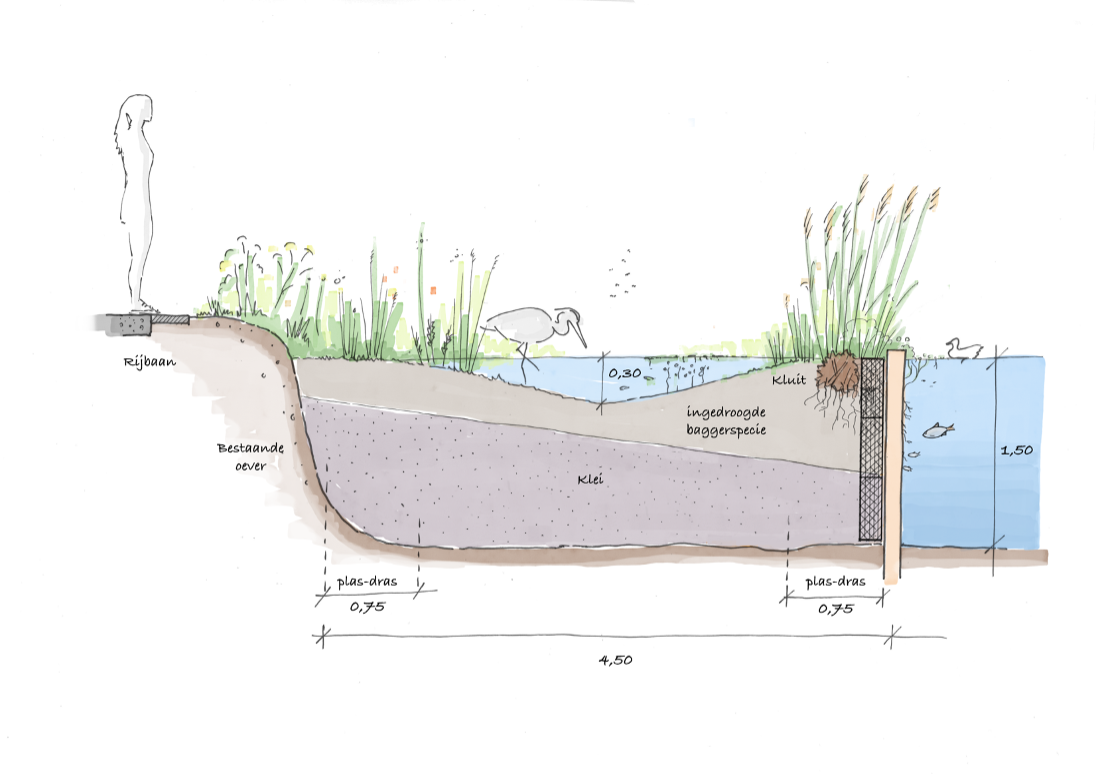
Ontwerp van nature based oever
Eisso Beukema

Colofon

Project manager Malenthe Teunis
Advisor Eelco Waardenburg
Veldmedewerker, ecoloog Dirk Spruijt
Assistant nature restoration and product innovation Peter Vodegel

Partners
Sponsored by Nature based riverbank restoration