17-25 October 2026

Wad van Waarde

From plastic soup to veggie soup: a transition design in the Wadden area that uses local crops, like flax, to develop plastic-free products.

Hosted by House of Design

This project is now archived and was part of DDW24
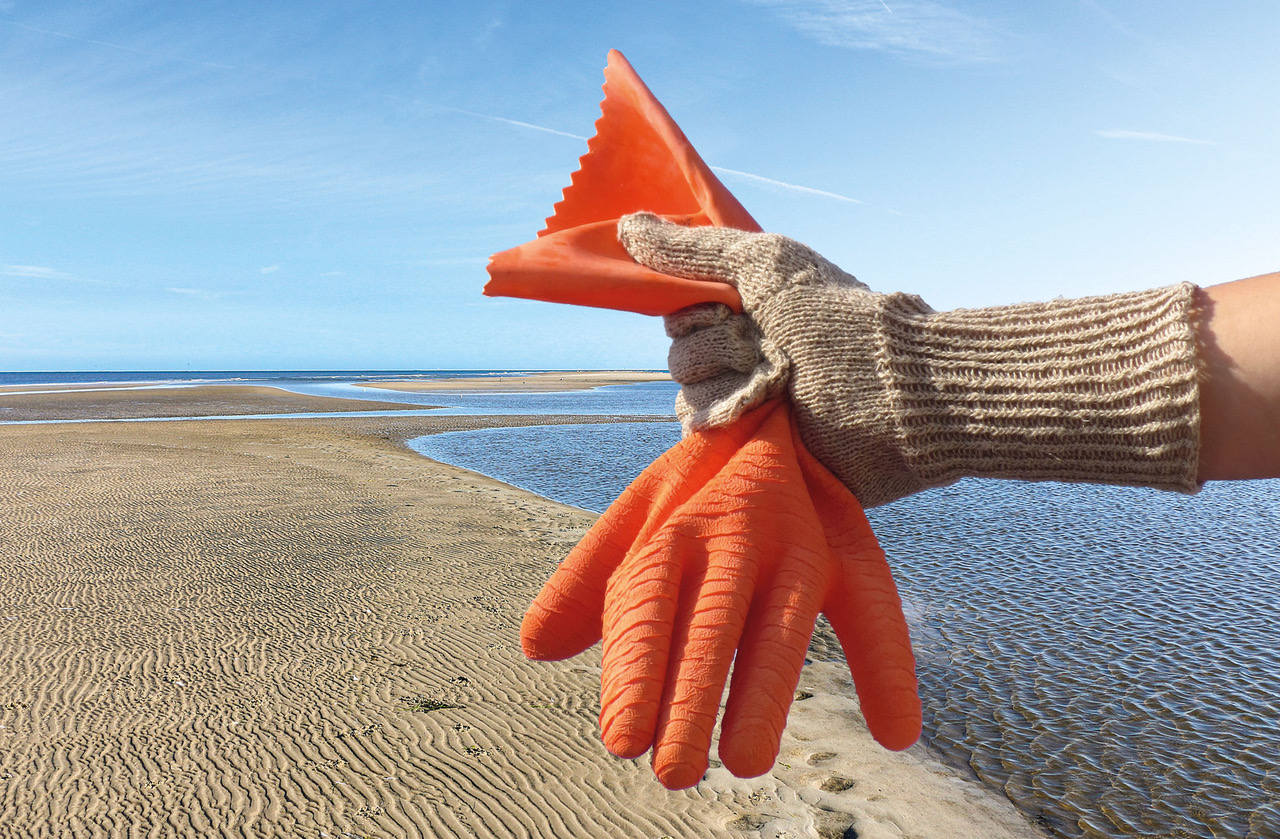
transition design from plastic soup to veggie soup
Eileen Blackmore x Dick Muileman
Within Wad van Waarde, designers, farmers, producers, teachers and policy makers work together to combat microplastic pollution by creating the Wadden Standard. This standard focuses on local crops for sustainable alternatives that are biobased, reusable and biodegradable in humans and nature.
The project Wad van Waarde

In the north of the Netherlands you will find a unique area. A place where salt and fresh water mix, the horizon fades and sometimes the sea is land, where everything grows, swims, flies and lives and where borders disappear. In the Wadden area, designated as UNESCO World Heritage, everything comes together. And that offers opportunities. Here you will find a valuable nature reserve, breathtaking views and beautiful people. But here microplastics also flow into the sea, container ships transport their goods, biodiversity shrinks and the economy groans. The Wadden coast is the world in a nutshell or the canary in the coal mine. We show how change is possible through integral collaboration, in which product designers play a crucial role. Our goal is to realize a plastic-free Wadden area, as an inspiring example for other (UNESCO) nature reserves, to show how it can be done! The designers are: Simone Larabi, Eileen Blackmore, Christien Meindertsma and Tjeerd Veenhoven

A maker network for circular products

We map out what is valuable for nature, tourism, agriculture, economy or education and connect all that value in two ways: 1. We have built an integral value chain around flax. A local, sustainable maker network of (young) farmers, designers, students, entrepreneurs and makers. 2. We design and make alternatives for plastic products from the flax. Local, circular products that can replace plastic bags, synthetic textile clothing and toys.

The approach

House of Design designed a system change to spark a transformation—from plastic soup to ‘veggie soup’ to embrace a biobased economy that nurtures both nature and people. By looking to the past, when plastic didn’t pollute our planet, we rediscovered the power of flax, a crop that has grown in our region since 800 AD but was overshadowed in the 1960s by cheaper cotton and synthetic textiles. Flax not only enriches the soil but also boosts biodiversity—vital for Friesland and Groningen. In 2016, we embarked on a mission to reintroduce flax through a Local Value Chain. By 2024, we completed this value chain, with all steps located within a day's drive. Starting with 2 hectares in 2021, we now cultivate 65 ha across 14 farms. All parts of the flax will be transformed into products—linen yarn for bags, jackets, toys and curtains; and short fibers for biocomposites, insulation, and interior panels. These products adhere to the Wadden Standard: biobased, recyclable, reusable, and biodegradable, causing no harm to nature or human health, steps toward regenerative design. Our vision sets a new benchmark for sustainability—an inspiring model for UNESCO world heritage regions and beyond.
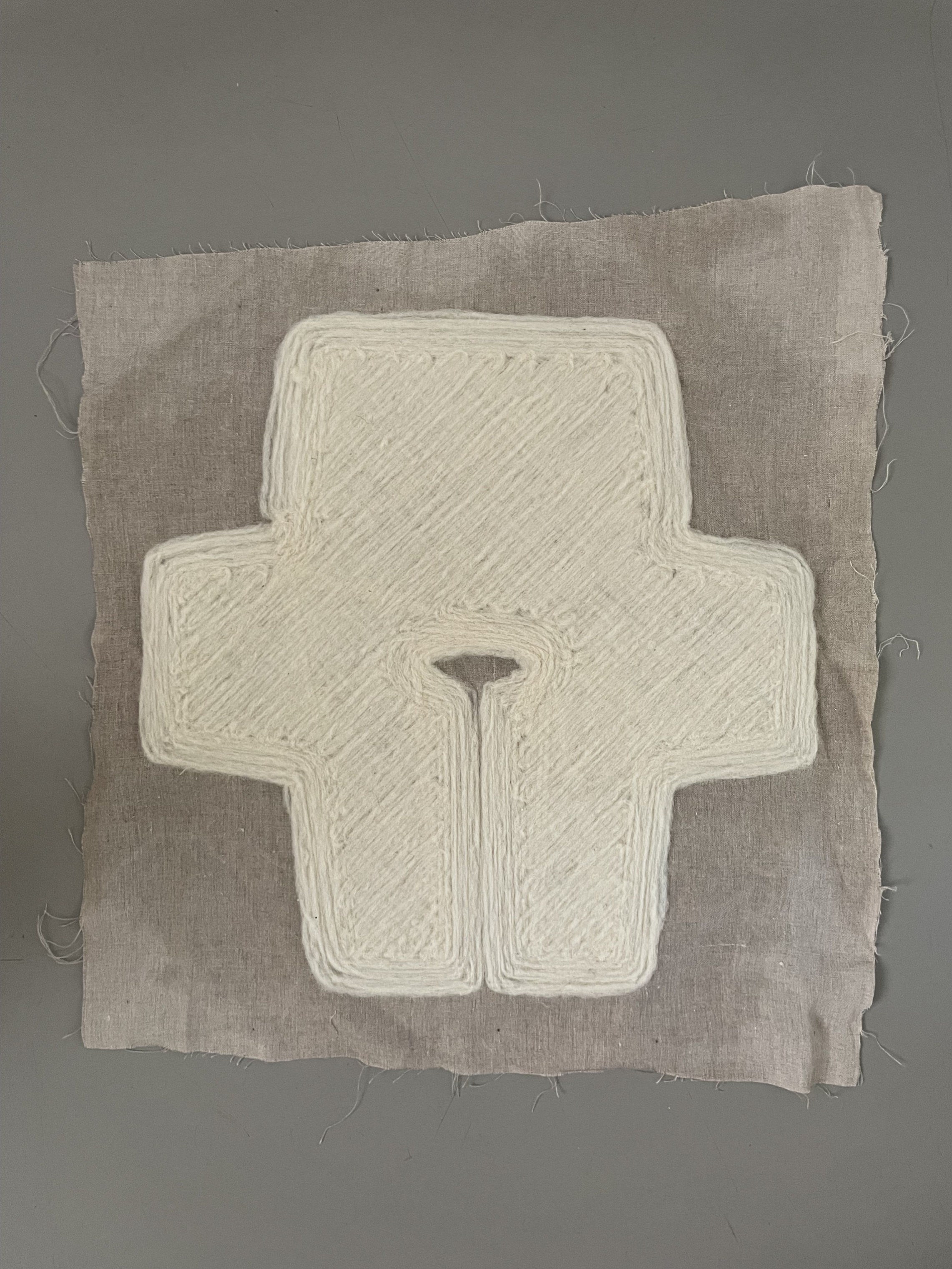
Christien Meindertsma: local wool x linen for coat
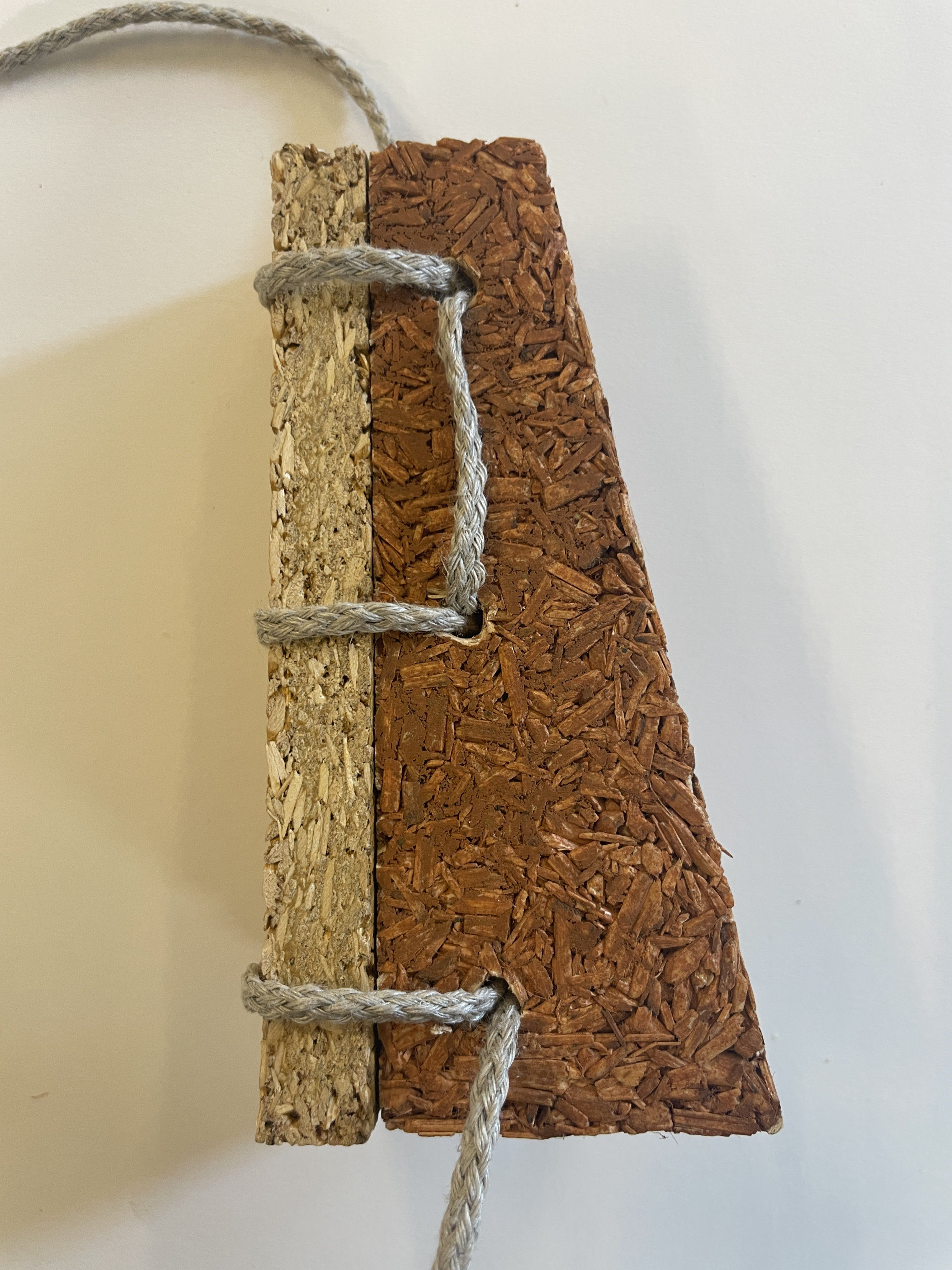
Tjeerd Veenhoven: flax shives x PHA for crate
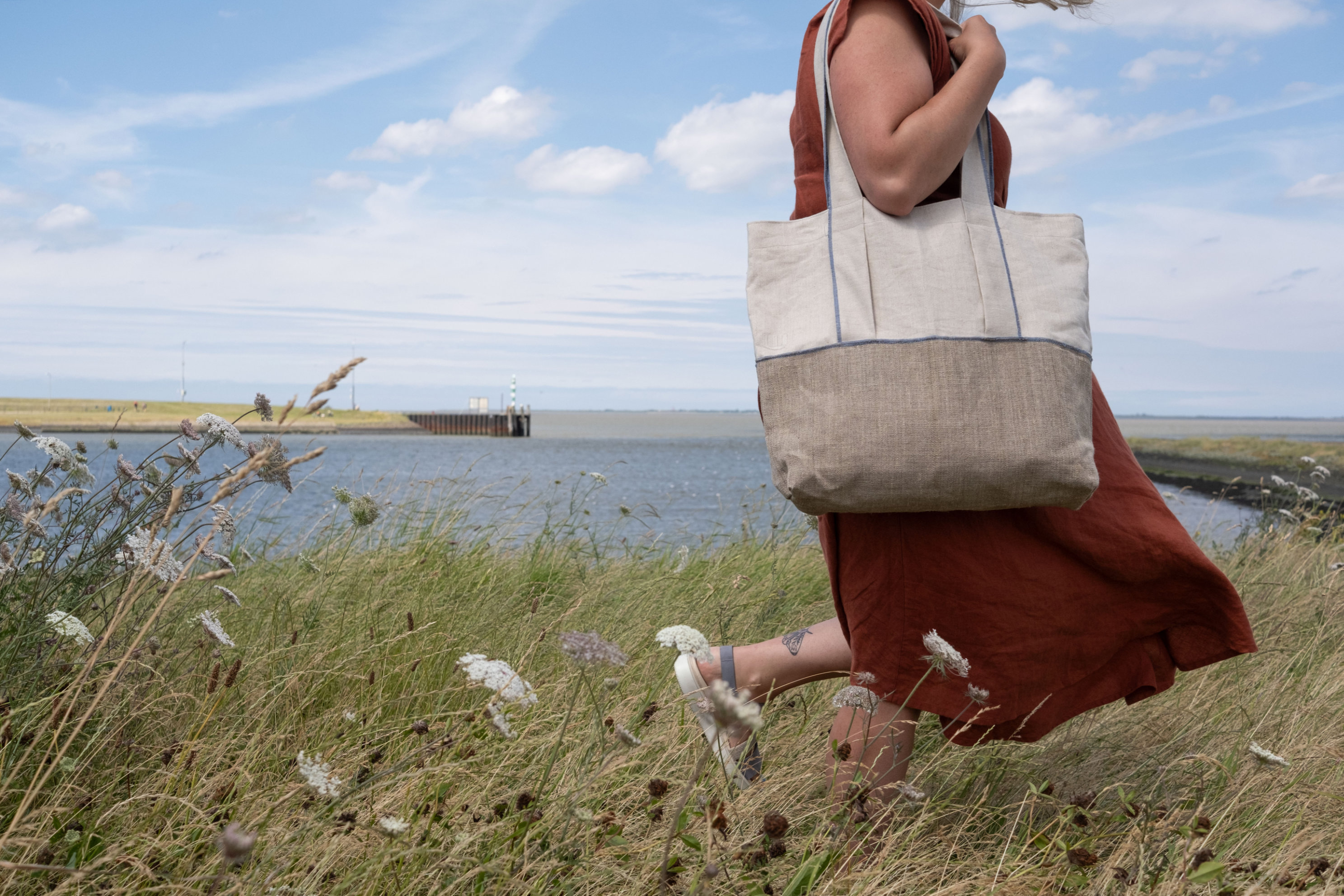
Simone Larabi: linen collection bags toys pillows
Janna Bathoorn
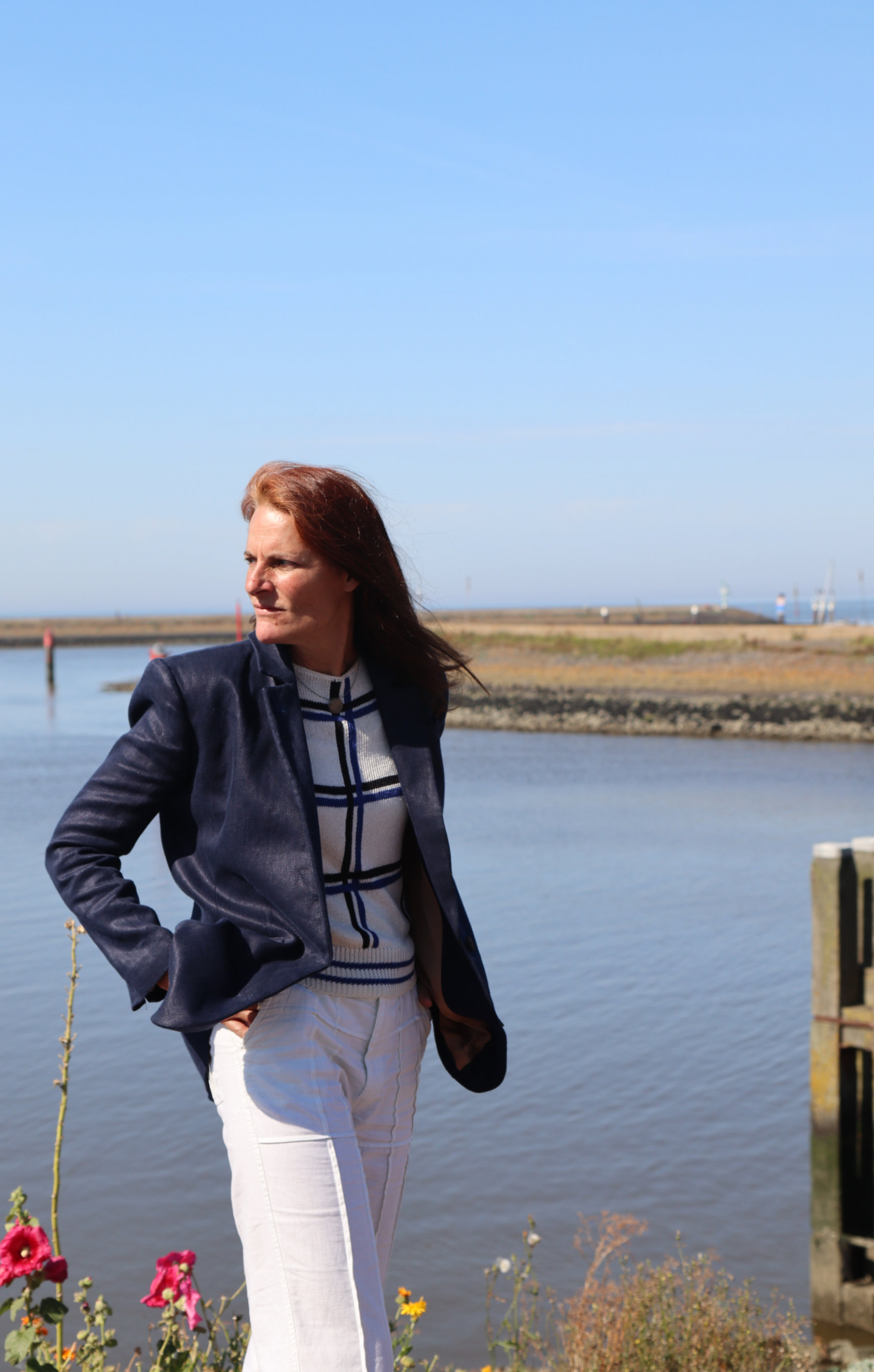
Eileen Blackmore: plastic free WadJacket

About House of Design

House of Design redesigns existing systems and processes, investigates solutions, conducts action research, sets up the value chain and develops appealing products together with designers that serve as an example for this change. In this way it becomes tangible what local hands can make with local materials. In doing so, we discover what a local and planet-friendly manufacturing industry in the Northern Netherlands can look like. We learn and share experiences with other (inter)national parties.

Colofon

sewing Vanhulley
research Ecoras
management TCNN
farming flax 14 flax farmers
cultivation guidance and production Van de Bilt Zaden en Vlas
machine weaving Enschede Textielstad
research on recycling ReBlend
craft weaving Ingeborg Meijssen
shared ownership biobased curtains Iedema Projectstoffeerders
knowledge institutes Firda, NHL-Stenden, Hanze, Van Hall Larenstein, Alfa College
production WadColberts Felix van Driem x Kleerlijk
system designer of Wad van Waarde House of Design

Partners

Sponsored by Wad van Waarde