17-25 October 2026

CAN, PETIT-FOUR & ZETSE

From milk funnel to dessert pot: everyday shapes get a second life as playful, durable interior objects.

Hosted by Pepijn De Greef

Entrance fee

Free access

Event type

Exhibition

Accessibility

Toilets available
Partially wheelchair accessible
Wheelchair friendly toilet available

Opening hours

10:00
-
18:30
10:00
-
18:30
10:00
-
18:30
10:00
-
18:30
10:00
-
18:30
10:00
-
18:30
10:00
-
18:30
10:00
-
18:30
10:00
-
18:30
CAN_Pepijn De Greef
CAN_Pepijn De Greef
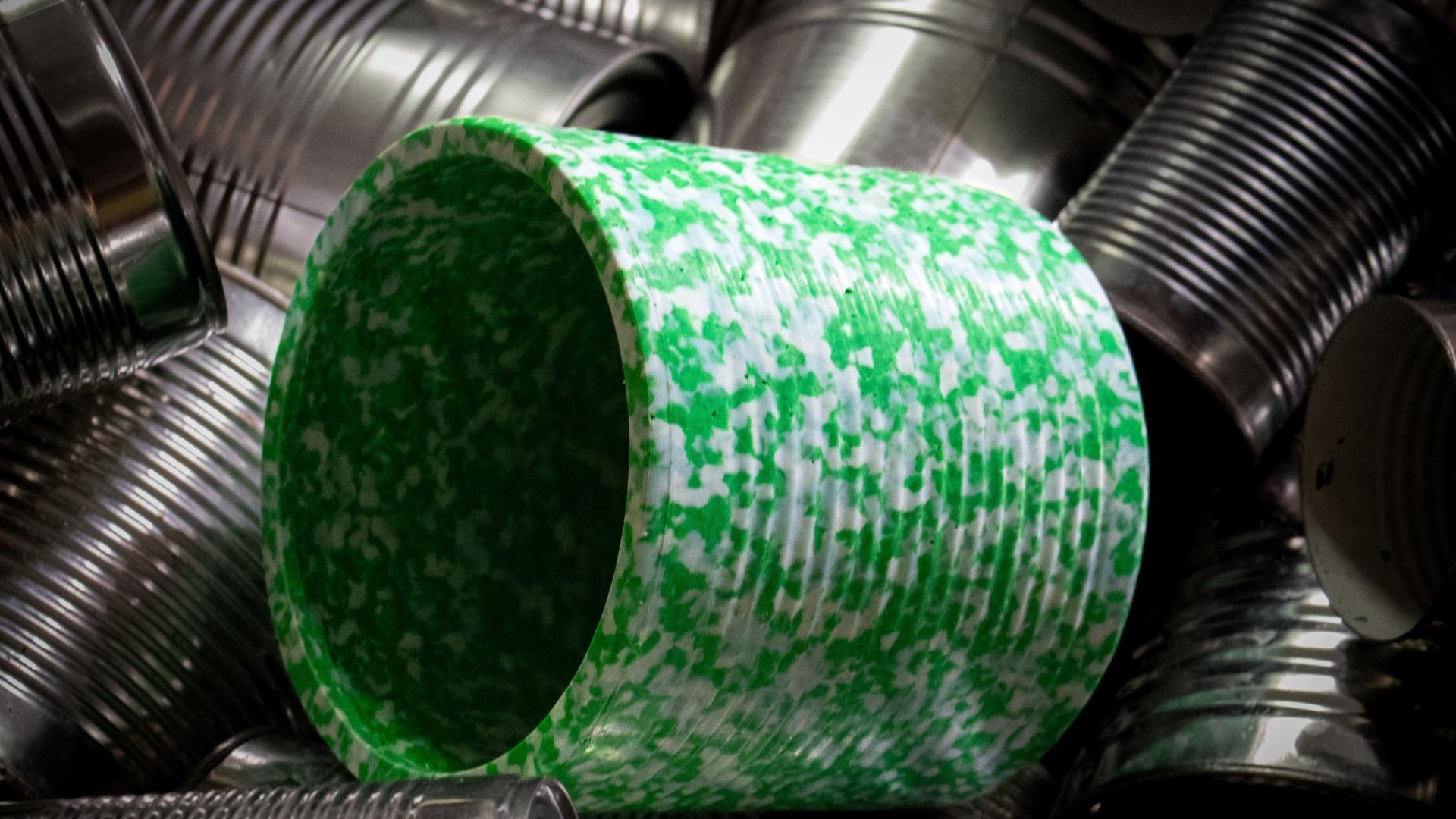
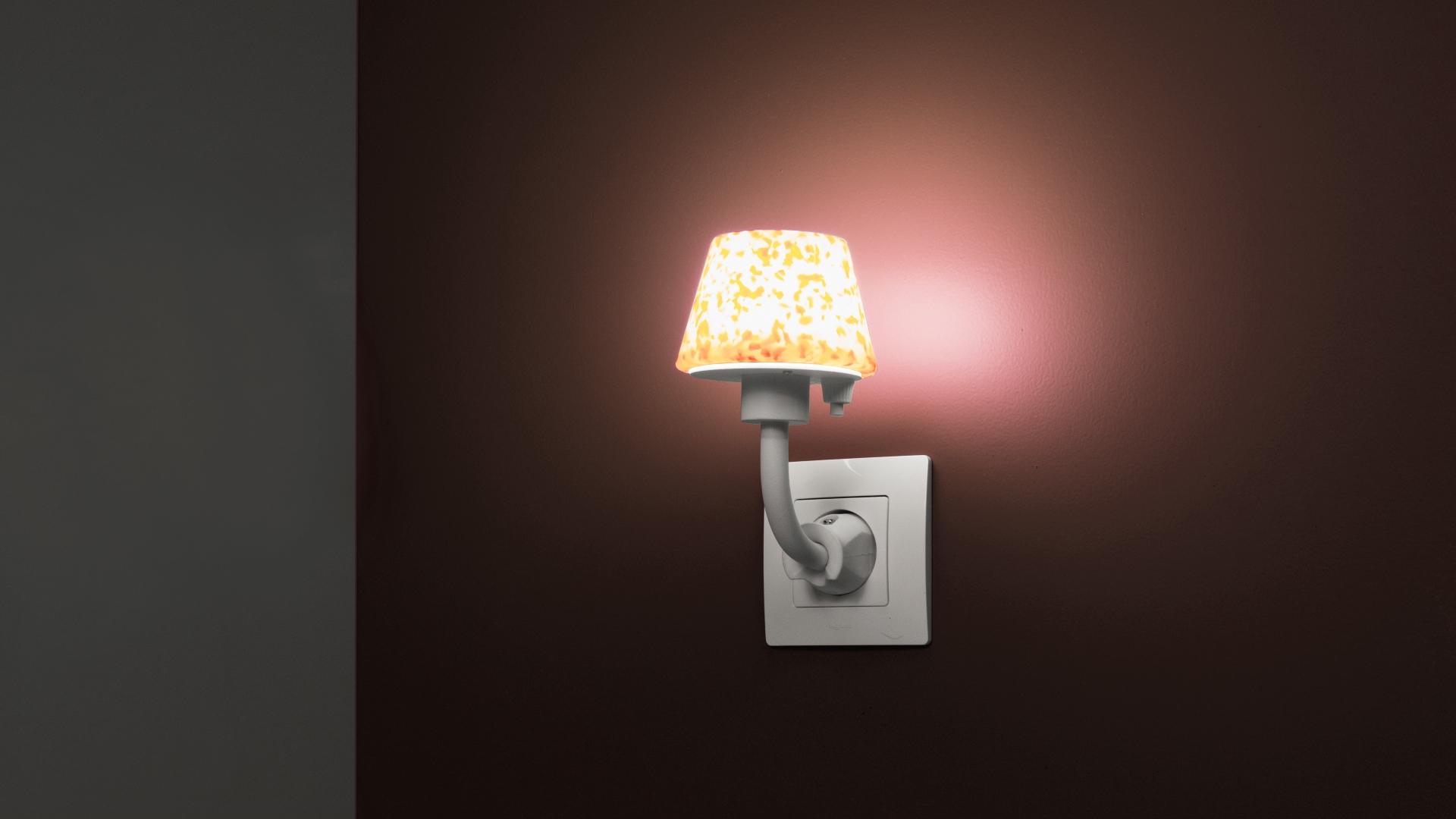
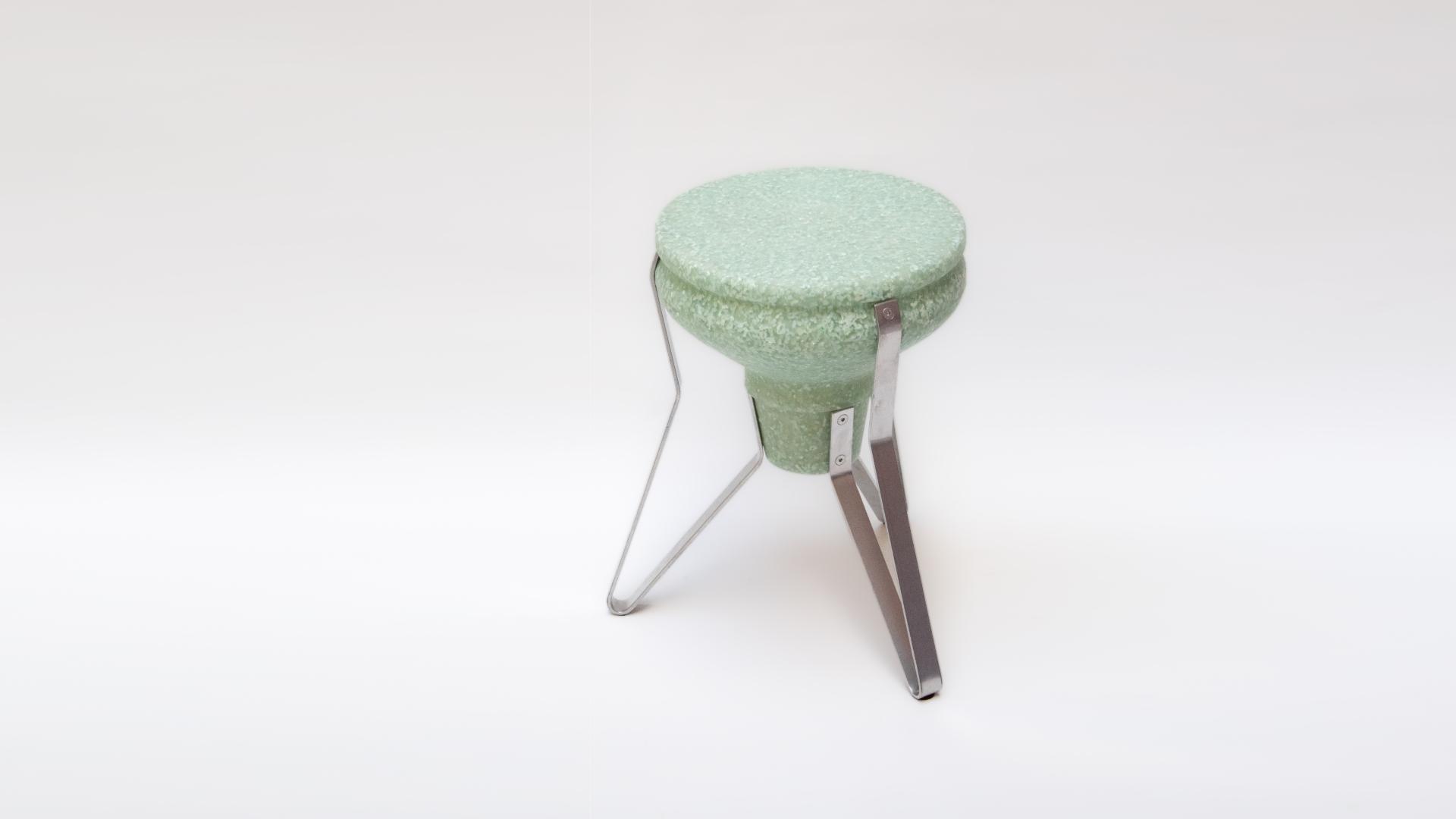
CAN, PETIT-FOUR and ZETSE are three circular interior objects made from post-consumer plastic. Each shape had a previous life and was transformed into a colourful pot, a plug-in lamp and a tripod stool. They are produced locally in collaboration with social workshops.

CAN

CAN is a colourful pot made from post-consumer plastic, inspired by the classic canning tin. The shape is simple and recognisable, but is given new life as a playful, circular object. Ideal as storage, plant pot or simply as an eye-catcher in your interior.

PETIT-FOUR

PETIT-FOUR is a plug-in lamp that brings together playfulness and nostalgia. The mould comes from a dessert jar. The lamp gives a soft, homely look. PETIT-FOUR evokes memories of a nightlight from your childhood, small, warm and comforting. Ideal for the bedside table, the hallway or a cosy corner.

ZETSE

ZETSE is a sturdy three-legged stool cast in a mould from an old milk funnel. The cool organic shape is given a new function and invites you to sit, use and admire it. ZETSE is not only functional, but also a playful object with character.
Ready to visit?

Come to Dutch Design Week and make this project part of your visit.

Buy tickets
PETIT-FOUR_Pepijn De Greef
ZETSE_Pepijn De Greef
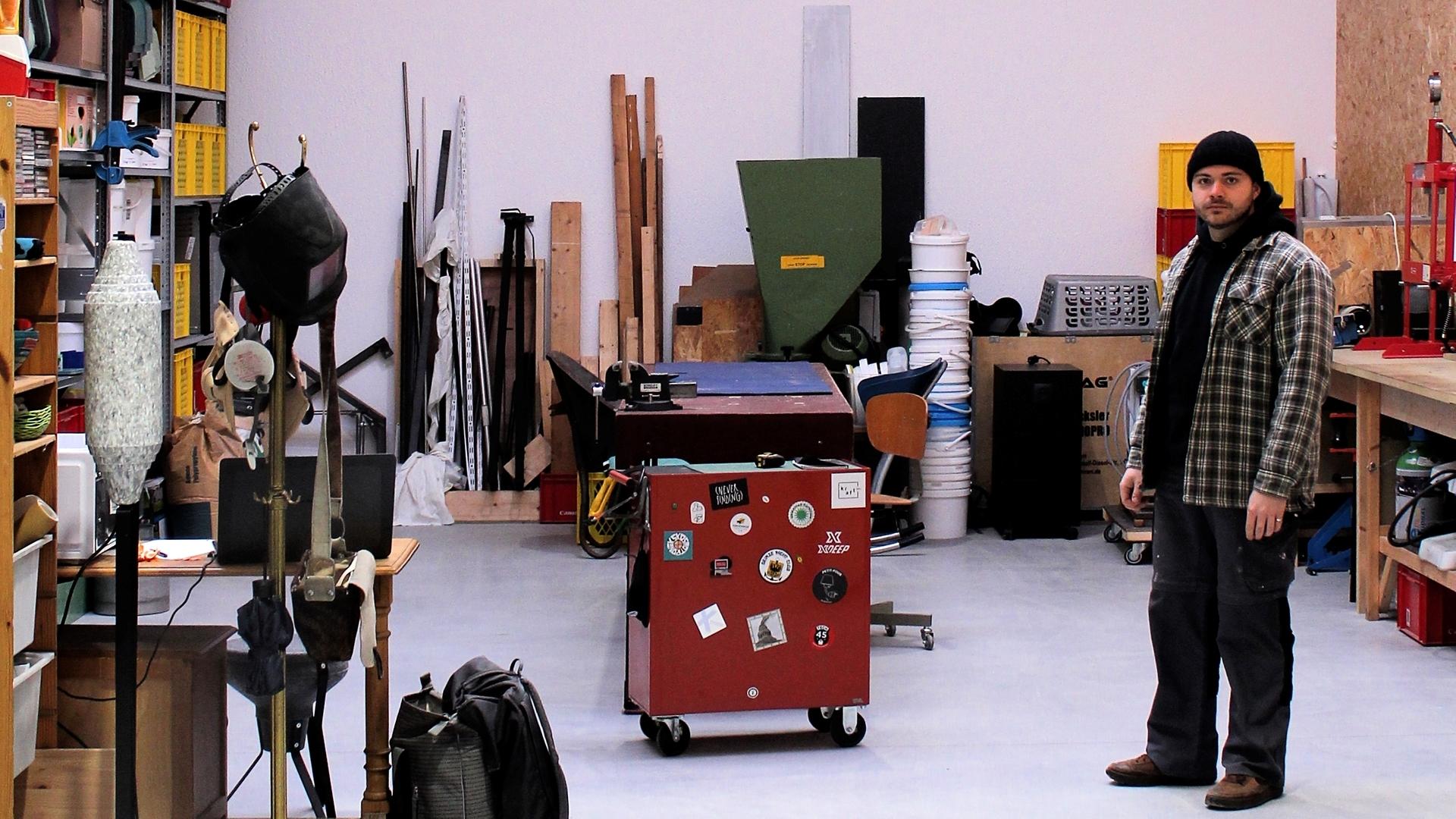
STUDIO_Pepijn De Greef

About Pepijn De Greef

Pepijn De Greef believes in a design practice that starts from the existing. Existing forms, existing materials. By taking objects and waste streams out of their context and recombining them, a new kind of design emerges: recognisable, circular and meaningful. Not by designing over and over again, but by looking differently at what already exists.