Human-made surfaces are dead skin to other species.
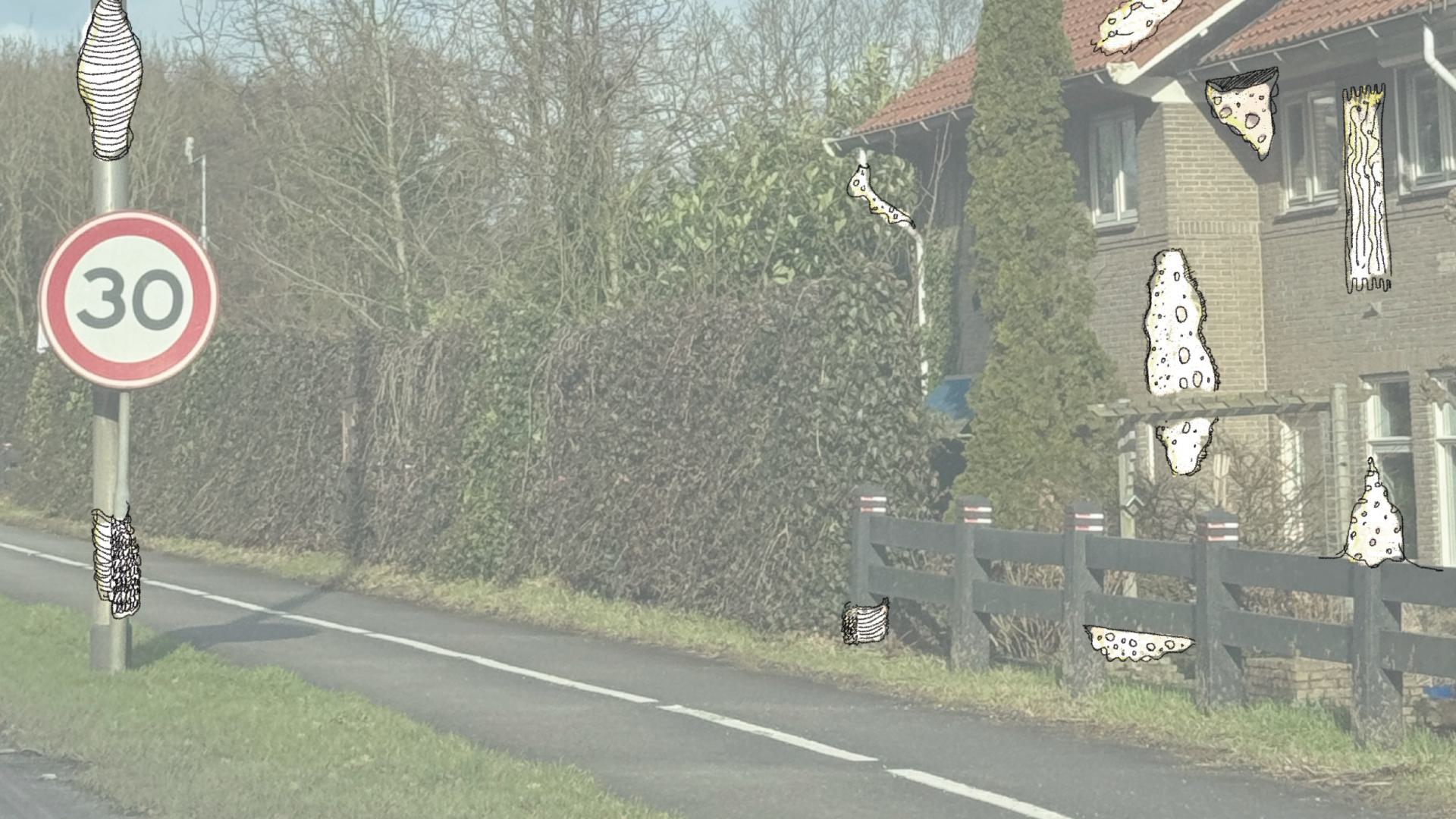
Modern architecture is, in a sense, “fake”: it visually imitates solidity and stability, yet offers almost no functional habitat for non-human species. Its vast surfaces typically lack the cracks, crevices or structures suitable for shelter or foraging that other species need; for them, it is virtually dead skin. A single tree, by contrast, offers ridges, furrows and hollows in its bark that create material conditions supporting fungi, mosses, insects and birds. Its surface functions as an inhabitable interface for a wide range of species.
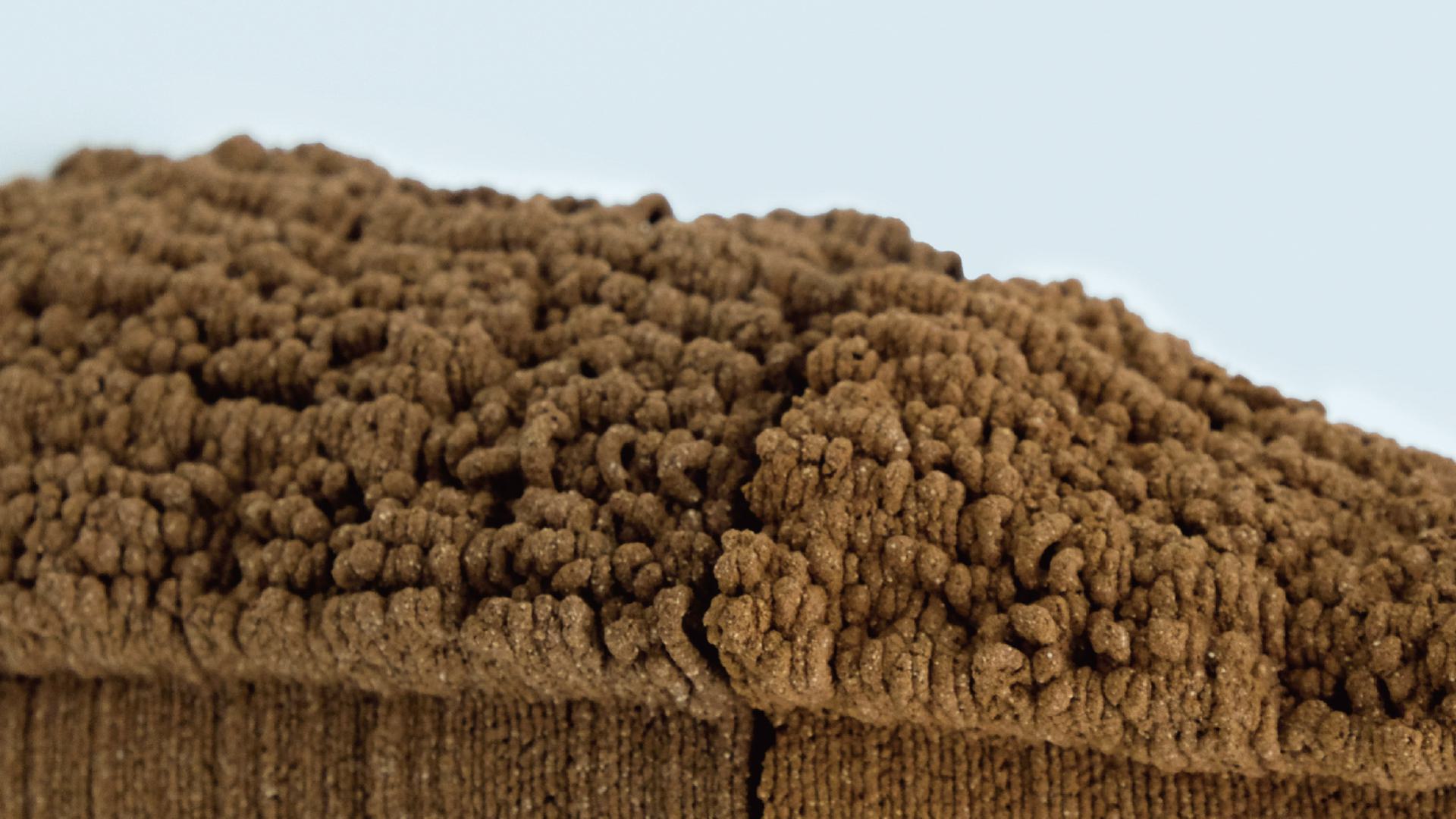
Re-expressing bark differences through machine logic and material deposition.
The study uses sensing tools to register environmental variation, and analyzes bark morphology through crack density, crack depth and bark thickness. These measured differences are then translated into parametric and fabrication variables and materialized through an extrusion system. The resulting artifacts function as material propositions that question and rethink forms of habitation and the relationships between humans and non-humans, reflecting on how design methodologies might support new forms of more-than-human cohabitation through fabricated ecological surfaces.