What is Cubcho
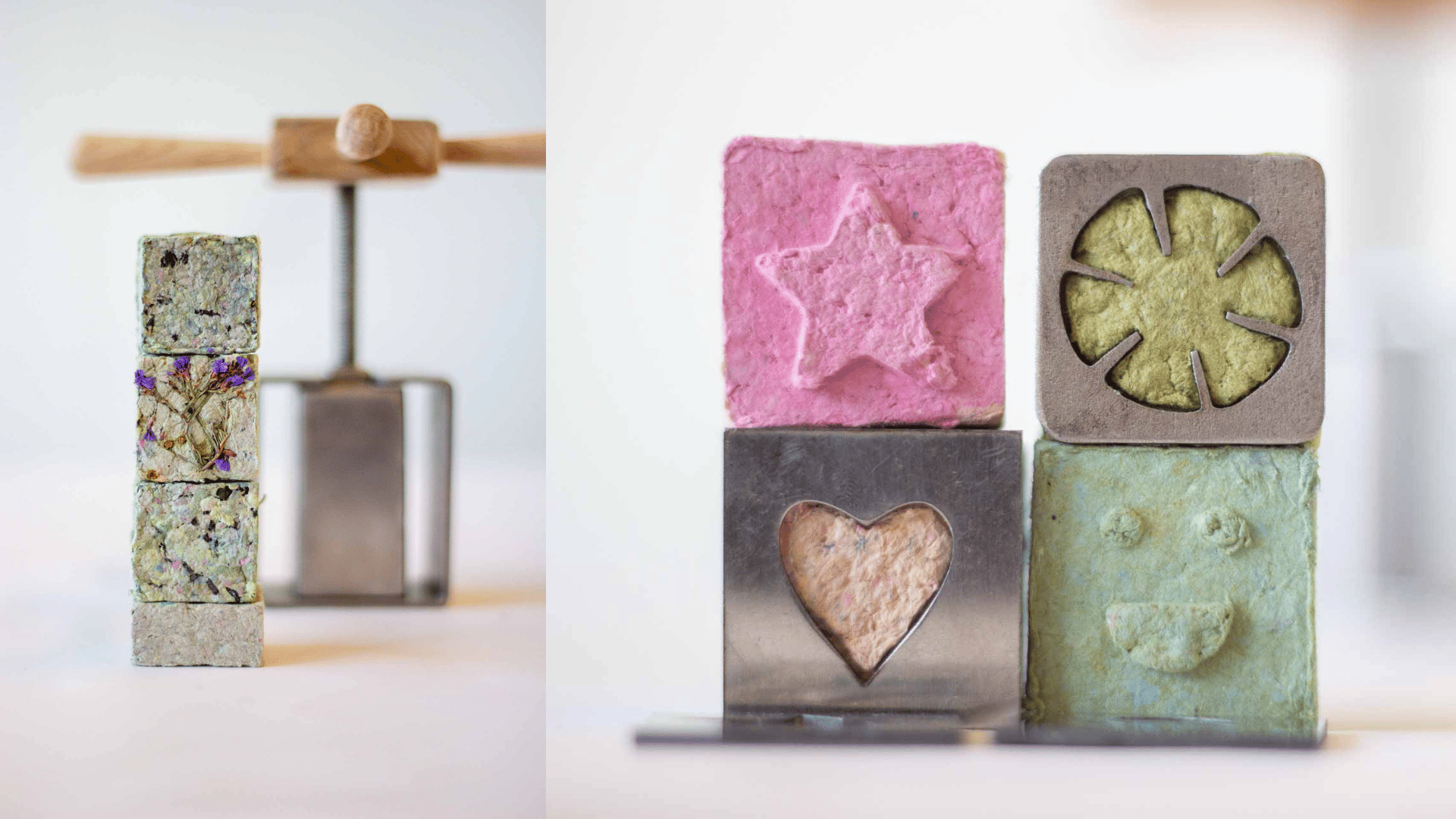
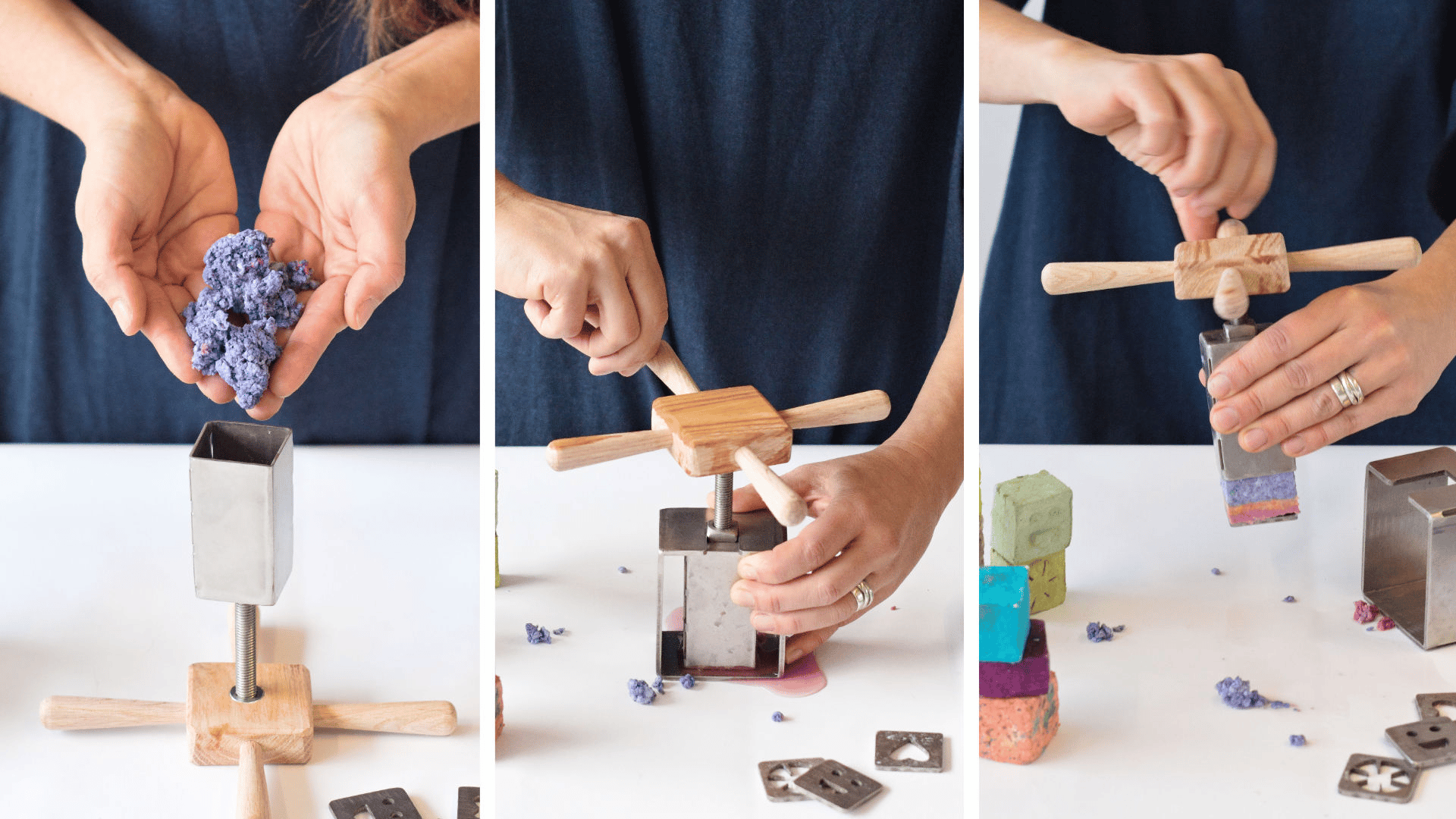
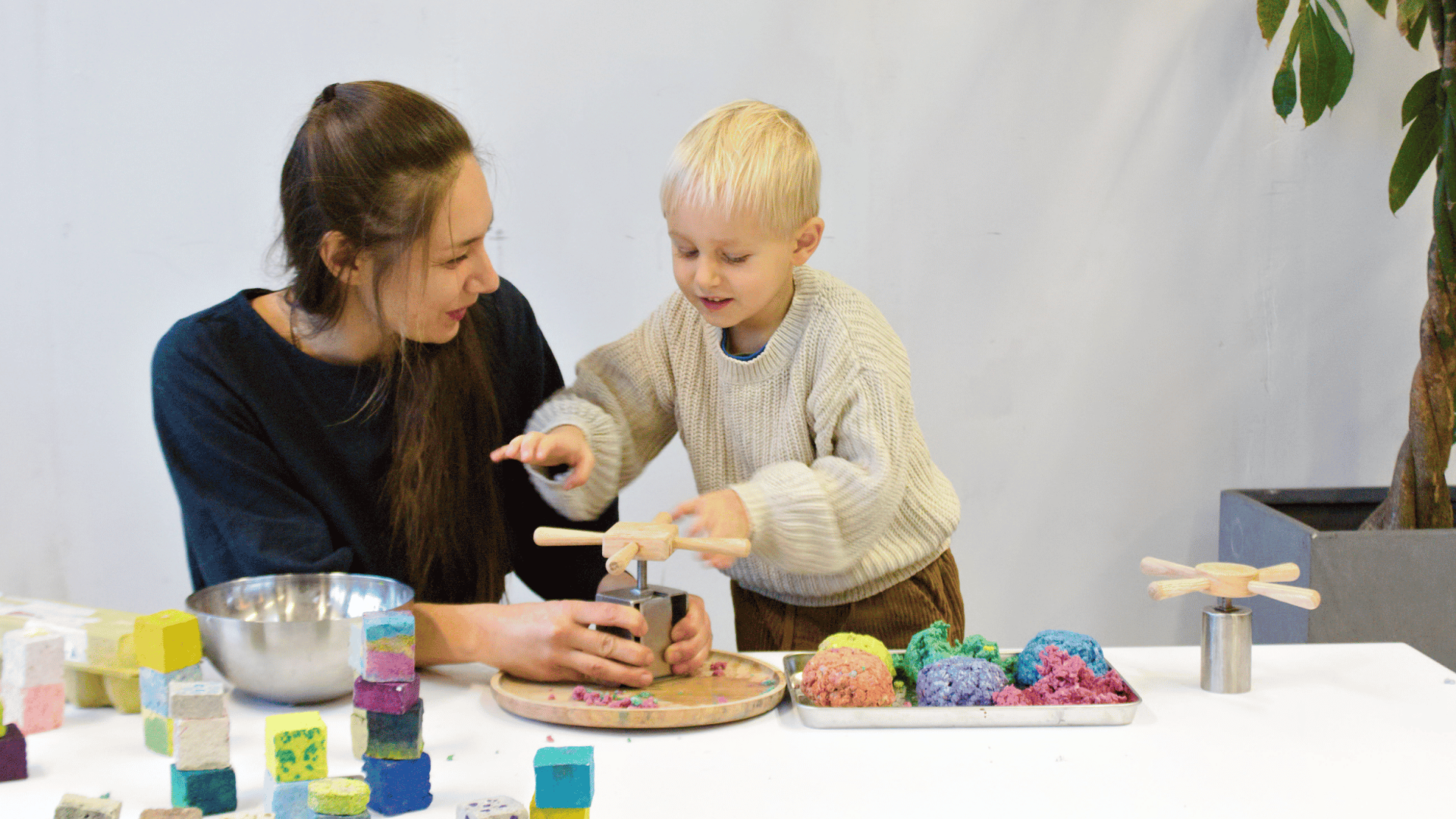
Cubcho is a family of hands-on mechanical tools that transform discarded paper and other materials into building blocks. What began as one stainless-steel and wooden press has grown into a wider system of tools, shapes, scales and material experiments. Children work with paper, water, colours, spices, seeds, fibres and other ingredients, discovering how small changes create completely different results. The process is simple enough to begin quickly, but open enough to keep experimenting. Children make their own choices, learn how the materials behave, master the mechanics of the tool and gradually take charge of the whole process.
Turn. Shape. Play
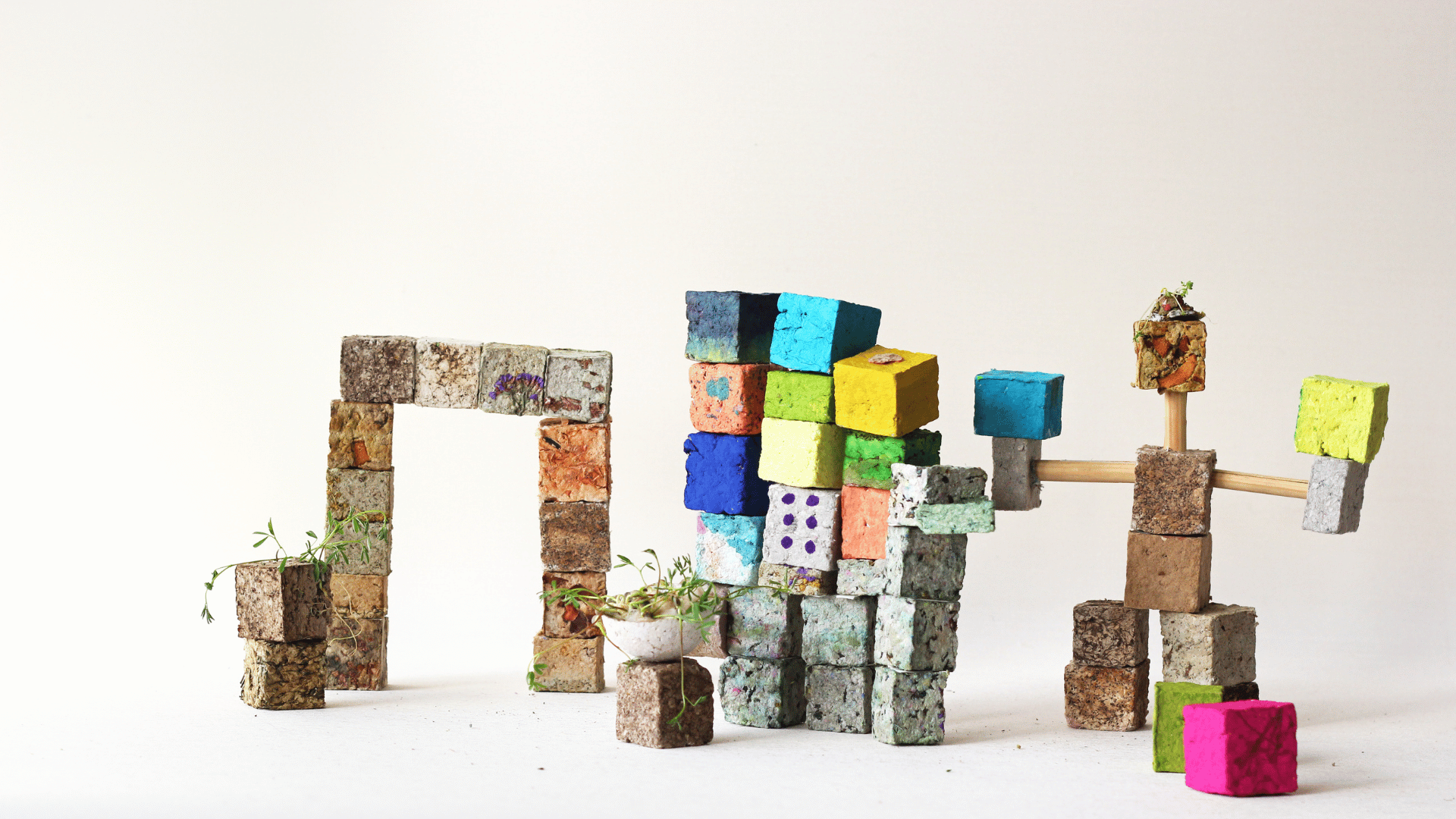
Cubcho is designed for curious makers aged 3–12 and combines play, material exploration and learning through the hands. While preparing pulp, mixing ingredients and operating the press, children develop motor skills, concentration, confidence and curiosity. Once dry, the blocks become open-ended tools for further play — from building and storytelling to patterns, math and design. The more blocks they make, the more possibilities appear. Cubcho turns reuse into something tangible and playful, showing that discarded material can become the starting point for new ideas rather than the end of a product’s life.
Workshop experience
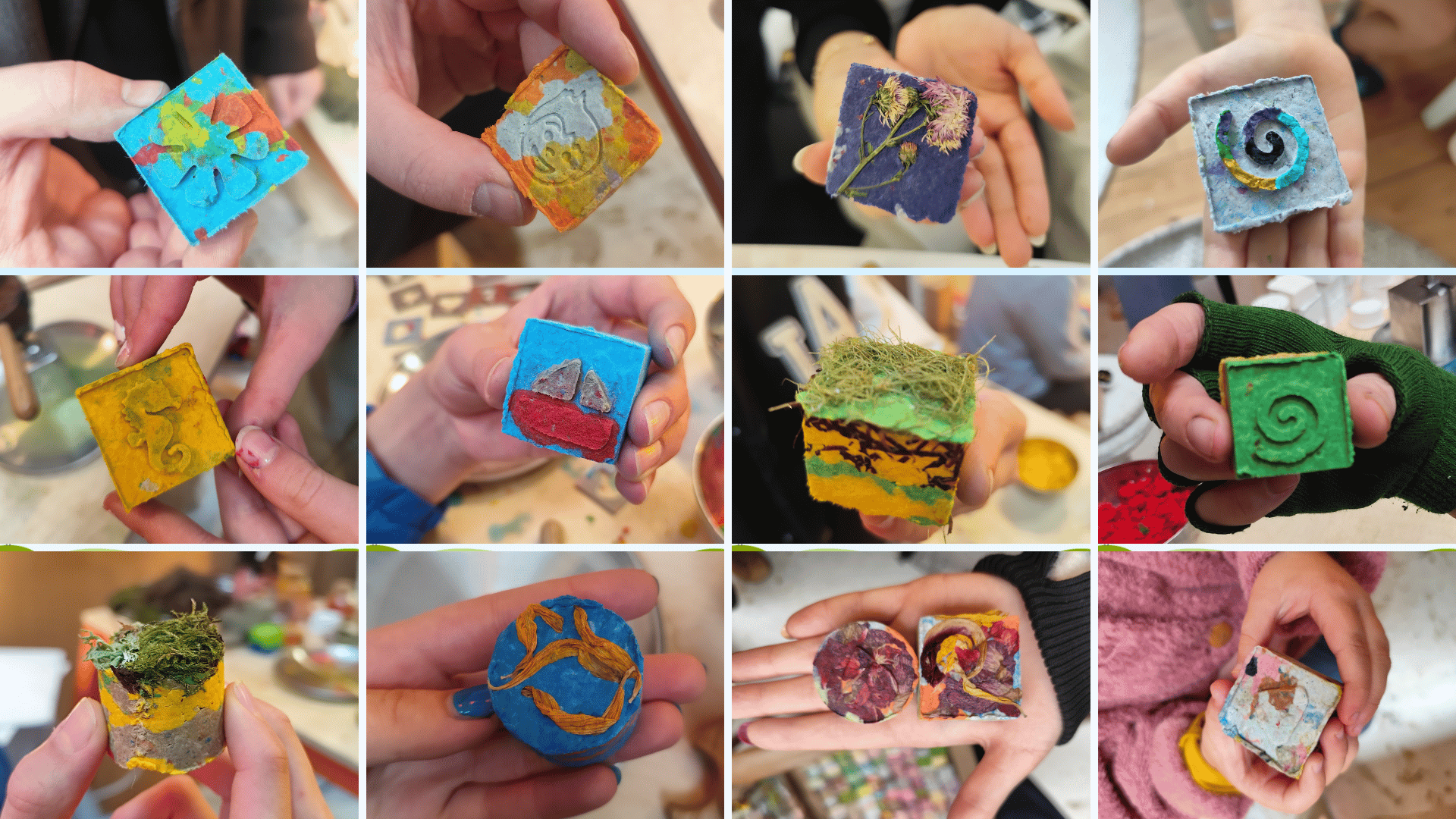
During the workshop, participants explore the growing Cubcho family through different tools, prototypes, plates, materials and techniques. The large-scale press and new tool versions offer different ways of working, while interchangeable plates open up possibilities for texture and surface — including the option to carve a simple lino plate of your own. Different papers, flowers, seeds, herbs, spices and natural pigments all change the colour, smell, texture and character of the blocks, turning each experiment into a slightly different discovery.
The experience continues at home, where once the blocks are dry they become tools for building, creating characters and structures, inventing games and continuing the play in new ways. The blocks can even be soaked back into pulp and shaped again, keeping the process open-ended rather than final.