Designed complexity
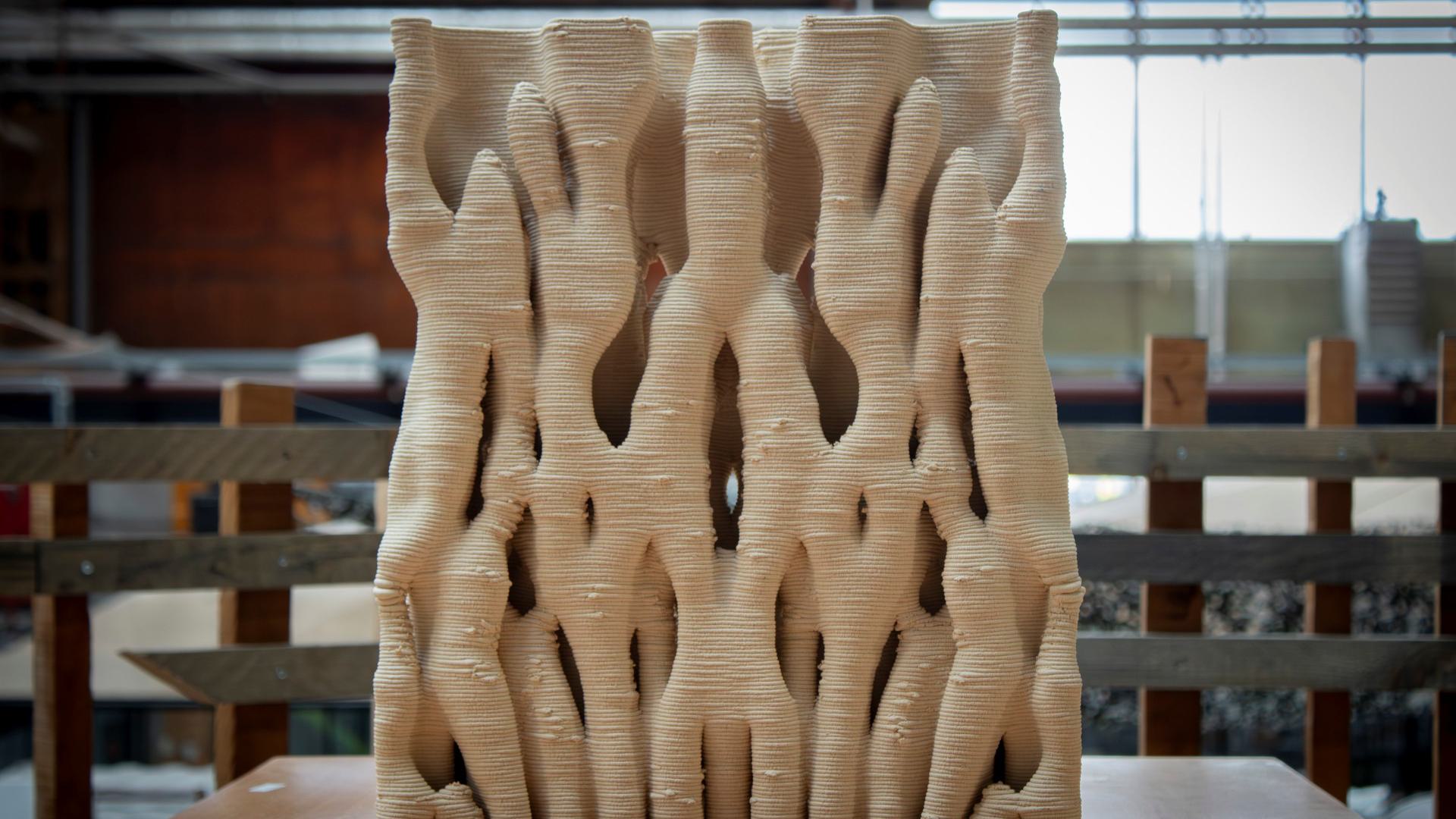
The urban environment faces various ecology- and climate related challenges like a lack of biodiversity, poor air quality, floods, droughts, and the urban heat island effect. Challenges that are non-existent or at least far less problematic in the natural realm. The complexity found there results in a vast diversity of conditions. This creates potential for a wide range of organisms to find shelter, habitat or foraging. Hence an ecosystem can thrive in these conditions autonomously.
The way the urban environment has developed in the last centuries lacks exactly this complexity. At Urban Reef we develop new design- and production methods to introduce complexity in urban applications.
Water and climate
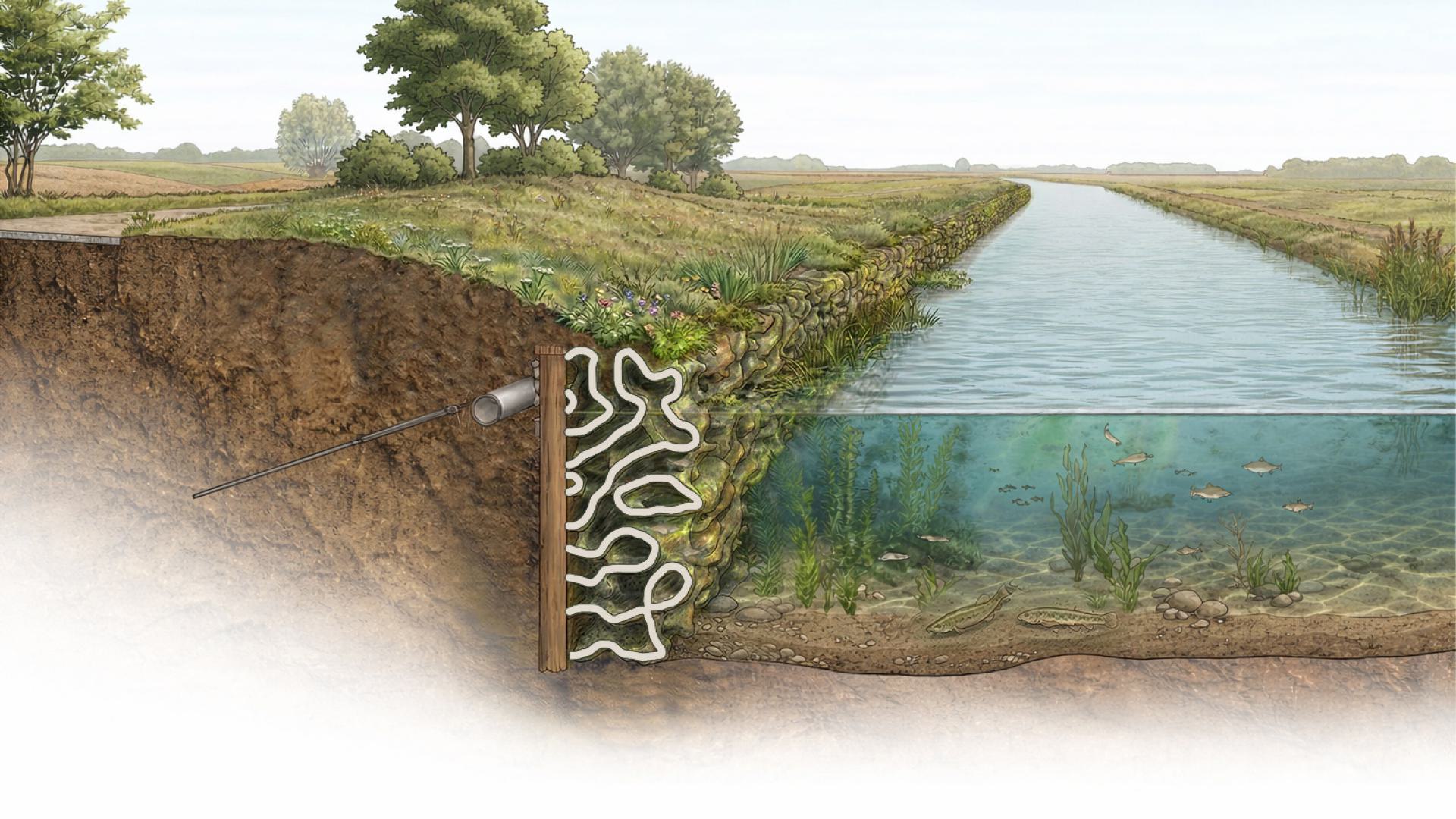
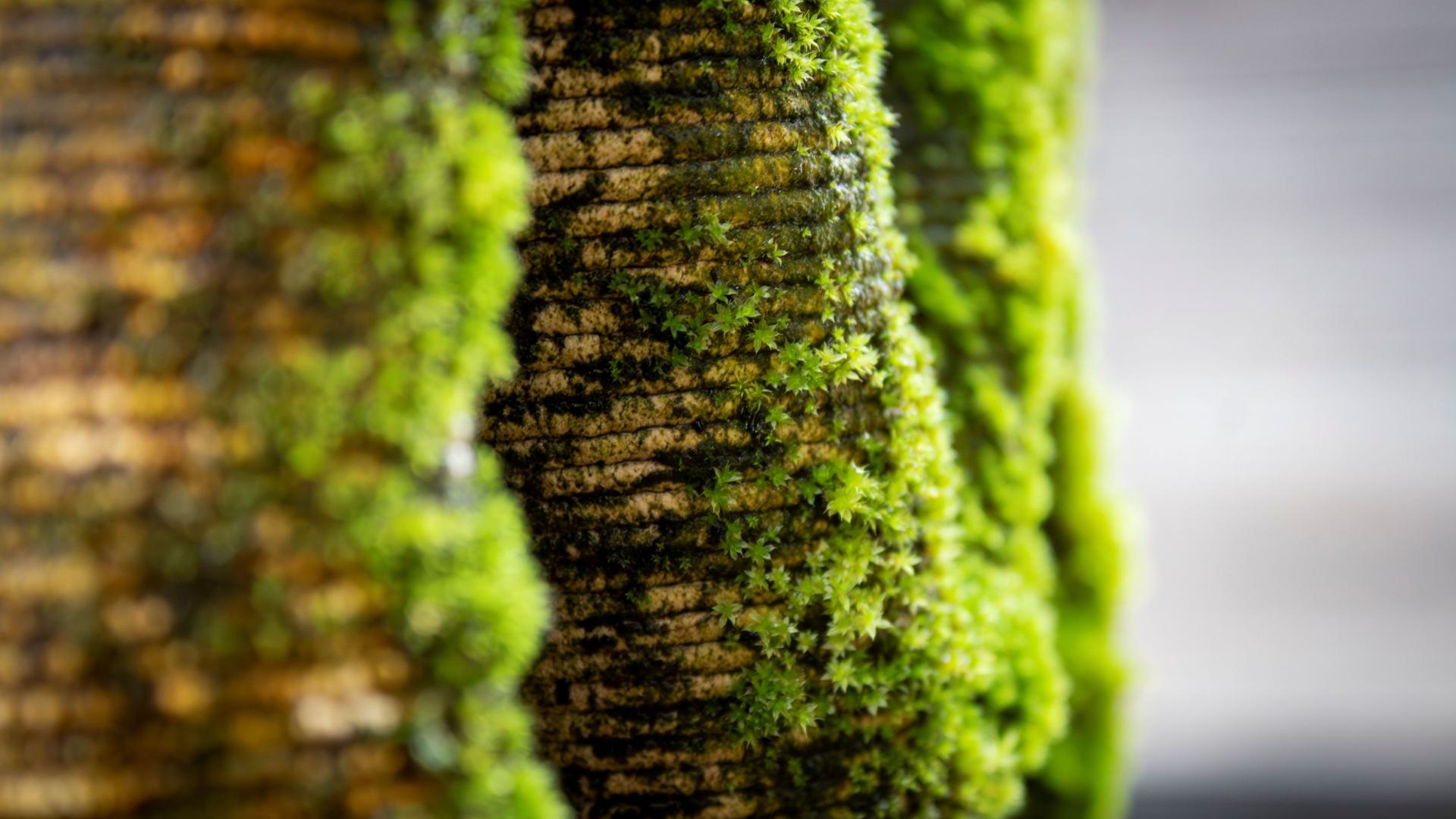
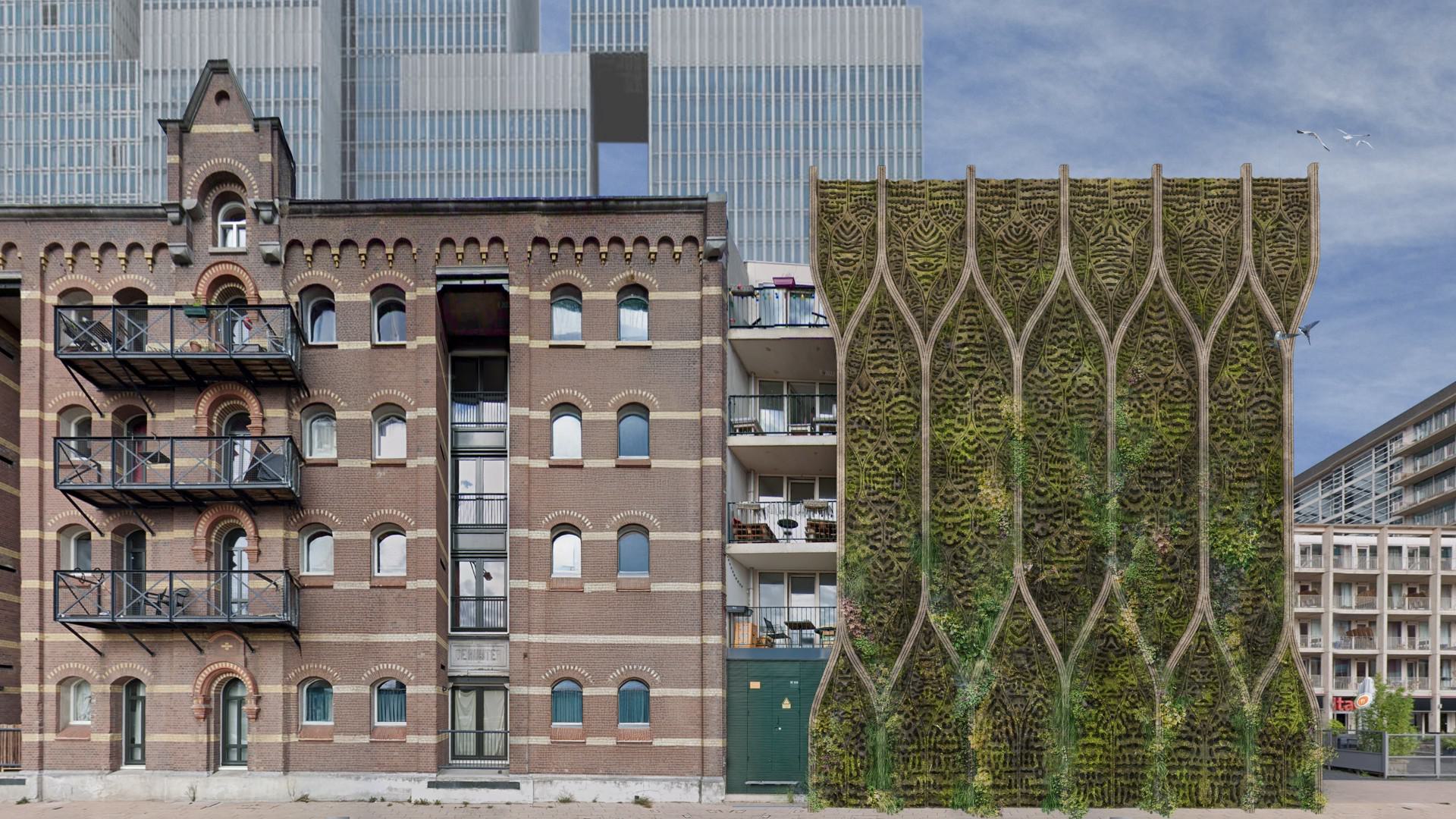
In addition to adding complexity, the regenerative facade stores rainwater in a hollow interior. Because the material is porous, this water slowly becomes available again on the outside. This makes conditions moister, so organisms such as algae and moss can grow on the structure. The water also evaporates on the outside, which lowers the surface temperature by up to 9°C compared to a conventional facade.
Besides these concepts there are multiple secondary benefits, as improved urban acoustics, air quality and natural aesthetics.
Scaling up
The prototypes on show are precursors of the facade we are now developing in the project De Regeneratieve Gevel, together with Dura Vermeer, Summum Engineering, Netics and Waardemaatje. Small pilots have validated the concepts. We are now developing a production method and a material that allow production at architectural and infrastructural scale. The first pilots with the new method are planned from December 2026, with ecological and climate monitoring. The project is co-financed by the European Union through Kansen voor West III.