17-25 October 2026

Encoded Skin

Translating Bark Morphology into Machine-Printed Ecological Interfaces

Hosted by Lichi Hsu

Log in to save this programme item to a favourite list.

Login
This project is part of
4TU. Design United Expo Design Bridges
→

Entrance fee

DDW ticket required

Accessibility

Tactile
Free wifi available
Toilets available
Fully wheelchair accessible
Wheelchair friendly toilet available

Opening hours

11:00
-
18:00
11:00
-
18:00
11:00
-
18:00
11:00
-
18:00
11:00
-
18:00
11:00
-
18:00
11:00
-
18:00
11:00
-
18:00
11:00
-
18:00
Towards multispecies co-habitation.
Lichi Hsu
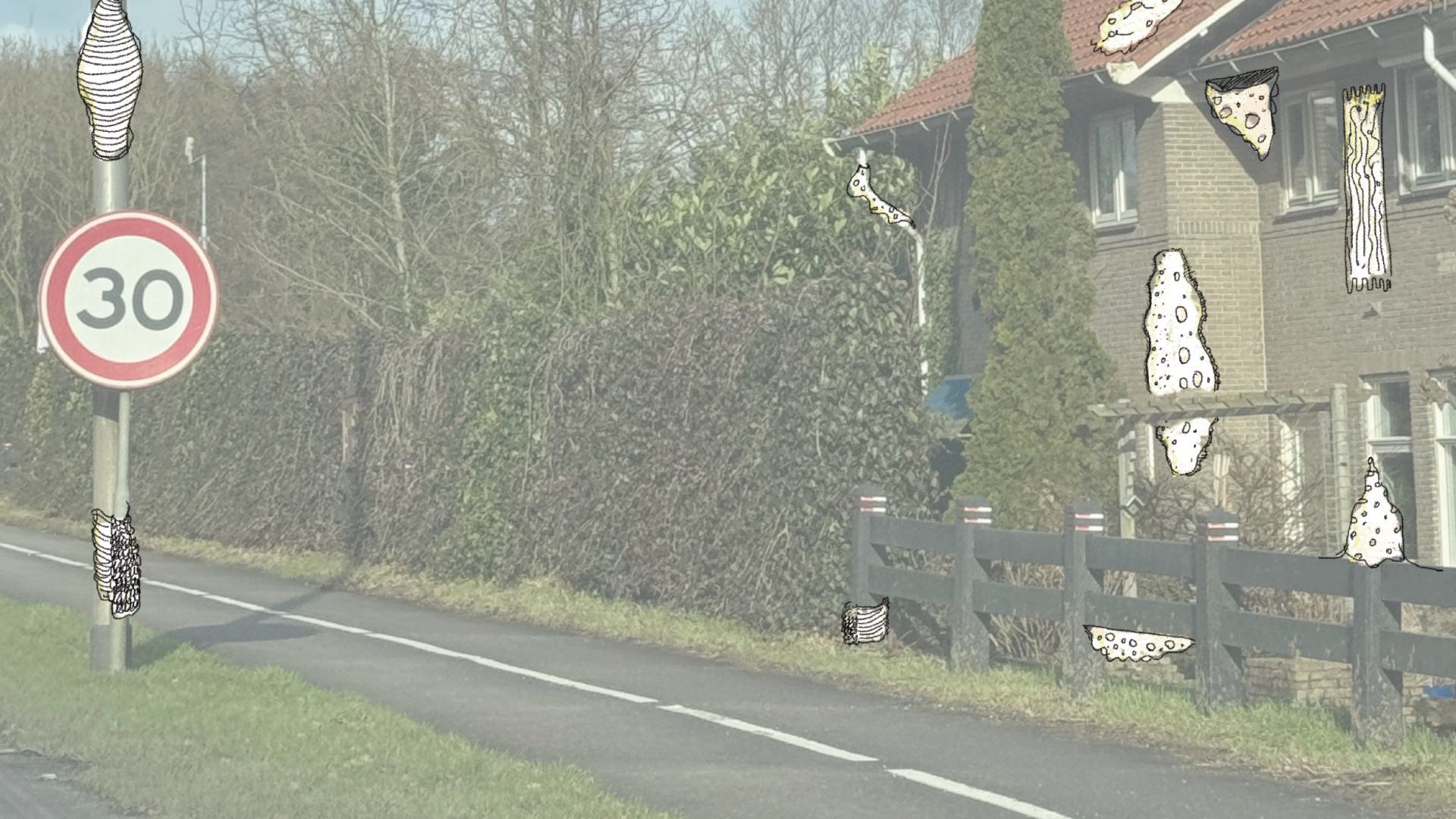
Many human-made objects and surfaces appear solid and complete, yet they often function as ecologically inactive boundaries. Encoded Skin asks how bark morphology, the form and material structure of bark, can be translated into fabricated surfaces.

Human-made surfaces are dead skin to other species.

Modern architecture is, in a sense, “fake”: it visually imitates solidity and stability, yet offers almost no functional habitat for non-human species. Its vast surfaces typically lack the cracks, crevices or structures suitable for shelter or foraging that other species need; for them, it is virtually dead skin. A single tree, by contrast, offers ridges, furrows and hollows in its bark that create material conditions supporting fungi, mosses, insects and birds. Its surface functions as an inhabitable interface for a wide range of species.

Re-expressing bark differences through machine logic and material deposition.

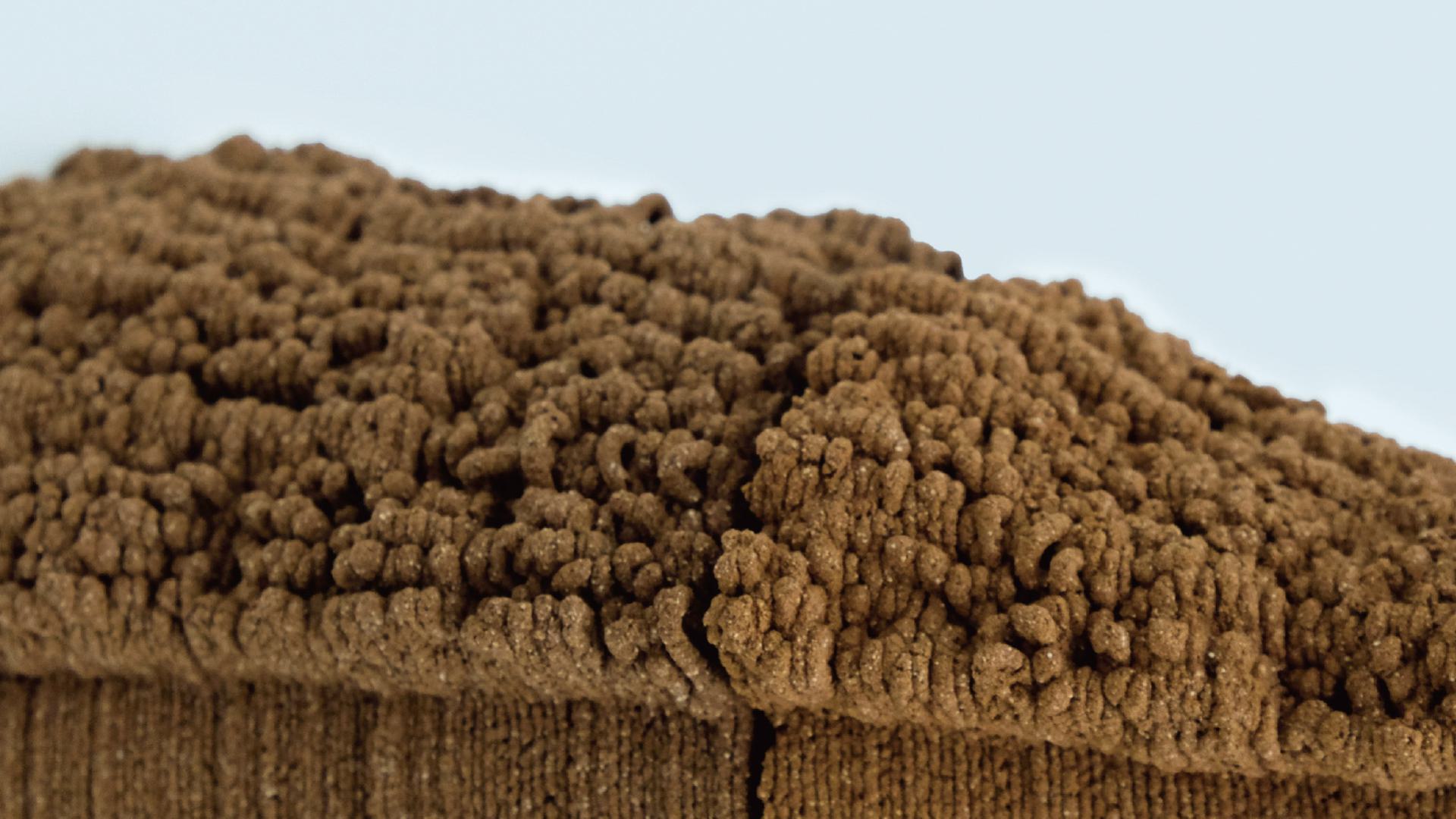
The study uses sensing tools to register environmental variation, and analyzes bark morphology through crack density, crack depth and bark thickness. These measured differences are then translated into parametric and fabrication variables and materialized through an extrusion system. The resulting artifacts function as material propositions that question and rethink forms of habitation and the relationships between humans and non-humans, reflecting on how design methodologies might support new forms of more-than-human cohabitation through fabricated ecological surfaces.

Ready to visit?

Come to Dutch Design Week and make this project part of your visit.

Buy tickets
Bark morphology encoded into the surface.
Lichi Hsu

About Lichi Hsu

I'm drawn to the way objects speak. They carry meaning, invite interaction, and reflect how we imagine and shape the world around us. Moving between design thinking, material exploration, and digital fabrication, my practice explores how technology can translate ideas into tangible experiences.