From root to canopy: an ecosystem of sculpture, functionality and natural shapes
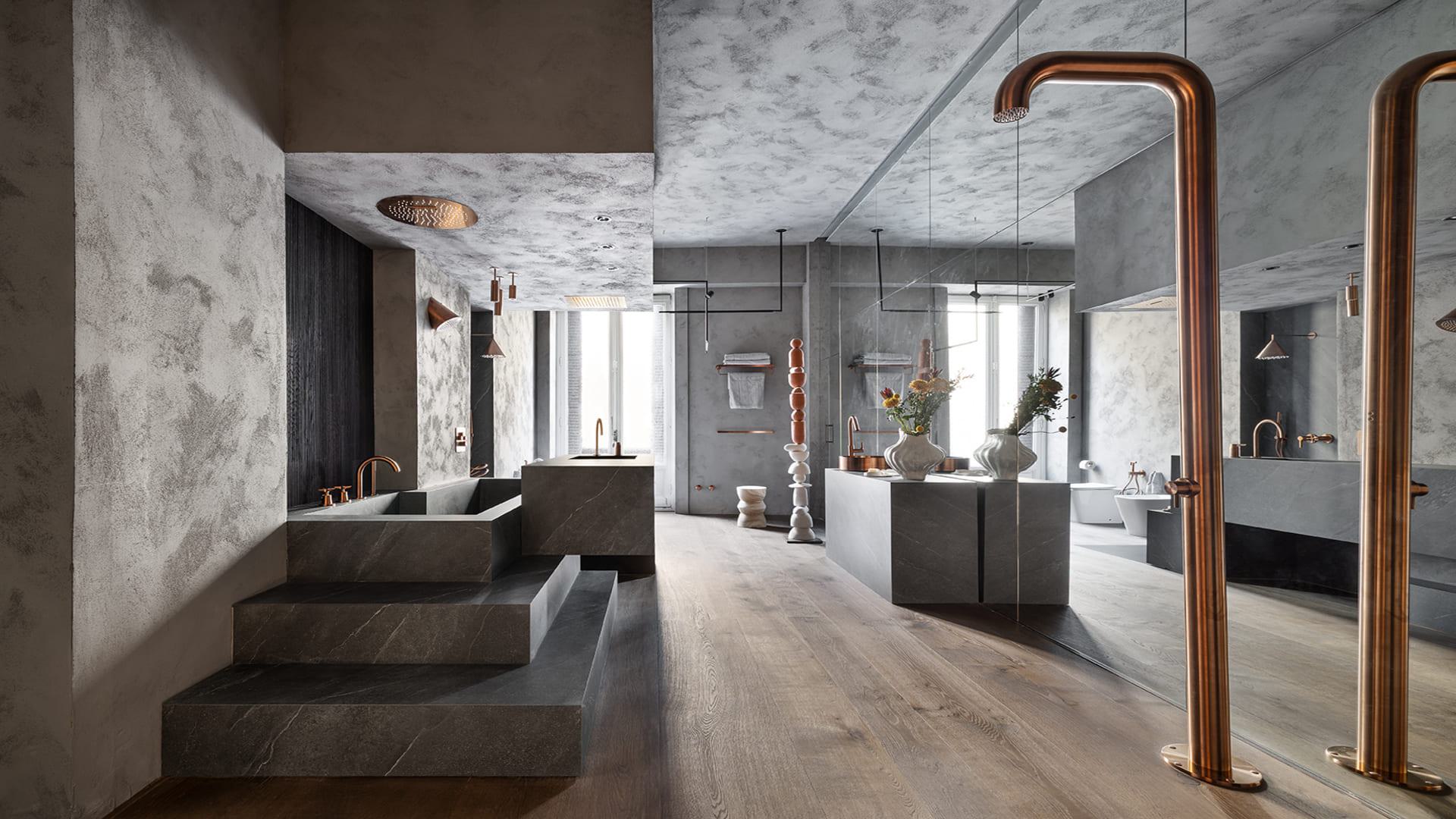
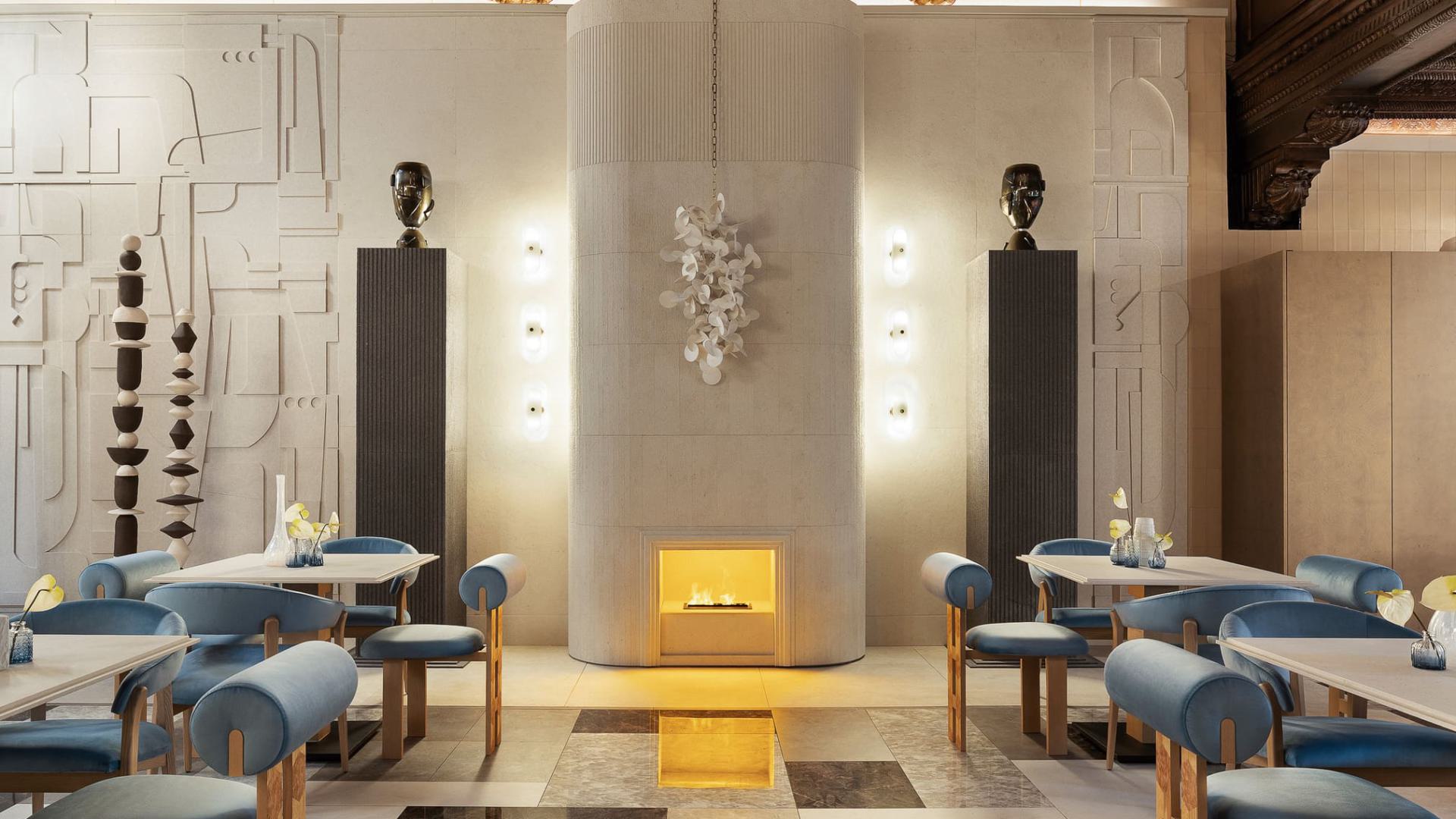
Forest Floor starts from the layered structure of a forest and the question of how the forms that surround us in nature can translate into our interiors. What happens beneath the ground forms the foundation for what becomes visible above. In the installation, roots are translated into organic side tables, trunks into vertical totems, and canopies into organically shaped lamps. Together, they form a spatial ecosystem in which each element has its own role while simultaneously being part of a larger whole. The forms are not literal copies of nature, but an abstract translation of an organic and geometric visual language. Forest Floor invites us not only to admire natural forms outside, but also to recognise and experience them within our everyday living environment. By bringing organic forms, imperfection and layering indoors, a different relationship emerges between nature, object and interior. The work asks how our living spaces can be enriched when we do not simply draw inspiration from nature, but actually make its visual language part of our interiors, with objects that have more soul.
Looking more consciously at what we bring into our interiors
Although Forest Floor is experienced as a single installation, each element is designed to function independently within an interior. Together, they create a landscape in which natural forms become part of our living environment.
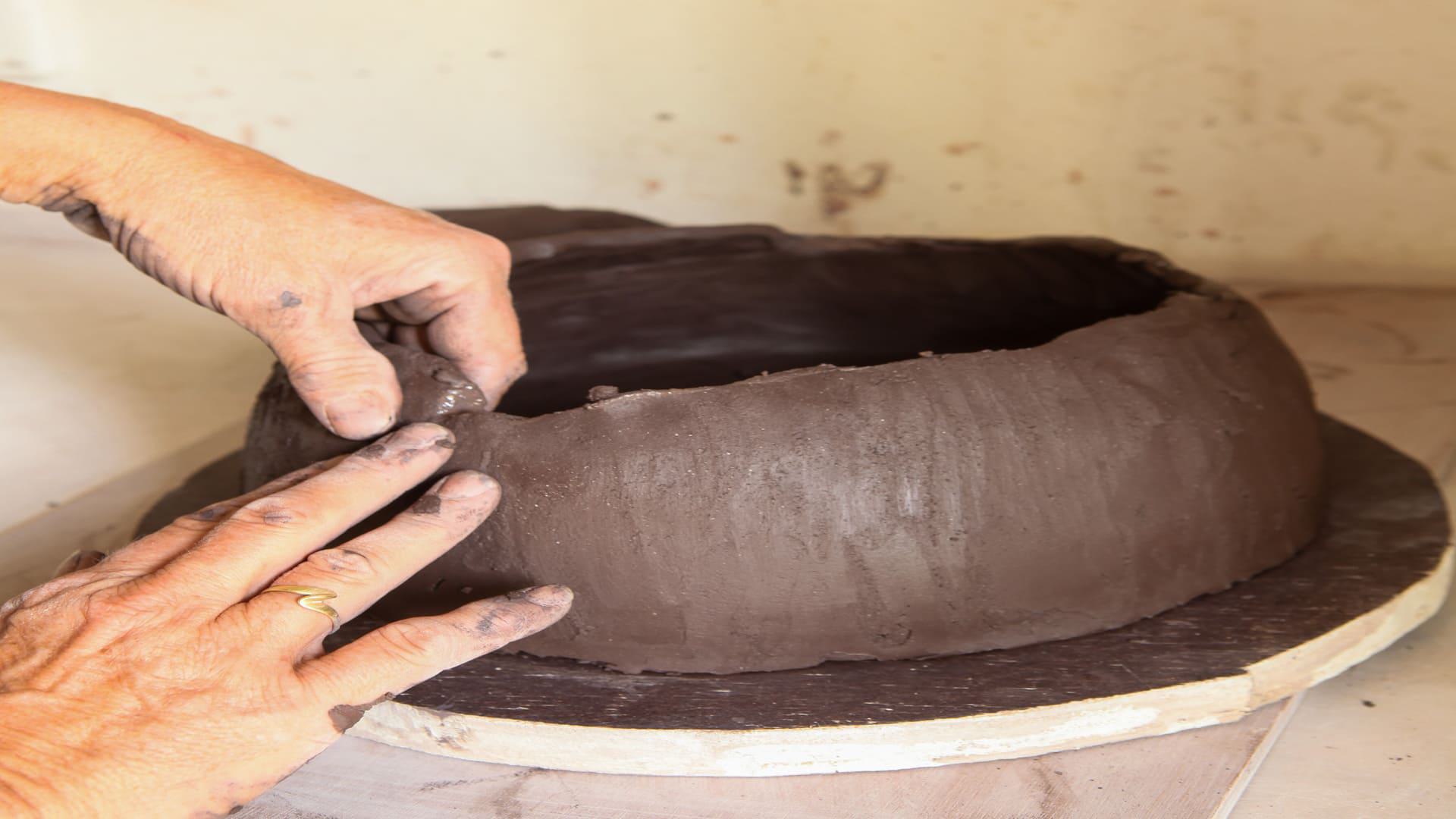
Each object is built by hand and carries the traces of the making process. No two objects are exactly alike. In this way, Forest Floor offers a conscious response to the uniformity of mass production and aims to open up a discussion. What if we chose not only for what is functional or beautiful, but also for what is made with time, attention and human hands? Is a unique, handmade object a more conscious choice in interior design than an endlessly reproducible product? And what happens when we make the origin of a material, literally, the earth, visible again in the object we bring into our living environment?
Forest Floor does not provide answers, but invites us to reconsider the value of objects, the role of the maker, and the choices we make for our interiors.
From Organic Landscape to Brutalist Sculptures
Within the organic landscape of Forest Floor, a brutalist totem creates a deliberate contrast. Its powerful geometric form marks a shift in the visual language of Studio Wild Orange and signals a new direction: abstract sculptural objects in which volume, geometry, imperfection and asymmetry converge.
Forest Floor thus reflects not only the origins of this development, but also makes visible the transition towards a more autonomous and exploratory visual language, in which form, composition and the tension between individual elements take centre stage.