Radical Chains: nothing exists in isolation
Behind every design lies a chain of choices, materials, labour and energy. What seems self-evident turns out to be inextricably connected to everything and everyone. This makes redesigning our world extremely complex. Meanwhile, climates and ecosystems keep changing, resources and labour are under growing pressure, and yesterday’s solutions sometimes become today’s problems. The way we live, produce and consume needs to change radically. But how?
Driven by its mission to contribute step by step to a more nature-inclusive society, Kazerne Foundation initiates chain research and integrated collaboration to develop compelling alternatives. Together with those who share the urgency to redesign our living environment in symbiosis. Not by continuing to make plans, but by doing: researching, connecting, experimenting and making.
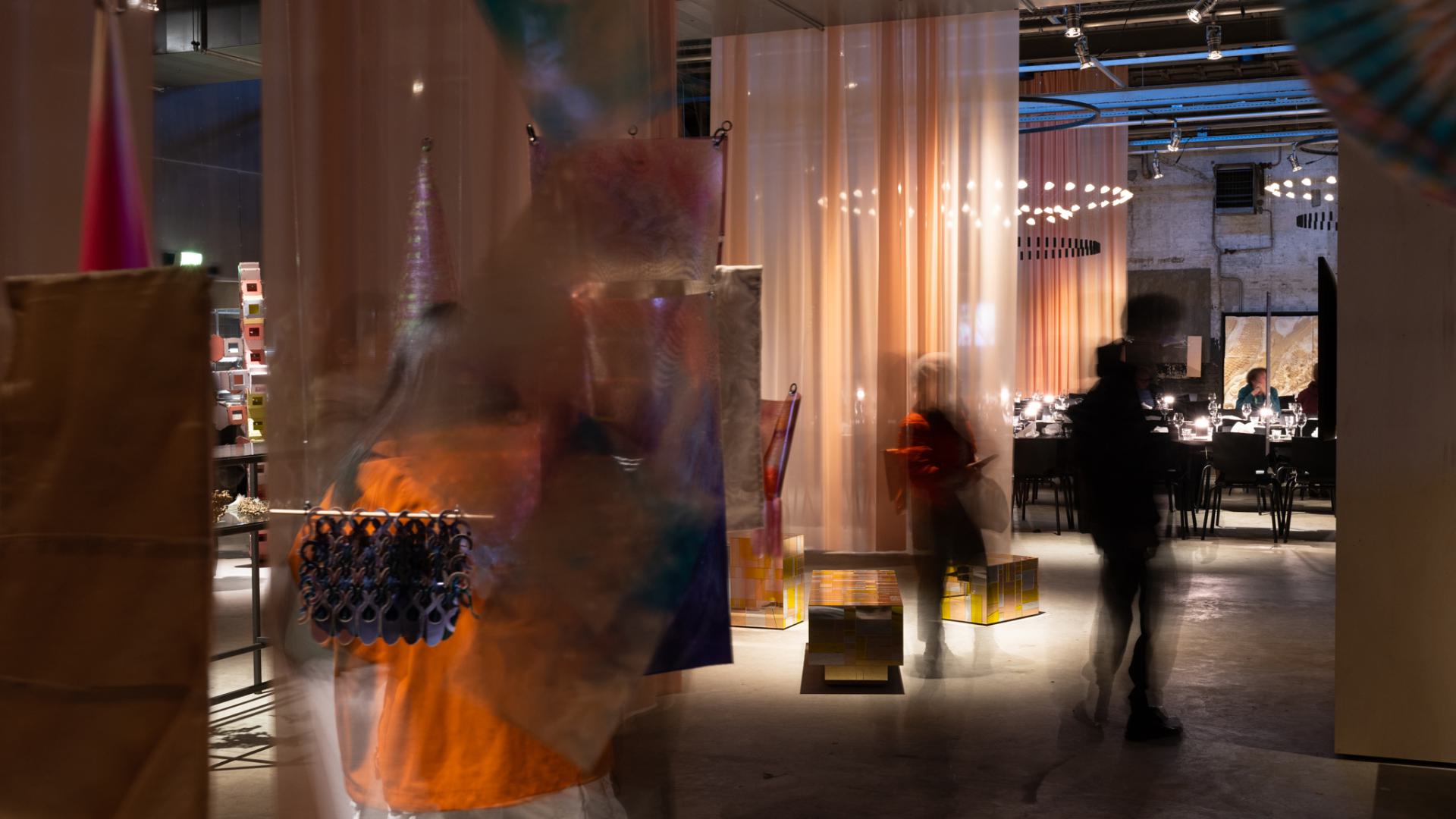
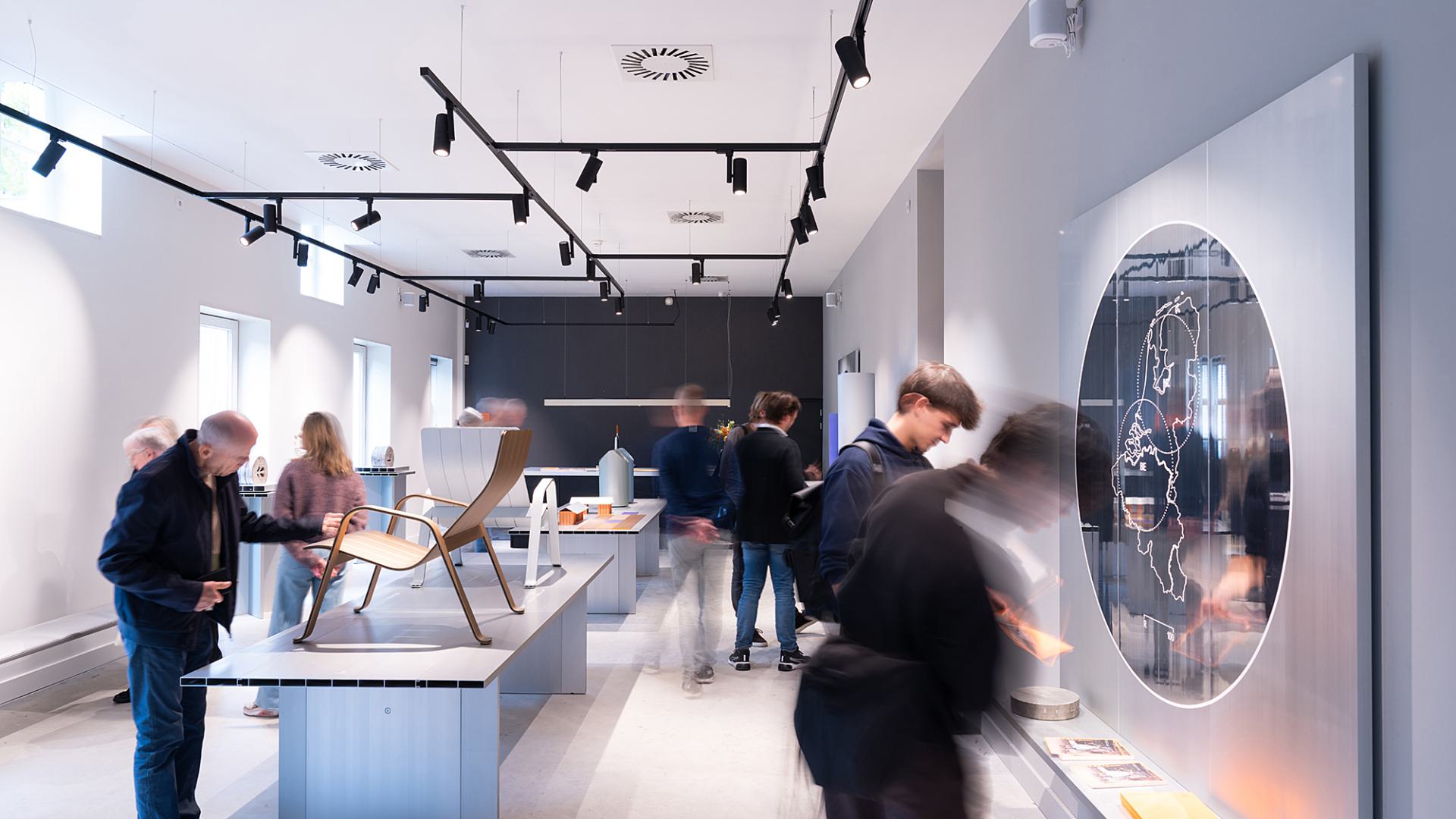
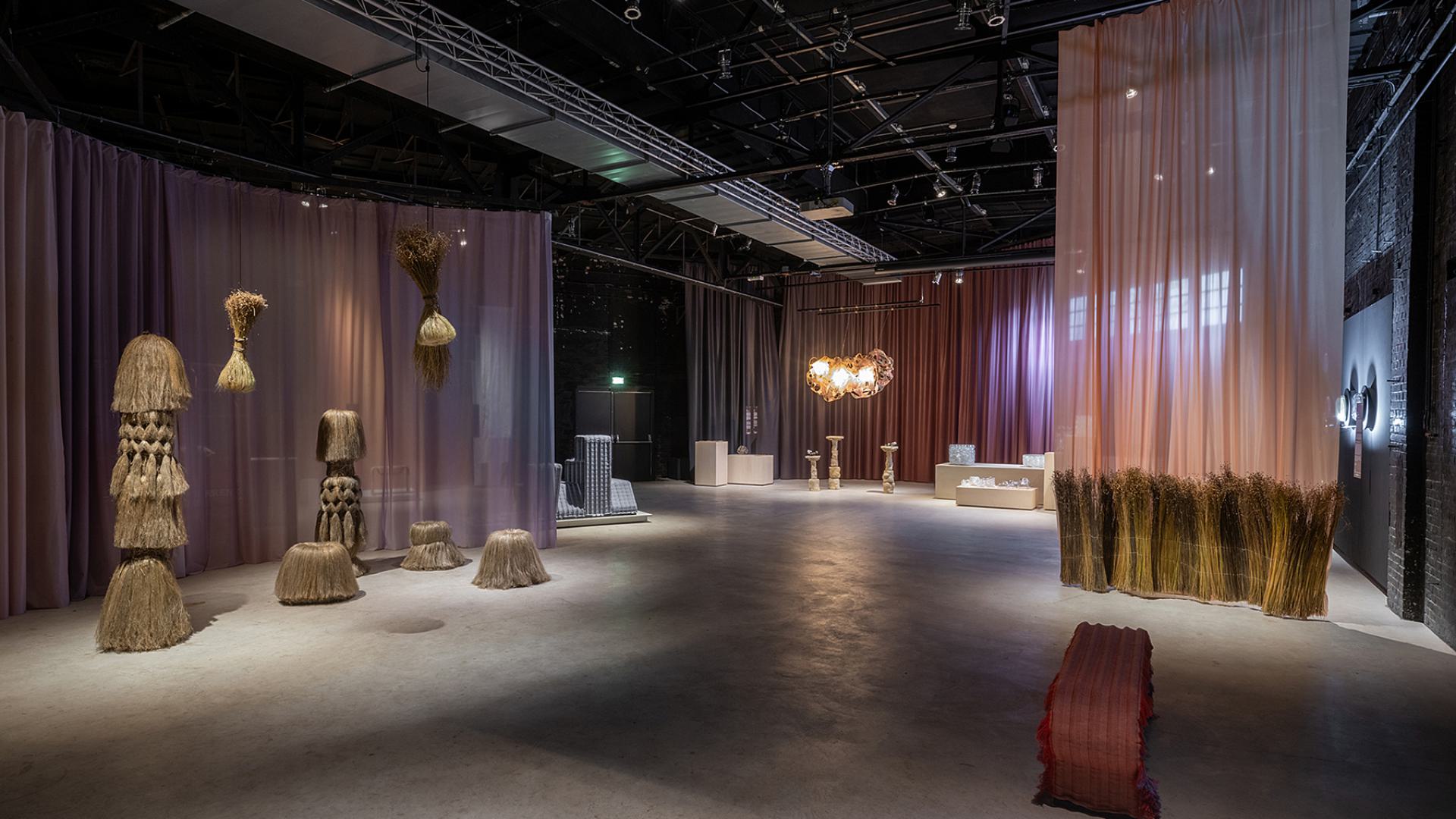
During DDW 2026, Radical Chains shares its first insights, prototypes and possible directions. Come to explore, meet the teams and get inspired by hopeful ideas for tomorrow. The program is still evolving, so keep an eye on the Kazerne Design Lab agenda for updates.
Radical Chains: Food • Domestic • Landscape
Eindhoven is home to 170 nationalities, yet many beloved ingredients come from afar. How can food cultures strengthen biodiversity and regional food production? The Food team explores the chain from soil to plate to soil in a shifting climate.
Will we soon get our vegetables not pre-cut and packaged from the supermarket, but straight from the regenerative landscape? As a family outing?
Our built environment is trapped in fixed functions, while life keeps changing. The Domestic team explores how spaces, materials and buildings can flexibly adapt within the chain of life over time, considering health, social cohesion and ecological vitality.
What if a building could change with its occupants and functions, while its materials and forms restore rather than deplete?
Everything moves: people and goods, animals and seeds, water and energy. The Netherlands has 143,000 kilometres of public roads. What connects us humans can be a barrier to other forms. Using the A2/N2 as a case study, the Landscape team explores which chains roads enable and which they disrupt.
What if motorways became multifunctional, regenerative infrastructure that enables things to flow, grow, migrate, move and live?
Meet the Radical Chains teams
Food: Annemoon Geurts (initiator and designer) Janny van der Heijden and Marcel Webster (Province of North Brabant) Mirjam van Oers (Generalist, transition facilitator) Jessica Peters (Palande, regenerative grower) Linde van Vlijmen (student designer) Carolien Weerstand (Studio Weerstand, designer) Paul van Zoggel (scientist, Wageningen Research)
Domestic: Annemoon Geurts (initiator, designer) Mars Holwerda (MOMdesign, designer) Emma Lubbers (TU/e, researcher in circular renovation, architect) Ineke Neutelings (Inktvisie, designer) Ralph Oduber & Joppe Stello (Heijmans, circular innovation specialists) Meggy Smulders (Gielissen, circular building materials specialist) Vittore Vermeulen (DAE, student designer)
Landscape: Janne Brok (Bureau WO, researcher radical systems change), Sterre Dingemanse, Annemoon Geurts (initiator, designer), Stan Kerkhofs (Rijkswaterstaat, circular infrastructure specialist), Claudia Lieshout (Studio Clau, designer), Lucas van Vuuren (DAE, student designer), Carolien Weerstand (Studio Weerstand, designer)