Beyond Human
What if care were no longer limited to humans, but extended to the objects that quietly support our everyday lives? R/EST explores this question through the chair—a familiar yet often overlooked object that continuously supports daily activities while gradually being worn down, discarded, and forgotten. By reframing chairs not merely as utilitarian tools but as entities worthy of attention and care, the project seeks to cultivate empathy towards the material world and reconsider the relationship between people and the objects they depend on.
Restorative Care
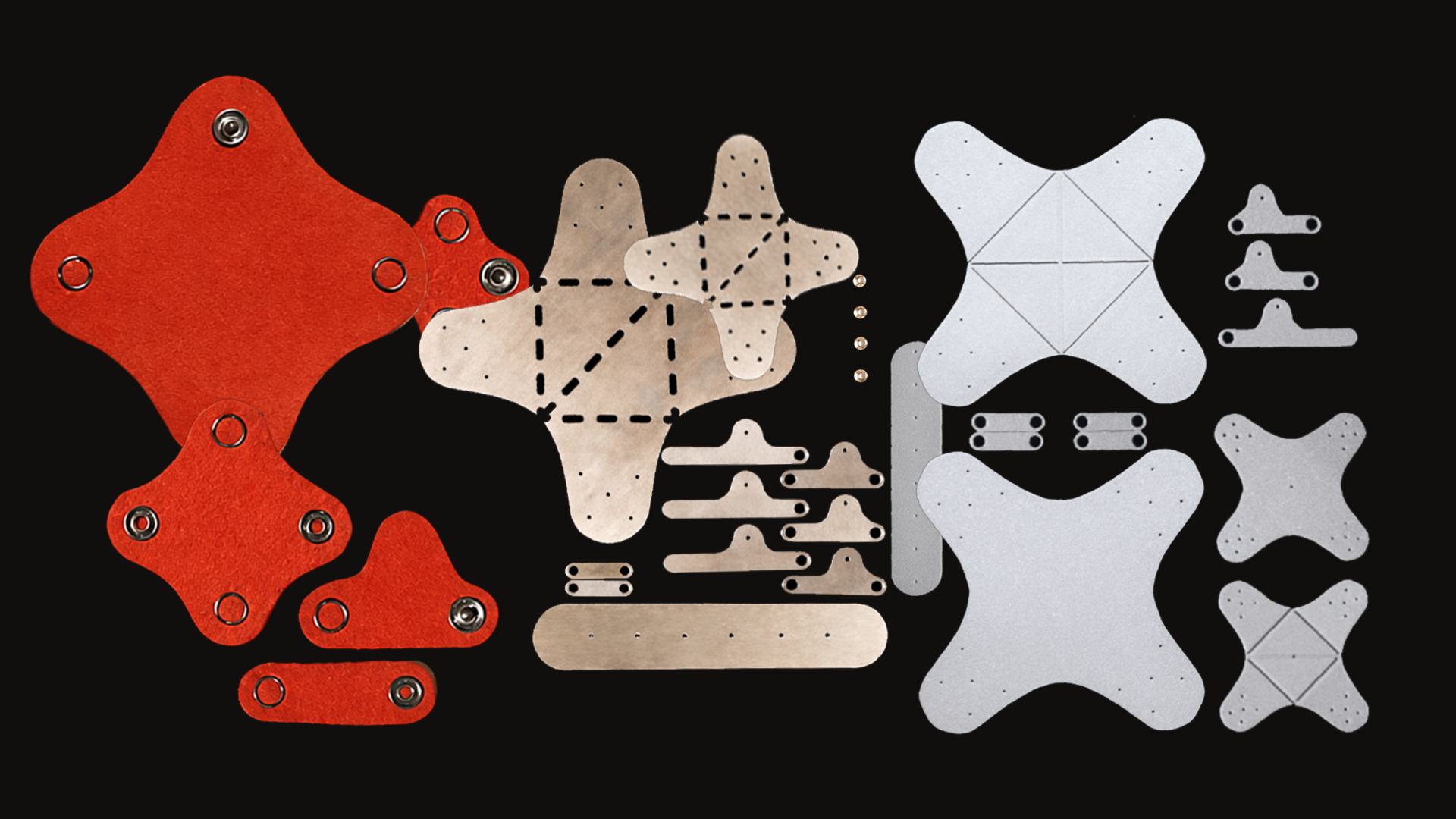
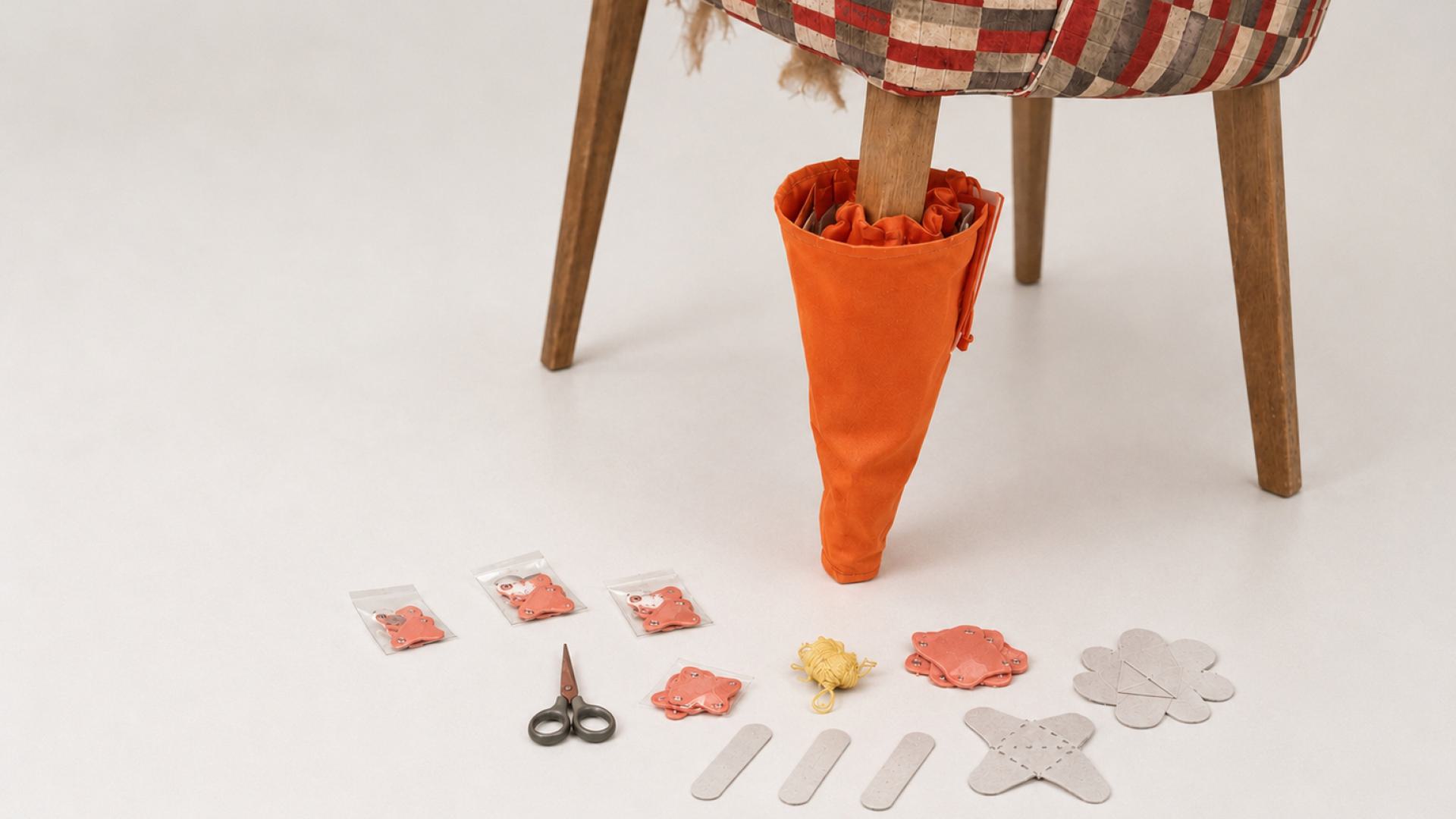
R/EST translates this idea of care into a series of restorative interventions. The project raises awareness through newspapers distributed in public spaces, develops accessible guidelines for chair use and maintenance, and establishes a system for identifying, recording, and responding to damage. Rather than concealing repair, these interventions make maintenance visible as part of everyday interaction. Repair therefore becomes more than a practical response to damage: it becomes an active expression of attention towards objects that are usually taken for granted.
Shared Responsibility
Through DIY repair practices, R/EST invites people to participate directly in caring for the objects they rely on and to take greater responsibility for their continued use. Care is transformed from an invisible act of maintenance into an ongoing and participatory relationship between humans and the material world. By beginning with something as ordinary as a chair, the project ultimately asks a broader question: how might extending care beyond the human reshape the way we value, maintain, and coexist with the material world around us?