The Problem: What kind of institution does the world need the university to become?
The university as we know it was built for a different century. Designed for stability, credentialing and knowledge transfer, it is struggling to keep pace with the complexity of change we are experiencing: ecological breakdown, widening inequality, rapid technological disruption, and a deepening crisis of public trust in institutions. It has lost both the ability to react to change and the ability to help shape it.
Sustainability targets and incremental reform are not enough. What's needed is something more fundamental: universities that don't just operate within social and ecological systems, but actively restore and enrich them. Institutions oriented not toward siloed academic publishing and knowledge production, but toward the tangible health of the communities, places and futures they exist to serve.
The Pluriversity began with a simple question: what kind of institution does the world need the university to become? The result is a speculative proposal for a new education model, a bioregionally rooted network of living systems labs, each built around a real-world mission, each rooted in place, and oriented toward the regenerative futures of the communities it serves.
The Process: How do you design a university that doesn't exist yet?
The Pluriversity began as a strategic design project to develop a mission-led innovation framework for a major Irish university, grounding its long-term strategy in bold, place-based, societally-oriented goals. What followed was three years of research, foresight and design. Position papers mapped the limits of sustainability and argued for regenerative development as the new frame. A futures report produced eight scenarios for what higher education could become. A participatory toolkit, the 'Futures Café', brought speculative thinking into real conversations with students, staff and communities, testing the ideas against lived experience. Each phase built on the last, moving from research to strategy to world-building, until one scenario kept returning above all others: a plural, networked, place-rooted institution coined 'The Pluriversity'.
The Provocation: Imagining the university as a catalyst for regeneration
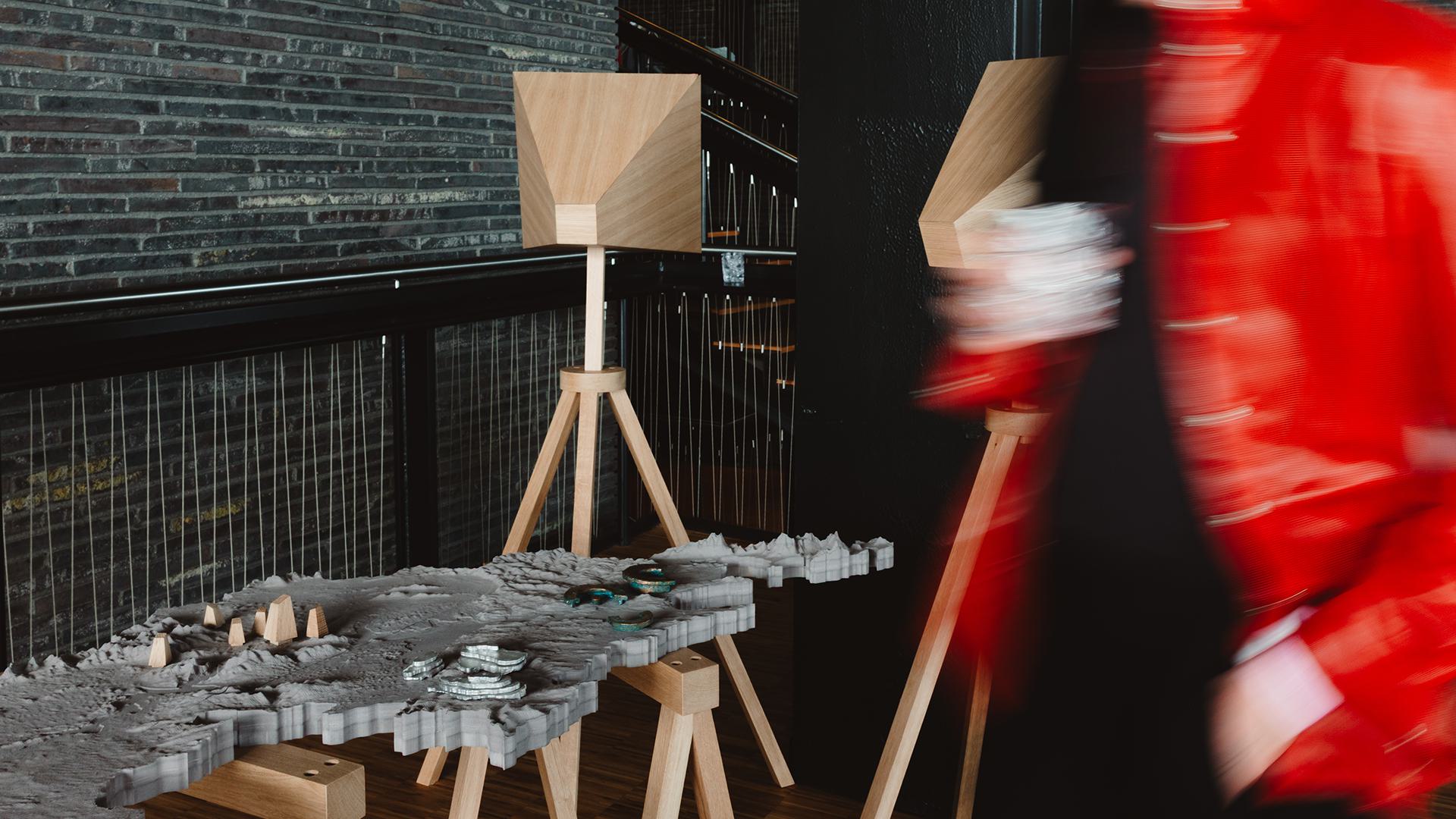
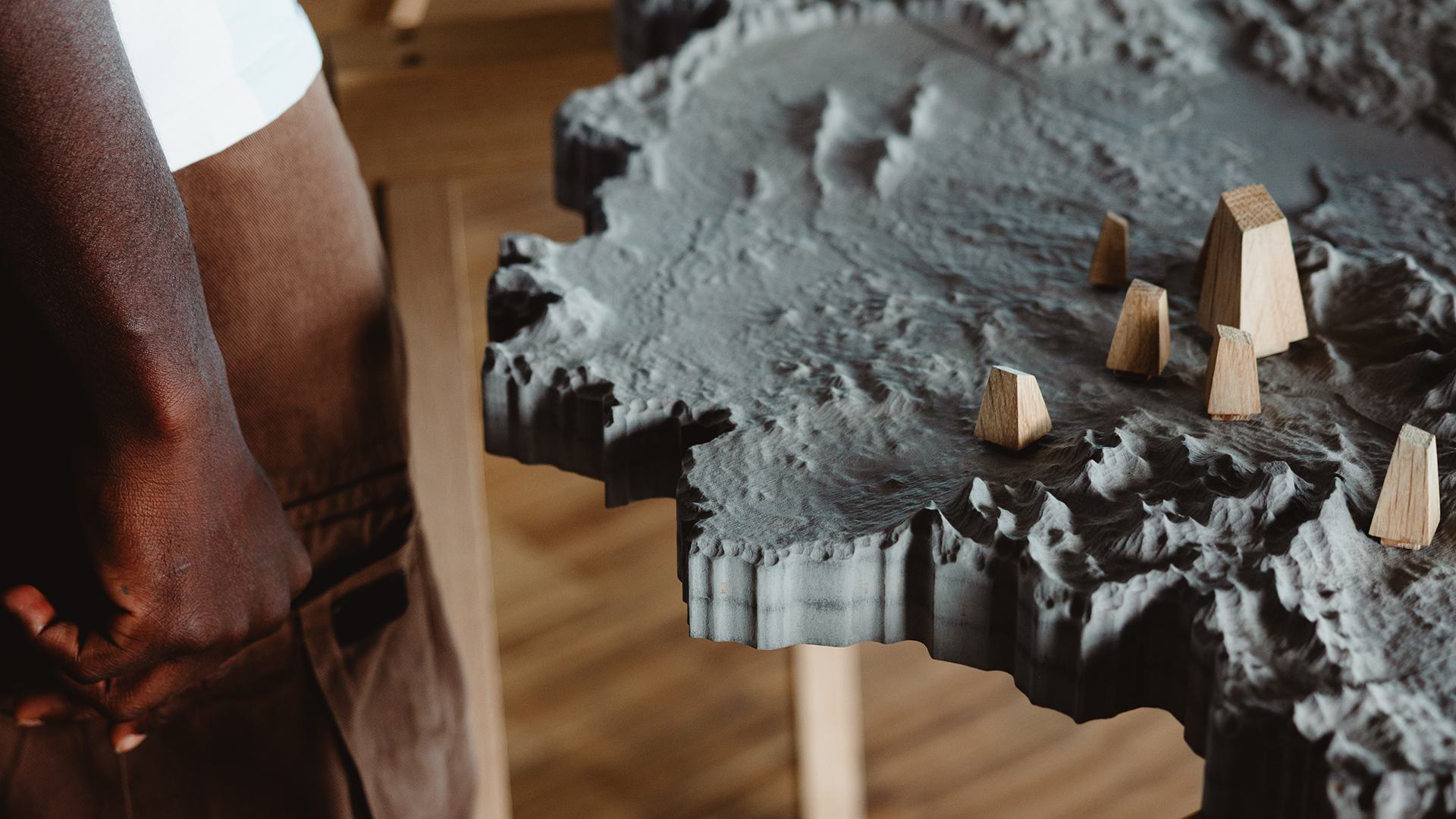
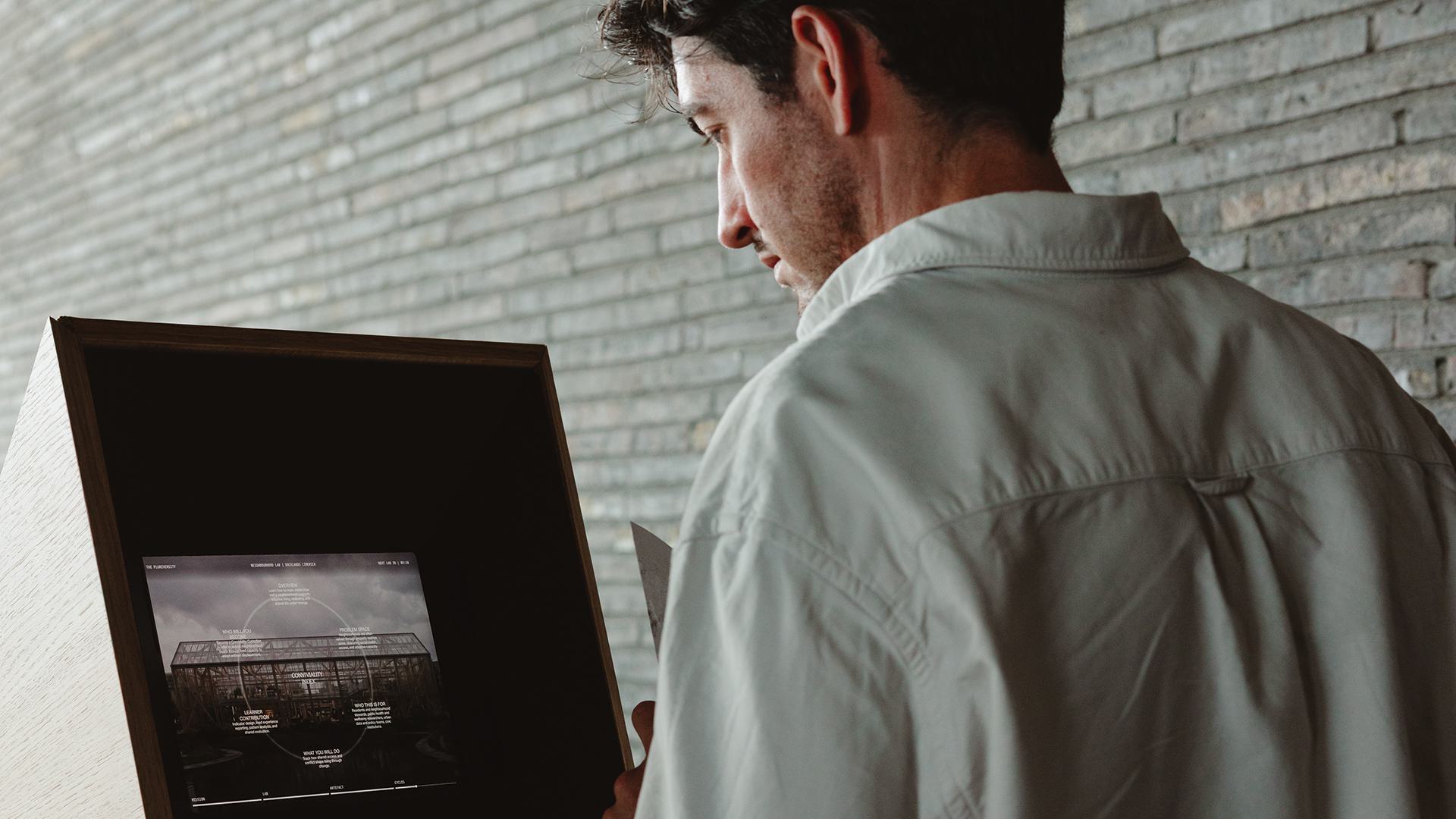
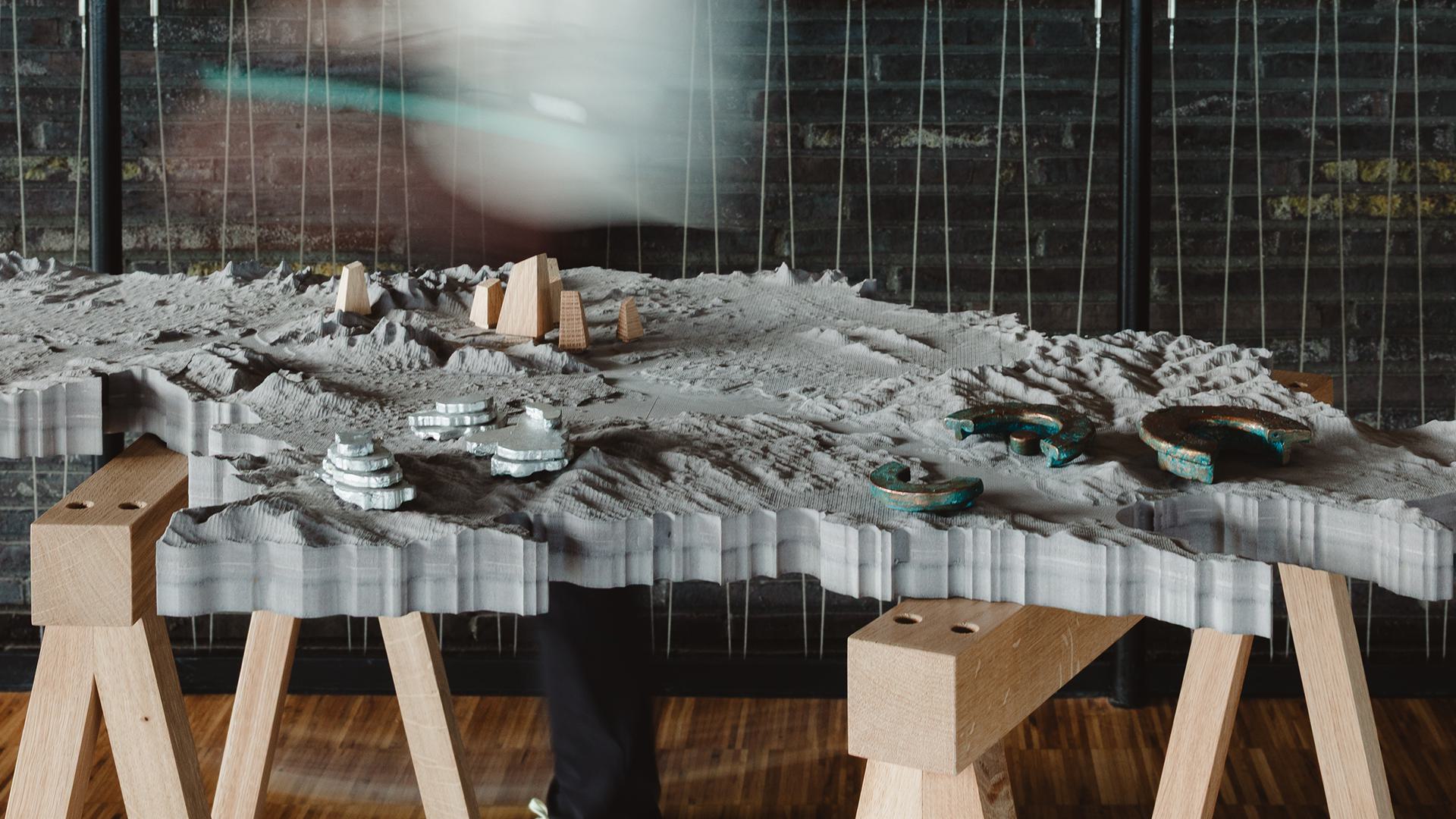
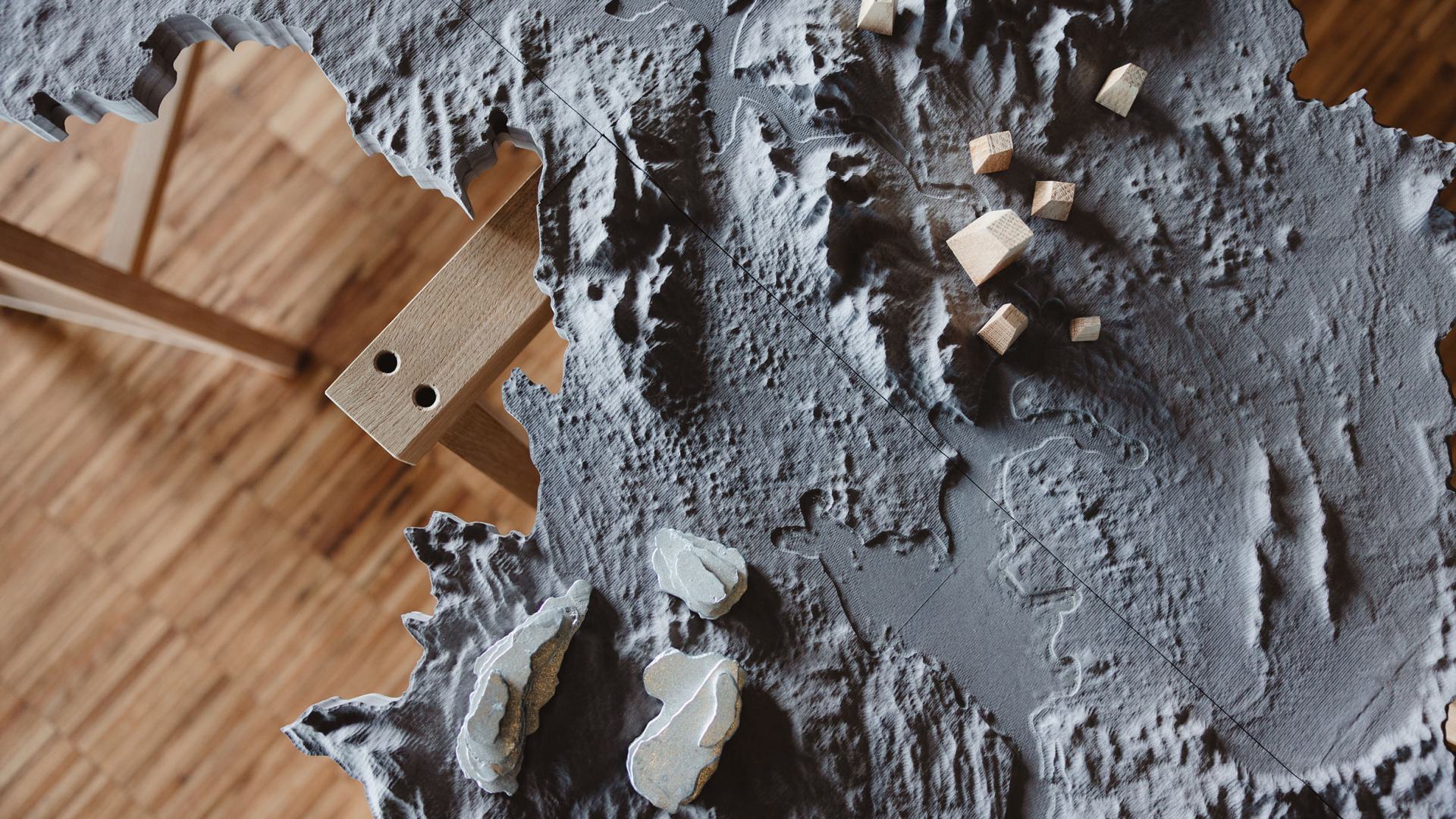
The Pluriversity is a speculative design installation that lets visitors experience a university that doesn't yet exist, as if they were prospective learners in 2070. At its centre is a sculptural bioregional model of the Shannon Bioregion, built from materials native to each of its five campuses: reclaimed brick, copper, native Irish oak, and centuries-old bog oak, each carrying the essence of its place. Surrounding the model, three intimate viewports act as windows into living systems labs, each revealing a mission, a learner's story, a future artefact, and learning cycles to join. It's both a provocation and an open invitation to imagine what education could become.
Explore The Pluriversity at www.the-pluriversity.com
A project by Studio Saol, in collaboration with the University of Limerick Foundation & Rethink Ireland.