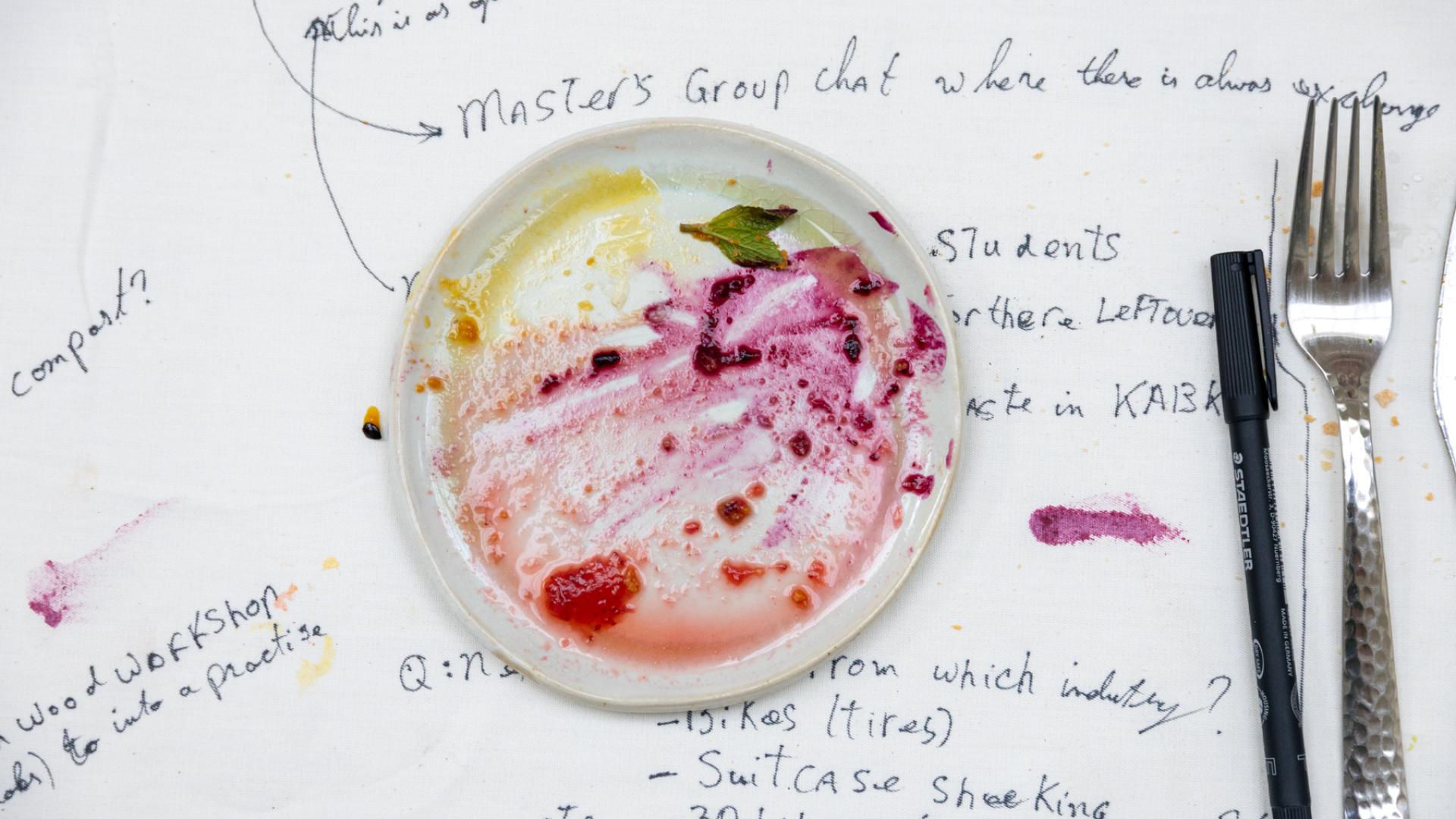
materials left on the table
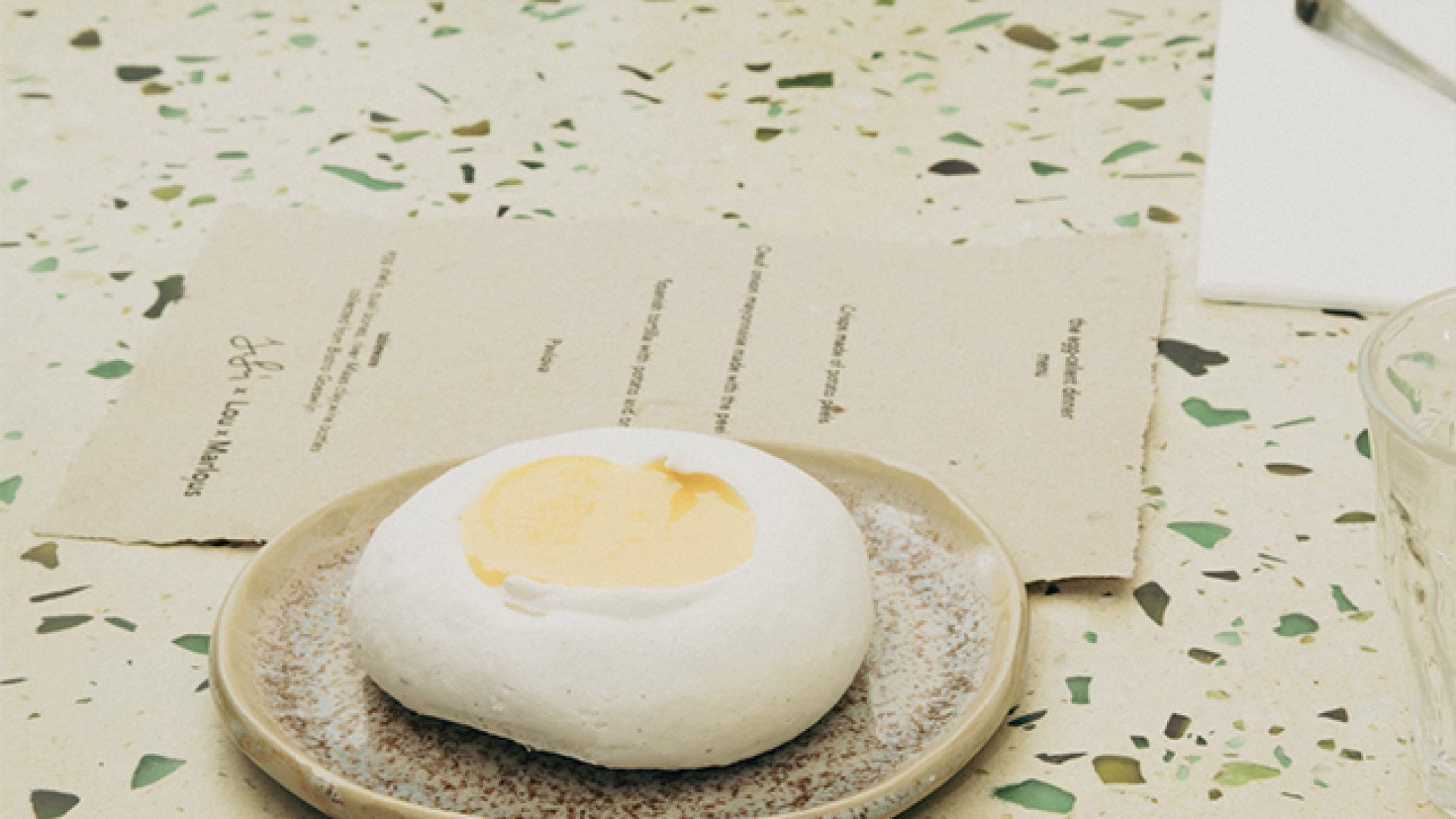
A Trace of Dinner began with my curiosity about where the materials in my pottery practice come from. After gathering my own clay from Wageningen "beach" and from Tegelen at the Maas River, I turned my attention to glazes. Extensive research into their ingredients revealed how much energy their transportation consumes, so I started searching for an alternative. As a food lover, I realized one evening after dinner with friends that everything I needed to create a glaze was already left on the table. That's where this journey began: reaching out to dozens of local restaurants, chefs, food suppliers, vendors, potters, and designers; collecting and processing waste; and researching materials until I had built an archive ready for glazing.
back to the restaurant
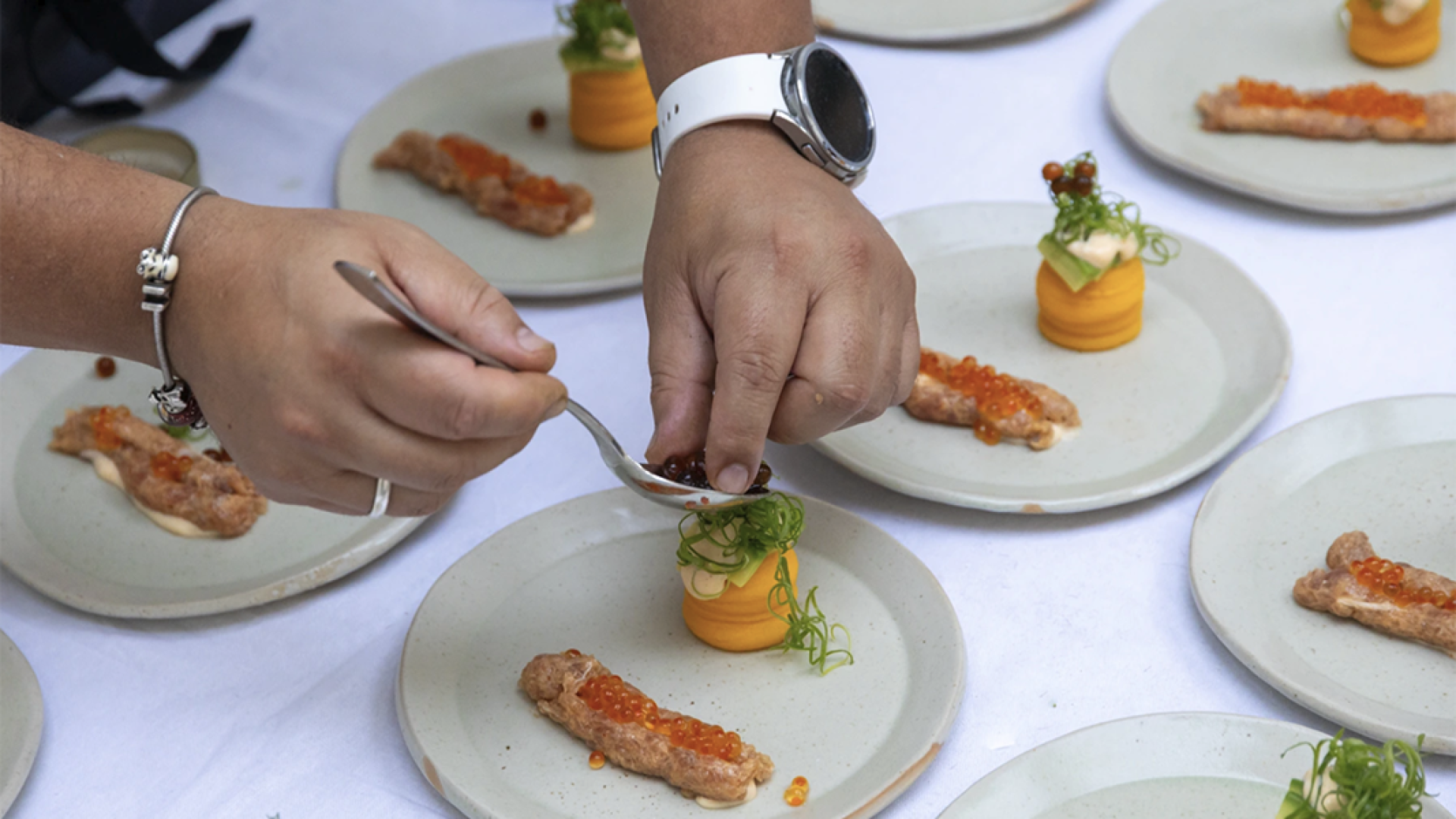
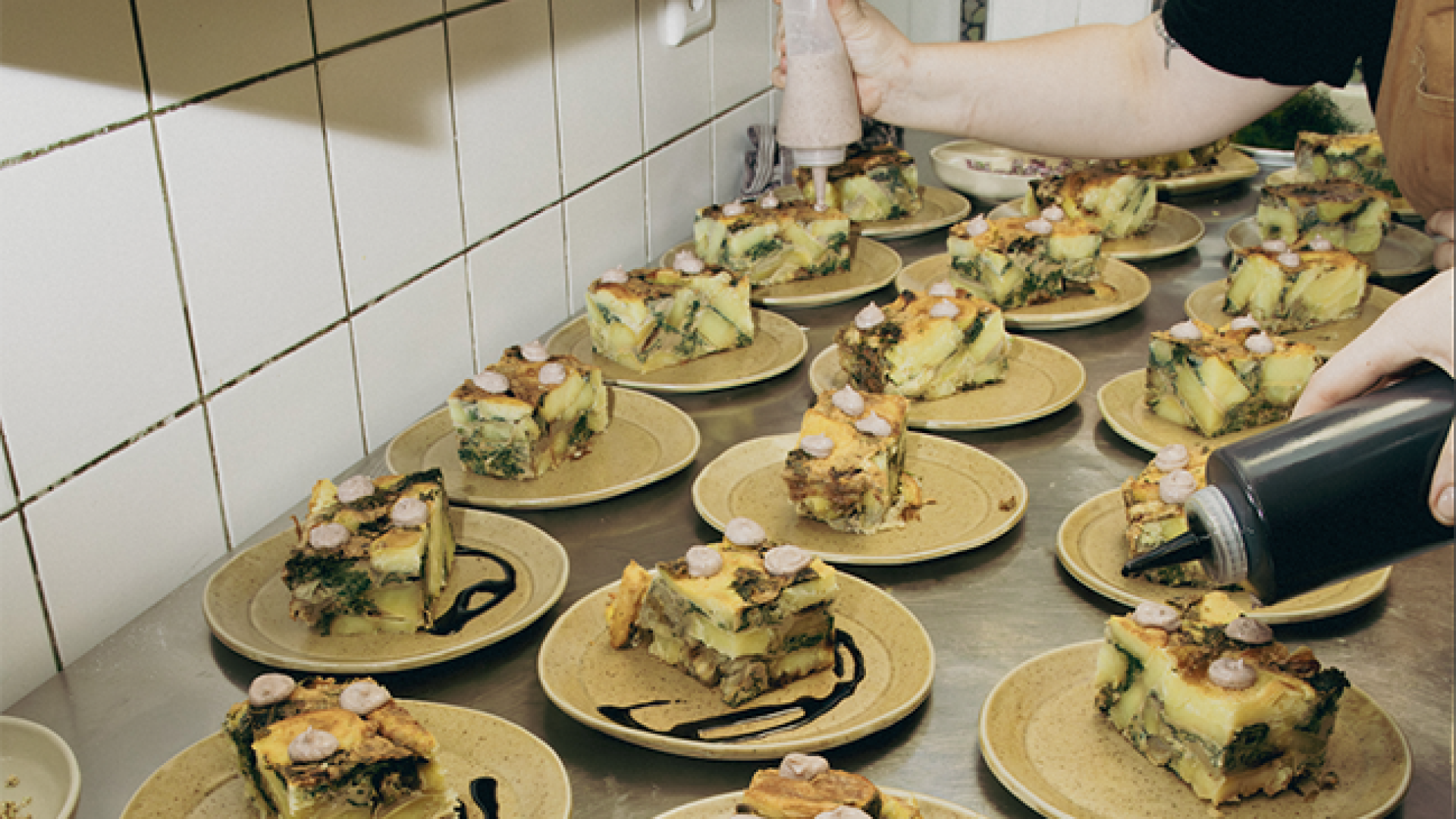
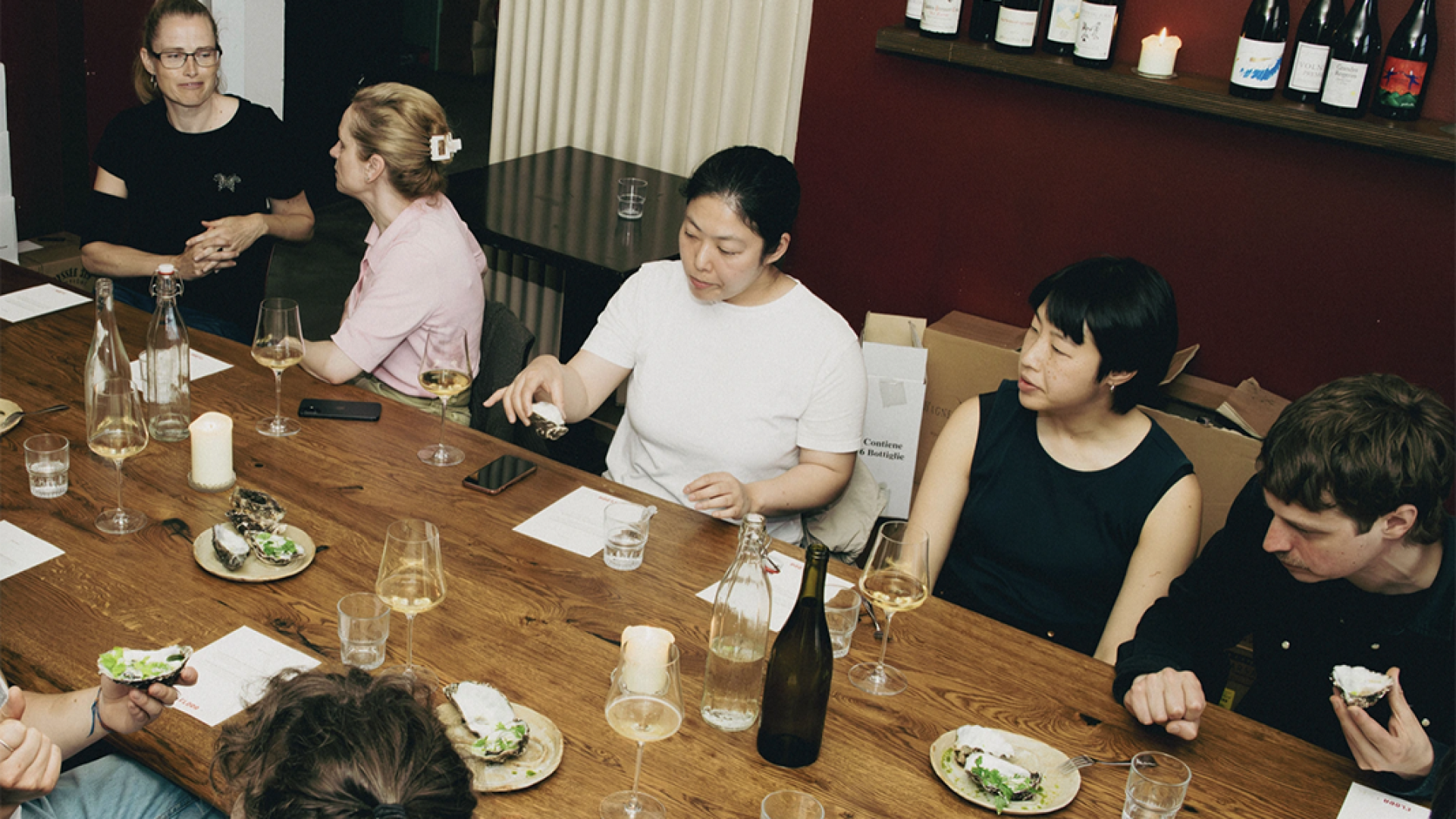
I wanted these materials to return to the restaurant environment and take on a new life there. Together with Restaurant Callao, Flora Cafe, and Bistro Goeswijn, we explored ways to design menus attuned to the possibilities of glazing, using as little energy as possible. The goal was a dinner that was as zero-waste as possible—while the ceramics themselves became storytellers, reflecting how we consume our materials, food, ingredients, and tableware.
the power of collaboration
In the end, much of A Trace of Dinner turned out to be about building collaboration. A local network of people from the restaurant, ceramics, and design worlds became active participants in a circular system, gradually forming the scaffolding of my work. Their involvement became central to the project, and I remain deeply grateful for their trust and collaboration. Circularity revealed itself as much a question of social relations as a way of understanding how one industry's waste can become another's treasure.