CHILDHOOD
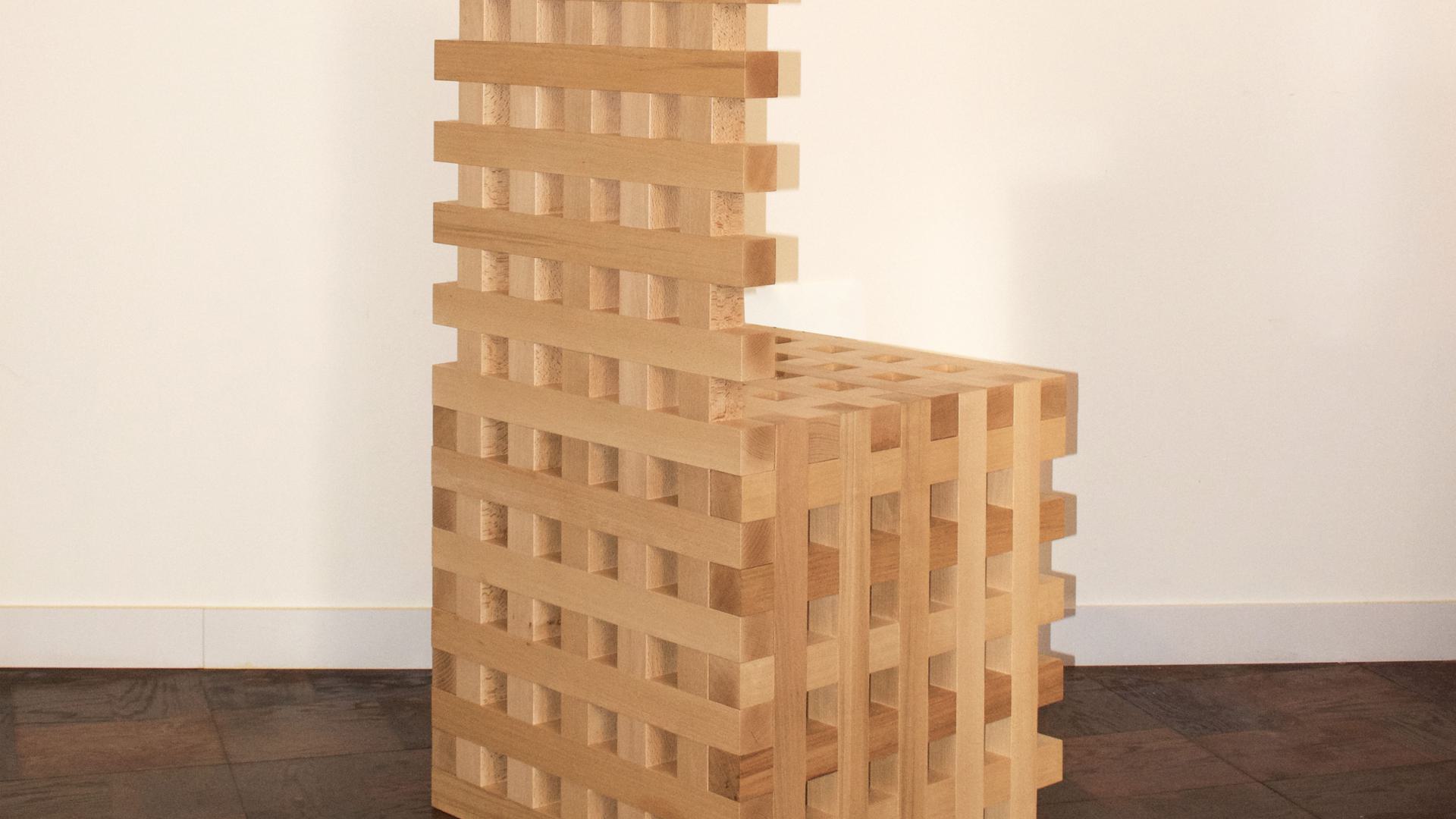
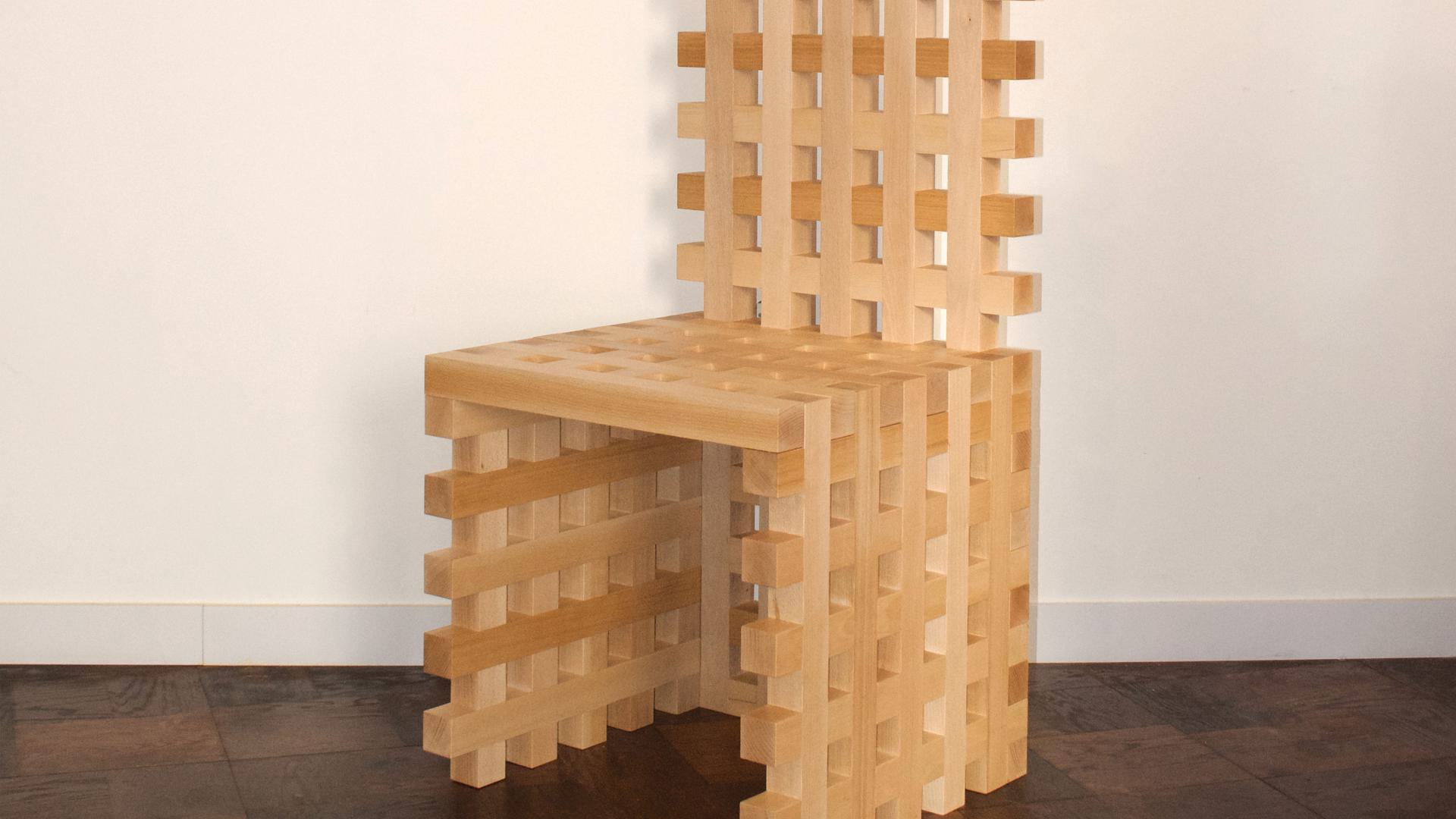
Waffle Block begins with the experience of building and dismantling forms with blocks during childhood. Rather than deciding in advance what to make, forms gradually emerge through the process of placing and moving the pieces, guided by the movement of the hands and intuition.
This experience remains as a way of focusing on the process rather than the outcome. A form is not a final destination, but a provisional state from which the next form can emerge. Assembly and dismantling are not opposing actions, but parts of a continuous process. Waffle Block takes the childhood attitude of making something without knowing what it will become, and the memory of discovering form through the process itself, as the starting point for furniture.
IMPULSE
Over time, this way of thinking naturally carried into the process of making furniture. The elements that make up a piece of furniture are not bound to a single fixed structure, but form a whole through different relationships with one another. A single element can alter the structure and character of the whole simply by being added or repositioned, creating possibilities for further combinations.
Waffle Block extends this method of assembly from toy to furniture. Rather than treating assembly simply as a technique of joining parts, it approaches it as a formative process of adjusting relationships between elements and discovering new forms. Through this process, a familiar structure begins to operate within a new function and context, allowing furniture to exist not only as a finished form, but as a structure open to change and intervention.
REFRAMING
Waffle Block does not seek to recreate the form of a particular toy. Instead, it begins with a personal memory and extends beyond the specific object to consider the experience and sensibility that lie within it. The structure of a familiar form of play is translated into furniture, allowing a past experience to be reconsidered within a new function and context.
Here, nostalgia is not a feeling of simply returning to the past, but a sensibility that is reconstructed through the present. What begins as a personal memory moves beyond a specific object and connects to a shared experience: the act of making, transforming, and discovering new possibilities. Waffle Block explores this space between the familiar and the new, where a remembered experience can be transformed into a new form and object.