Matter & Technology
For centuries sheep have been bred in Europe to produce more wool. However, the material gradually lost its significance and became a superfluous by-product of agriculture when international imports from warmer regions of the world became the norm. Although we still rely on sheep for the preservation of our landscapes and the production of meat, the large quantities of wool generated through mandatory shearing are mostly discarded.
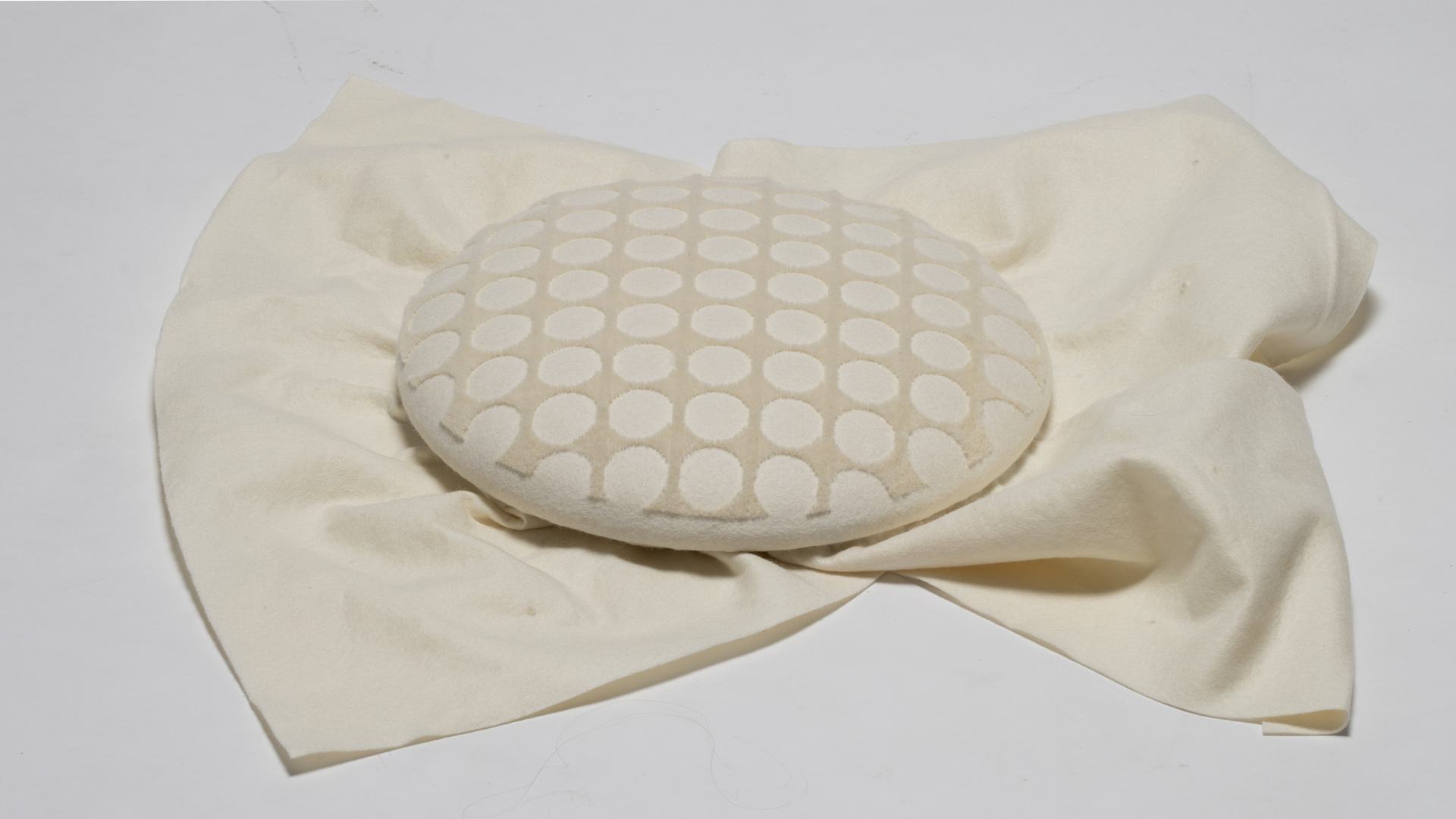
What We Felt takes this contradiction as its starting point and explores the use of 21st-century production techniques to discover new applications for the material. Whilst most fibres are processed into fabric through spinning, weaving and knitting, the unique property of wool lies in its ability to be felted – the compaction of the material through pressure, friction and sometimes heat directly into form.
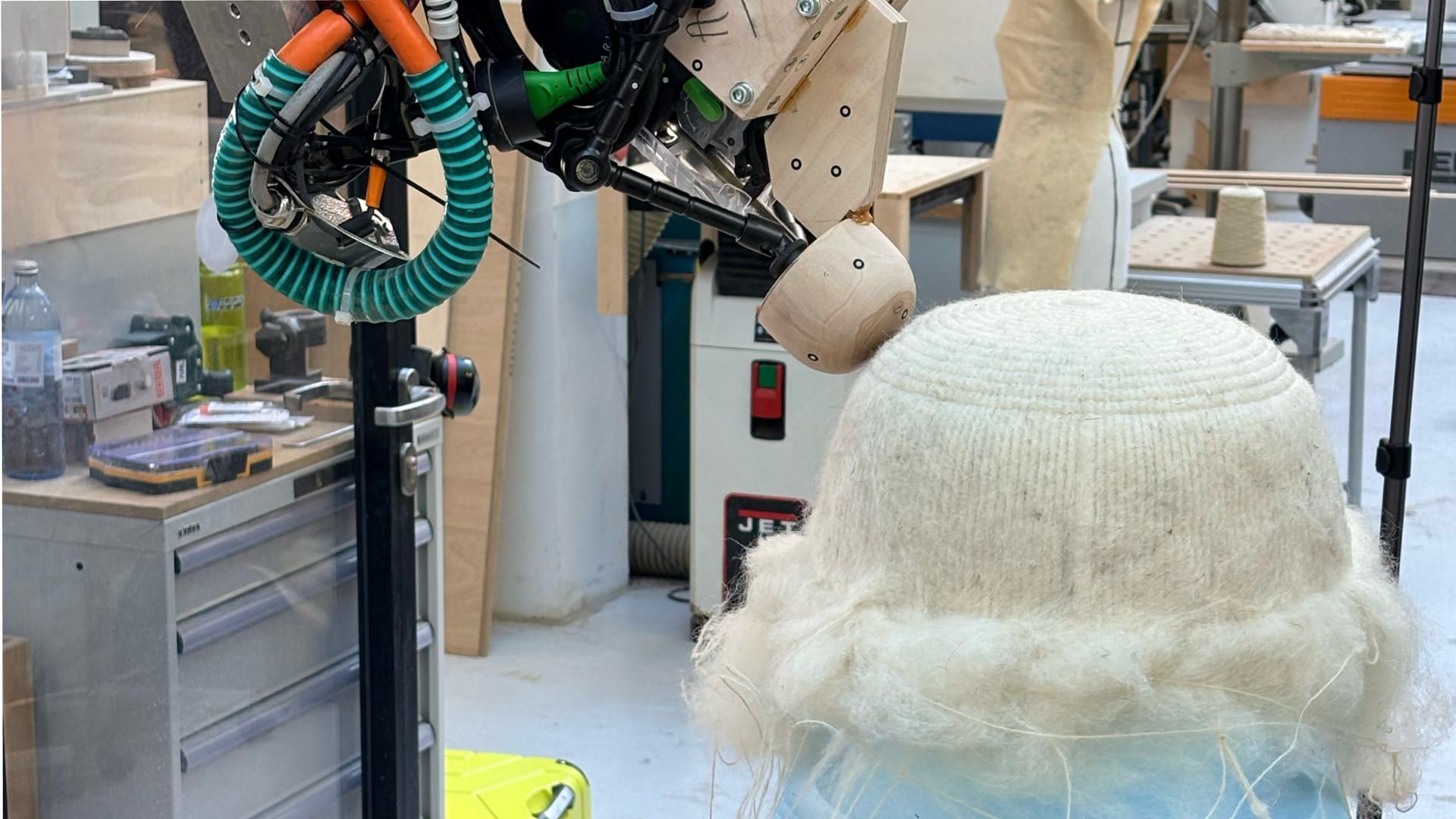
In this project computer-aided design is combined with the traditional technique of needle felting using CNC and robot-assisted processes. Through the precise control of tool movements, the material is selectively compacted and thus formed directly into objects without the need for additional material or the prior production of yarn.
Application & Collaboration
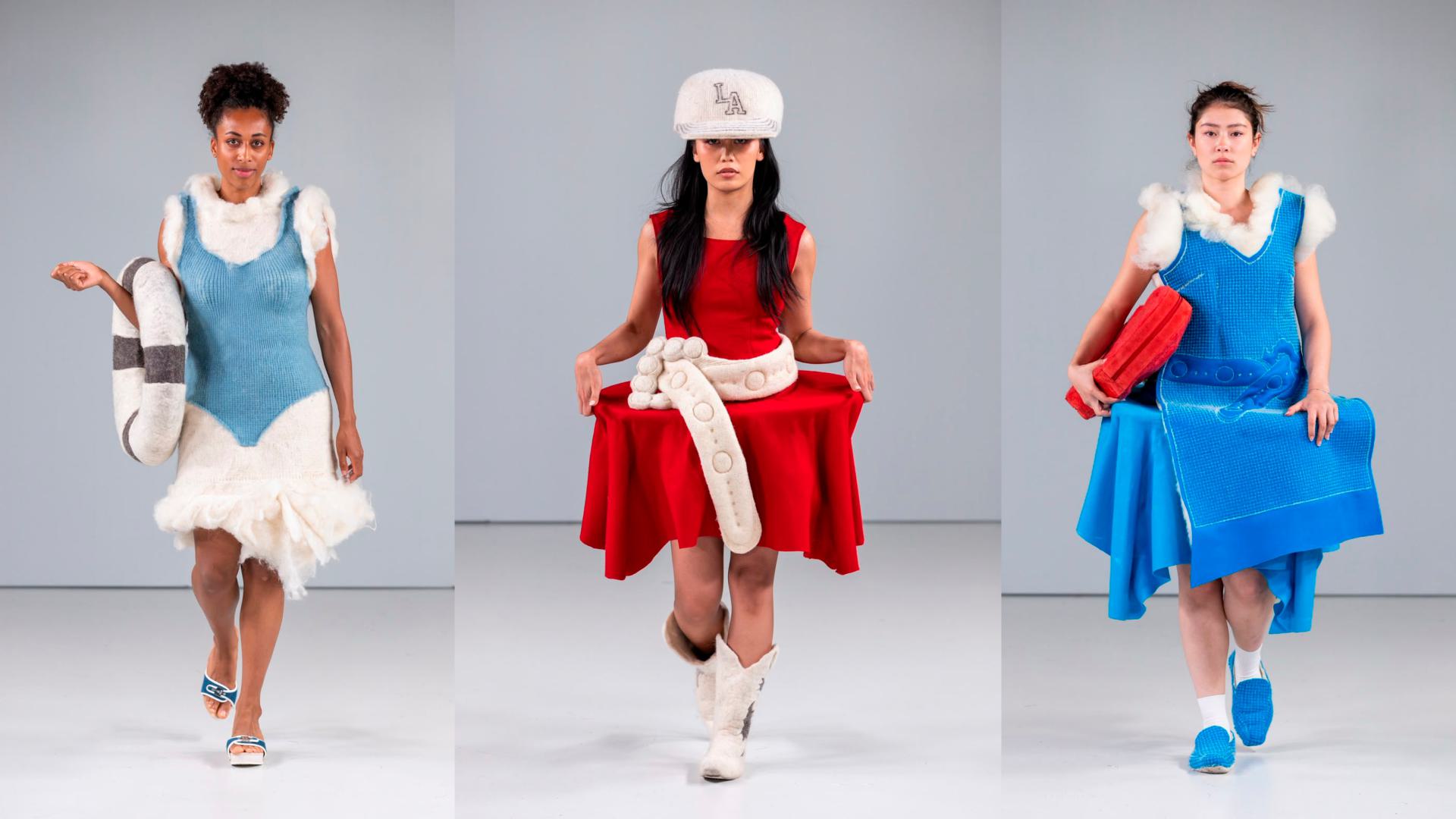
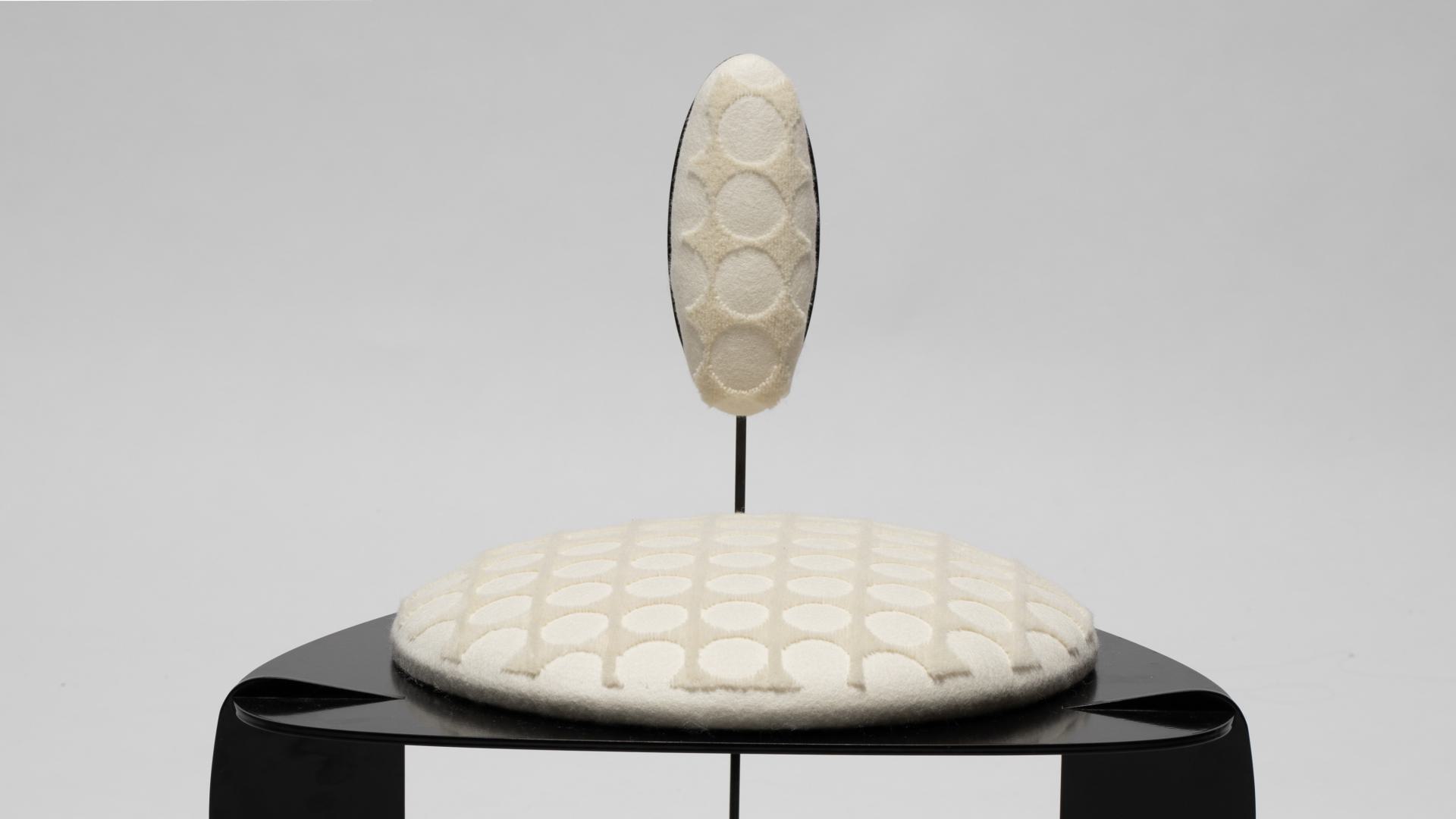
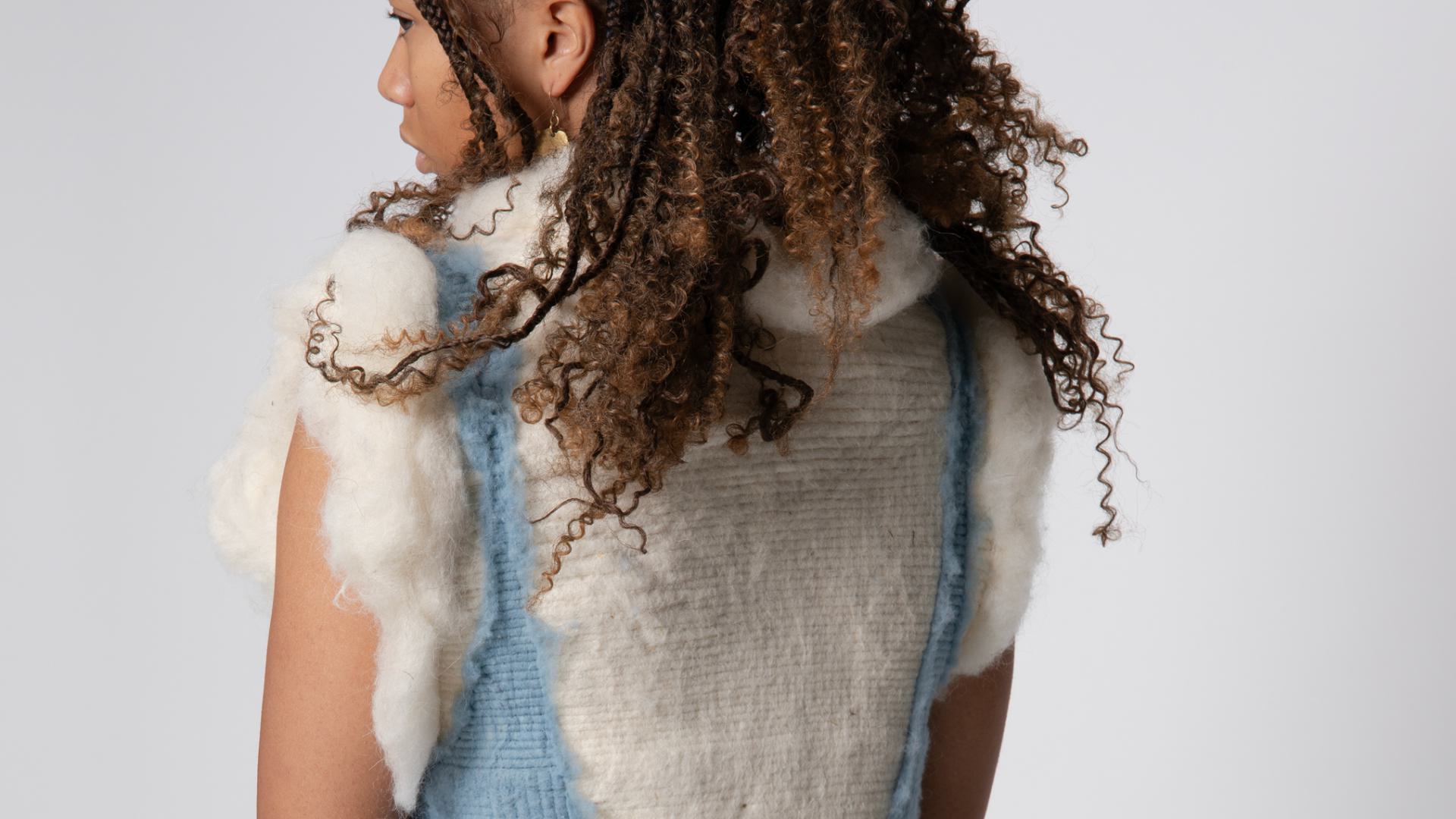
Across three case studies with Viennese designers, the project explores how these manufacturing processes can be applied to different functions, at various scales and within diverse aesthetic contexts. The resulting prototypes demonstrate potential applications in the fields of fashion, furniture and packaging, whilst also pointing to possibilities across a broader spectrum of disciplines.
Alongside the process research and material experimentation, What We Felt evolved into an exploration of how different design logics intersect, and how collaboration can be fostered across disciplines and ecosystems. The project challenges a design culture that celebrates individual authorship and instead explores how design translates and narrates the relationship between material and the systems that shape its value.