From former Philips factories to an old dairy plant: during DDW26, discover the many locations with an industrial past.
During Dutch Design Week (DDW), you'll discover not only work by designers from across the full spectrum of design, but also Eindhoven's industrial history. A unique opportunity to explore extraordinary buildings that you wouldn't normally get the chance to enter.
Where machines once roared and light bulbs, radios and televisions rolled off production lines, thousands of design enthusiasts now wander around. Former factory halls, laboratories and power plants have been transformed into spaces for design, inspiration and connection. A transformation that reflects Eindhoven's own evolution. And this reinvention hasn't gone unnoticed internationally. In a recent article in The Guardian, journalist Sarah Rodrigues describes Strijp-S as “perhaps the liveliest example of Eindhoven’s reinvention”.
But what actually went on behind all those factory walls? Time for a trip down memory lane through Eindhoven's industrial past.
Strijp-S: from forbidden territory to creative hotspot
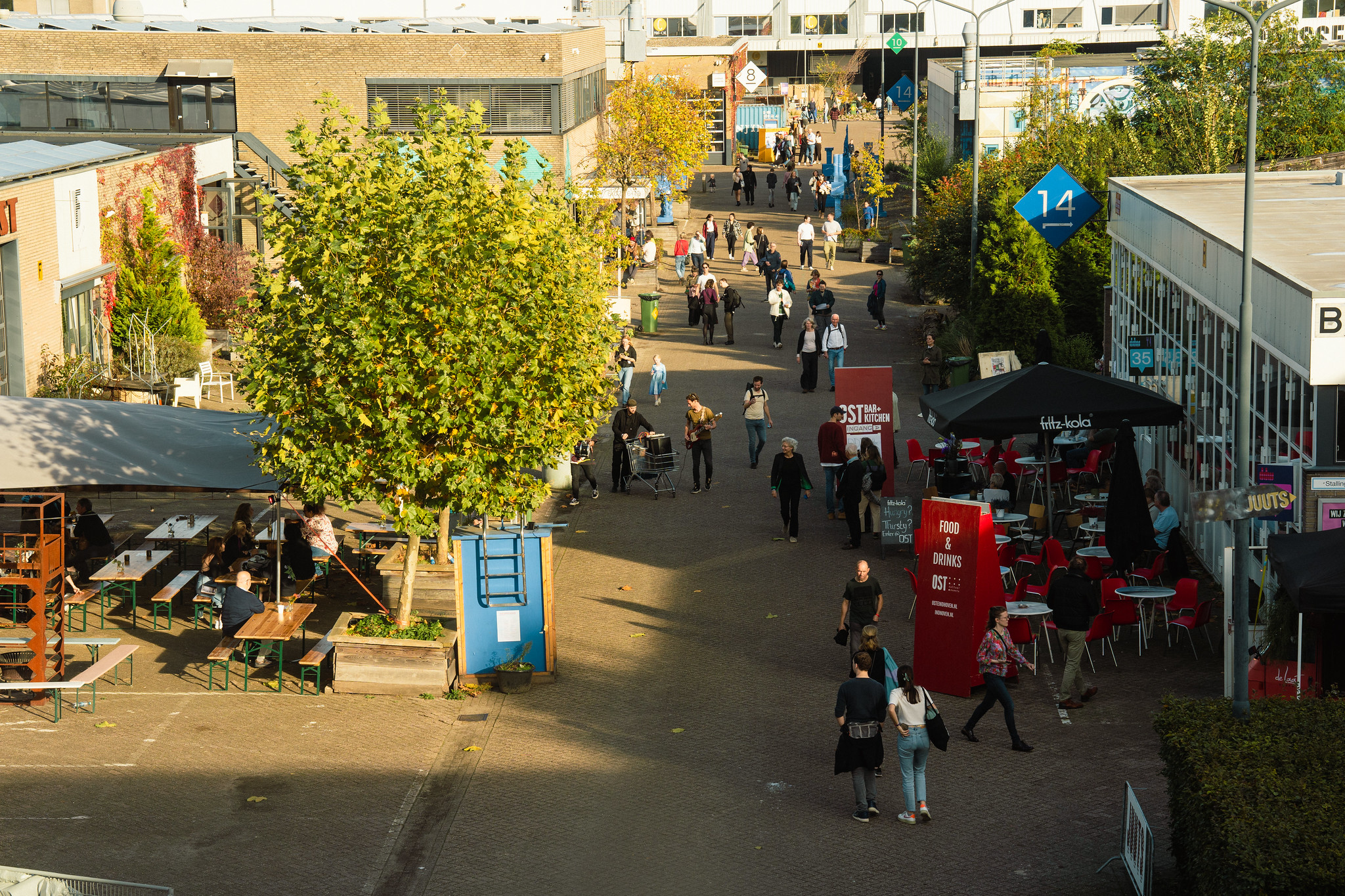
Once upon a time, Strijp-S was a closed-off industrial site where thousands of Philips employees went to work every day. Outsiders weren't allowed in, but today it's one of Eindhoven's liveliest areas, home to creative businesses, restaurants, galleries and, of course, plenty of design during DDW.
One of the most iconic landmarks on Strijp-S is undoubtedly the Klokgebouw. This imposing factory was once used to produce Philite, Philips' name for Bakelite. During DDW, four enormous factory halls fill with exhibitions, innovative projects and curious visitors. The high ceilings, industrial structures and vast spaces are still reminders of the days when large-scale production took place here.
Diagonally opposite the Klokgebouw stands the Veem, once Philips' central warehouse. Today, visitors mainly come here for a bite to eat, a drink or a business meeting, but in the past, this was a busy hub that helped keep the entire factory complex running.
The former Machinekamer and Ketelhuis are also located on the site, once supplying electricity and steam respectively to the Philips factories. Today, the Machinekamer is home to restaurant Radio Royaal, where the original engines and technical installations are still visible. A fun fact: the restaurant originally started as a temporary initiative during DDW!
Natlab: where experimentation has always been at the heart of things
At the former Physics Laboratory, better known as Natlab, scientists worked on technological breakthroughs from 1923 onwards. It was a place of constant experimentation and a birthplace of groundbreaking technologies, including developments in lighting and the compact disc. Even Albert Einstein once gave a lecture here!
This spirit of experimentation is, of course, a perfect match for DDW. Where Philips scientists once developed cutting-edge technologies, designers, researchers and professionals now come together during DDW for programmes including Mission Days.
Sectie-C: from factory floor to designers' workshops
Philips wasn't the only company that shaped Eindhoven's industrial character. At Sectie-C, on the eastern side of the city, products including lampposts and traffic signs were once manufactured. After industrial production moved away, designers and artists were given the space to breathe new life into the old factory halls. Today, the former industrial site is filled with workshops, studios and creative workspaces.
During DDW, Sectie-C is a place where you can discover not only finished designs, but also get a glimpse into the world of the makers themselves. Behind the old factory walls, you'll find experiments, materials and designs that are sometimes still very much works in progress.
More industrial heritage to explore?
Across Eindhoven, you'll find plenty more places where the city's industrial past meets contemporary design. These locations are definitely worth a visit too:
- Philips Museum – This is where Gerard Philips began producing light bulbs in 1891. During DDW, you can explore the exhibition Philips Design. Soul & Science.
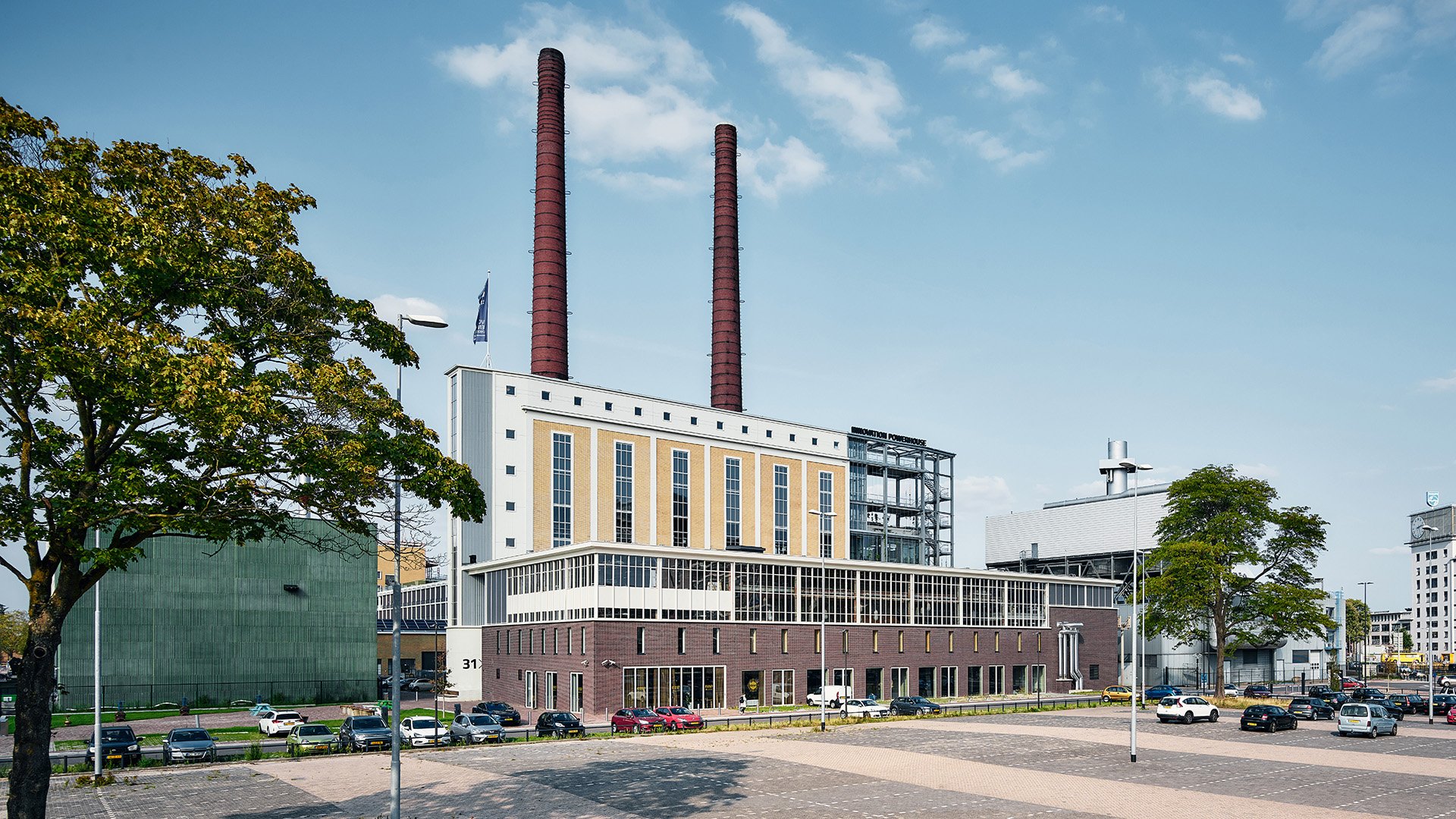
- Strijp-T – Several former Philips factories and energy facilities, including Building TX, Building TT and Innovation Powerhouse, now provide space for creative and innovative businesses.
- Piet Hein Eek – In a former factory producing ceramic components, you'll find Piet Hein Eek's workshop, showroom, shop, exhibition space, hotel and several places to eat and drink.
- PLAN-B – A former Philips laboratory for radio valves, now a creative hub full of designers and artists.
- Lichttoren – Light bulbs were once tested in this former Philips building. During DDW, you'll find an exhibition at Grand Café de Lichttoren.
- NRE site – On the site of the former municipal gasworks, you can explore locations including Make Eindhoven, The GASFAB and APTUM.
- De Caai – At the former Campina dairy site, milk, ice cream and other dairy products were once produced. During DDW, you can visit the studio of Kiki & Joost, among other places.
- Schellens Fabriek – A former textile factory where fabrics were produced, now a space for creative initiatives and exhibitions.
- De Fabriek – Once a bookbinding factory, this has been a space for experimental art since 1980.
Discover what's happening behind the old factory doors
From monumental factory halls to former laboratories, traces of Eindhoven's industrial past can be found all across the city. And the best part? During DDW, you can step inside many of these extraordinary places. Wander through old factories and discover the work and stories of the designers showcasing their projects there today.
Dutch Design Week takes place from 17 to 25 October 2026.