Dit project is nu gearchiveerd en was onderdeel van DDW21
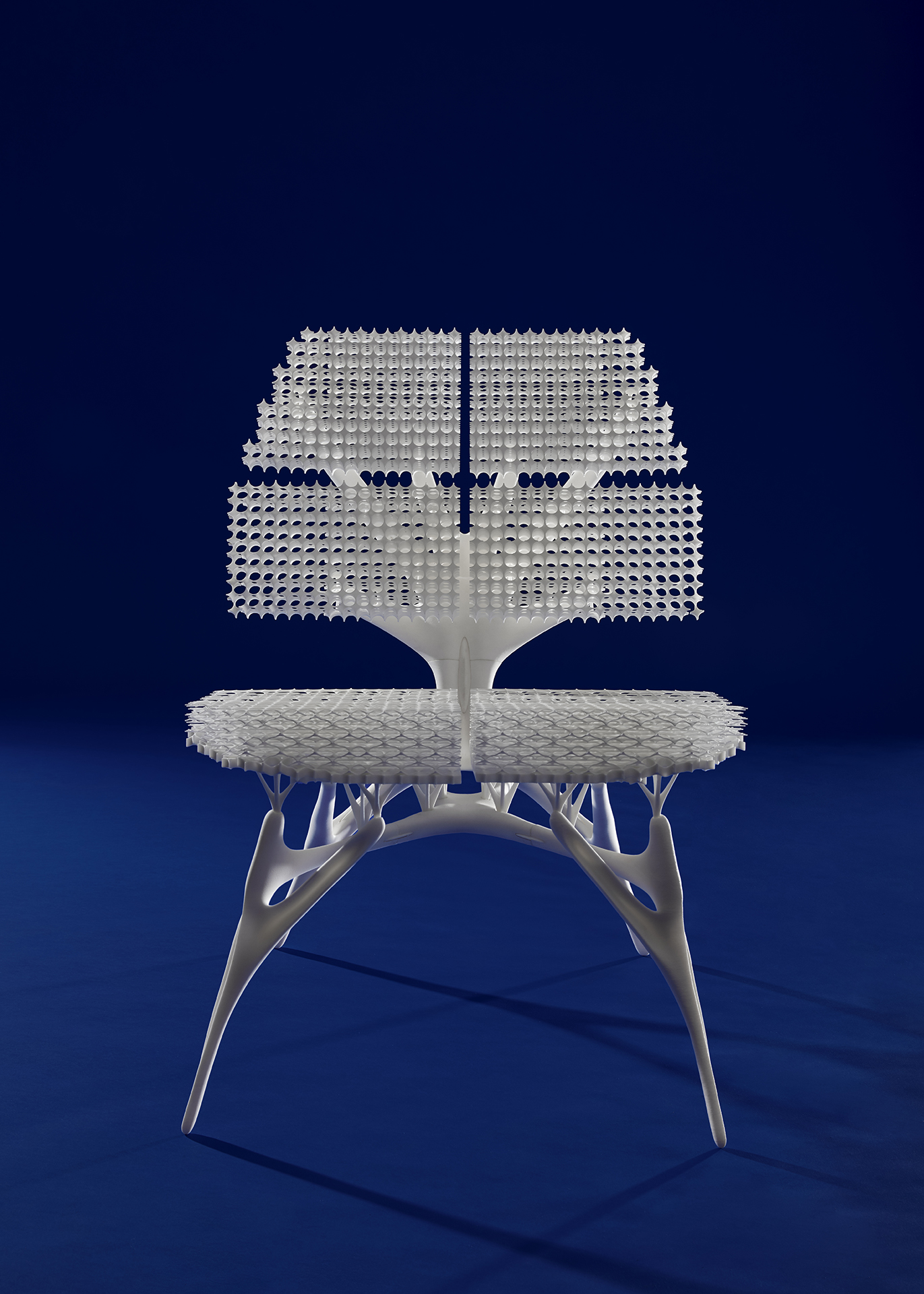
Radiolaria #1 - Fragments of Nature
Lonneke van der Palen
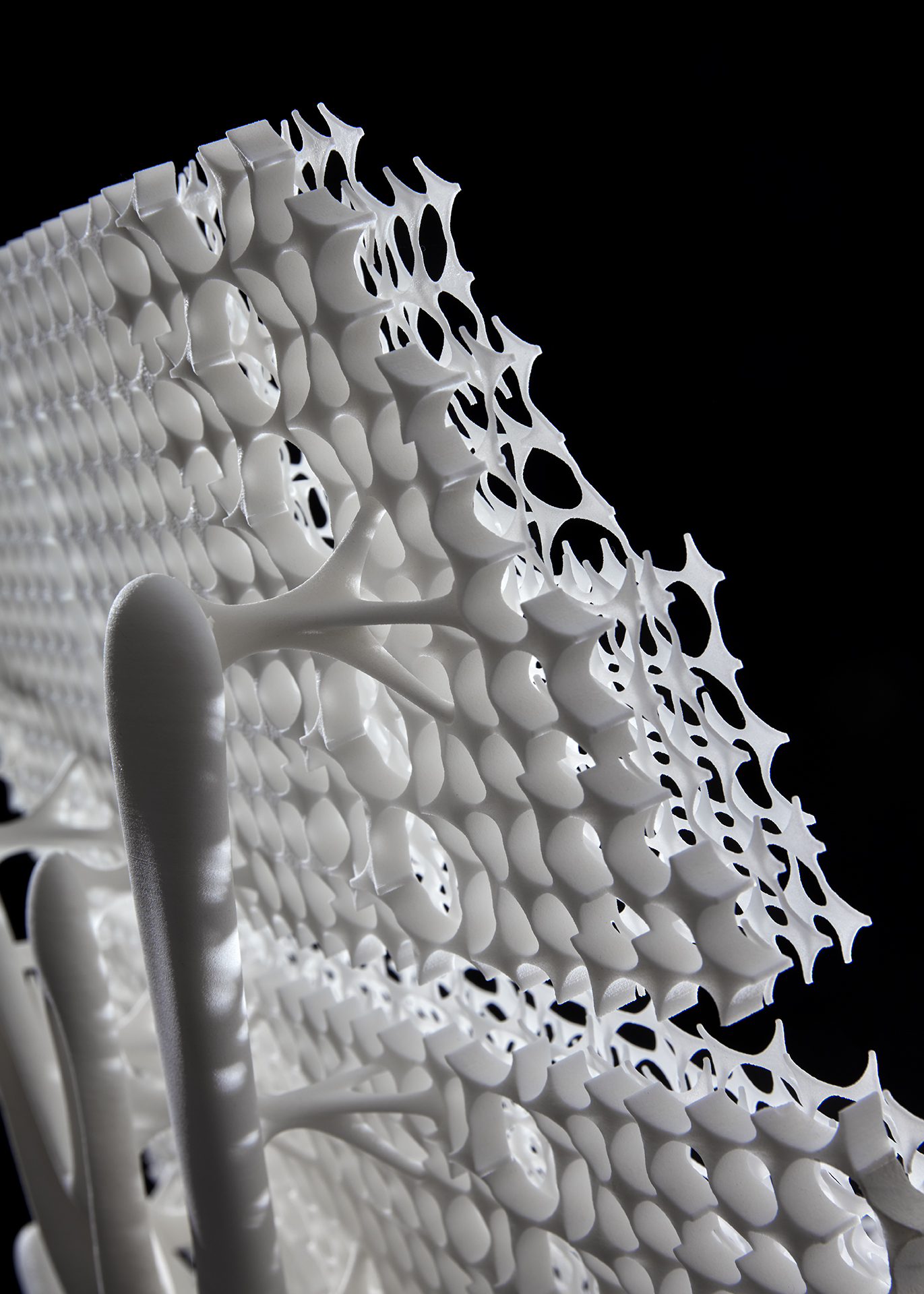
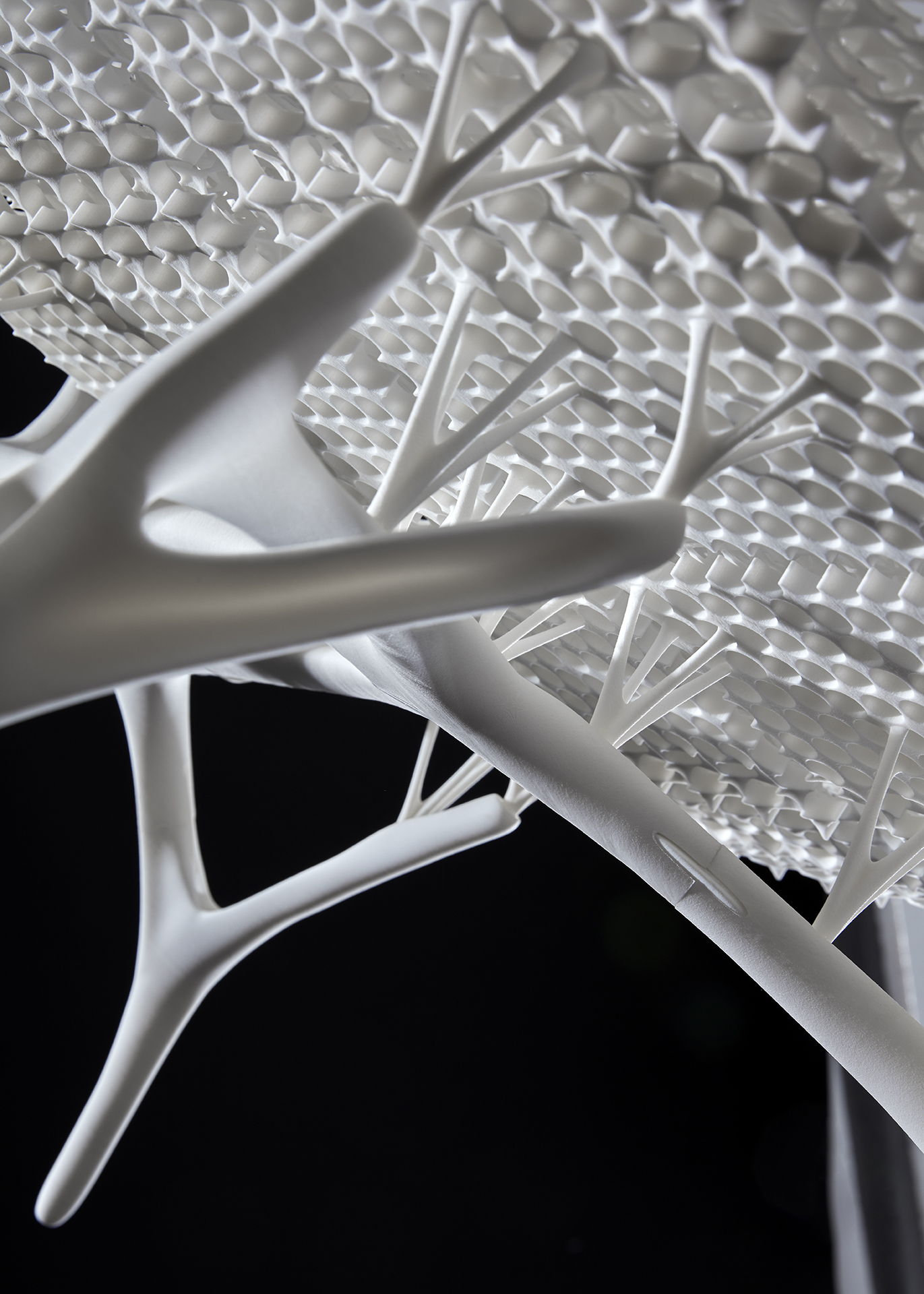
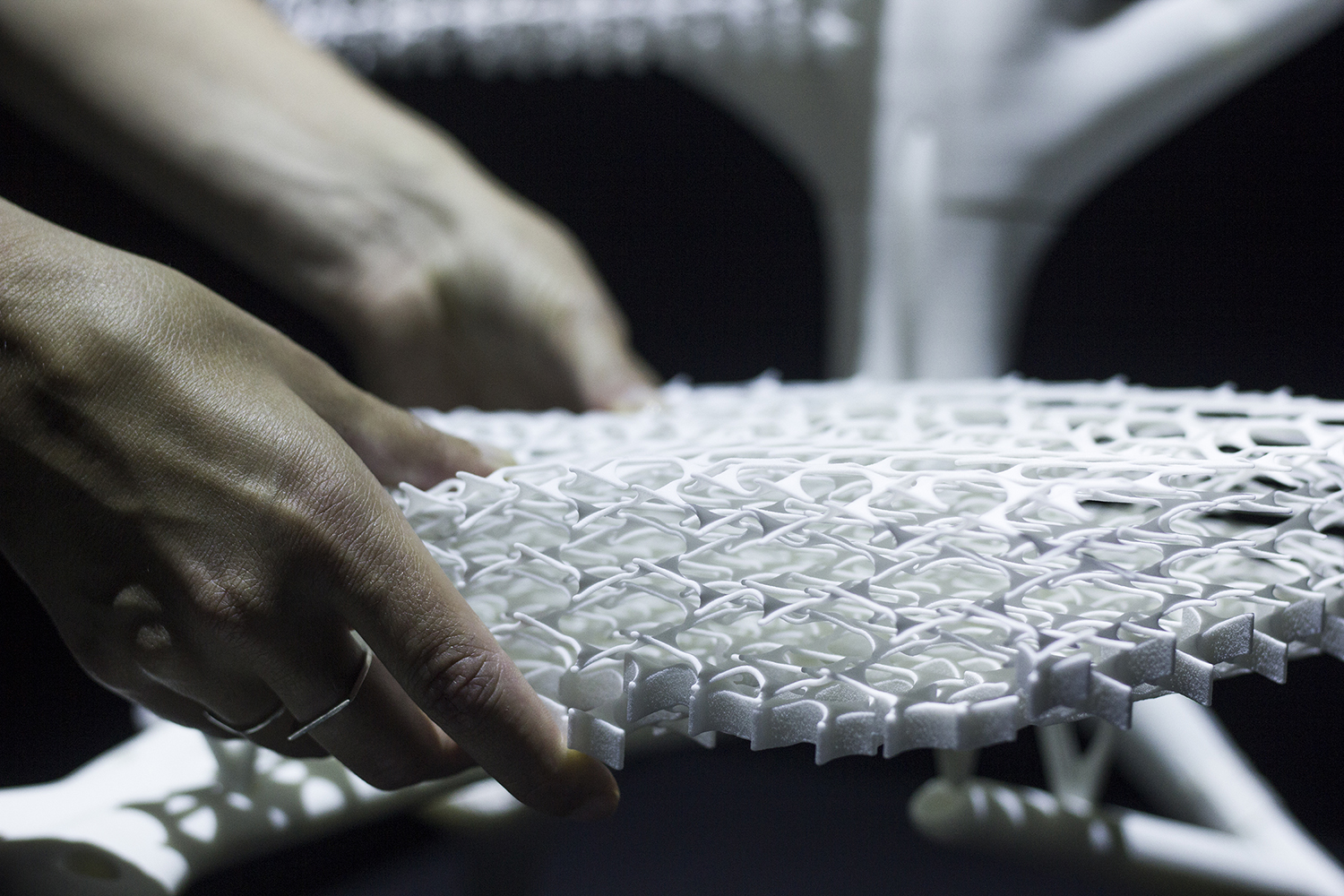
Een 3D-geprinte stoel, gemaakt van één materiaal dat alle functionaliteiten in zich verenigt: flexibiliteit, aanpasbaarheid, stevigheid en stabiliteit. Hiermee zet Lilian haar zoektocht voort naar het verbeteren en innoveren van de productie van soft seating door gebruik te maken van nature's laws.
Radiolaria #1 - Fragments of Nature
Lonneke van der Palen
Radiolaria #1 - Fragments of Nature
Lonneke van der Palen
Radiolaria #1 - Fragments of Nature
over Studio Lilian van Daal
Product designer Lilian van Daal bridges with her work the natural and the artificial - or designed - world. She experiments with innovative technologies and materials in order to meticulously mimic nature. With the resulting objects she aspires to reveal nature’s rich library of solutions. The emphasis is on the imitation and adjustment of structures to optimize production methods in a sustainable way.
Vergelijkbaren projecten
Dezeen
Good Design for a Bad World
Dutch Design Foundation
Private Expo Visits & dinner-talks
Yksi Expo
Rethinking Plastic
The Bar
The Bar
Durjoy Bangladesh Foundation (DBF)
Seriously Being That Furniture
Stimuleringsfonds Creatieve Industrie
Stimuleringsfonds Creatieve Industrie presents talent
United Matters
United Matters
RISE Research Institutes of Sweden and TU/e
RISE Design Competence Centre - Networking Event
World Design Embassies
The Embassy of Food
World Design Embassies
The Embassy of Rethinking Plastic