Ga naar de hoofdinhoud
17-25 October 2026

Biofuel Waste is Bliss

Biofuel Waste is Bliss

Gepresenteerd door Agne Kucerenkaite and Marija Spokaite

Dit project is nu gearchiveerd en was onderdeel van DDW22

Dit project is onderdeel van:
Rethinking Plastic
→
Agne Kucerenkaite
Vilnius Heat Plant, een centrale voor warmte en elektriciteit, in Litouwen verstookt vooral bosafval. Per maand blijft 460 ton houtas over als afval. Ontwerper Agne Kucerenkaite en milieuwetenschapper Marija Spokaite onderzoeken mogelijkheden om dit afval te benutten, bijvoorbeeld voor keramiek.
Sources of Waste

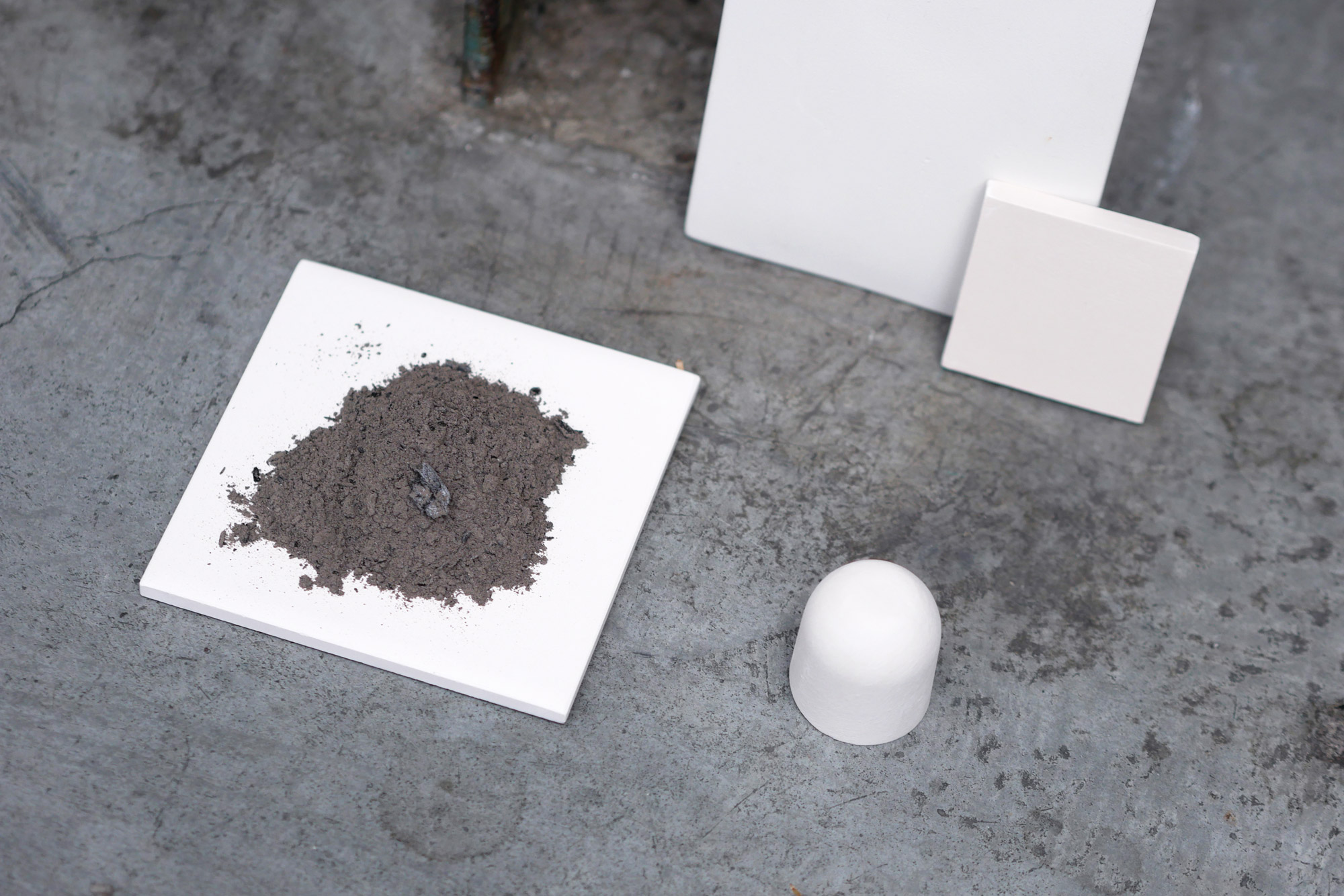
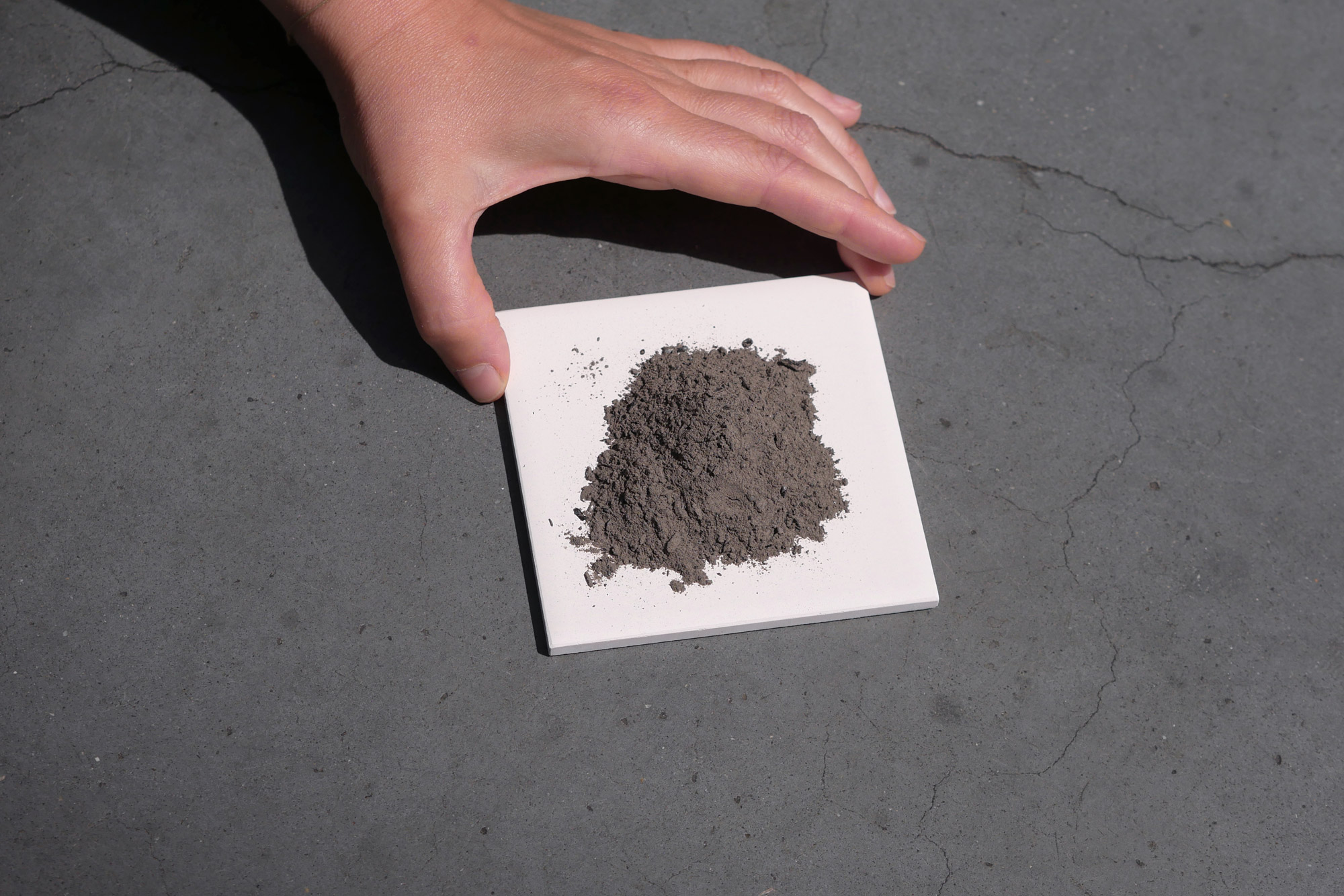
‘Vilnius Heat Plant’ is part of ‘Vilniaus Silumos Tinklai’ and operates since 1951. ‘Vilnius Heat Plant’ uses forestry residue (a product from forest harvesting) as a major source of biomass for energy. Within a month they generate around 460 tonnes of wood ash waste, which is costly to dispose of. A small part of the waste is reused for road fillers, although the ashes are non-toxic and consequently could be upcycled. The goal is to find a potentially sustainable solution for these residues, such as circular and healthy interior and exterior ceramic products. Finding a zero-waste option would benefit biomass incineration.

Issues

According to the International Energy Agency (2018), globally, more than 10 million tonnes of ashes are produced from bio-based energy production and most of it is landfilled. In an effort to find a use for such waste, the idea came to integrate it into ceramics. Such a solution is logical as wood ash glazing dates back to 1500BC in China and was the first ever glaze used in East Asia (containing only ash, clay, and water). It became very popular in Asia and is still used by today’s world artisans. It is challenging to find a consistent source of wood ashes and thus they are replaced by controlled synthetic ashes. You must burn a lot of wood or plant matter to make a small amount of usable ash, which is not economic. Biofuel Waste is Bliss project redefines the use of ashes from bioenergy waste streams and creates entirely new formulations and materials.

Research & Products

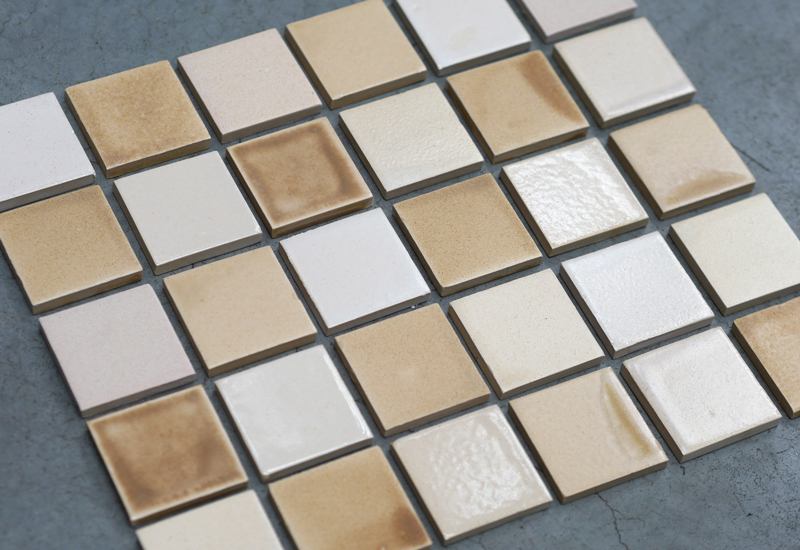
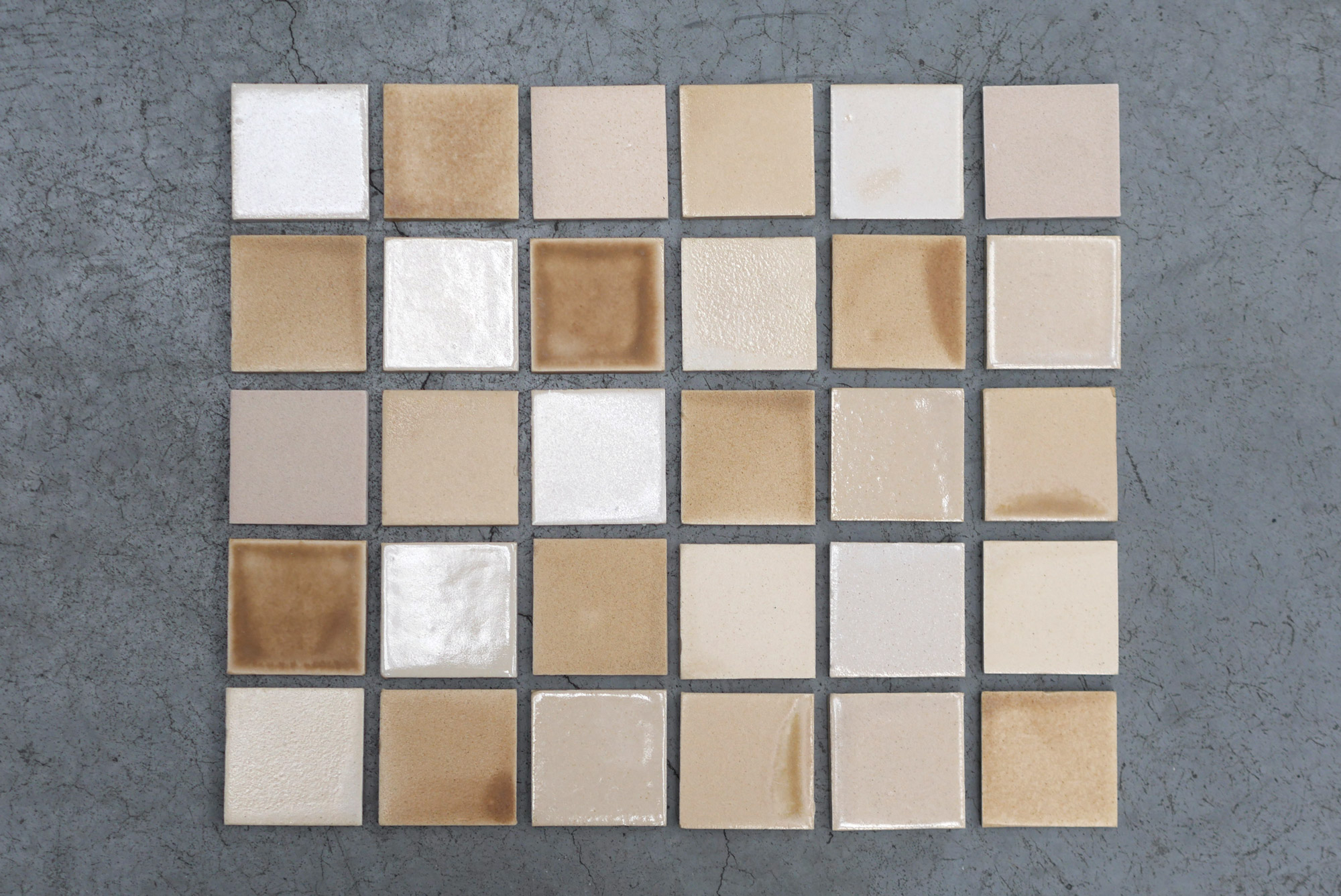
According to current knowledge, glazes and clay bodies could add up to 50% of ashes or even more. Thorough research is conducted in several directions, such as adding waste in clay and glaze, applying to flat and three-dimensional surfaces, using glazes on different clays (earthenware, stoneware and porcelain), firing within diverse temperature ranges, working with various firing programs and types of kilns. Each change requires different chemical formulations. The result translates into a functional and sustainable ceramic collection of surface materials, such as tiles, panels and bricks. Construction will be an engine of global economic growth in the decade to 2030, according to a recent global forecast. More and more studies show that building materials directly affect human health, therefore, it is important to transition towards healthy materials. The project recovers the value of ash in a functional, process-efficient and scalable way, which results in the high quality, aesthetically pleasing and generational ceramic collection.
Agne Kucerenkaite
Agne Kucerenkaite
Door

Agne Kucerenkaite and Marija Spokaite

Gepresenteerd door

Yksi Expo
[email protected]
0648699822
Bezoek website
Download perskit

over Agne Kucerenkaite and Marija Spokaite

Vilnius Heat Plant, een centrale voor warmte en elektriciteit, in Litouwen verstookt vooral bosafval. Per maand blijft 460 ton houtas over als afval. Ontwerper Agne Kucerenkaite en milieuwetenschapper Marija Spokaite onderzoeken mogelijkheden om dit afval te benutten, bijvoorbeeld voor keramiek.

Colofon

Environmental scientist Marija Špokaitė
Waste supplier Vilniaus Šilumos Tinklai
Funding Worth Partnership Project

Uitgelicht in