More than 2,500 designers, new venues, and a strong focus on materials, biodesign, and AI
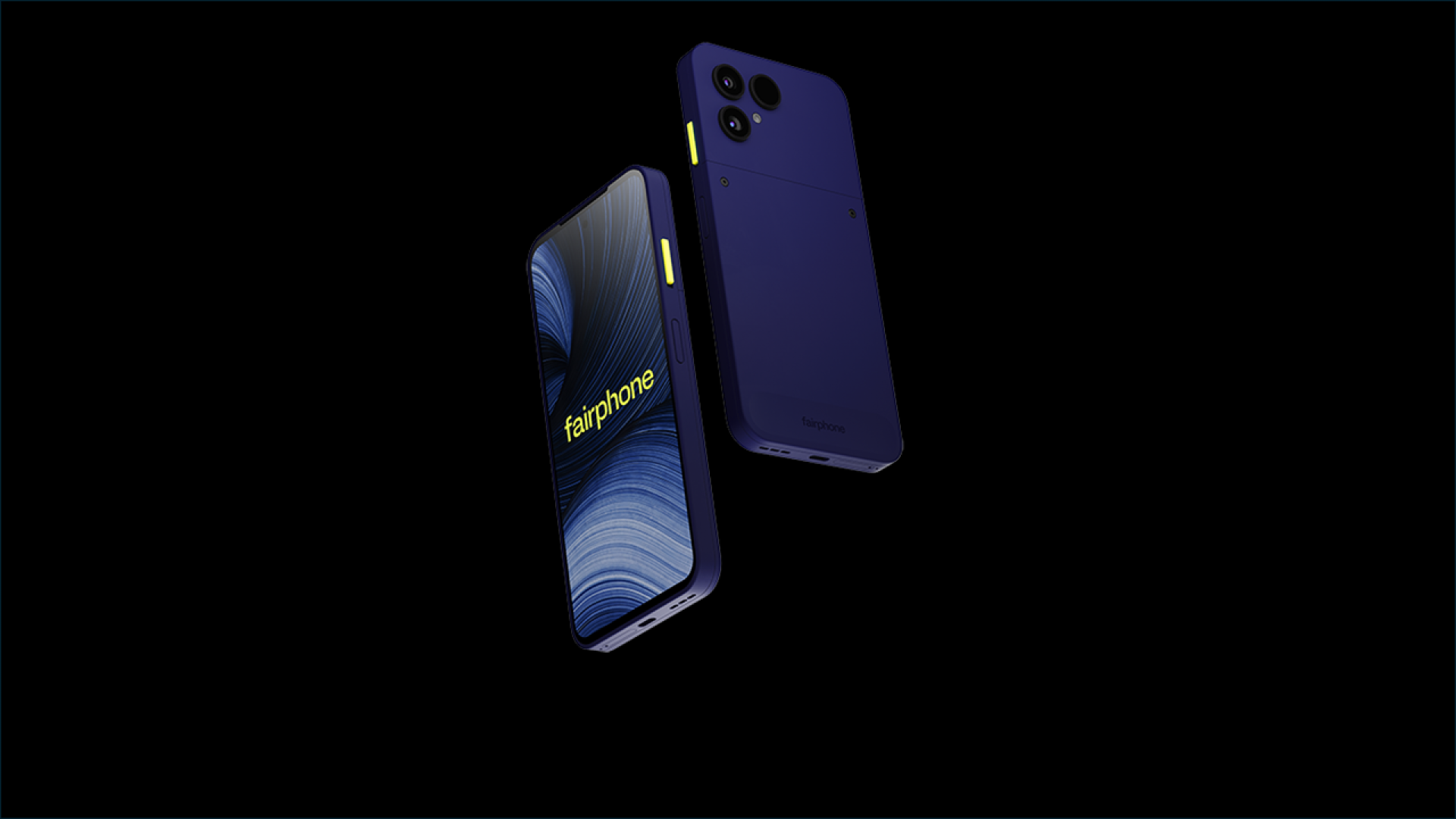
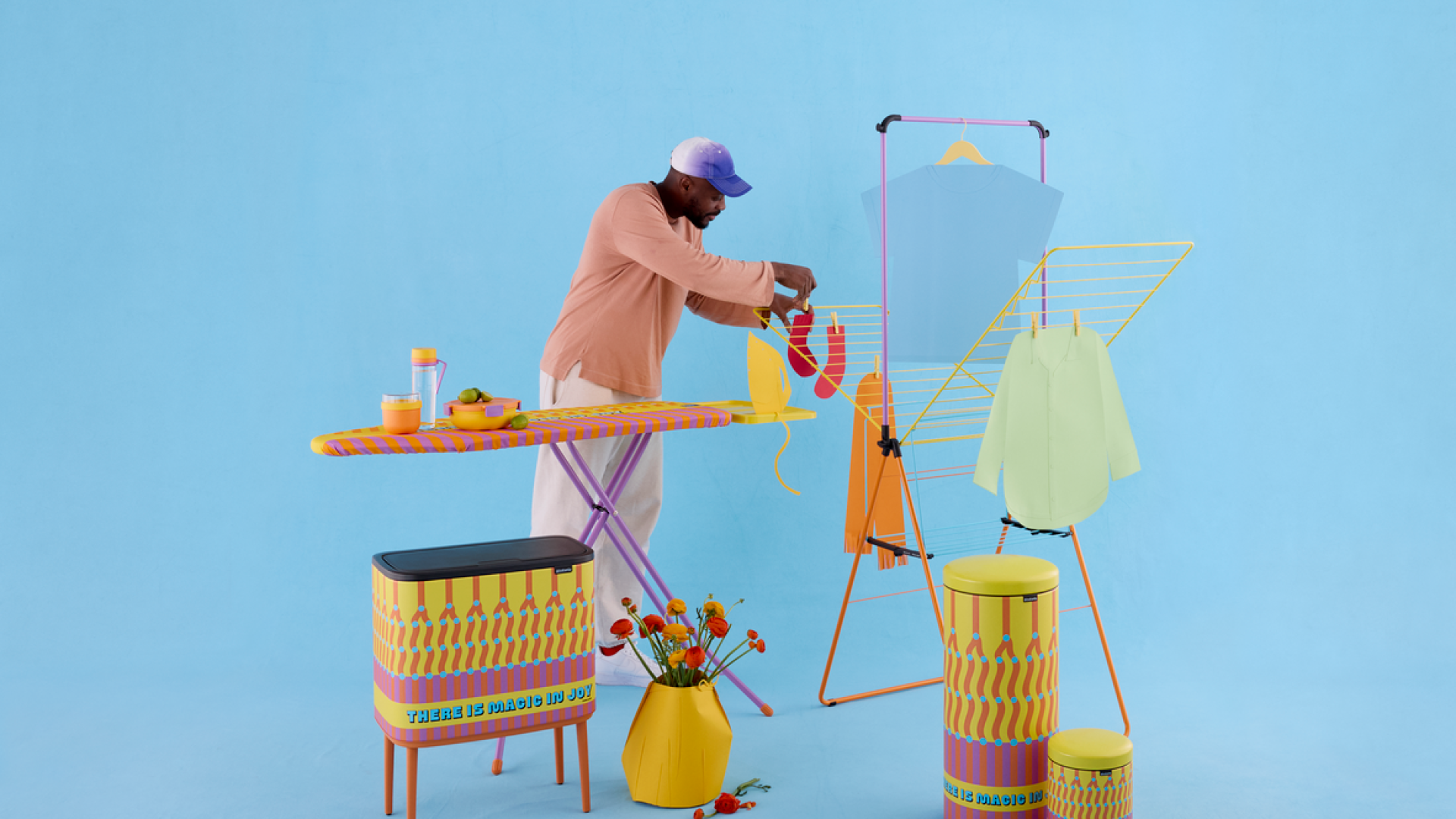
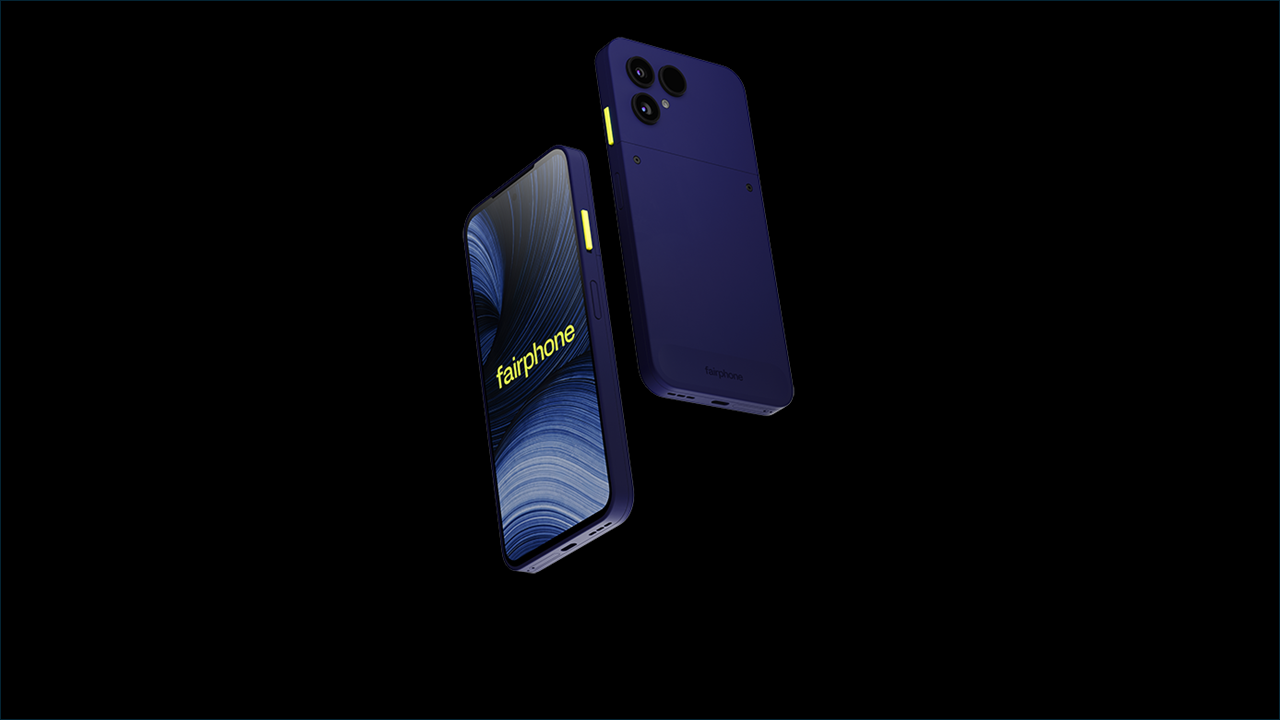
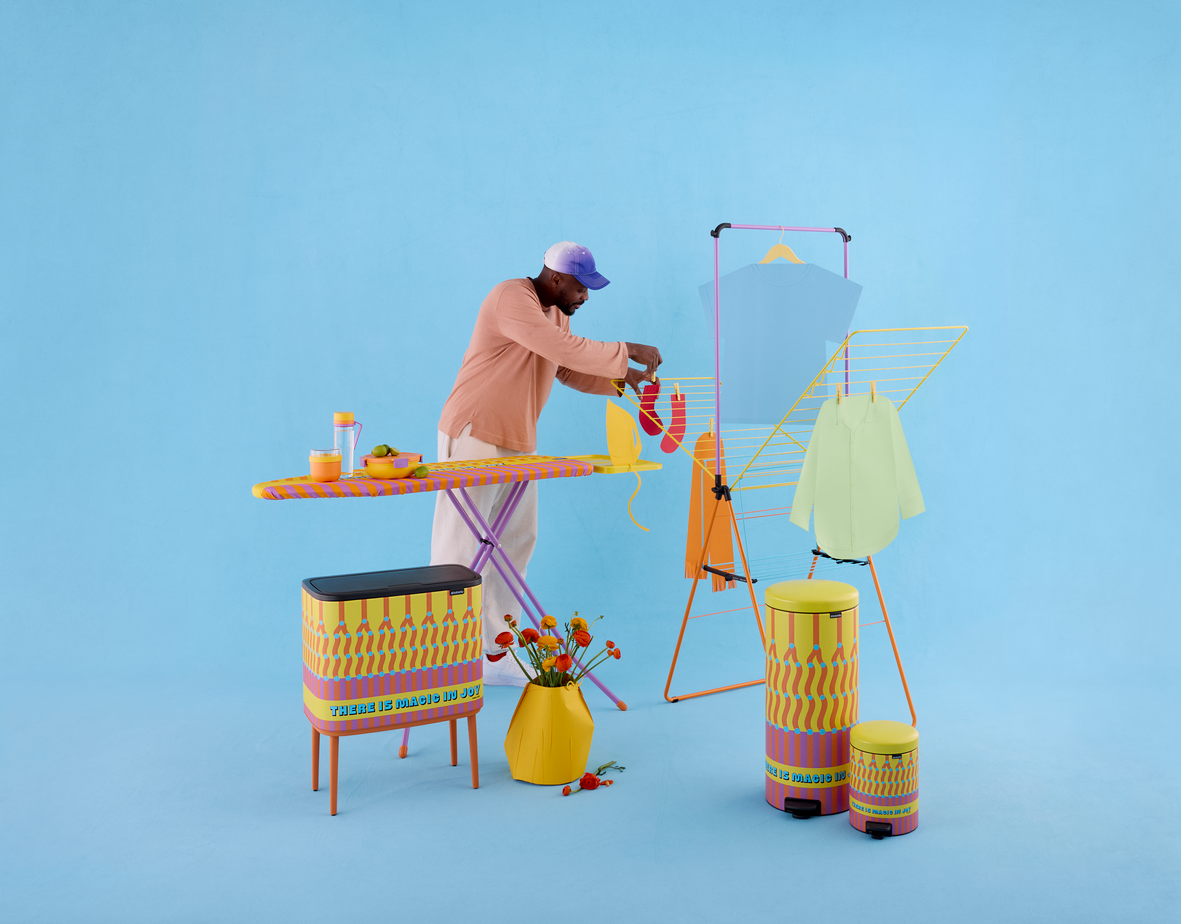
Eindhoven, 29 September 2026 | From 17 to 25 October, Dutch Design Week (DDW) brings together more than 2,500 designers across Eindhoven. Under the theme R.A.W., its 26th edition celebrates design that is unpolished, investigative and experimental. At a time when technology, AI and visual culture are increasingly shaped by optimisation and perfection, DDW26 makes space for experimentation, material research and radical imagination. Across the city, designers, studios, schools and cultural institutions present new work, from established names to group showcases, including Isabel + Helen, Maison the Faux, Willem van Hooff, Joep van Lieshout, Crafts Council and Rive Roshan. Companies and organisations are joining forces with designers, featuring creative partnerships such as Brabantia with Yinka Ilori, Triodos with Manon van Hoeckel, and Fairphone. The full programme and tickets are available at ddw.nl.
New hubs for collectible and digital design
This year, Dirk Duif takes over Building TT with a major group exhibition. Together with the newly opened Building TX, these venues establish a new hub for collectible design along the route to Piet Hein Eek.
At Strijp-S, Building SFF (Bosch) turns its attention to current developments in digital design and AI. Further digital experiences can be found at the Next Nature Museum, where the AI art event Prompt takes place on following the National Design Debate.
A platform for emerging talent
Emerging talent once again has a strong presence across DDW. Students and alumni from more than 30 national and international design schools will also present new work, including Design Academy Eindhoven, Aalto University in Finland and the Swedish School of Textiles.
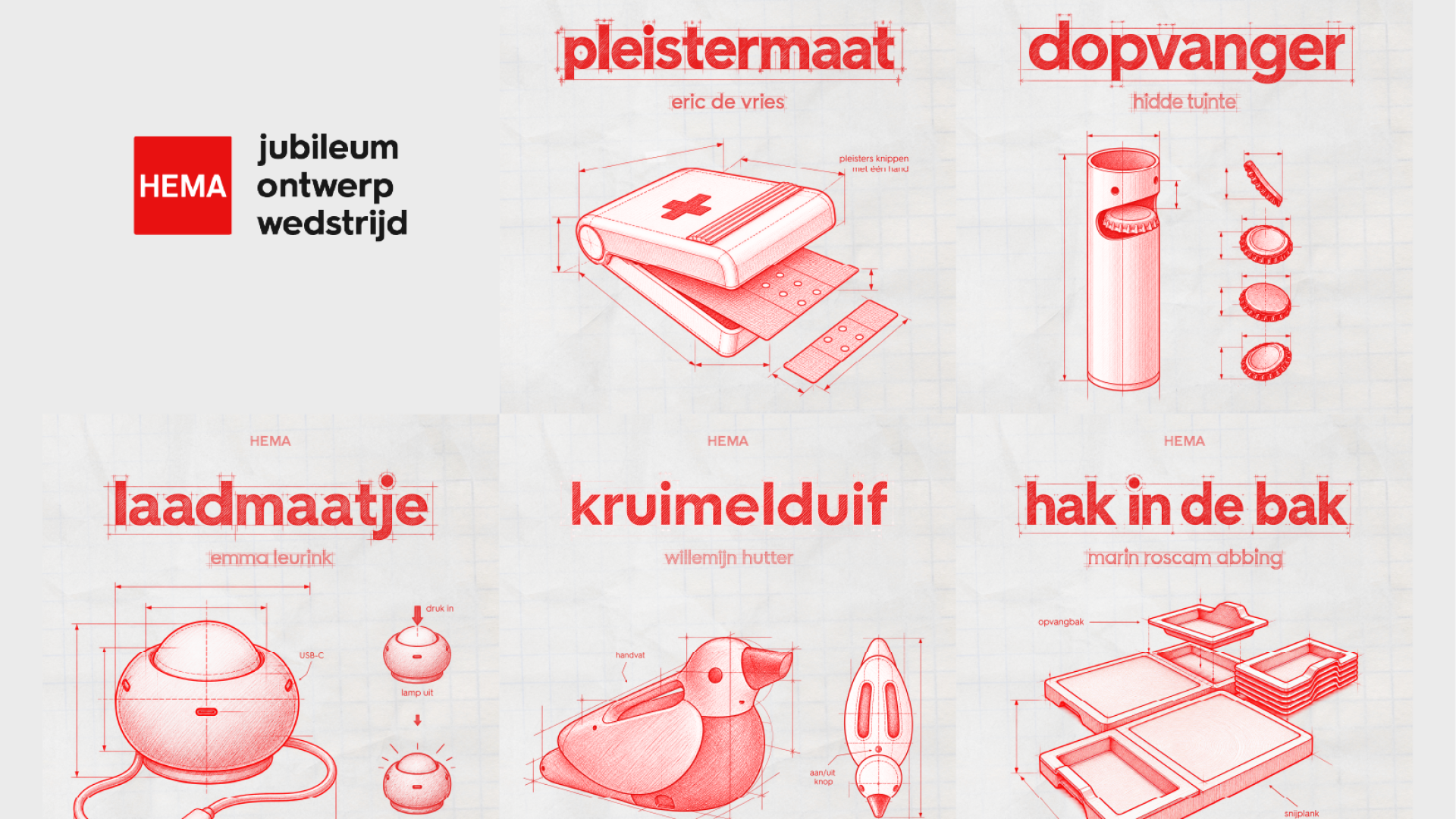
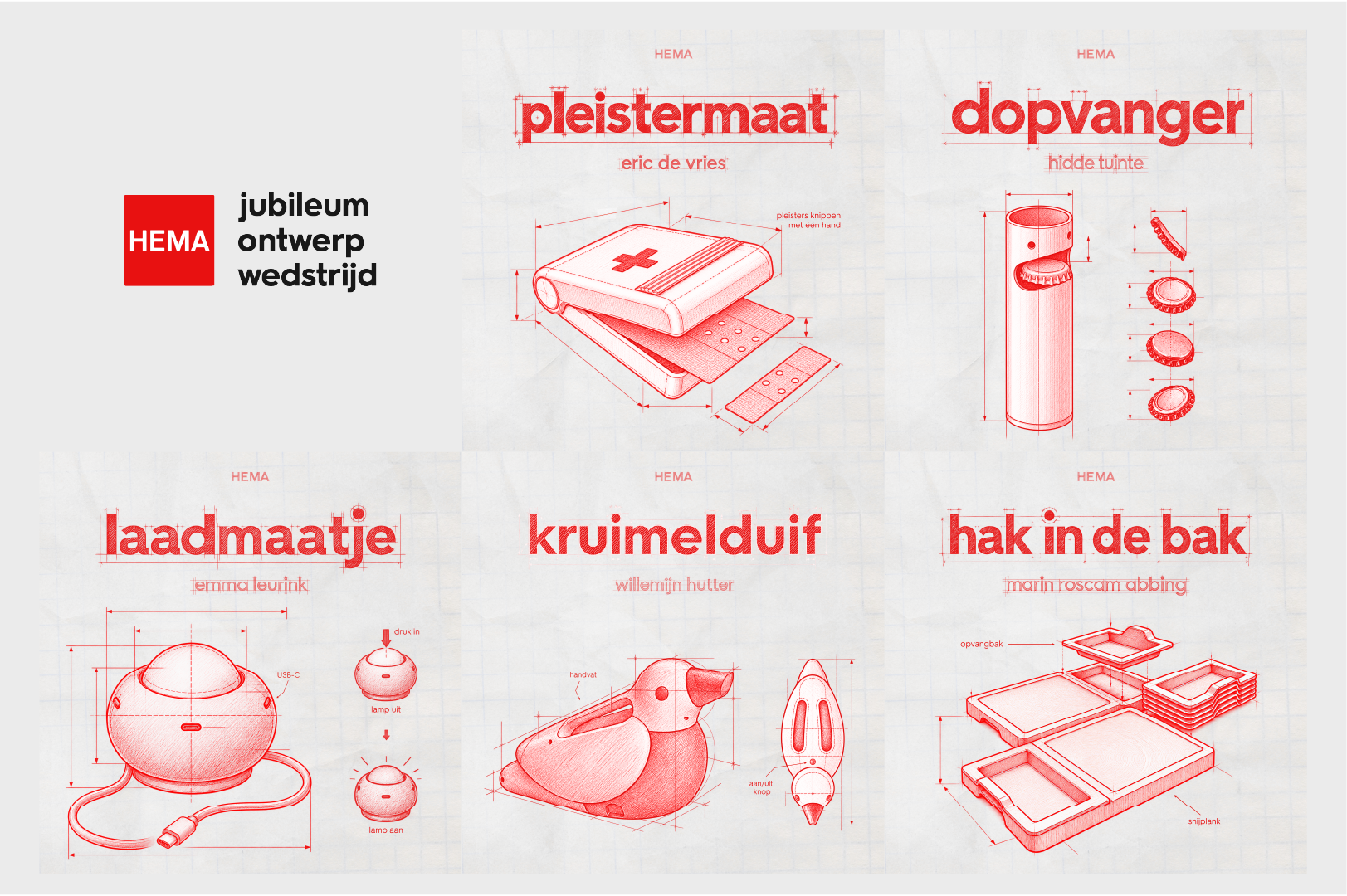
The TU/e Department of Industrial Design marks its 25th anniversary with 20 graduation projects and two open lab sessions. New voices can also be discovered at the Young Graduates HUB | DDW x Design Perron, the fifth Secrid Talent Podium and the anniversary edition of the HEMA Design Competition.
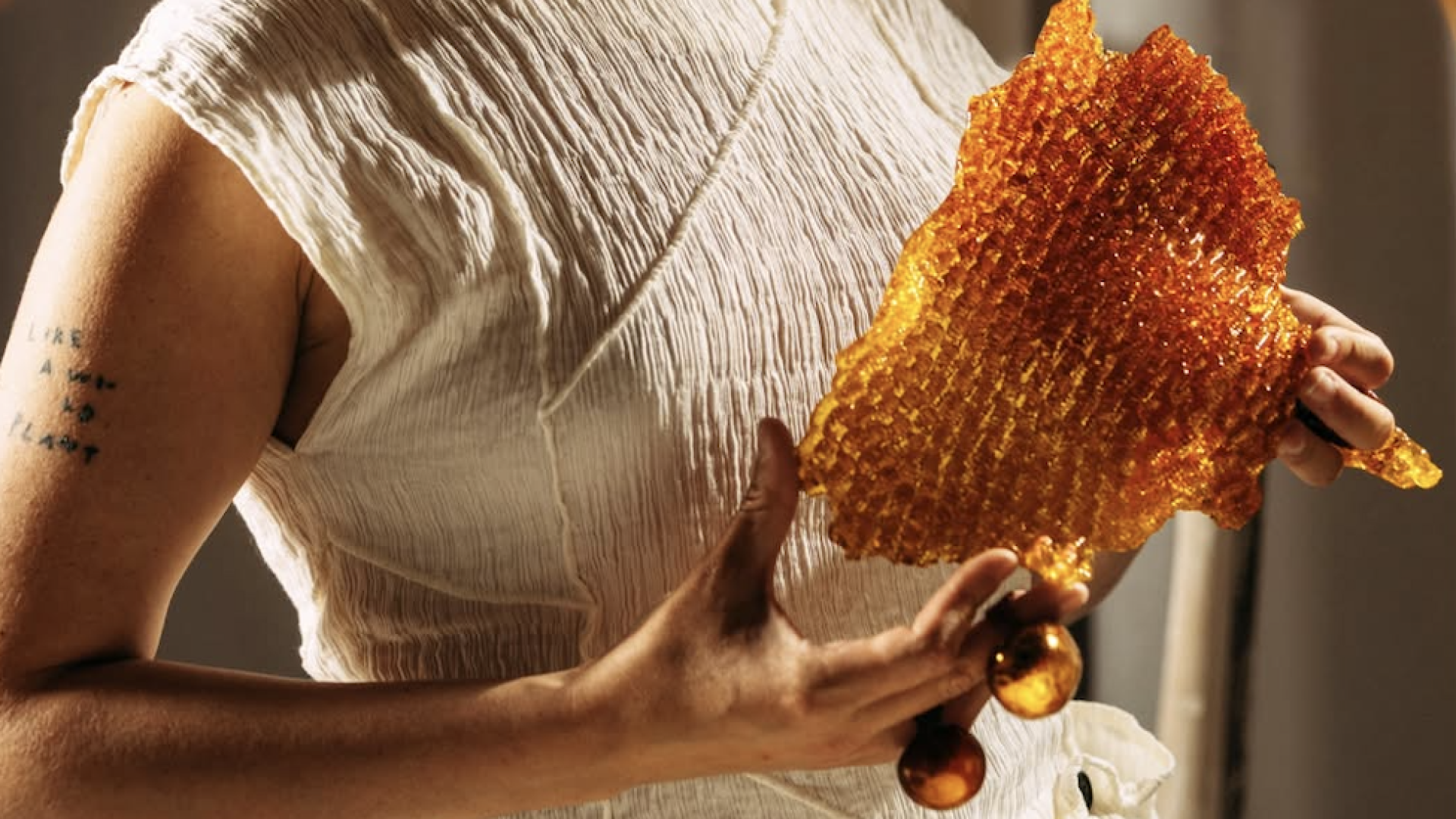
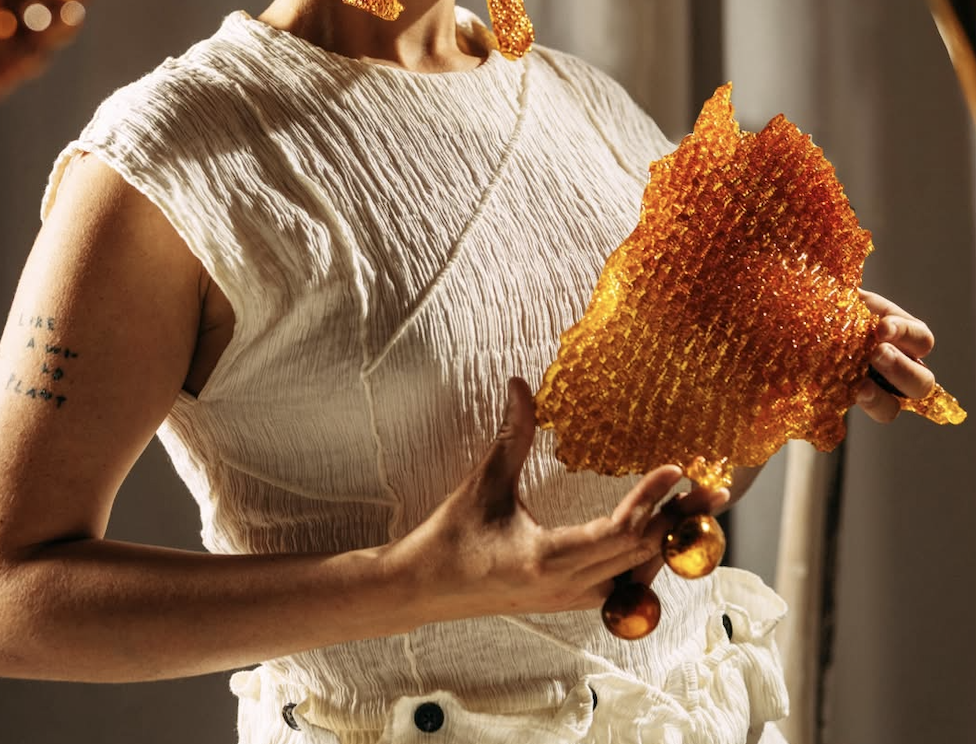
Fifteen Emerging Talents make up the Dutch Design Awards Class of 2026. Among them, Ori Orisun Merhav explores an insect-derived polymer in work spanning collectible design, Gijs Schalkx drives a car powered by plastic waste, and Maggie Laylon Saunders brings design, technology and audience participation together in the performance Striptopia. Dutch Design Awards will honour the Class of 2026 on Saturday 17 October.
Highlights from the Dutch Design Week 2026 programme:
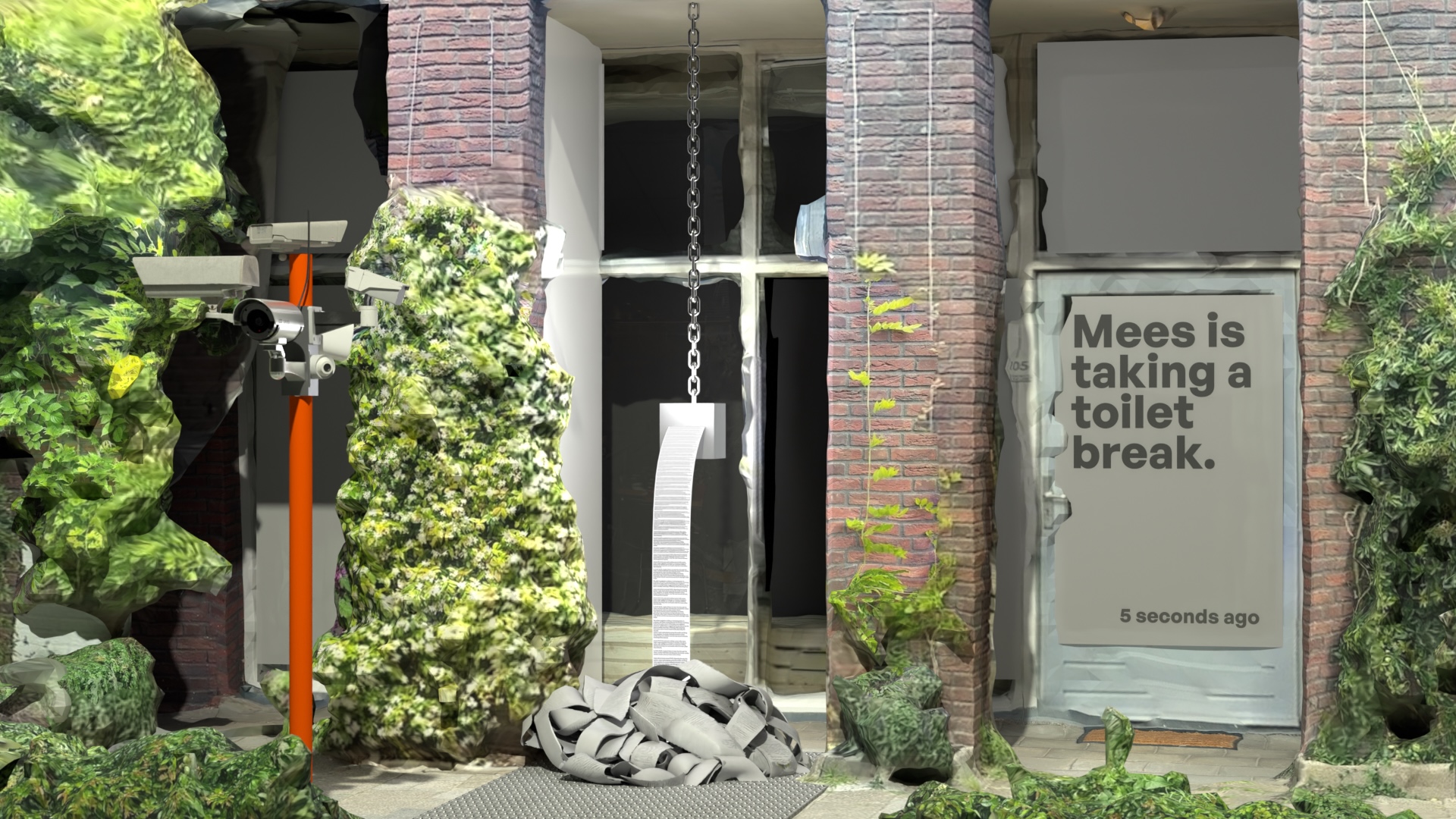
transparent.citizen | Mees Boeijen | amaranth studio
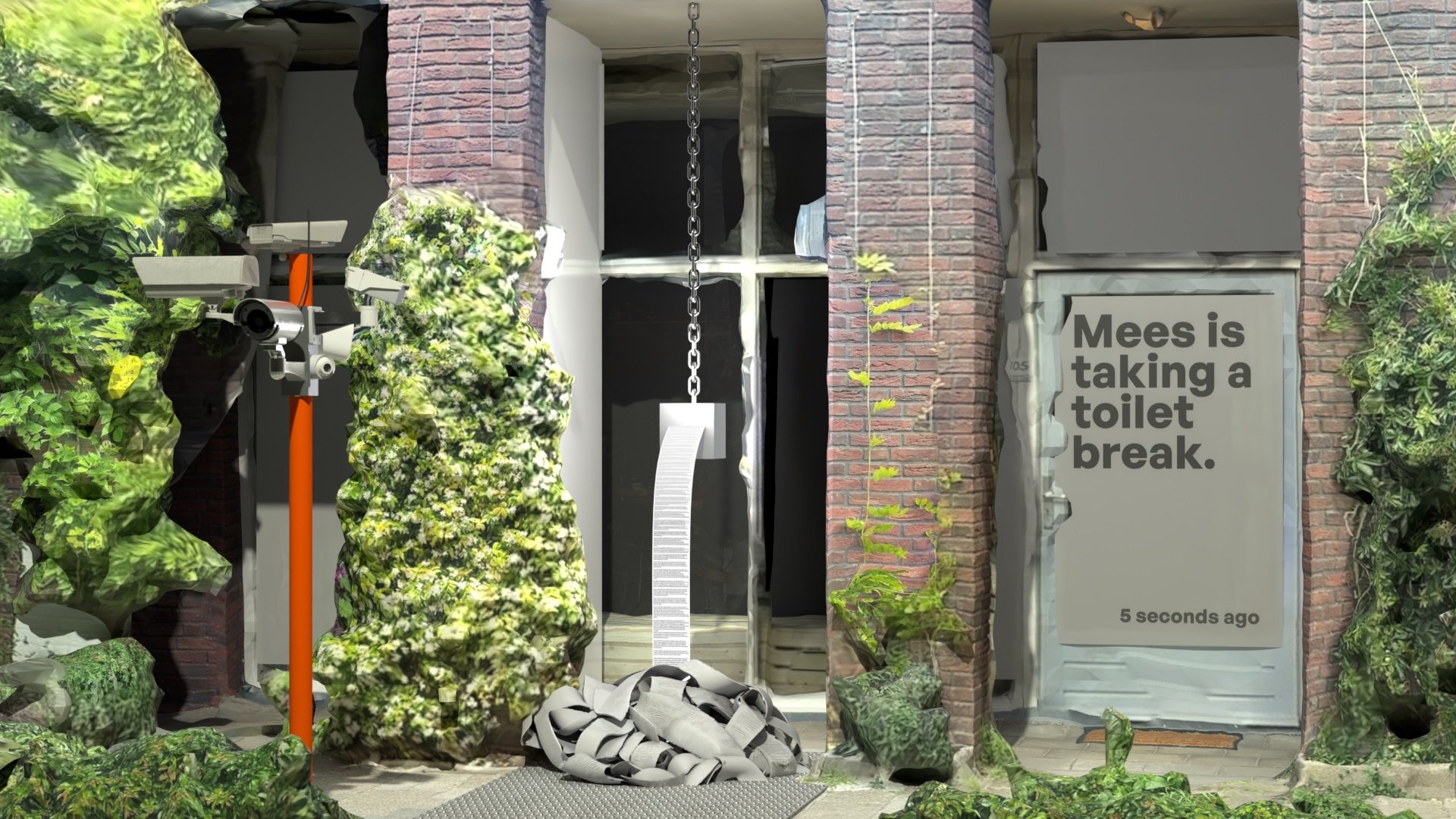
What happens to privacy when AI is always watching? Designer Mees Boeijen isolates himself for a week, placing his daily life entirely in the hands of AI. His movements are tracked and turned into a printed record of his life. Visitors who read along become part of the experiment themselves: as they observe him, they too are being watched.
The Biodesign Warehouse - Department Store for Life | Emma van der Leest
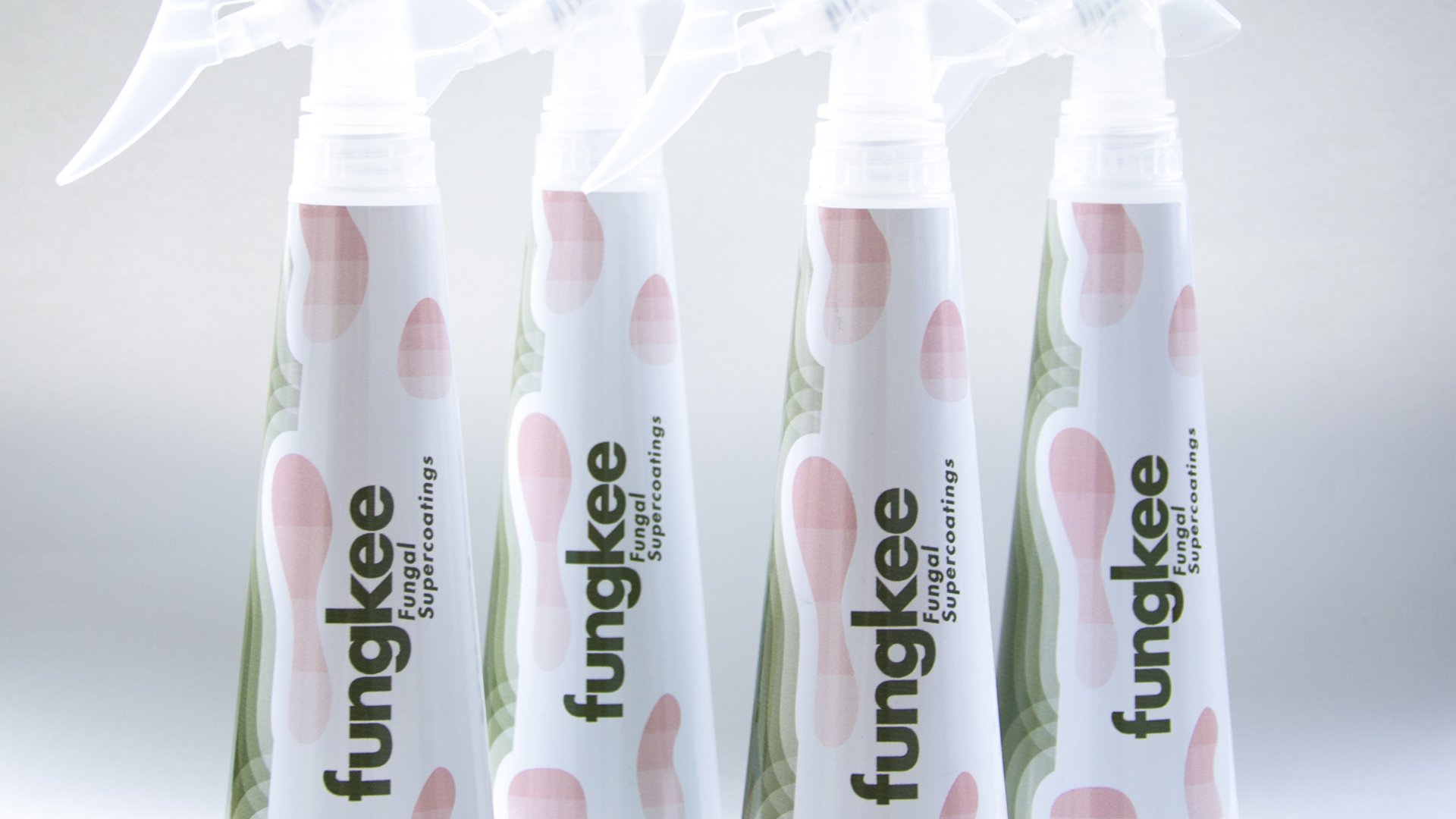
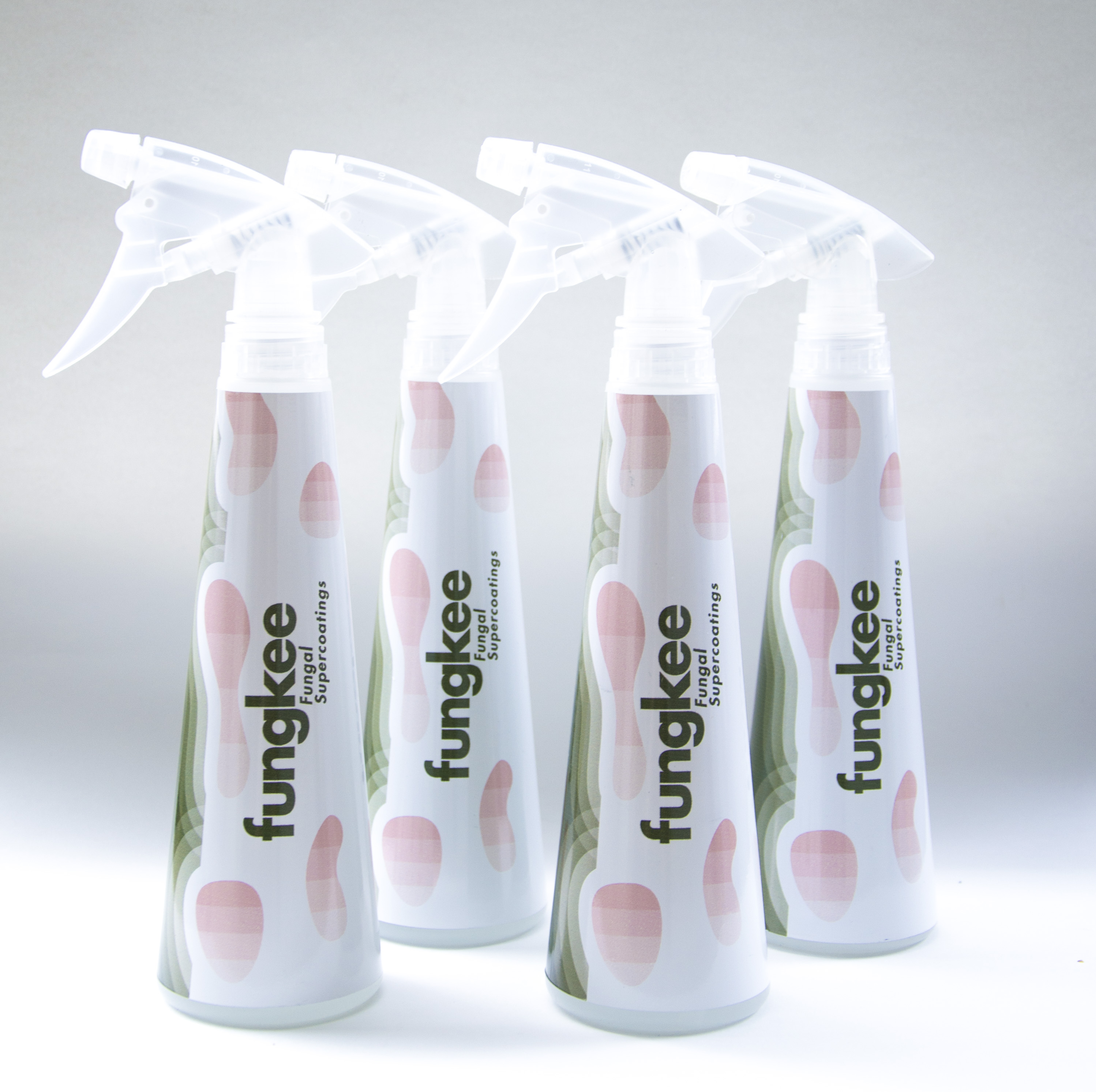
DDW Beacon Emma van der Leest surveys the current state of biodesign. Through a range of applications, including cosmetics, she shows how the field is moving beyond experimentation towards practical and scalable solutions.
House of Lights | TAM Industries
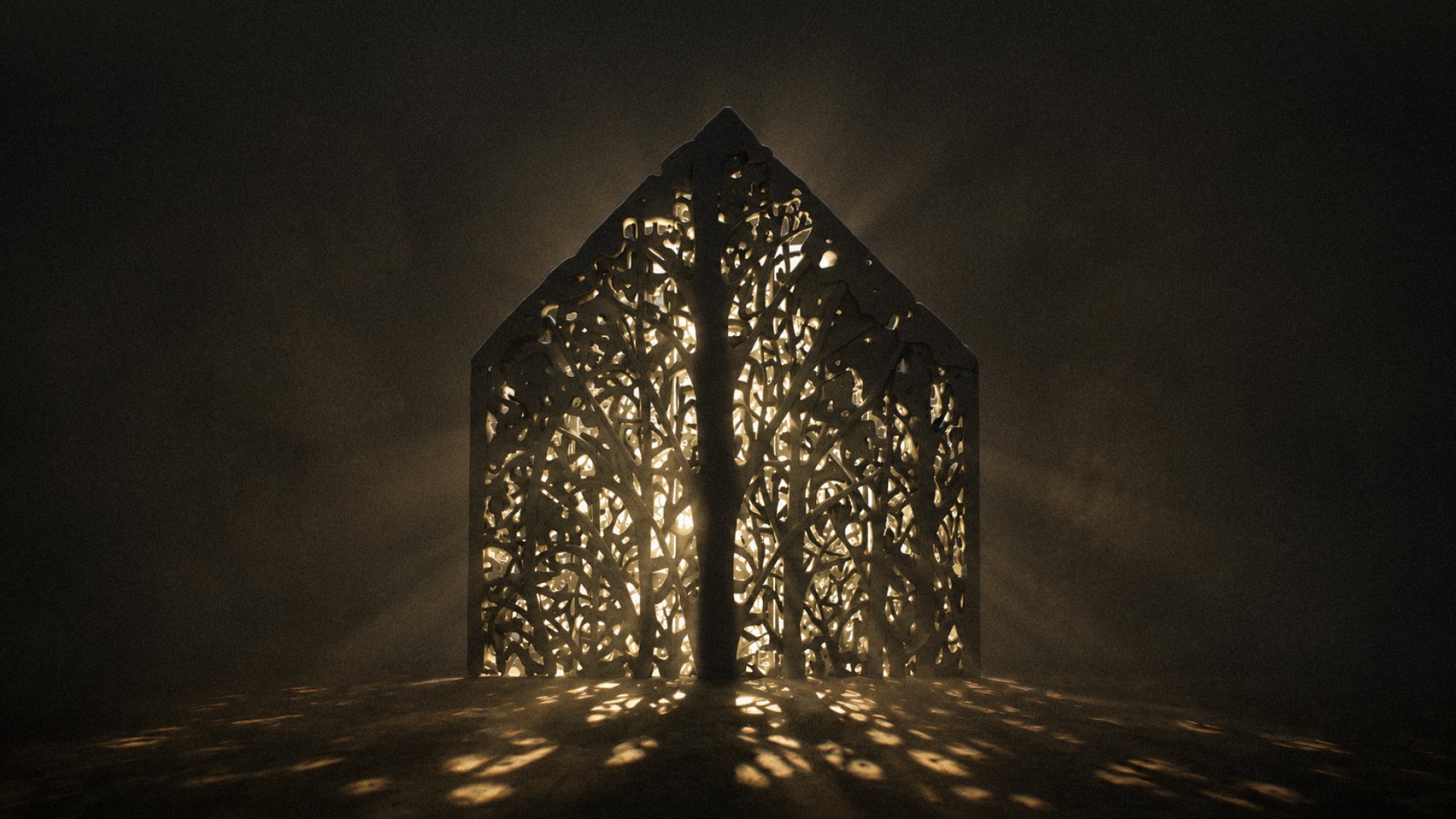
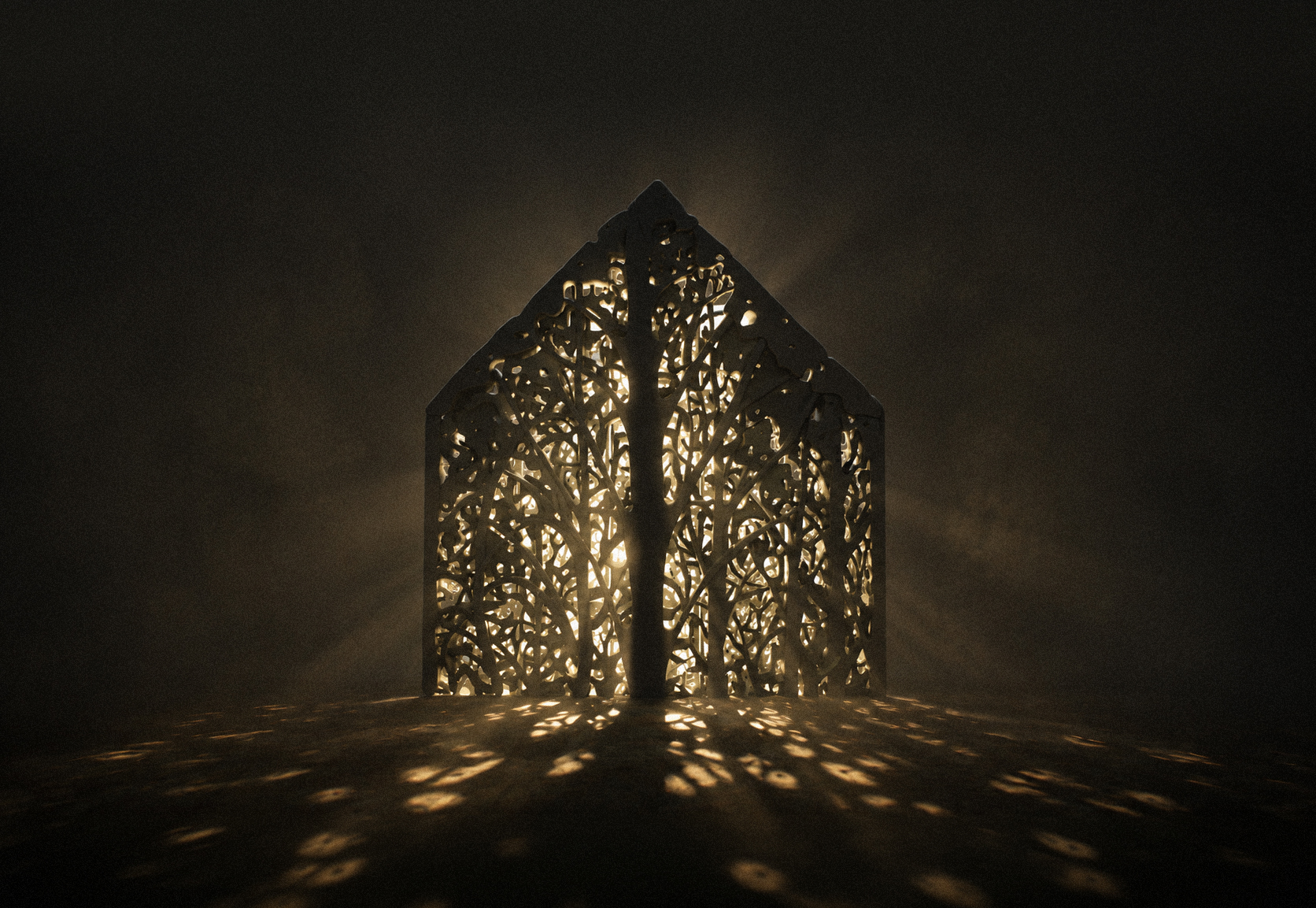
A full-scale 3D-printed house explores what large-scale additive manufacturing could mean for the built environment. TAM Industries prints the façade as a single structure using recycled plastic, produced directly in its final colour and designed to be fully recyclable after use.
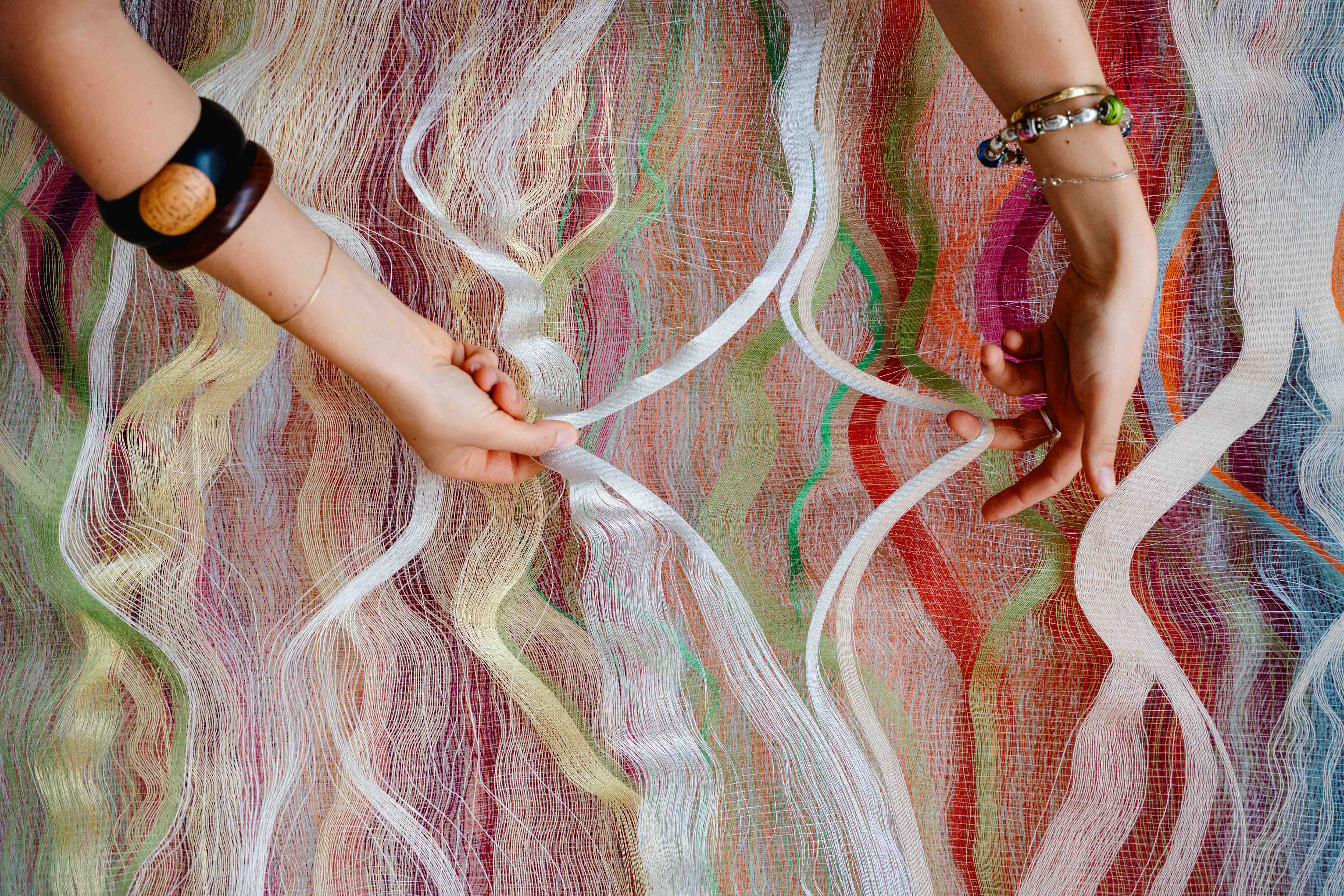
The Collective Response — Design for Shared Action | Foundation We Are
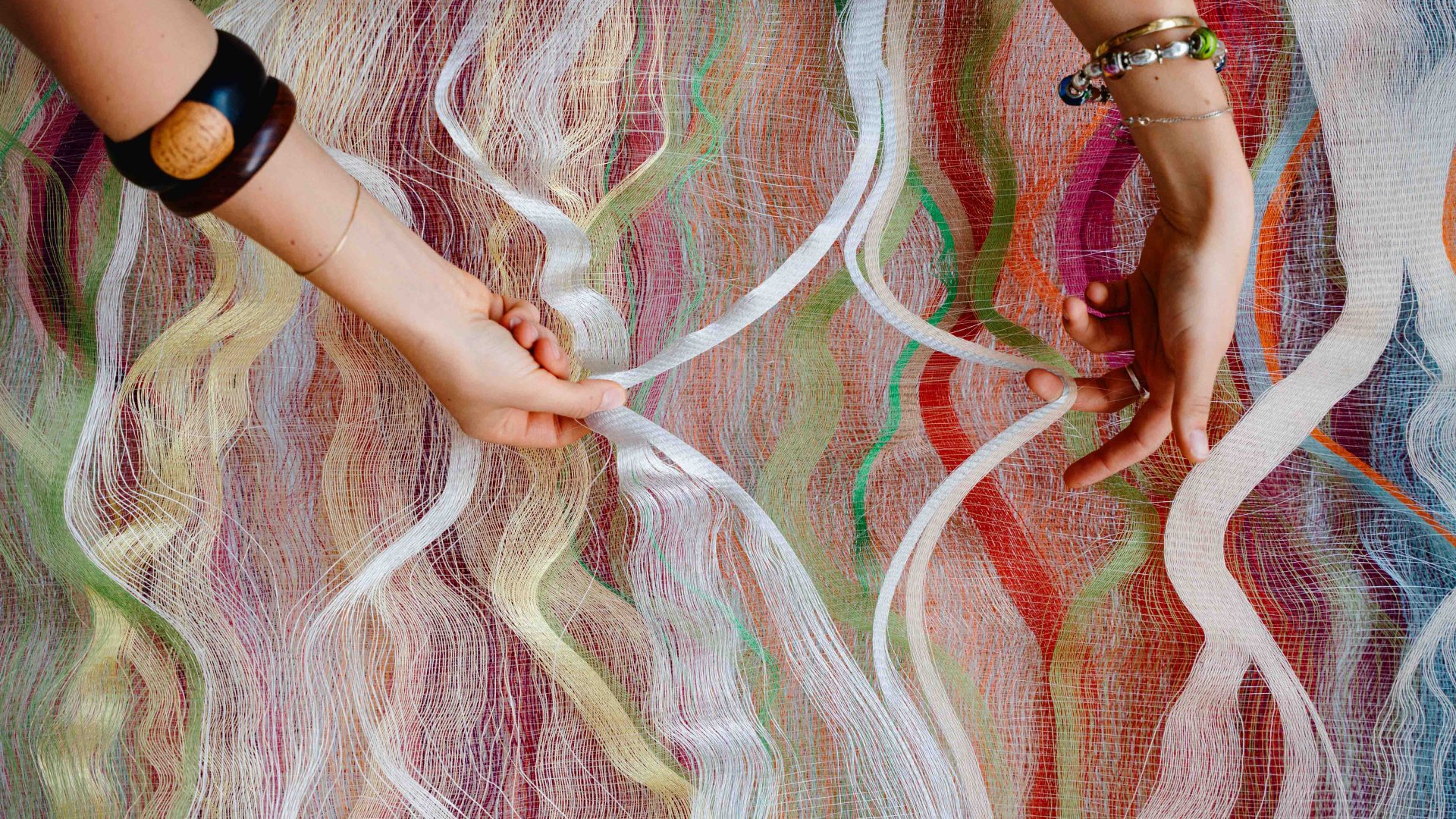
This group exhibition explores design as a catalyst for collective action. In It Takes a Village, Yamuna Forzani asks what it means to belong to a community. A cocoon-like environment of resting places, tapestries and curtains invites visitors to reflect on connection, care and collectivity.
We Harvest Wind | Thijs Biersteker x Polestar
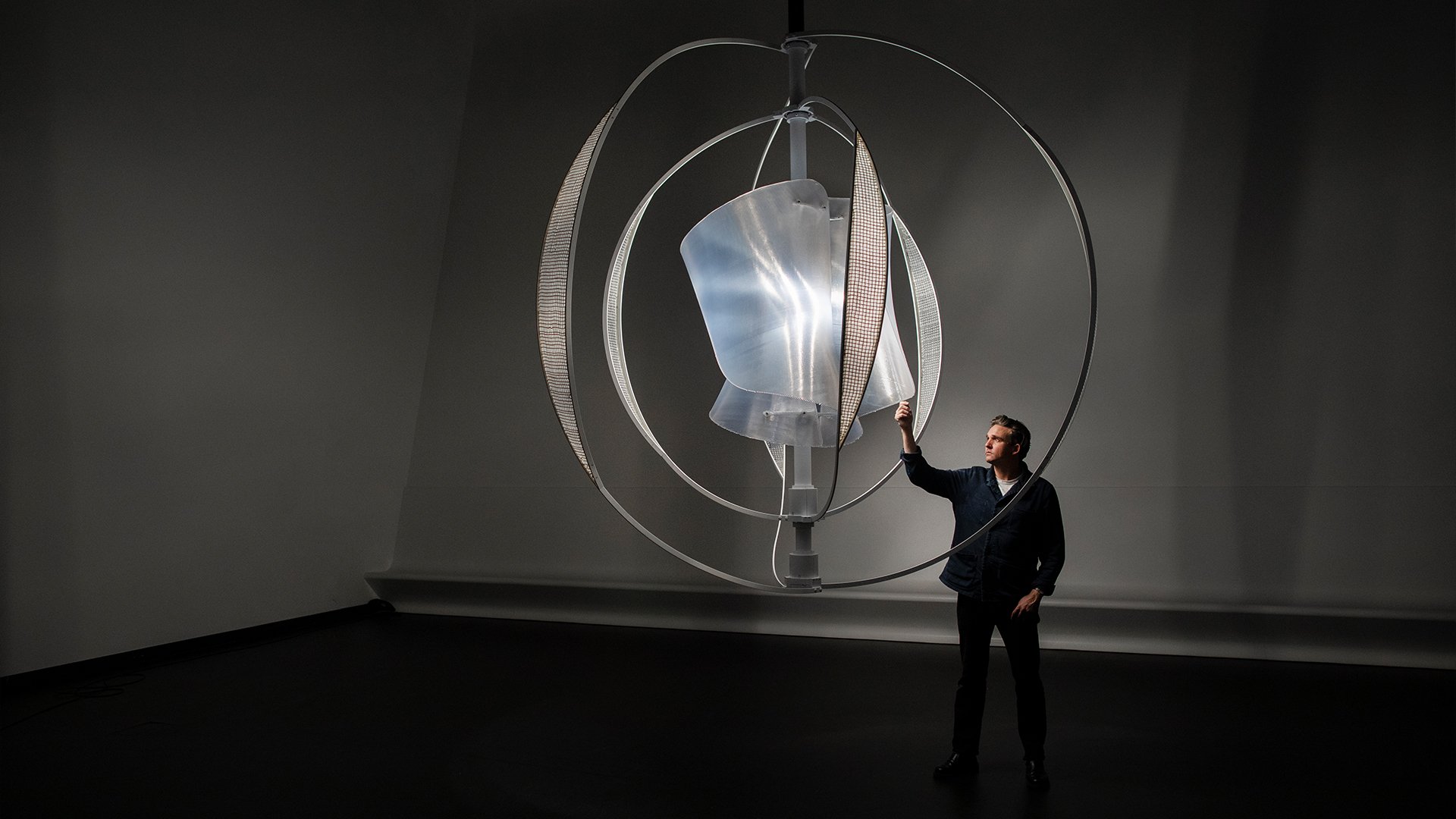
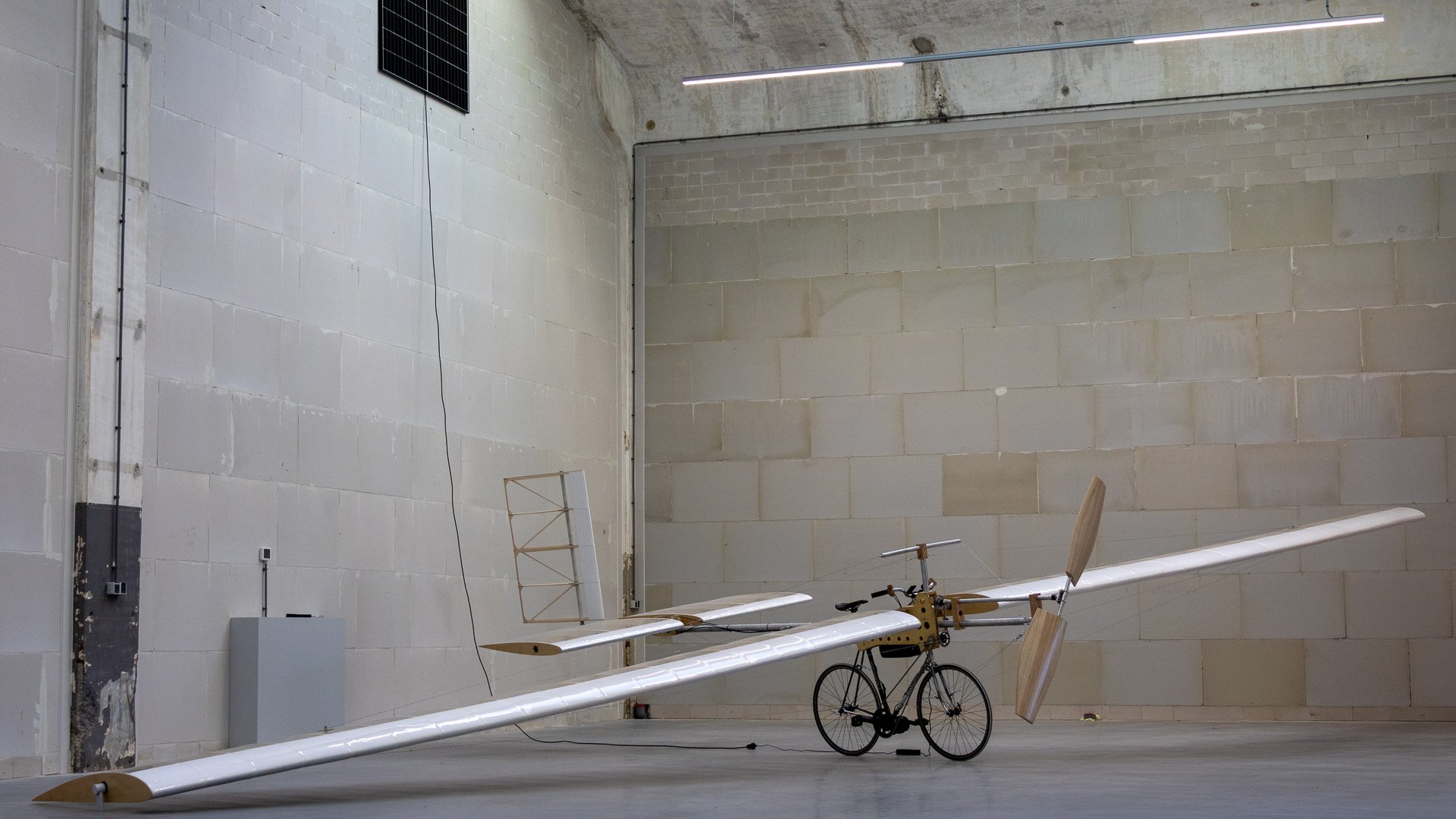
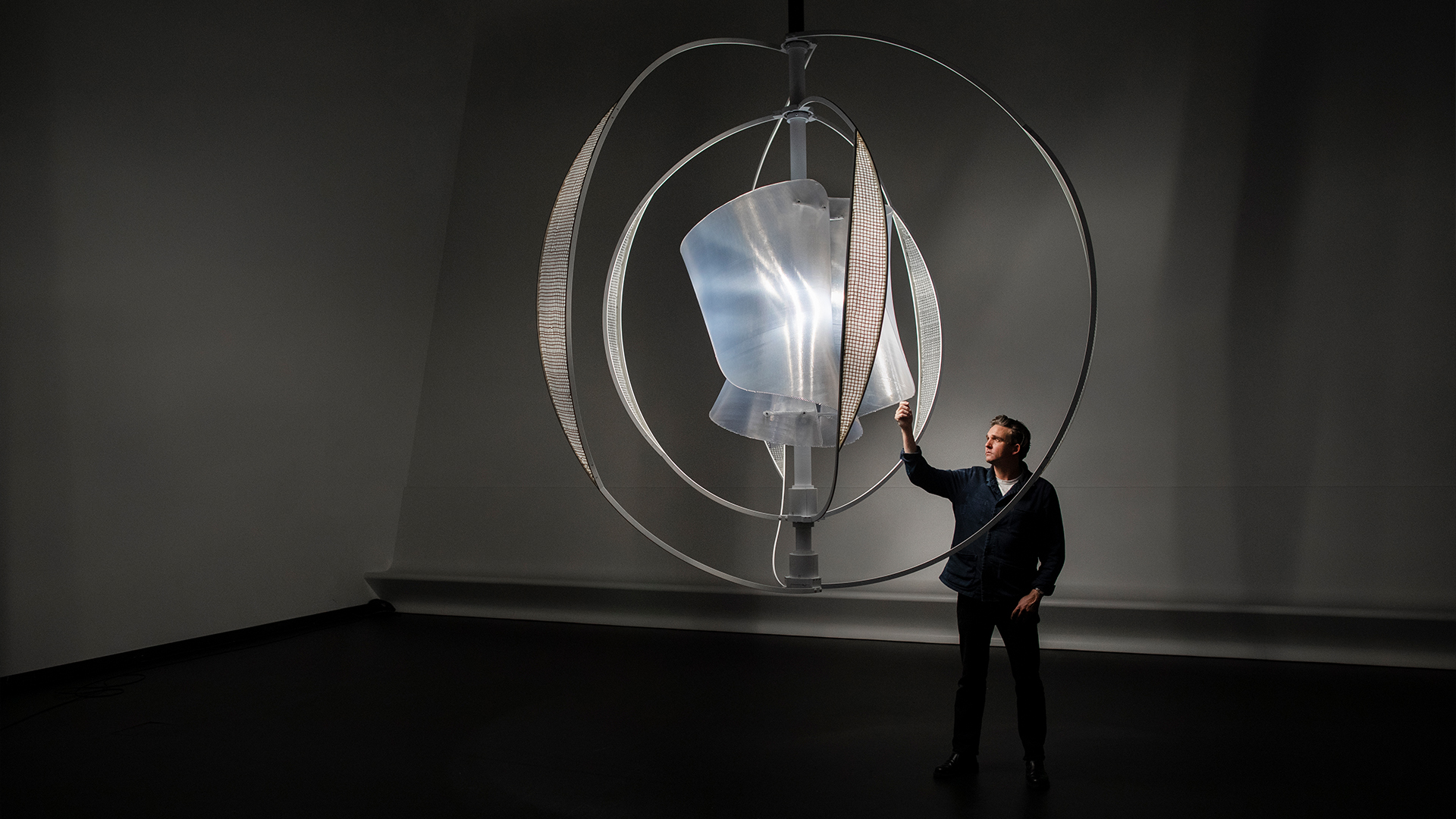
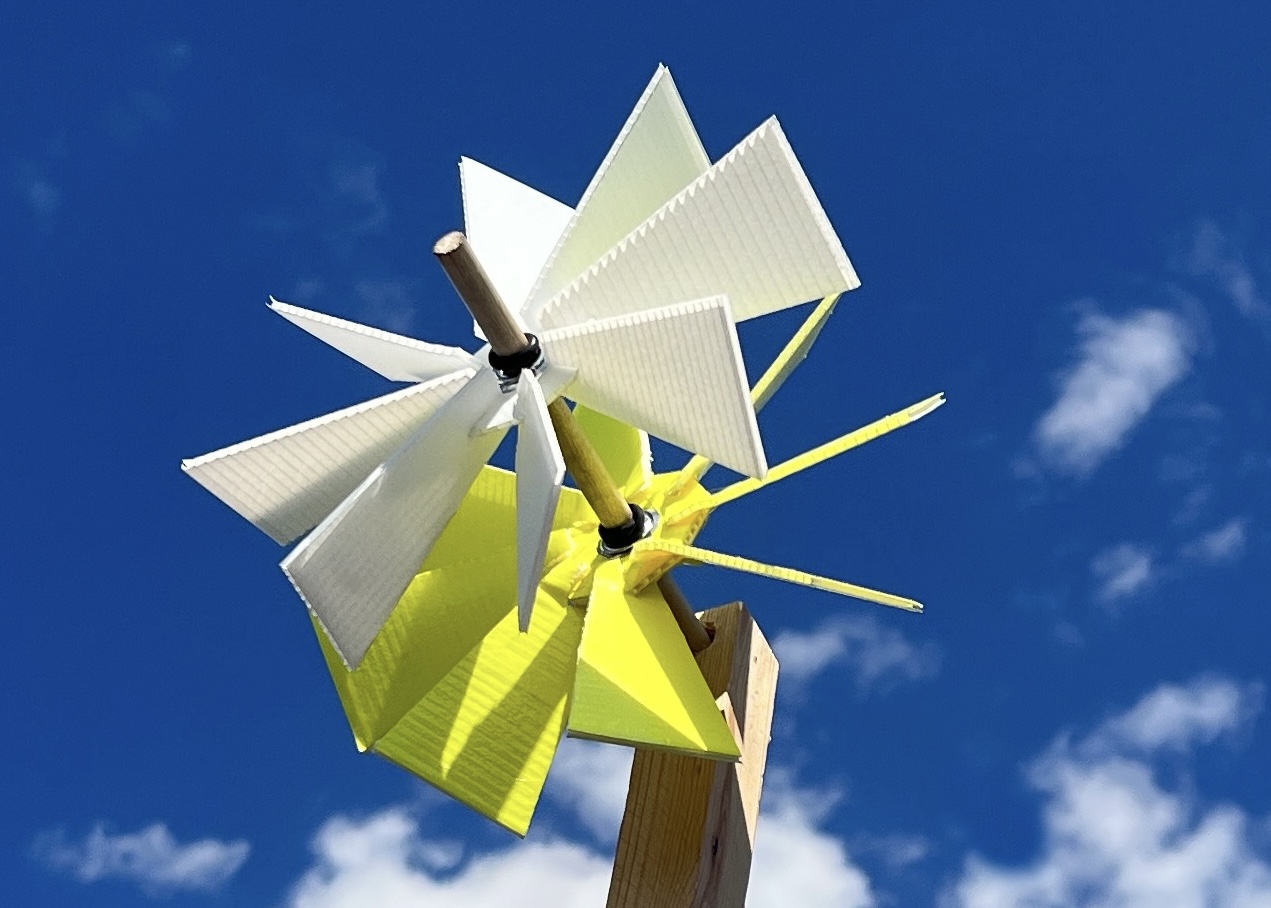
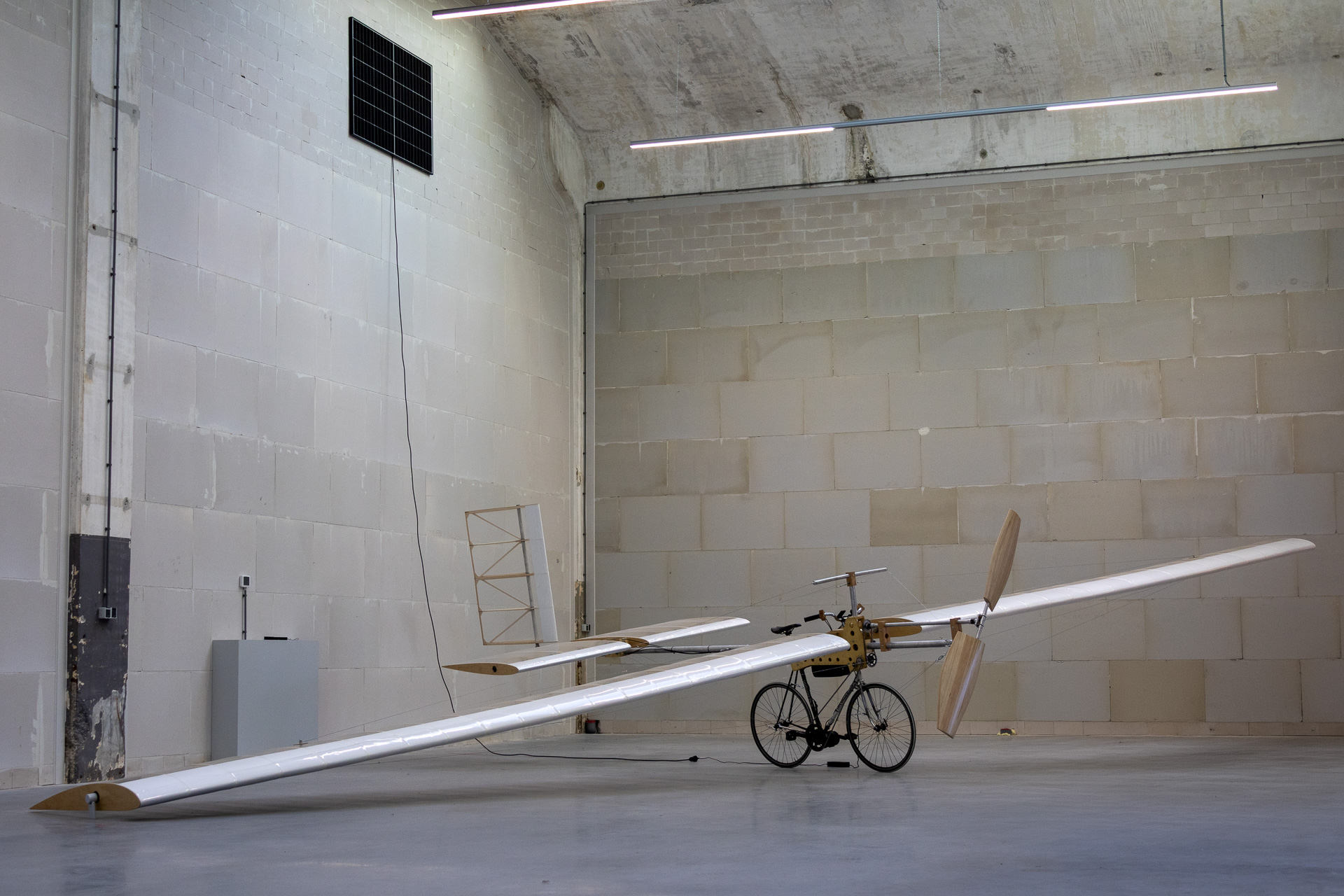
In We Harvest Wind, Thijs Biersteker makes the transition towards renewable energy and materials tangible. The installation uses design and technology to translate complex questions around energy, resources and climate into a physical, accessible experience.