17-25 October 2026

House of Memories

A tangible and multisensory museum installation focused on daily life with dementia.

Hosted by Vanir Design

This project is now archived and was part of DDW22

Event type

Exhibition

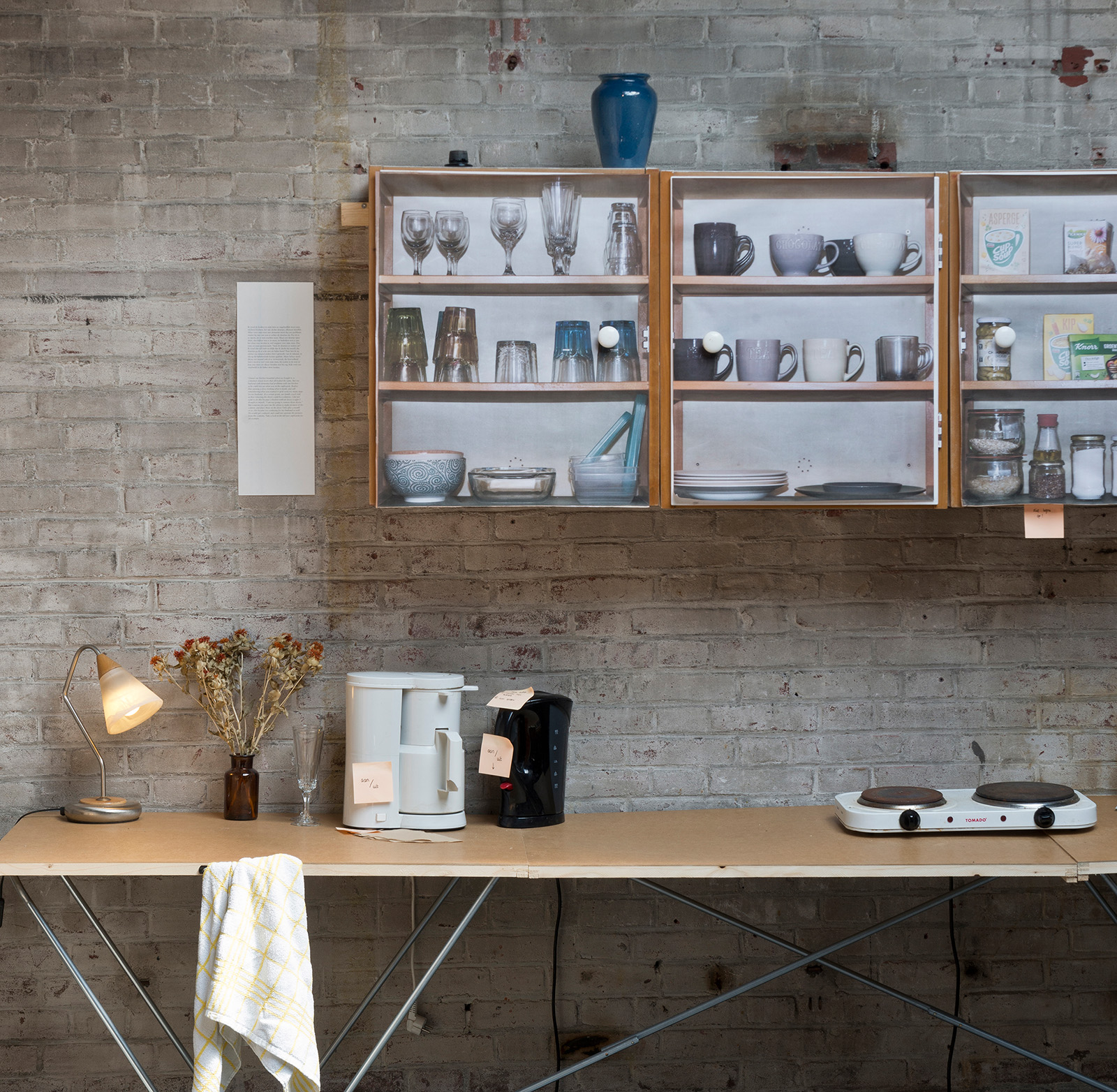
The cupboards
The cupboards
Ruud Balk
One of the major global challenges of the twenty-first century is dementia. Even though awareness is growing, there is still a gap that causes stigmatization and threatens wellbeing. An interactive museum installation is built to create awareness, and decrease stigma, about daily life with dementia.
Stigmatization of people living with dementia

Currently, there is a lack of public awareness and understanding of dementia and the consequences of dementia on people’s capacity, ability, and well-being. Individuals dealing with dementia can experience a set of negative and often discriminatory beliefs that society may have about their condition. Stigma regarding dementia can result in stereotyping, prejudice, and discrimination against people living with dementia that create major barriers withholding people from seeking information, advice, and support. Stigmatization can unfold in two ways. In the case of self-stigma, people internalize certain prejudices that negatively influence psychological well-being, self-esteem, and quality of life. Public and courtesy stigma are, often negative, behaviors directed towards a person with dementia or people close to them such as relatives. These behaviors come from false beliefs that people with dementia lose their dignity and selfhood. As a result, the quality of social interactions, social roles, and relationships can decrease, and experiences of empathy are hindered.

Relevance of changing the stigma

To overcome the mentioned consequences, public awareness and understanding should be raised. Hence, it is essential to slow down the perception process and the judgment of what it means to live with dementia. Designers and developers that work with user-centered approaches recognize the need to engage with the psychosocial aspect of dementia. By increasing understanding from different perspectives, feelings of empathy towards the lived experiences may increase. Eventually, the stigma may be reduced and hopefully taken away by cultivating empathy and increasing awareness of various aspects of dementia to the public. Until now, (educational) initiatives to decrease the stigma are aimed at families, caregivers, or professionals who work with people with dementia and are often delivered via the internet. However, physical alternatives aimed at the wider public are hardly present, demonstrating an opportunity for designers to explore.

The house of memories project

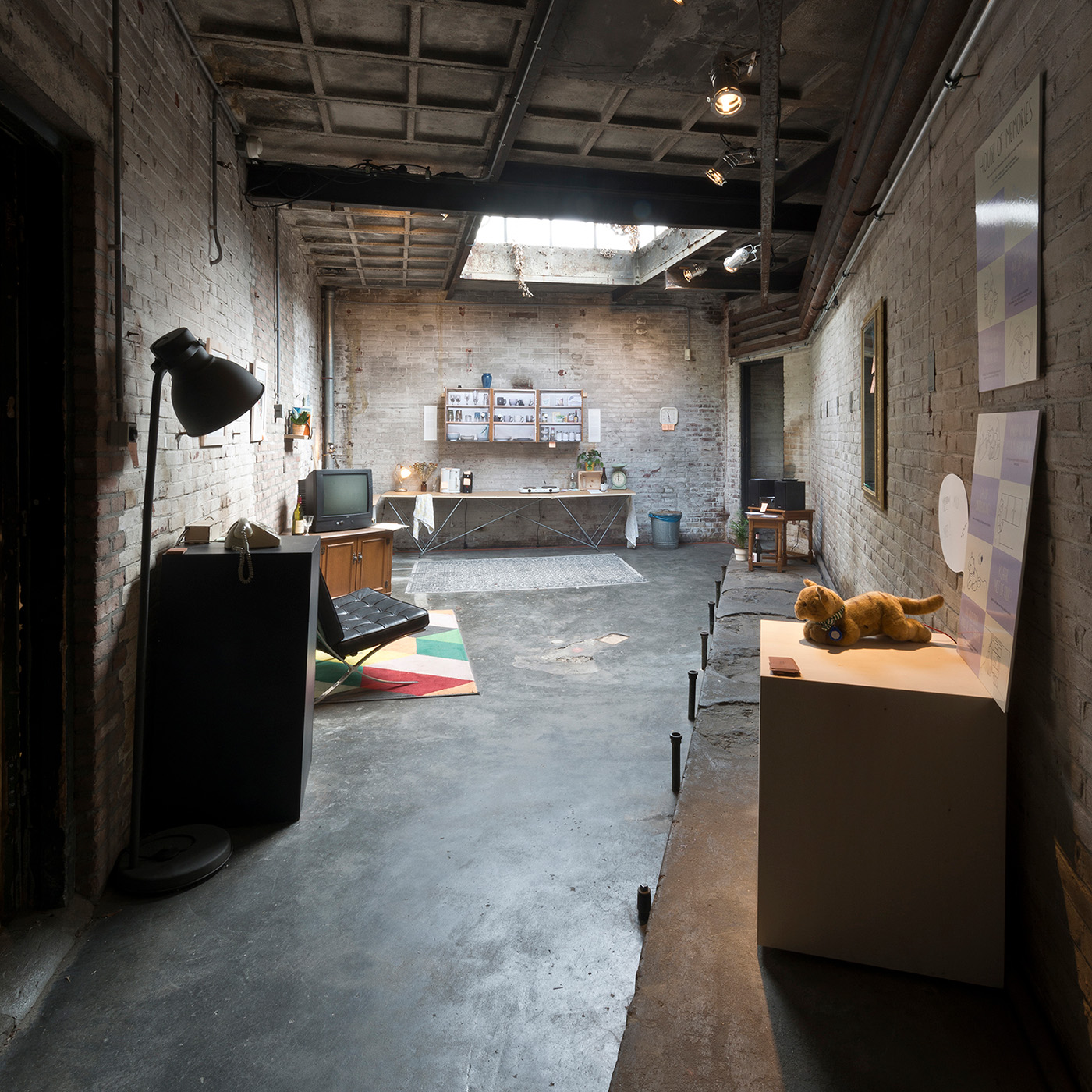
The project started with a collaboration between care organization Pleyade and the Dutch open-air museum to build a museum experience to increase awareness around dementia. This project is called “house of memories”. The house will consist of an interactive museum installation to share everyday perspectives on the daily lives of people with dementia. This exhibition is an explorative study to inspire the final “house of memories” scheduled for 2025. A tangible and multisensory interactive museum installation of a kitchen set is presented, where visitors encounter engaging personal stories from different perspectives (i.e., from care professionals and informal caregivers). The stories used in the exhibition were gathered through user studies in prior research and translated into tangible experiences in a home setting to create awareness of daily life with dementia for a general audience. This design research project contributes by exploring how a custom-designed interactive experience can create awareness of daily life with dementia for a general audience. And how it contributes to people’s views on everyday life with dementia.
An impression of the entire exhibition
Ruud Balk
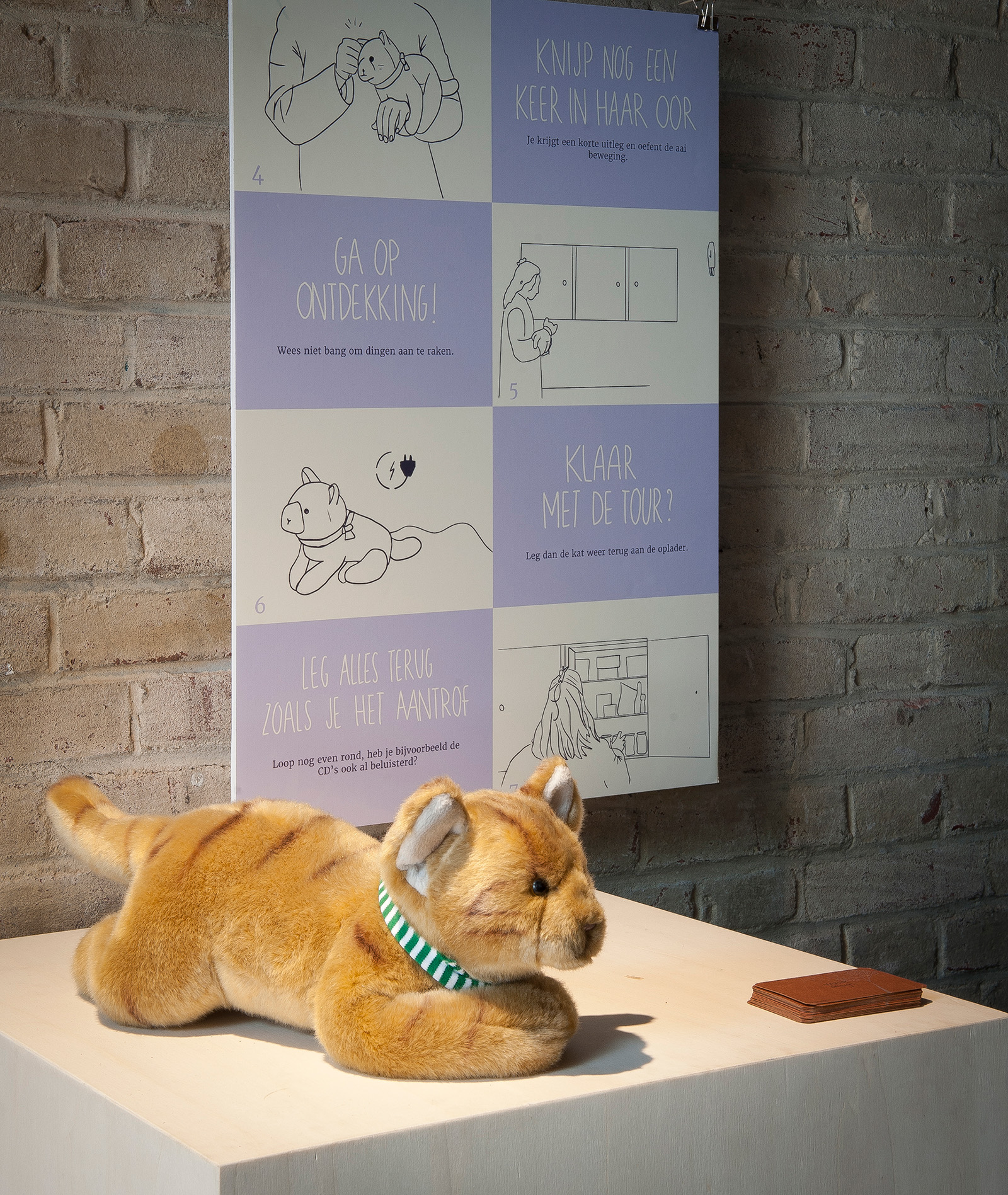
The dutch audio tour through the cuddly toy
Ruud Balk, GoWonder

About Vanir Design

We are Peder Geurts and Sanne Beijer. Throughout our work, we want people to reflect on the status quo and trigger them to interact or perceive the world around them differently. We explore the context of our projects by researching our own perspective and interviewing stakeholders. In our work, we use knowledge from social sciences. We use creative visualization, storytelling, and digital sketching skills to realize concepts and bring them to the target group, after which we gather experiences.

Partners

Sponsored by House of Memories