Making
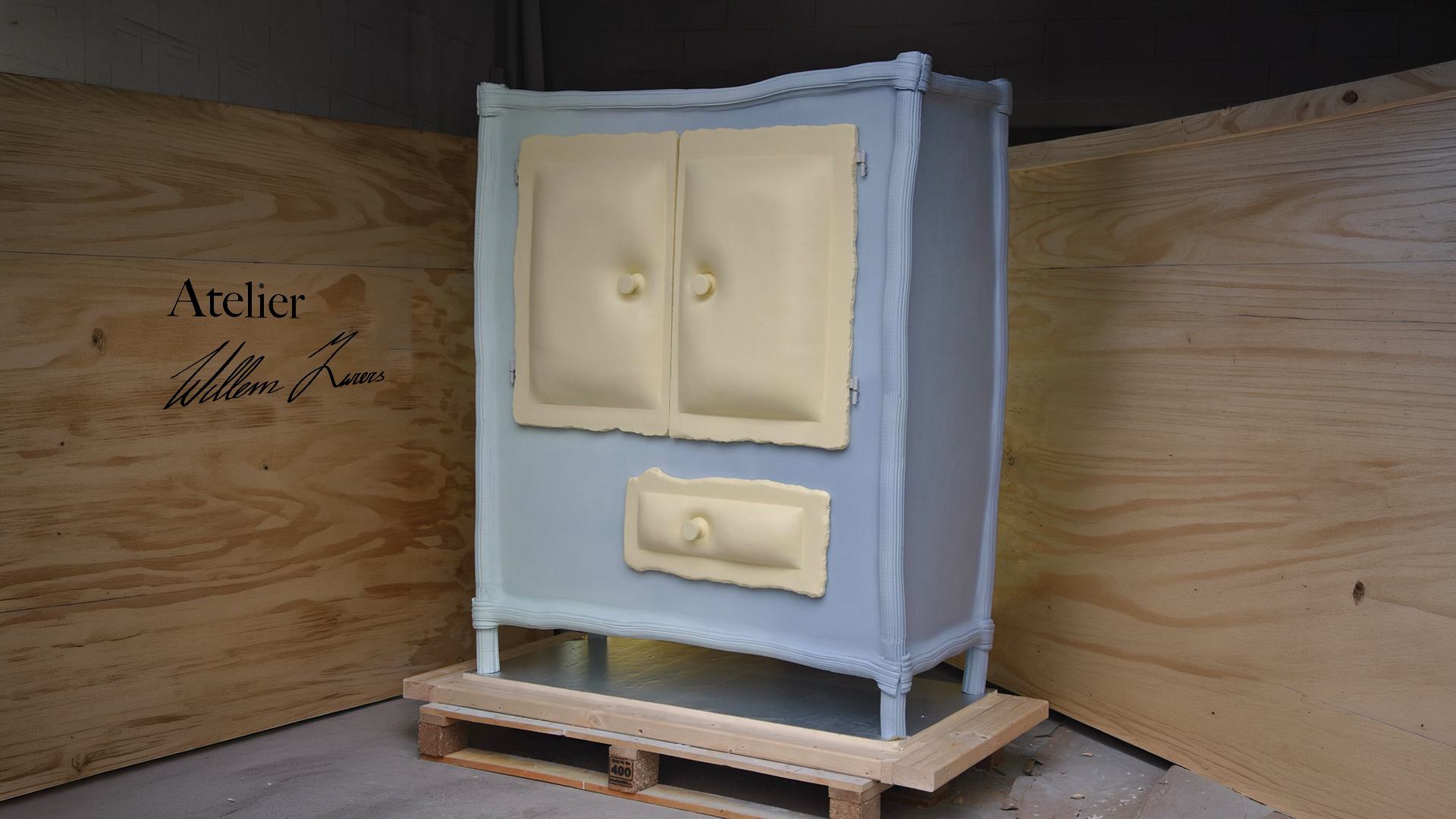
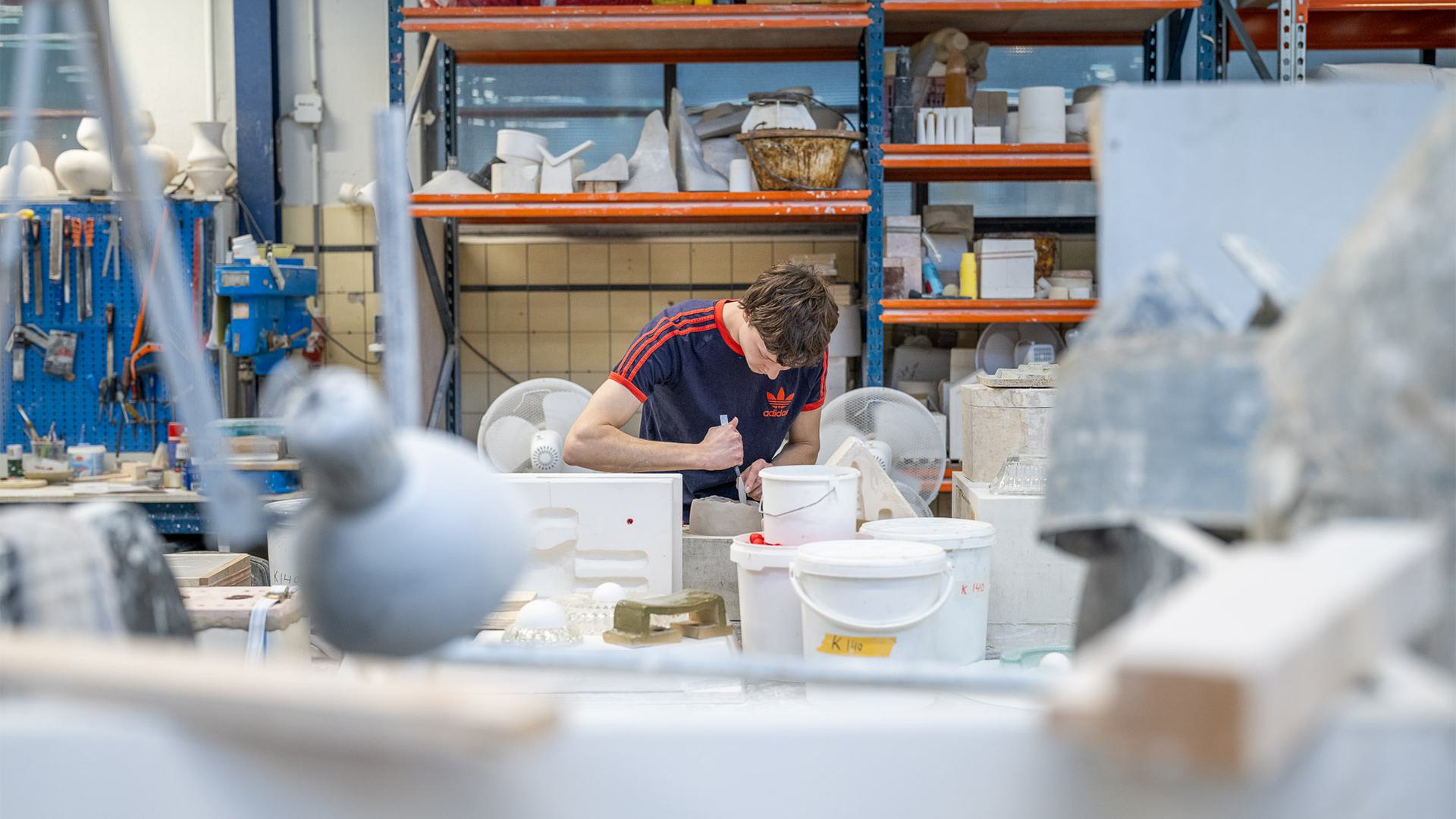
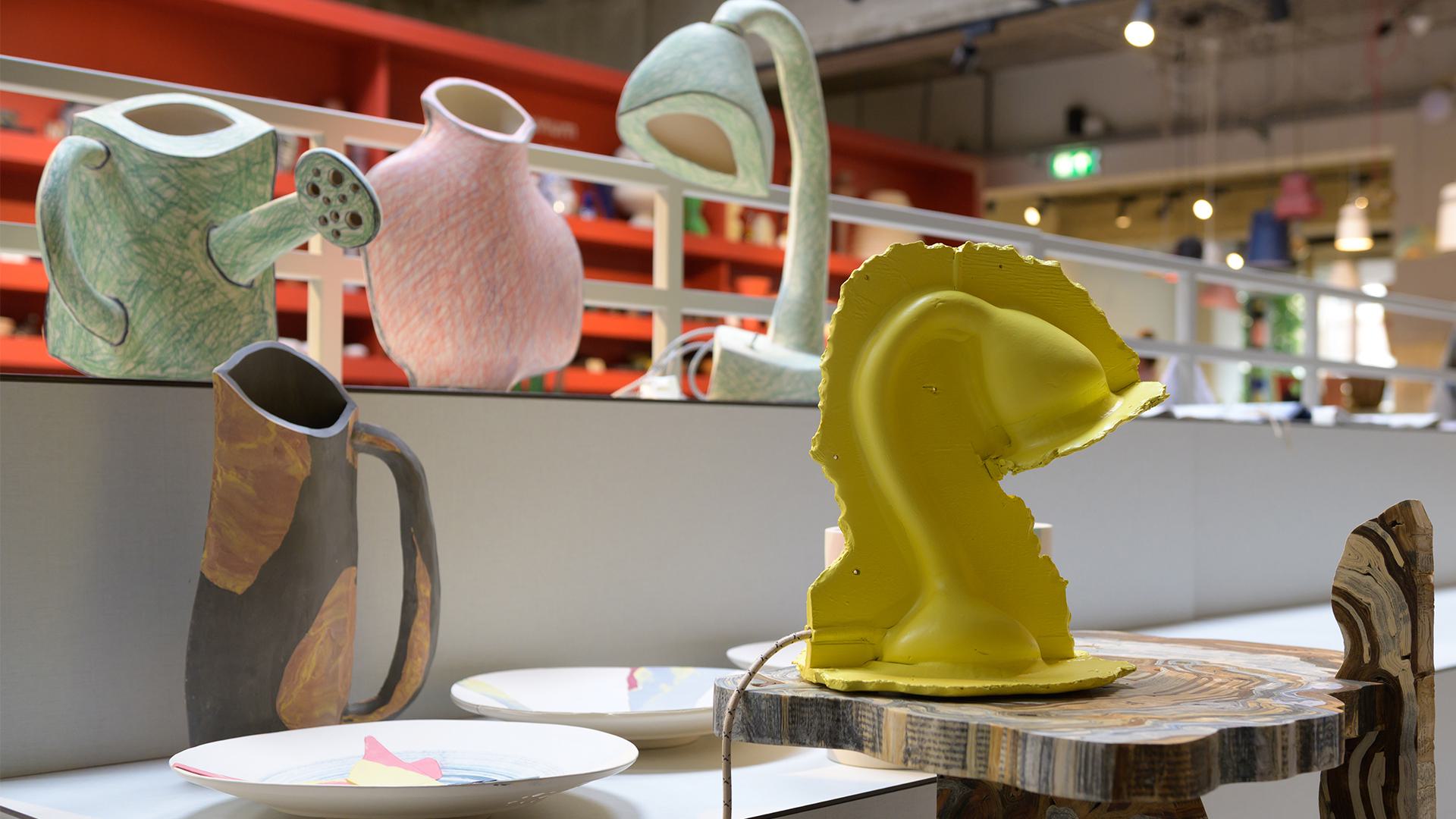
Willem Zwiers thinks through making. He starts with a rough idea, but does not know exactly where an object will end up. By working with his hands, he discovers new possibilities along the way. He develops his own ways of making, from modifying machines to experimenting with clay and books. In his ceramic work, for example, techniques such as blowing up clay or pushing it through a modified meat grinder create forms that could not be designed beforehand. Making is therefore not simply a way to produce an idea, but a way to develop one. The process, including mistakes, accidents and unexpected results, becomes part of the design.
Material
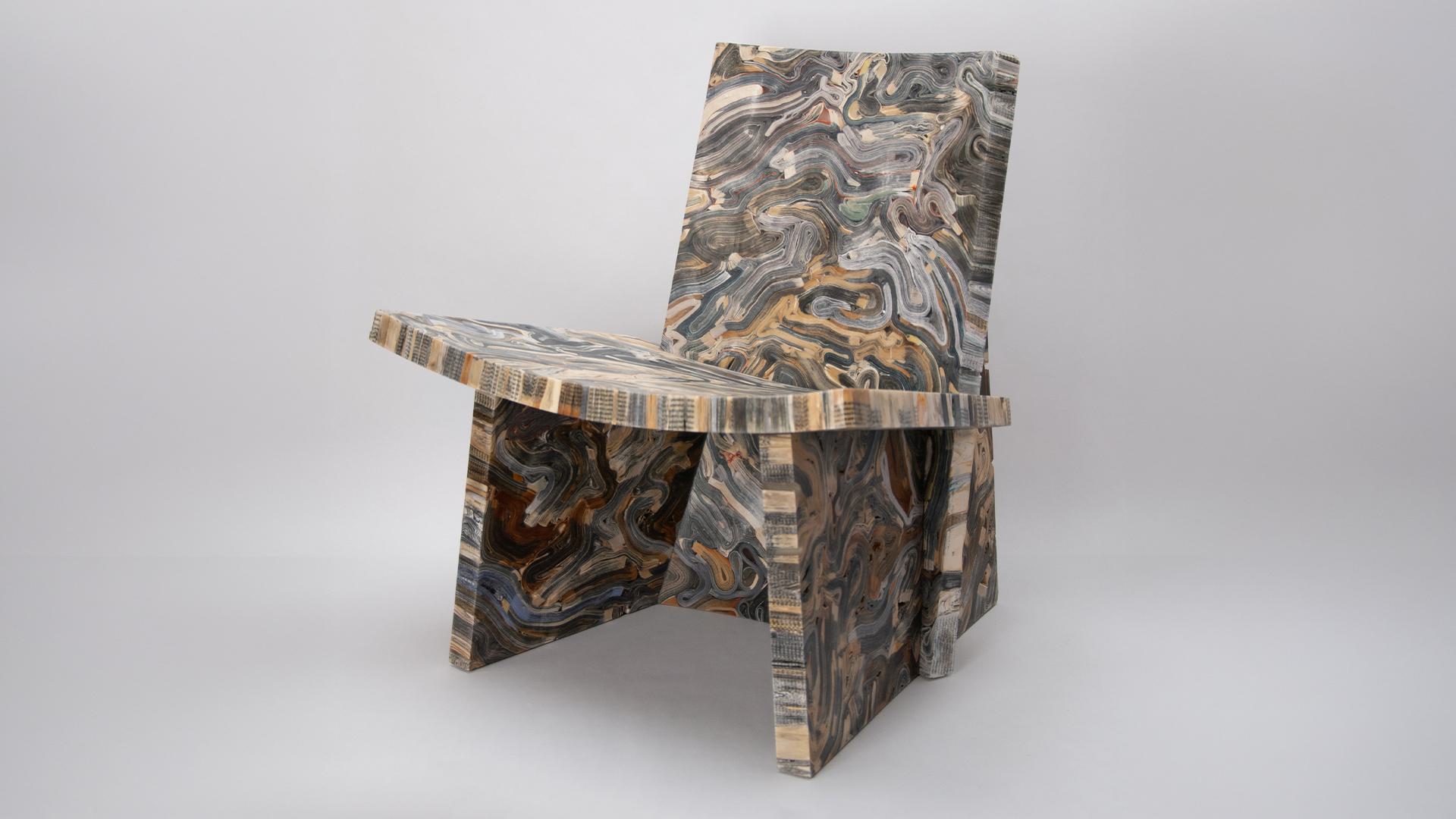
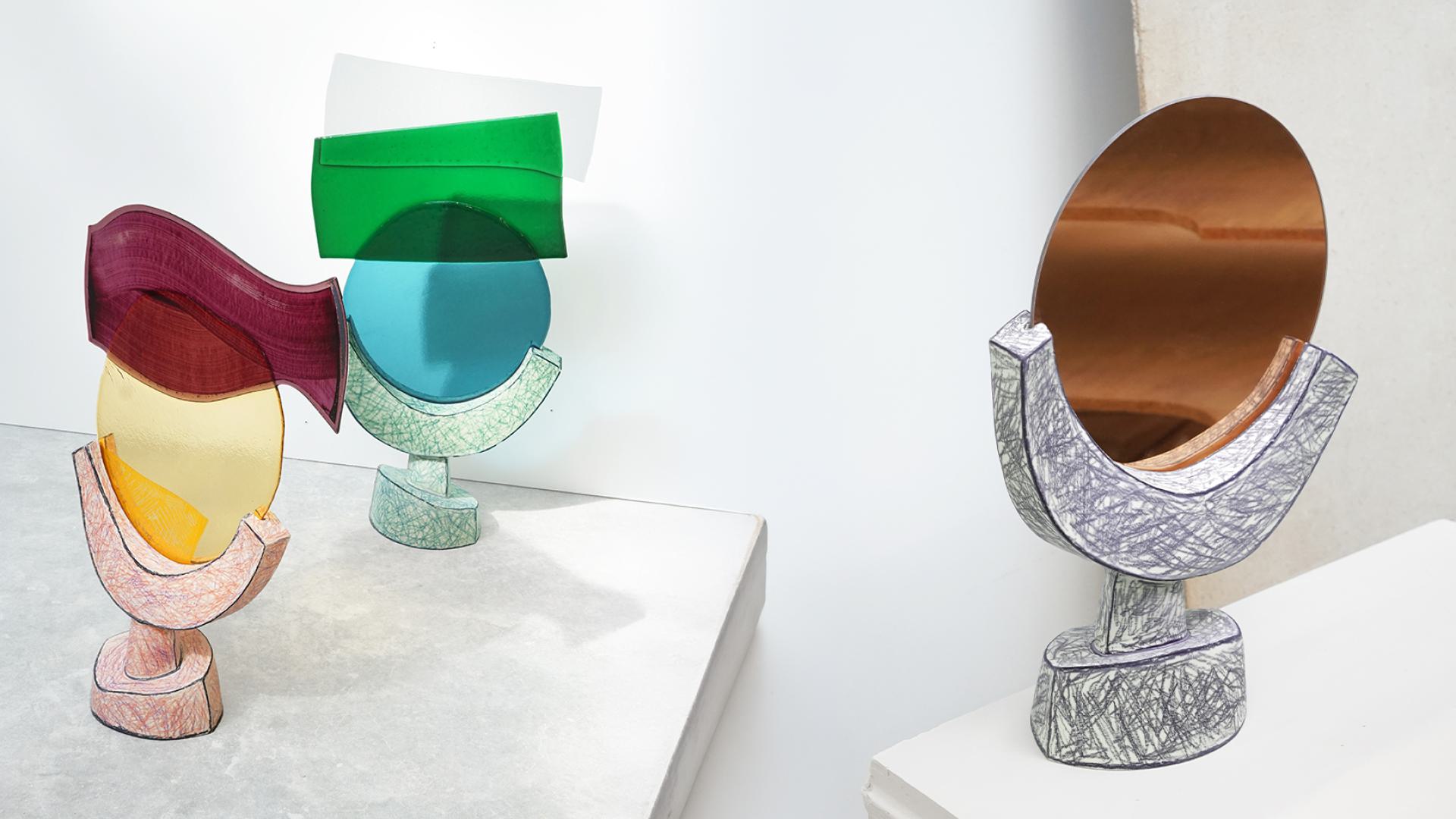
Materials are an important starting point in Willem's practice. Rather than deciding on a material and forcing it into a shape, he investigates what the material can do and lets its properties guide the process. Clay can expand, stretch and collapse and books can be cut and layered into a stone-like material. This way of working can also be seen in his projects developed with Cor Unum, where ceramic techniques and material behaviour become part of the character of the objects. By looking closely at what materials already have to offer, Willem finds possibilities that are often hidden within them.
Transformation
The objects in Willem's practice often feel as if they have grown rather than been designed all at once. He begins with an idea about how something could look, but allows the form to develop through making. Layers build up, materials change and unexpected shapes emerge. This can result in the organic forms of his ceramic work, the layered structures of Transformed Remnants, or the playful objects developed during his collaboration with Cor Unum. Whether a process is slow or fast is not important to him. What matters is that the object finds an interesting form through the process. His work balances control and chance, craftsmanship and experimentation, resulting in objects that carry visible traces of how they came into being.