How can design contribute to better care, healthier food, greater wellbeing and a healthier society?
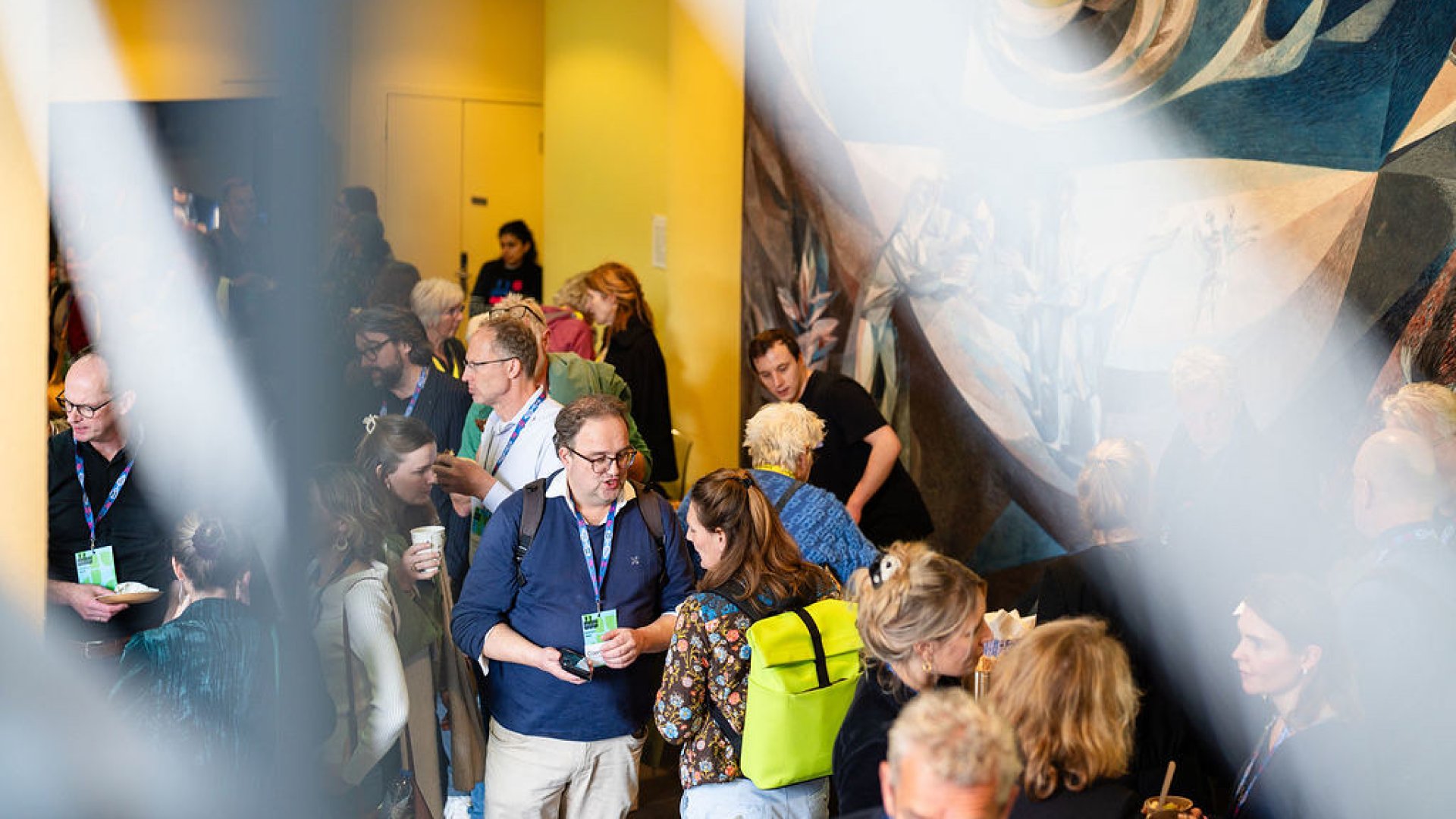
This Mission Day brings together designers, healthcare professionals, researchers and other experts to explore how products, services and systems can better reflect people’s everyday lives and diverse needs. Talks, sessions and meet-ups address topics including regional healthcare, prevention, personal agency and collaboration between patients, professionals and organisations, with the shared aim of improving health and quality of life.
For who?
The day is relevant to designers and professionals working in healthcare, food, medical technology and wellbeing. Healthcare organisations, researchers, public authorities, insurers and companies working on health, behaviour or healthy living environments can also exchange knowledge and meet partners to develop new solutions together.
Four exhibitions from the DDW26 programme that reflect this Mission Day
Good design can make a tangible difference to everyday life. It can make eating easier, offer a sense of companionship or help us better understand care. DDW, these four projects show how putting people first can inspire new ideas about health and wellbeing.
Sharing a meal may seem straightforward, until holding a plate or serving food becomes difficult. HAK Studio designed JOYN: tableware and cutlery that help people with neurodegenerative conditions enjoy meals with others more independently. You can find the project at Kazerne – Design Lab (E31).
At Klokgebouw (B4), Katrijn Westland explores a different form of closeness with Soft Companions. Her interactive textile creatures move, give off warmth and respond to touch. Can objects also evoke a sense of mutual care?
Also at Klokgebouw (B4), the consortium behind Your Own Health? poses a question that affects us all: how much influence do we have over our own health? Through interactive projects, you discover the roles that family, healthcare professionals, technology and society play.
In Soul & Science, Philips Design asks how technology can feel more human. The project brings together three experiences. At Philips Museum (E8), the route begins with an exploration of how we imagine care.