Packing Up PFAS
Transforming PFAS polluted clay soil into clean bricks
Hosted by Emy Bensdorp | ClaybensThis project is now archived and was part of DDW21
Event type
Exhibition
Location
Canal
de Melkfabriek
De Kade, Kanaaldijk-Zuid 1 D
5613 LE
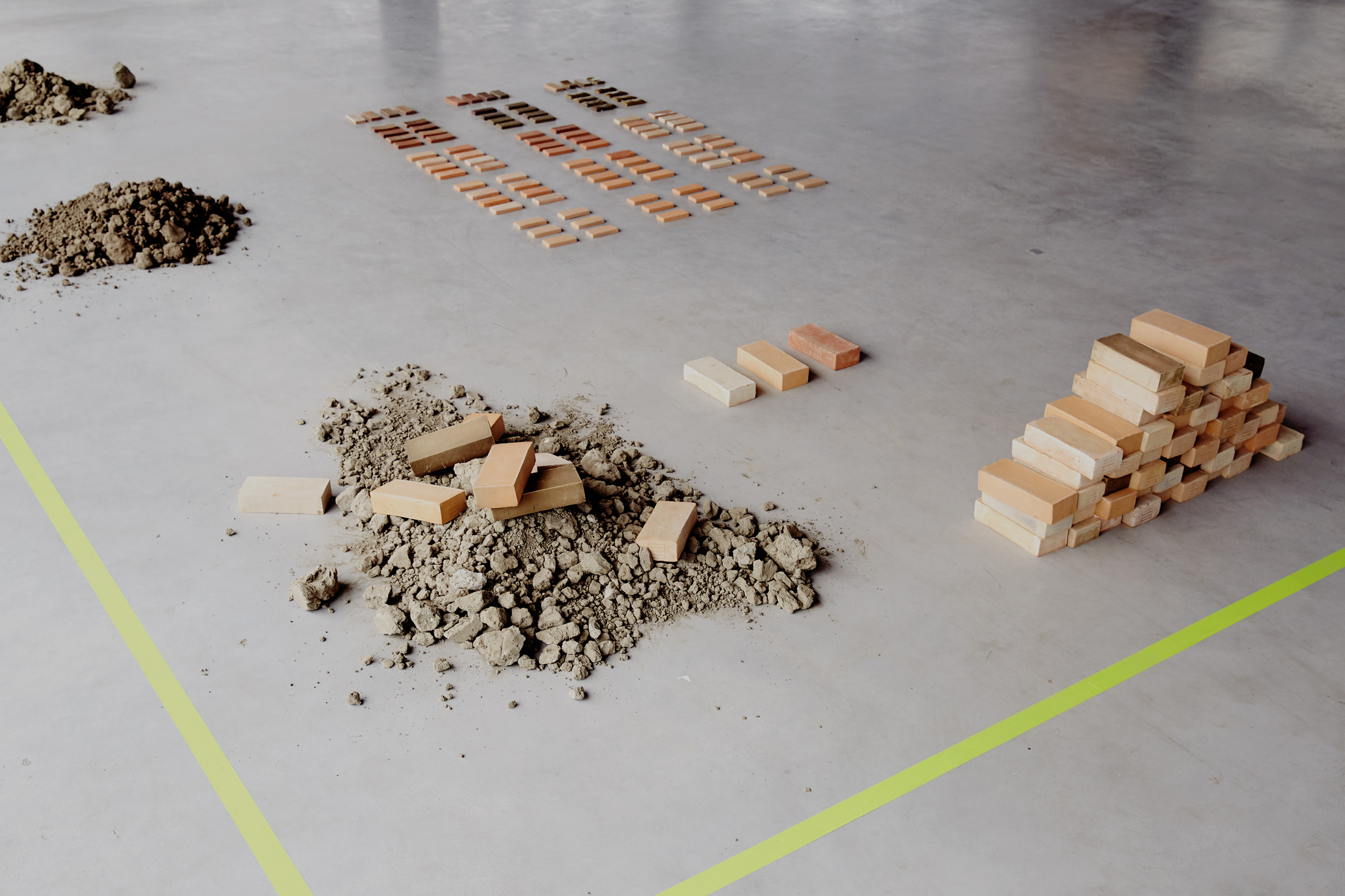
Packing Up PFAS
Sem Langendijk for VPRO Mondo
PFAS is a toxic chemical group that have been widely used since the 50s. These 'forever chemicals' do not degrade and pollute our soil. This is a problem for our health but also for the building sector. Packing Up PFAS cleans our environment by transforming PFAS polluted clay soil into clean bricks
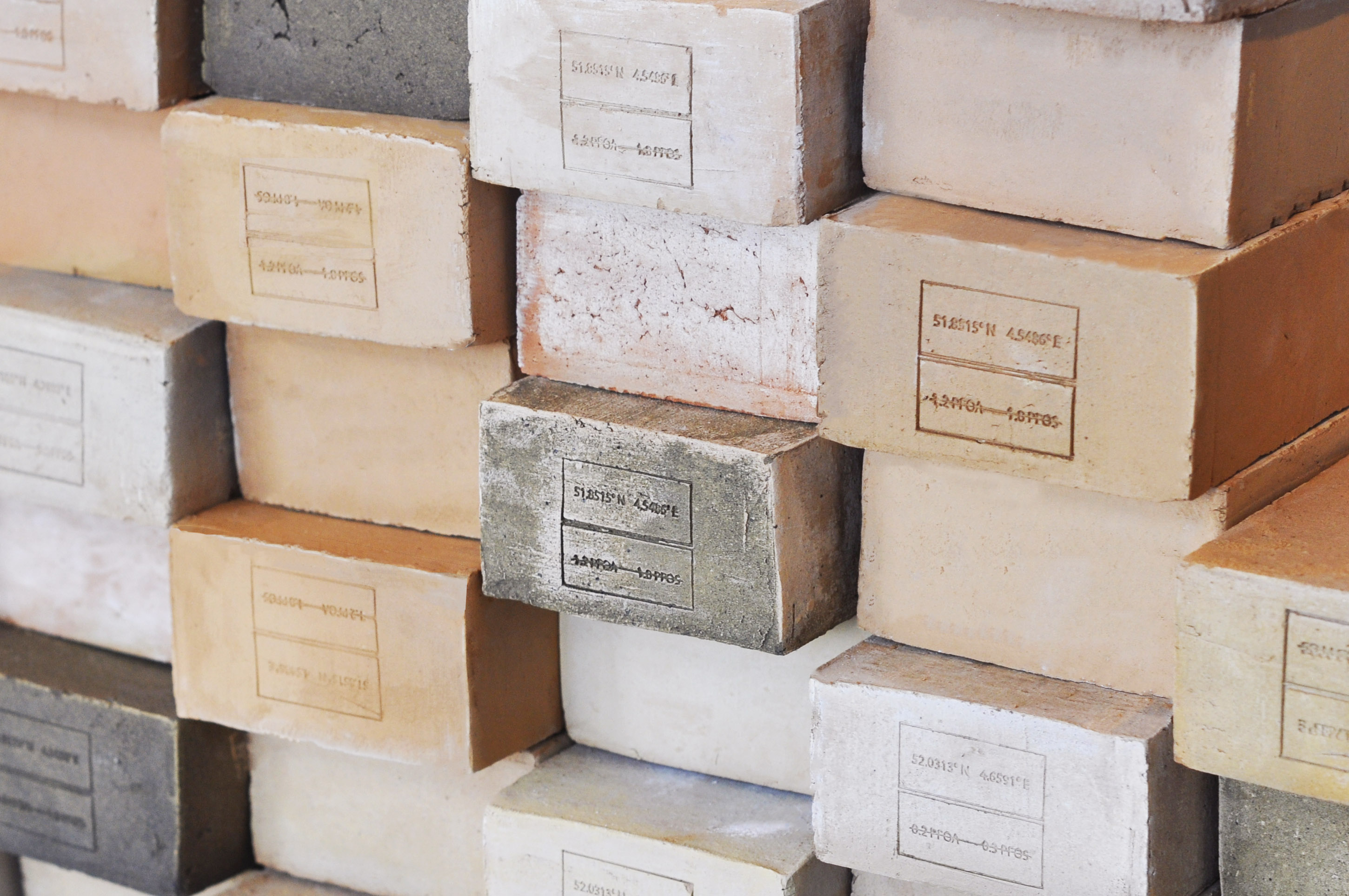
Bricks close-up
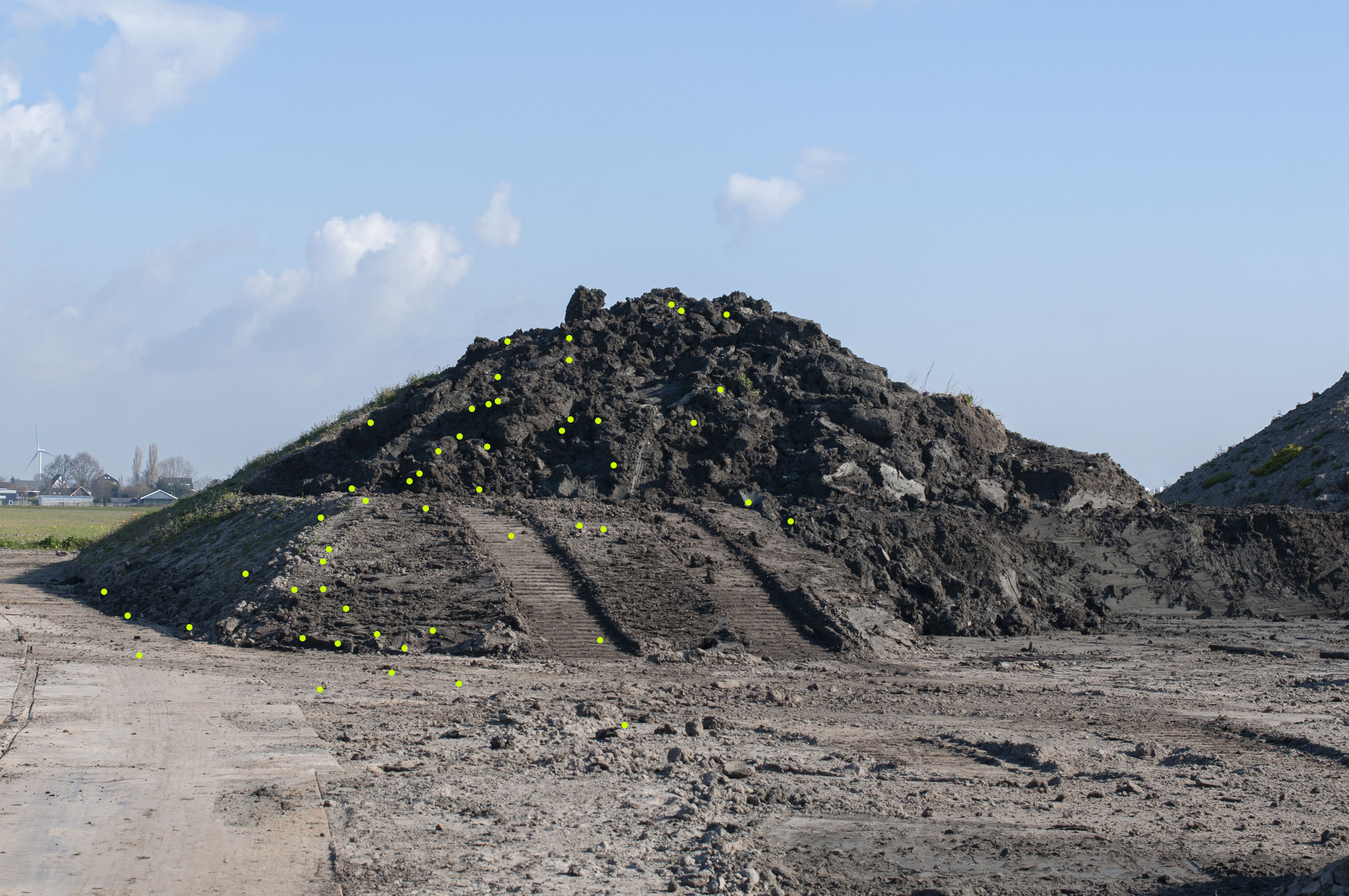
Soilbank- PFAS soil originating from Barendrecht
About Emy Bensdorp | Claybens
For Emy Bensdorp (1993) the challenges of today make the most interesting design topics. Bensdorp utilizes her dual background in design and psychology to combine deep dive research with a hands-on design approach. This results in tangible concepts, products and materials. In her latest project Packing Up PFAS, Bensdorp developed an innovative solution to remove toxic PFAS chemicals from our environment. Bensdorp aims to create work that matters socially and sustainably.
Similar projects
Gemeente Eindhoven
Stad in beweging
Kazerne – Home of Design
Between No-Longer and Not-Yet
Isola
Only Good News
A LOTT OF SPACE
A LOTT OF SPACE
CLICKNL
DRIVE: Circular & Biobased Building
Individual Designer
INTER-
VPRO
Reaction
Tabled Design
Delta table - circular furniture by Tabled
United Matters
United Matters
OurCarbon
What A Waste